Kappa II / G4LD Engine
- Engine
- 1353 cm3
- Aspiration
- Turbocharger, Intercooler
- Fuel
- Petrol (Gasoline)
- Fuel injection system
- Direct injection
- Power
- 140 hp @ 6000 rpm
- Torque
- 242 Nm @ 1500 rpm
- Cylinders
- 4
- Valves
- 16, 4 per cylinder
- Cylinders position
- Inline
- Valvetrain
- DOHC
- Oil capacity
- 4.2 l
- Coolant
- 6.1 l
# Vehicles powered by this engine
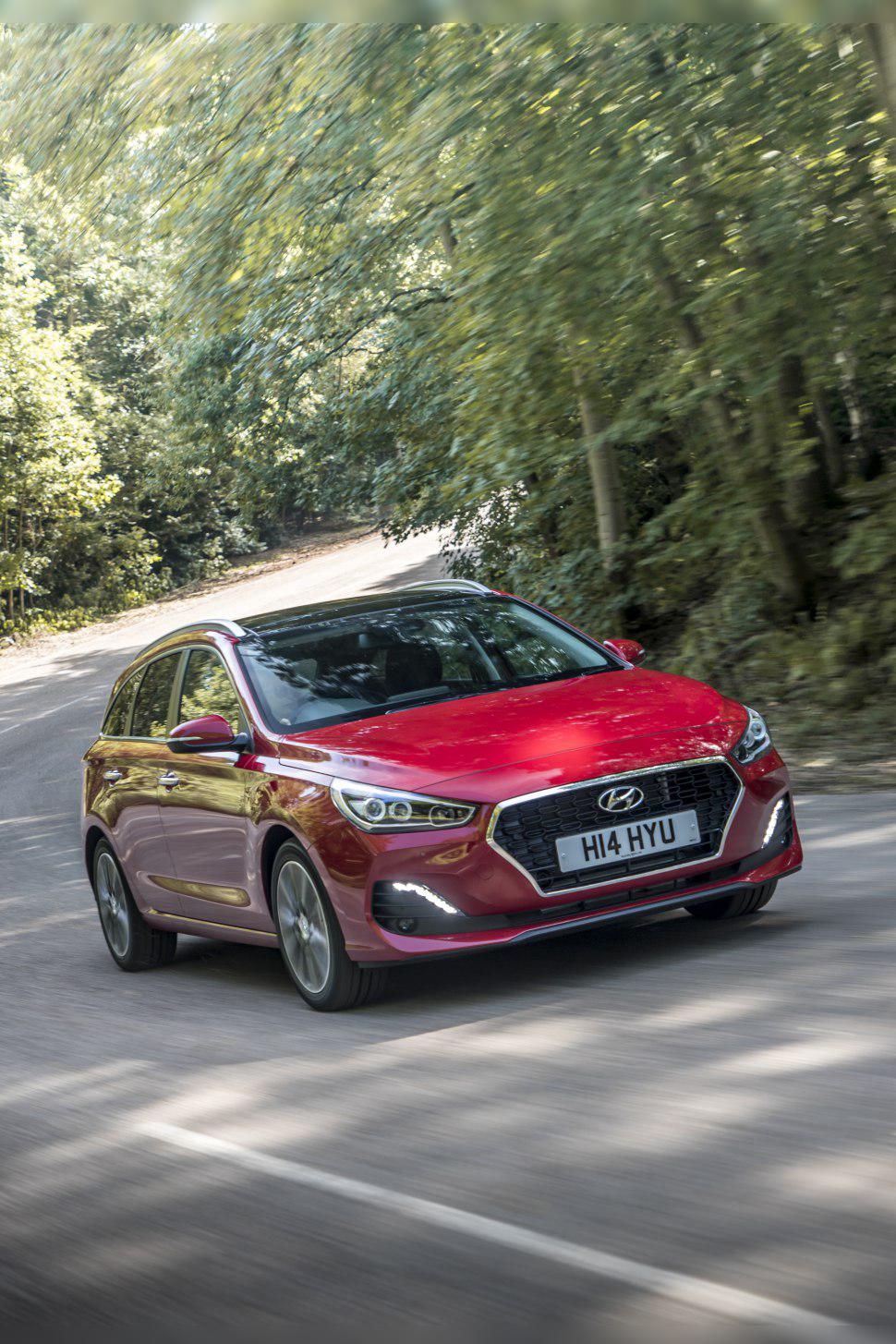
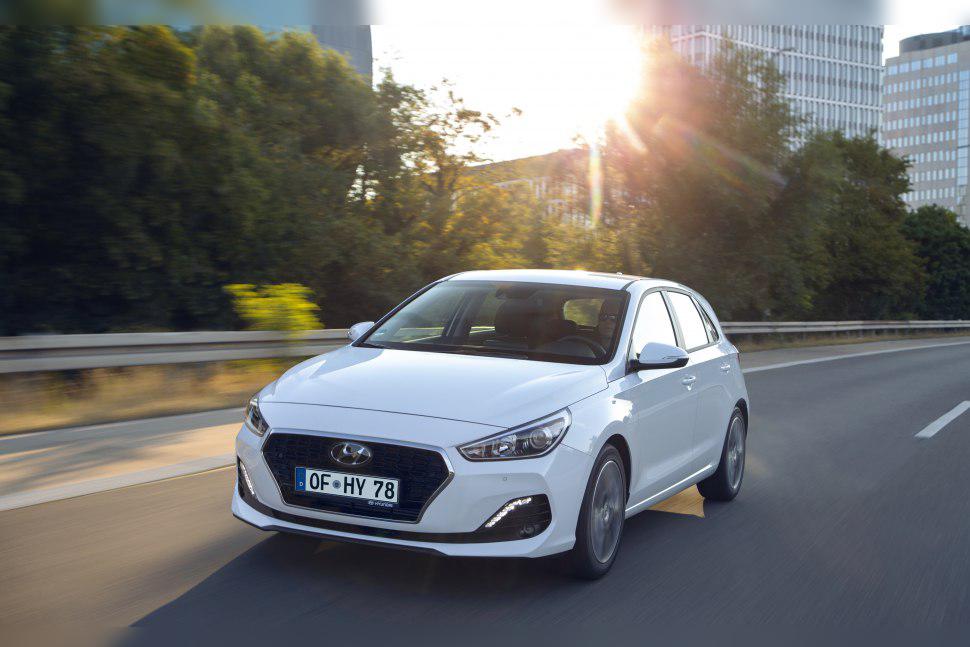
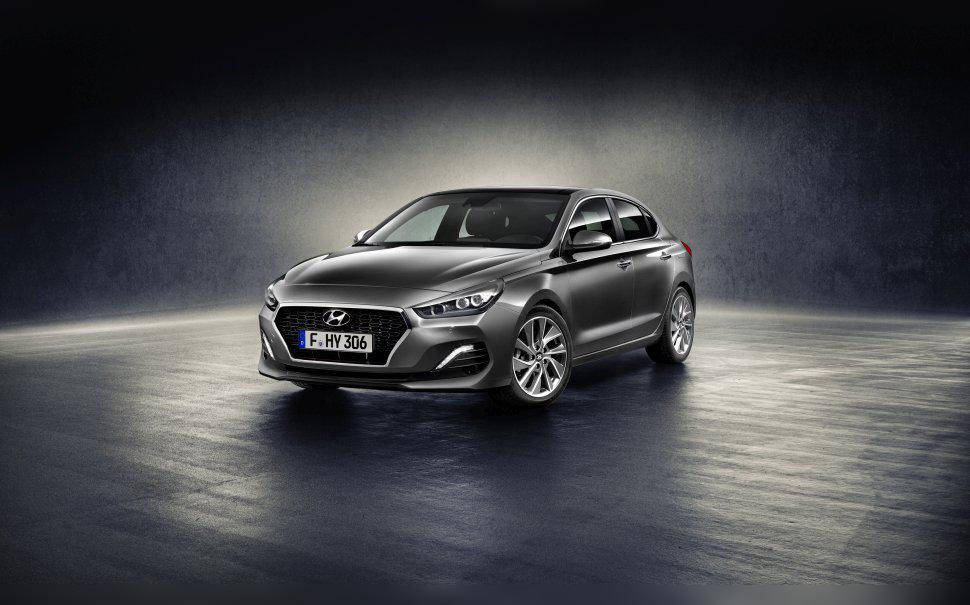
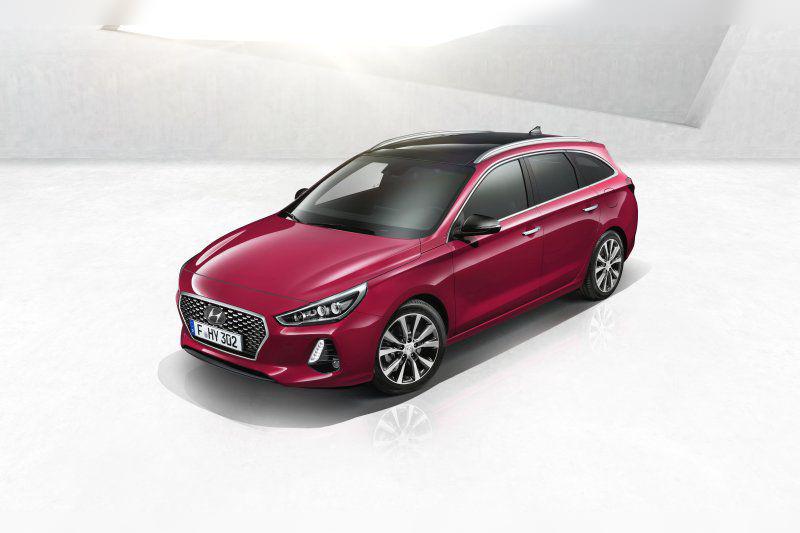
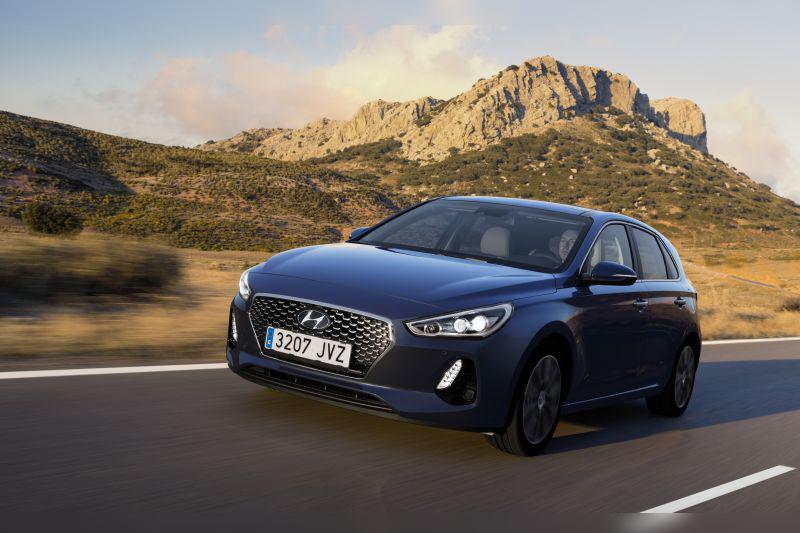
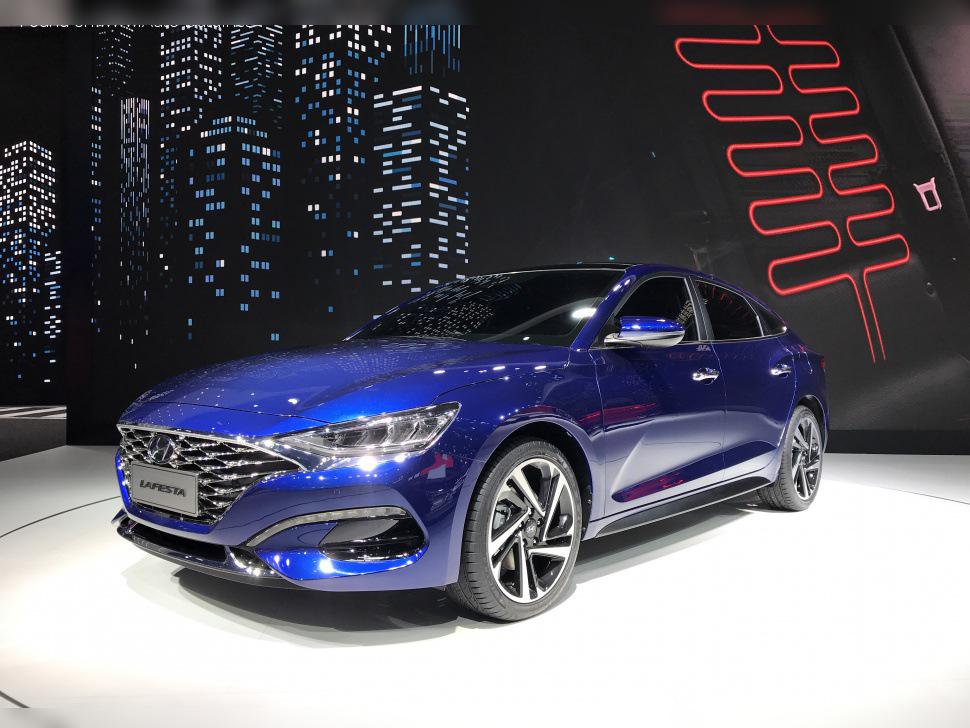
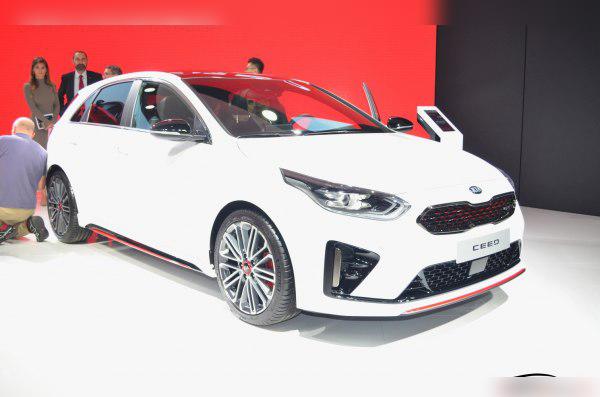
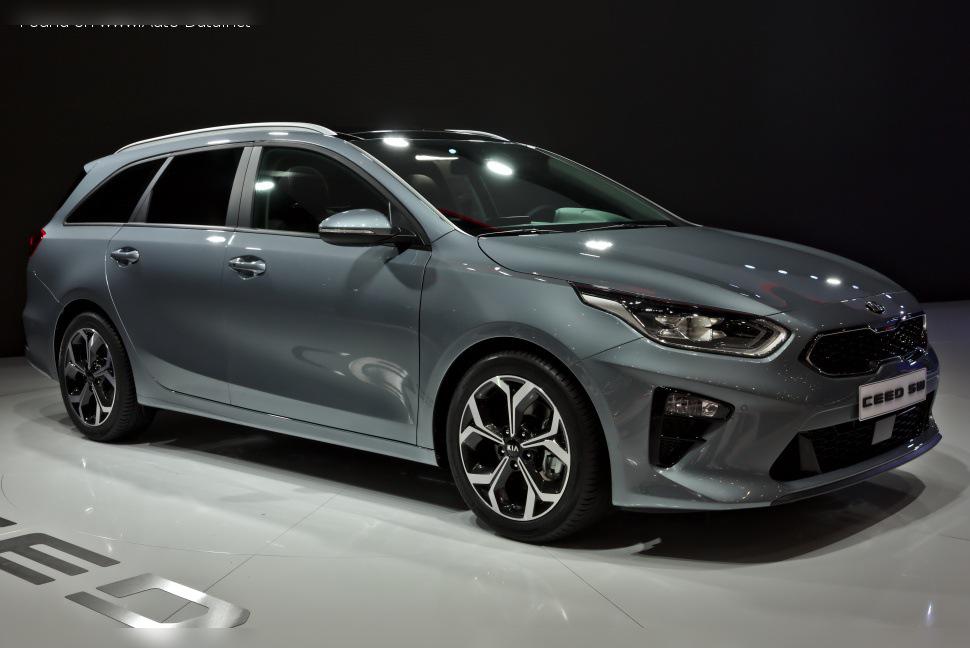
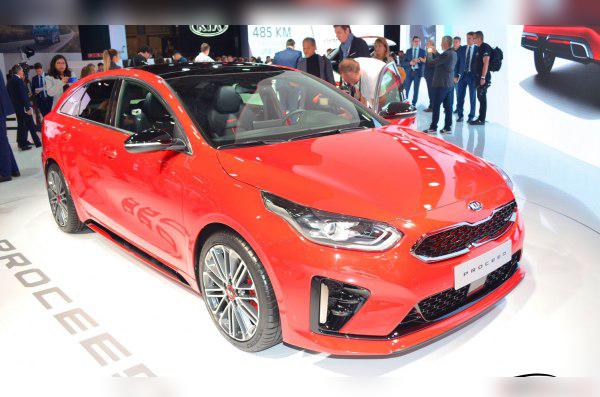

1.4 T-GDI (Kappa II / G4LD) – Experiences, issues, fuel consumption and buying tips
If you’re looking at a more modern Hyundai i30 or Kia Ceed (2017+), you’ve probably noticed the 1.4 T-GDI engine. This unit came as a replacement for the old naturally aspirated 1.6 GDI, bringing a turbocharger and higher torque into the “mainstream” class. On paper, 140 horsepower seems like an ideal figure for compact cars and wagons, but is this engine as reliable as the old naturally aspirated ones? In this text, as someone who has spent years under the hood and behind the keyboard, I dissect this engine down to the smallest details.
Key points in short (TL;DR)
- Timing drive: Uses a chain which is generally reliable, but requires regular oil changes.
- Performance: Excellent power-to-economy ratio, far more lively than the old 1.6 naturally aspirated engine.
- Gearbox: The manual is the “safe bet”, while the 7-speed DCT automatic requires caution (dry clutch).
- Emissions: Equipped with a GPF filter (petrol DPF), so short city trips can be an issue.
- Main drawback: Carbon build-up on intake valves (due to direct injection).
- Recommendation: One of the best petrol engines in its class, provided it has been properly maintained.
Contents
- Technical specifications
- Reliability and maintenance
- Specific parts and costs
- Fuel consumption and performance
- Additional options and LPG
- Gearbox (Manual vs DCT)
- Used car buying and conclusion
Technical specifications
| Characteristic | Data |
|---|---|
| Engine code | G4LD (Kappa II family) |
| Displacement | 1353 cc (1.4 L) |
| Power | 103 kW (140 hp) @ 6000 rpm |
| Torque | 242 Nm @ 1500–3200 rpm |
| Injection type | GDI (Direct injection) |
| Induction | Turbocharger (single scroll) + intercooler |
| Engine block | Aluminium |
Reliability and maintenance
Does this engine have a timing belt or a chain?
The G4LD engine uses a timing chain (so-called “silent chain”). This is good news for owners because the chain on this engine is not prone to stretching like on some older VW TSI engines. However, the chain is not eternal. Its lifespan directly depends on oil quality and change intervals. With regular maintenance, the chain should last over 200,000 km without issues. The first symptom of a problem is a metallic “rattle” on cold start that lasts longer than 2–3 seconds.
What are the most common failures on this engine?
Although the engine is quite reliable, there are specific points you should pay attention to:
- Carbon build-up on valves: Due to direct injection (GDI), fuel does not “wash” the intake valves. Over time, carbon deposits build up and can lead to rough idle and power loss. Intake cleaning (so-called “walnut blasting” or chemical treatment) is recommended at around 80,000–100,000 km.
- Coil packs (ignition coils): They can fail, which leads to the engine running on 3 cylinders and the “Check Engine” light coming on. It’s not an expensive repair, but it can be annoying.
- Turbo actuator: Sometimes the electronic actuator of the wastegate valve can stick or lose calibration, resulting in power loss or the car jumping into “safe mode”.
At what mileage is the major service done?
Since the engine has a chain, a classic “major service” (timing belt replacement) does not exist in that sense. However, the serpentine belt (auxiliary belt) with tensioners and water pump should be checked at around 100,000 km and replaced if necessary. The chain is replaced only if it becomes noisy or if diagnostics show timing misalignment, which is rare before 200,000 km.
How many litres of oil does this engine take and which grade is recommended?
The sump holds approximately 4.2 litres of oil. Due to the presence of the GPF filter and turbocharger, using the correct oil is CRITICAL.
Recommended grade: 0W-30 or 5W-30.
Specification: Mandatory ACEA C2 or C3 standard (Low SAPS oils that protect the particulate filter). Using a regular A3/B4 oil will permanently damage the GPF filter.
Does it consume oil between services?
Kappa II engines are quite “tight” and oil consumption is not characteristic for them, unlike older Gamma engines. Consumption up to 0.5 litres per 10,000 km is considered normal, especially if driven aggressively. If the engine consumes more than that (e.g. 1 litre every few thousand km), this points to an issue with piston rings or the turbocharger, which is not standard behaviour for this unit.
Specific parts (Costs)
Does the engine have a dual-mass flywheel?
Yes, it does. Regardless of whether it’s paired with a manual gearbox or a DCT automatic, this engine produces 242 Nm of torque, which requires vibration damping. On the manual gearbox, replacement of the clutch kit with the dual-mass flywheel is a costly investment (expect 600 to 900 EUR depending on market and labour). On the DCT gearbox, the flywheel is also present and specific.
What kind of injection system does it have and are the injectors problematic?
It uses a high-pressure GDI system (up to 200 bar). Injectors are generally reliable and rarely fail. If a failure occurs, symptoms include leaking (smell of petrol in the oil) or hard starting. The price of a single injector is high, but fortunately, this is not a common failure.
Does the engine have a turbocharger and what is its lifespan?
It has a single turbocharger (single scroll), integrated with the exhaust manifold on some versions for faster warm-up. The turbo’s lifespan is usually equal to the engine’s lifespan with regular oil changes and proper cool-down after hard driving. Expect 200,000+ km without a turbo overhaul, although, as mentioned, the electronic actuator can cause problems earlier.
Does it have a DPF filter or an EGR valve?
Since these models (2018/2019+) meet Euro 6d-TEMP standards, they DO HAVE a GPF filter (Gasoline Particulate Filter). This is the petrol equivalent of a diesel DPF. They also have an EGR system.
Good news: Petrol exhaust gases are hotter than diesel ones, so the GPF regenerates much more easily and quickly (often passively while driving). GPF clogging is extremely rare, unless the car is driven exclusively 2 km a day in winter.
Fuel consumption and performance
What is the real fuel consumption in city driving?
Forget the factory figures. In real city driving (rush hour), this engine in an i30/Ceed body uses between 8.0 and 9.5 l/100 km. If you have a heavy right foot, it can go up to 10 litres. The Start-Stop system helps, but it’s no miracle worker.
Is this engine “lazy” for the weight of the car?
Absolutely not. With 140 hp and 242 Nm available from just 1500 rpm, this engine moves the i30 and Ceed (even in wagon versions) with ease. The acceleration feel is linear. It’s not a sports car (that’s what the i30 N is for), but for overtaking on country roads it is more than adequate and much better than the 1.0 T-GDI three-cylinder.
How does the engine behave on the motorway?
This is its home turf. At 130 km/h in top gear (6th gear or 7th on the DCT), the engine spins at around 2500–2700 rpm. This means the cabin is quiet, and fuel consumption is around 6.0–6.8 l/100 km, depending on wind and load.
Additional options and modifications
Is this engine suitable for LPG conversion?
Conditionally yes, but it’s expensive. Due to direct injection, you cannot install a regular sequential LPG system. You need a system that either injects liquid gas directly through the petrol injectors (best option, but costs over 1000–1500 EUR) or a system that mixes petrol and gas (e.g. uses 20% petrol and 80% gas to cool the injectors). The cost-effectiveness of installation is questionable unless you cover very high mileage (30k+ km per year).
How far can this engine be safely “chipped” (Stage 1)?
This engine responds very well to remapping. A Stage 1 tune usually raises power to 160–170 hp and torque to around 280–300 Nm. This is a safe zone for the engine, but keep in mind that higher torque puts additional stress on the clutch (especially with the DCT gearbox) and the dual-mass flywheel.
Gearbox
Which gearboxes are fitted?
With the 1.4 T-GDI you get two options:
1. 6-speed manual gearbox (precise, light shift).
2. 7-speed DCT (Dual Clutch Transmission) – dual-clutch automatic.
What are the most common issues?
Manual gearbox: Very reliable. The only major cost is the clutch kit and dual-mass flywheel at higher mileage.
DCT automatic: This is a “dry” DCT gearbox (dry clutch). That means the clutch plates are not immersed in oil for cooling.
Problem: In city traffic (stop-and-go), the clutches heat up and wear faster. Symptoms include judder when moving off, indecisive gear changes or the smell of burnt clutch. The mechatronics unit (the “brain” of the gearbox) can also fail. DCT repairs are very expensive (a clutch kit is 600+ EUR, mechatronics 1000+ EUR).
At what mileage should the gearbox be serviced?
- Manual: The manufacturer often says “lifetime fill”, but it’s recommended to change the oil at 60,000–80,000 km (it takes about 2 litres of 70W synthetic oil).
- DCT: Although the clutches are dry, the gears are in oil. It’s recommended to change the oil at 60,000 km. Also, occasional software recalibration of the clutch bite point (adaptation) is needed to reduce judder.
Used car buying and conclusion
What to check before buying?
- Cold start: Listen to the chain. Any rattling longer than a few seconds is a red flag (either bad oil or a stretched chain).
- Test drive (DCT): Release the brake on an incline. The car should move off smoothly, without judder or vibration. If it shudders, the clutch kit is near the end of its life.
- Service history: Check whether C2/C3 oil has been used. If the wrong oil was used, the GPF filter may already be damaged.
- Idle behaviour: If the engine idles roughly, the intake valves may be full of carbon deposits.
Final verdict
The 1.4 T-GDI (G4LD) engine is probably the best choice for a used Hyundai i30 or Kia Ceed of this generation. It offers much better performance than the 1.0 engines, while not being drastically more expensive to maintain.
Who is it for? Drivers who cover mixed routes (city/highway).
Who should avoid it? If you’re buying a car exclusively for city driving (“from one traffic light to the next”), avoid the DCT gearbox due to dry clutch wear. In that case, the manual gearbox is a much less painful option for your wallet.
Was this content useful to you?
Your opinion helps us to improve the quality of the content.