306DT Engine
- Engine
- 2993 cm3
- Aspiration
- Turbocharger, Intercooler
- Fuel
- Diesel
- Fuel injection system
- Diesel Commonrail
- Power
- 275 hp @ 4000 rpm
- Torque
- 625 Nm @ 2000 rpm
- Cylinders
- 6
- Valves
- 24, 4 per cylinder
- Cylinders position
- V-engine
- Valvetrain
- DOHC
- Oil capacity
- 7 l
- Coolant
- 9.7 l
- Systems
- Particulate filter
# Vehicles powered by this engine


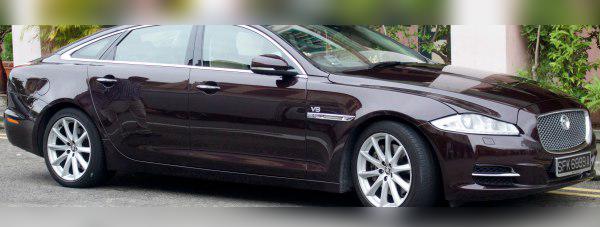

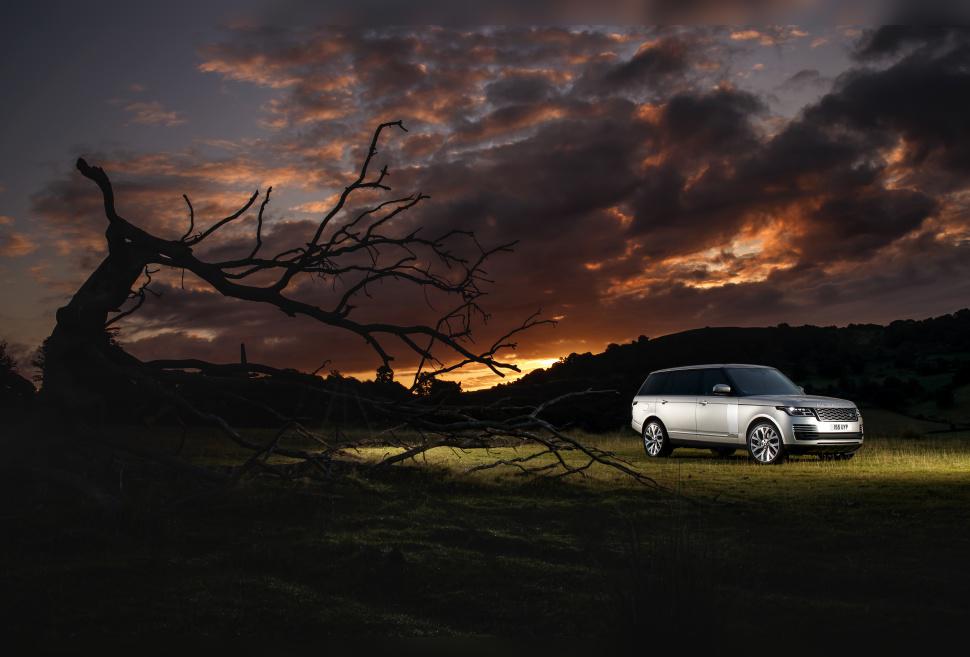


Engine 306DT 3.0 SDV6 (275 HP): Experiences, issues, fuel consumption and maintenance
Key points in short (TL;DR)
- Performance: With 625 Nm of torque, this thing is a “locomotive”. Ideal for heavy SUVs and sedans, it truly shines on the motorway.
- Biggest fear: 3.0 V6 diesels from this family (Lion V6) have a notorious reputation for crankshaft failure, although this is more common with older 2.7 versions and poorly maintained cars.
- Major service: The engine uses a timing belt (actually two belts), not a chain as the primary drive, which is crucial for cost planning.
- Gearbox: It is paired exclusively with top-notch ZF automatics (6 or 8 speed). There are no manual gearboxes with this engine.
- Sensitivity: It does not tolerate poor-quality oil or “long life” intervals. DPF regeneration can dilute the oil with diesel, which is fatal for crankshaft bearings.
- Verdict: A fantastic engine to drive, but it demands a meticulous owner and deep pockets for preventive maintenance.
Contents
- Technical specifications
- Reliability and Maintenance
- Specific Parts and Costs
- Fuel Consumption and Performance
- Additional Options and Modifications
- Gearbox
- Buying used and Conclusion
Introduction
The engine with the code 306DT, better known as the “Lion V6” or simply 3.0 SDV6/TDV6, is the heart of prestigious Jaguar and Land Rover models from the past decade. It is an evolution of the older 2.7 diesel, developed in cooperation between Ford and the PSA group, but Jaguar and Land Rover engineers significantly reworked it for longitudinal installation and heavy-duty use.
In the 275 HP (202 kW) version, this engine represents the “golden middle ground” – more powerful than the base diesels, yet more economical than the massive V8 units. It was installed in everything from the sporty Jaguar XF sedan, through the presidential Jaguar XJ, to the luxury SUV Range Rover. Its main characteristic is the sequential bi-turbo system that delivers enormous torque.
Technical specifications
| Engine code | 306DT (AJ-V6D Gen III) |
| Configuration | V6 Diesel (6 cylinders in V) |
| Displacement | 2993 cc |
| Power | 202 kW (275 HP) |
| Torque | 625 Nm |
| Injection system | Common Rail (Piezo injectors) |
| Turbocharger | Bi-Turbo (Parallel-Sequential) |
| Camshaft drive | Timing belt (Main) + Pump belt + Chain (internal) |
Reliability and Maintenance
Timing belt or chain?
This is one of the most common questions and a frequent source of confusion. The 306DT engine has a timing belt as the main drive, but the system is complex:
- Main timing belt: Located at the front and drives the camshafts.
- Rear belt: Located at the back of the engine and drives the high-pressure fuel pump. It is often forgotten during servicing!
- Internal chains: Inside the cylinder heads there are small chains that synchronize the camshafts, but they rarely cause problems before very high mileage.
When should the major service be done?
The factory recommendation is often optimistic (182,000 km or 10 years). However, real-world experience shows otherwise. The recommendation is to do the major service at 120,000 km up to a maximum of 150,000 km or every 7–8 years. A snapped belt leads to catastrophic engine failure. During the major service both belts (front and rear) and all tensioners must be replaced.
Most common failures and crankshaft issues
The biggest bogeyman with this engine is crankshaft failure or spun rod bearings. Although the 3.0 version is reinforced compared to the old 2.7, the problem has not completely disappeared. The causes are:
- Oil dilution: Failed DPF regeneration attempts allow diesel to run down into the sump. Diluted oil loses its lubricating properties, the bearings fail, and the crankshaft breaks under stress.
- Plastic intake manifold: It often cracks along the seam. Symptoms are loss of power, smoke and a whistling air noise under the bonnet. Replacement is expensive because it requires a lot of labour.
- Temperature and flow sensors: Sensitive electronics can throw the engine into “Limp mode” (safety mode).
Oil: quantity, grade and consumption
This engine takes a large amount of oil, usually between 6.5 and 7.7 litres, depending on the model and sump shape (Range Rover vs Jaguar XJ). It uses exclusively 5W-30 oil that meets the strict JLR specification (e.g. STJLR.03.5005) low-SAPS (C1 or C2).
Oil consumption: A healthy 306DT should not consume a significant amount of oil between services (up to 0.5 L is acceptable). WARNING: If the oil level rises on the dipstick, it is a sign that fuel is entering the sump due to DPF issues. Change the oil immediately!
Specific Parts (Costs)
Injection system and injectors
It uses sophisticated Piezo injectors. They are extremely precise but sensitive to poor fuel quality. Symptoms of failure are rough idle, “ticking” engine sound and increased smoke. The price of new injectors is very high (often over 300–400 EUR per piece), and refurbishing piezo injectors is complicated and often unsuccessful.
Turbochargers
This model uses two turbochargers in a sequential system. One (larger, variable-geometry) works at lower revs for quick response, and the other (smaller, fixed) comes in at higher revs (usually above 2500–2800 rpm).
Problem: The vacuum system and valves that control the switching between the turbos can get stuck. If the car pulls well up to 2800 rpm and then suddenly loses power and shows a “Restricted Performance” message, the problem is often in the second turbo’s valve or the turbo itself. Overhaul is expensive due to complicated removal.
DPF and EGR
Yes, it has both. The EGR valves (there are two of them) are prone to clogging with soot, especially in city driving. The DPF filter is a standard concern – if you drive only in the city, this engine is not for you. DPF replacement is extremely expensive, and software deletion is illegal in most EU countries.
Fuel Consumption and Performance
Is the engine “lazy”?
Absolutely not. With 275 HP and 625 Nm, this engine easily moves even a heavy Range Rover (over 2.2 tonnes). In a lighter Jaguar XF or XJ, performance is sporty – 0–100 km/h is around 6.4 seconds (XF), which is impressive.
Real-world fuel consumption
- City driving: Expect 10 to 13 l/100 km, depending on how heavy your right foot is and traffic conditions. In a heavy Range Rover in winter it can go up to 14–15 litres.
- Country roads / B-roads: This is where it shines. Consumption drops to 6.5 to 7.5 l/100 km.
- Motorway (130 km/h): It cruises at about 7.5 to 8.5 l/100 km.
Motorway cruising
Thanks to the 8-speed gearbox and huge torque, at 130 km/h the engine spins at an extremely low 1600–1800 rpm. The cabin is then completely quiet; you only hear the wind.
Additional Options and Modifications
LPG conversion
This is a diesel engine. LPG conversion (so-called diesel-gas mix) is technically possible but economically unviable and pointless for passenger vehicles of this type. It is not recommended.
Remap (Stage 1)
The engine has great potential. A Stage 1 remap safely raises power to about 300–310 HP and torque to over 700 Nm.
Warning: Due to the known crankshaft issues, remapping increases stress on the bottom end of the engine. If you decide to do this, shorten the oil change interval to 8,000–10,000 km.
Gearbox
Manual or Automatic?
With the 306DT engine (275 HP) in the mentioned models (Jaguar XF, XJ, RR), only automatic gearboxes were installed. There is no manual gearbox in this configuration.
Types of gearboxes
- ZF 6HP28 (6-speed): Installed in older models (before 2011/2012). Reliable, but slower than the newer one.
- ZF 8HP70 (8-speed): Installed in models after 2011/2012 (rotary gear selector). This is one of the best automatic gearboxes ever made. Fast, smooth and durable.
Gearbox failures and maintenance
ZF gearboxes are generally very reliable. The most common issues are oil leaks from the gearbox sump (which is plastic) or from the electronics connector.
Does it have a dual-mass flywheel?
Since this is a conventional automatic with a torque converter, it does not have a classic dual-mass flywheel like manual or DSG gearboxes. It has a so-called “flexplate”. So you do not have the cost of replacing a clutch and flywheel set. However, torque converter refurbishment (if it starts slipping or shuddering) costs similar to a flywheel set (400–800 EUR).
Gearbox service: Although the manufacturer often says “lifetime fill”, ZF (the gearbox manufacturer) recommends changing the oil and sump (the filter is integrated into the sump) at 80,000 to 100,000 km. This is mandatory if you want the gearbox to last.
Buying used and Conclusion
What to check before buying?
- Cold start: Listen to the engine while it is cold. Any deep knocking from the bottom end means – walk away (rod bearings).
- Oil level: Pull out the dipstick. If the level is above maximum and the oil smells of diesel, the DPF is causing problems and the engine is at risk.
- Plastic parts: Remove the engine cover and look at the intake manifolds. Are there traces of oil or cracks?
- Test drive: Go out on an open road and floor it. The engine must pull linearly all the way to the redline. If it “hesitates” or loses power at high revs, the turbo system or actuators are faulty.
Conclusion
The 306DT 3.0 SDV6 engine is an engineering masterpiece in terms of refinement and performance. Driving a Jaguar or Range Rover with this engine is a real pleasure – quiet, powerful and sophisticated. It is not excessively thirsty for the power it offers.
However, this is not an engine for those who cut corners on maintenance. The risk of crankshaft failure exists, but it is drastically reduced by regular oil changes (every 10–12 thousand km at most) and proper care of the DPF system. If you buy a well-documented example with a proper service history and you are prepared to maintain it properly, this is probably the best diesel choice for these bodies.
Was this content useful to you?
Your opinion helps us to improve the quality of the content.