2ZR-FXE Engine
- Engine
- 1798 cm3
- Aspiration
- Naturally aspirated engine
- Fuel
- Petrol / electricity
- Fuel injection system
- Multi-port manifold injection
- Power
- 98 hp @ 5200 rpm
- Torque
- 142 Nm @ 3600 rpm
- Cylinders
- 4
- Valves
- 16, 4 per cylinder
- Cylinders position
- Inline
- Valvetrain
- DOHC, VVT-i
- Oil capacity
- 4.2 l
- Coolant
- 6 l
- Systems
- Start & Stop System
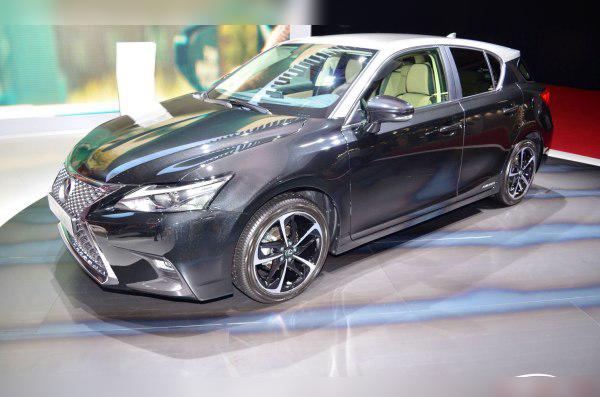
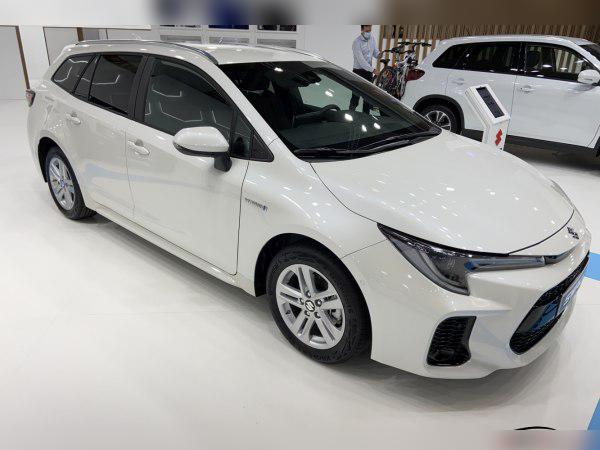
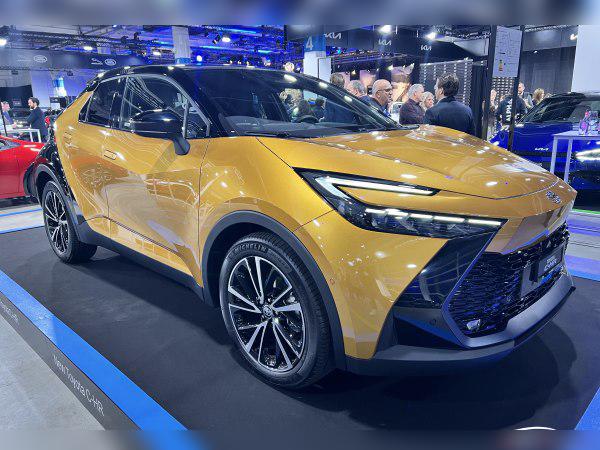
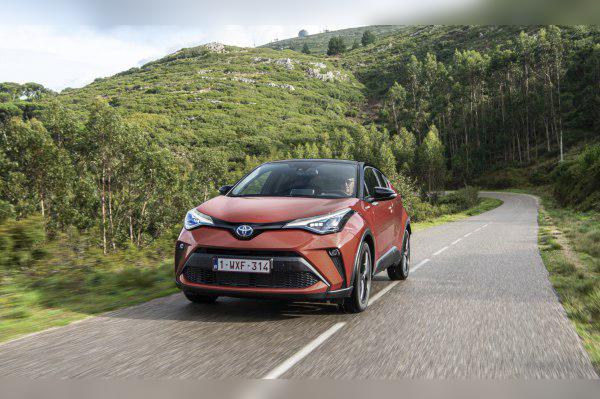
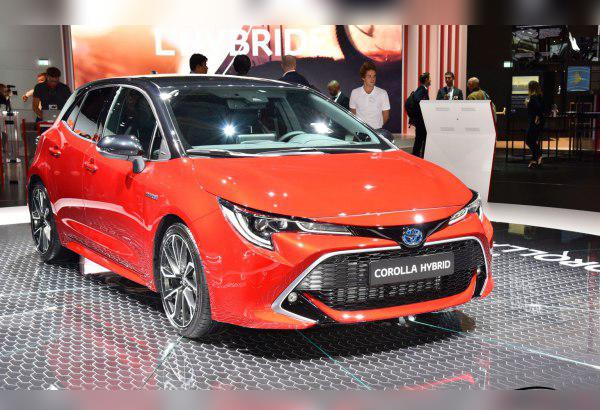
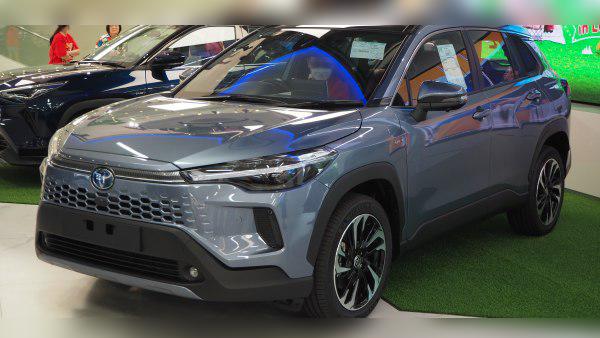
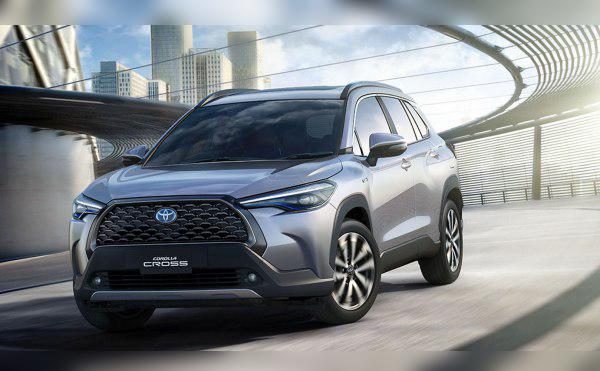
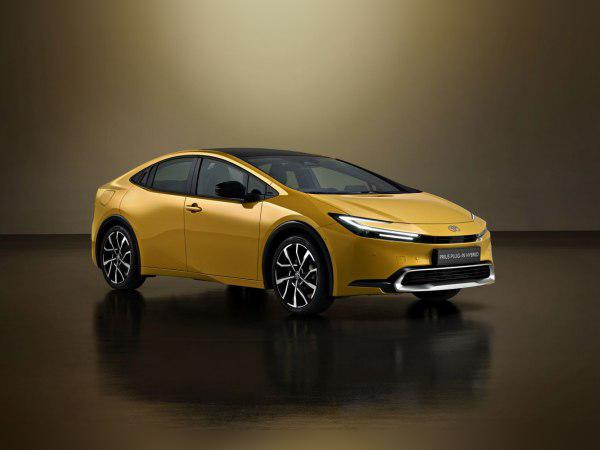
# Vehicles powered by this engine
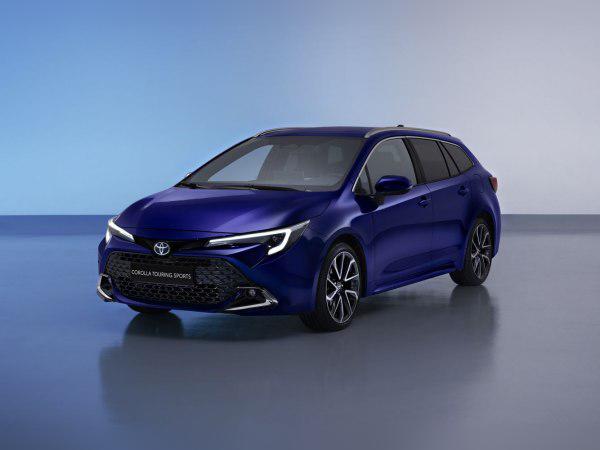
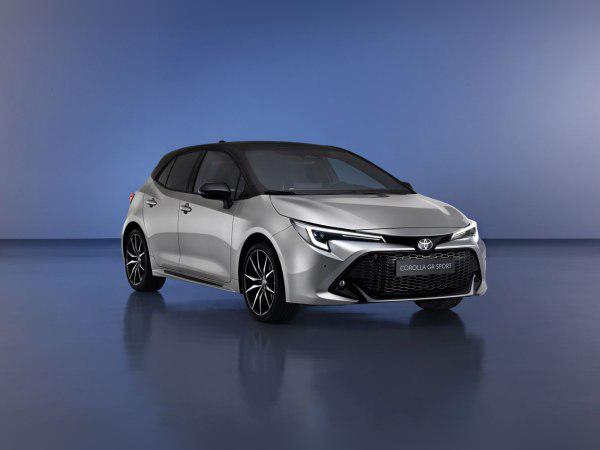
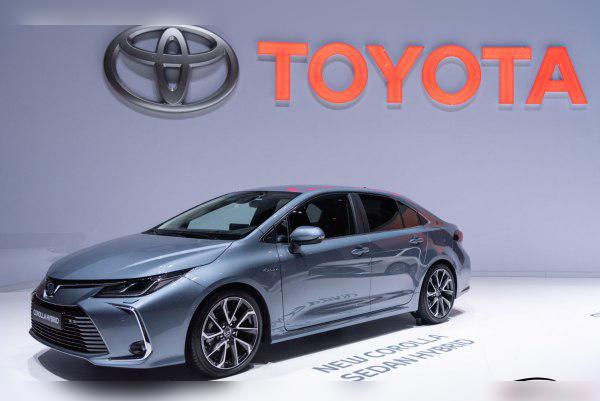
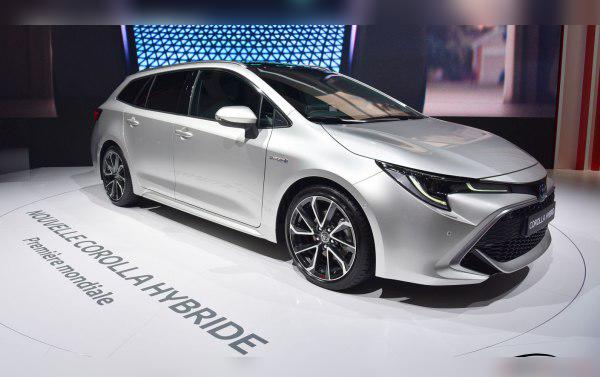

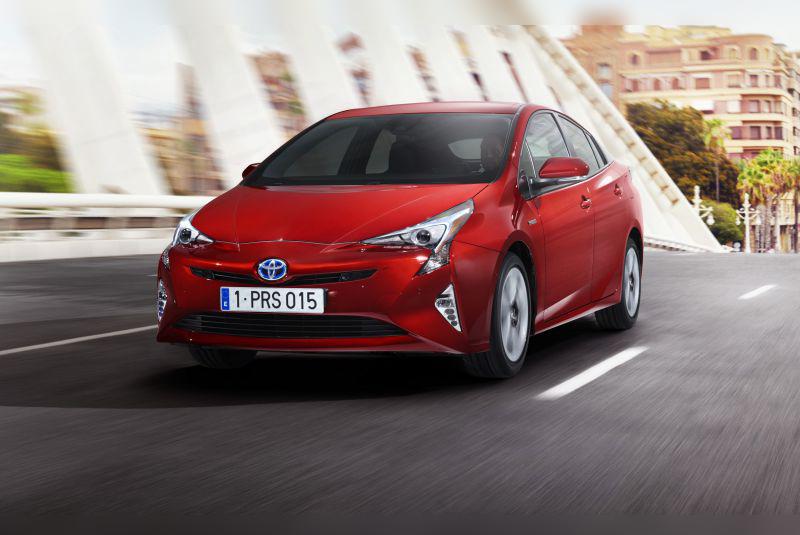
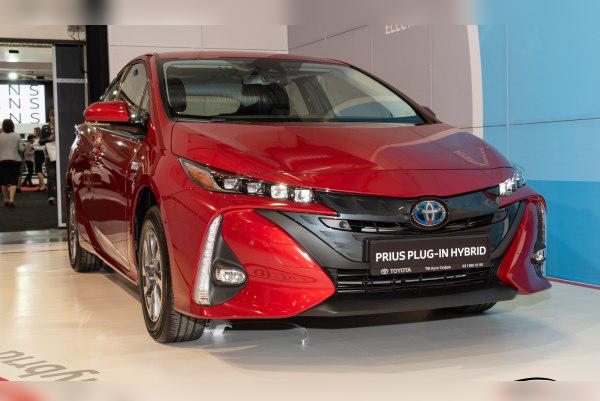
Overview of the Toyota 2ZR-FXE (1.8 Hybrid) Engine: Real-World Experience, Issues and Maintenance
Key points in short (TL;DR)
- Tank-like reliability: This is one of the most reliable engines today, capable of covering over 400,000 km without being opened, with regular maintenance.
- No expensive peripherals: The engine has no turbo, no dual-mass flywheel, no conventional starter motor, no alternator and no accessory belts (everything is electric).
- City fuel consumption is ridiculous: It is the king of efficiency in the city, but on the highway consumption goes up and it becomes noisy.
- Achilles heel – EGR system: Clogging of the EGR cooler and valve is the main cause of more serious failures (head gasket).
- The gearbox is virtually eternal: The e-CVT is not a classic belt CVT, but a planetary gearset that rarely fails.
- Not for racing: Performance is sufficient for normal driving, but the “slipping clutch” feel (due to the e-CVT) can irritate drivers used to diesels.
Contents
- Technical specifications
- Reliability and maintenance
- Most common faults and issues
- Specific parts and costs
- Fuel consumption and performance
- LPG and modifications
- Gearbox (e-CVT)
- Used car tips and conclusion
The Toyota 1.8 Hybrid (engine code 2ZR-FXE) is probably the most widespread hybrid powertrain on the planet. It is installed in everything from the legendary Toyota Prius, through bestsellers like the Corolla and C-HR, to the Lexus CT and Suzuki Swace. This engine operates on the Atkinson cycle, which means it sacrifices raw power for extreme efficiency, and the lack of power is compensated by the electric motor. For drivers looking for a “fill up and drive” type of car, this is often the first choice, but it is not without specific characteristics you should know before buying.
Technical specifications
| Parameter | Data |
|---|---|
| Engine displacement | 1798 cc |
| Power (petrol engine) | 72 kW (98 hp) |
| Total system power | 122 hp or 140 hp (depending on hybrid system generation) |
| Torque (petrol) | 142 Nm at 3600 rpm |
| Engine code | 2ZR-FXE |
| Injection type | Multipoint (indirect injection) |
| Aspiration | Naturally aspirated (no turbo) |
Reliability and maintenance
When we talk about the 2ZR-FXE engine, we are talking about a power unit designed to last. Since the hybrid system often shuts the petrol engine off in city traffic, this engine actually has fewer operating hours than a conventional petrol engine at the same mileage.
Timing: chain or belt?
This engine uses a single-row timing chain. The chain is extremely high quality and in practice does not require replacement during the entire service life of the vehicle, unless a specific rattling noise appears at very high mileage (over 300,000 km). There is no prescribed replacement interval; it is changed based on condition.
Service intervals and oil
An oil service is recommended every 15,000 km or one year (whichever comes first). For European conditions and harsher use (a lot of city driving), it is advisable to shorten this to 10,000 km.
Oil quantity and grade: The engine takes about 4.2 litres of oil (with filter). The recommended grade is strictly 0W-20 (and even 0W-16 on the latest models). This thin oil is crucial because the hybrid engine is frequently starting and stopping, so the oil must lubricate components instantly, even on a cold start. Using thicker oils (e.g. 10W-40) is strictly forbidden and can damage the VVT-i system.
Oil consumption
Older versions (before 2014/2015) were known to consume oil due to poorer piston rings. However, in the models from your list (C-HR, Corolla E210, Prius IV), this issue has been resolved. Consumption of up to 0.5 litres per 10,000 km is acceptable, but most owners do not notice any consumption between services. If it uses more, this points to a problem with the piston rings or the PCV valve.
Spark plugs and injectors
Since it is a petrol engine, there are no high-pressure injectors that fail like on diesels. The injectors are conventional (port injection) and rarely cause problems. Spark plugs: Iridium spark plugs are used. The factory replacement interval is 90,000 km. Do not try to save money here; buy original Denso or NGK iridium plugs, because access can sometimes be more complicated due to plastic covers under the wipers (on some models).
Most common faults and issues
Although reliable, the 2ZR-FXE is not indestructible. Here is what drivers need to know:
1. EGR system and head gasket
This is the most important point. The EGR valve and EGR cooler gradually clog up with soot. Symptoms are slight hesitation under acceleration or a check-engine light. If the EGR cooler becomes completely clogged, local overheating occurs in the cylinder head (even though the temperature gauge shows normal). Over time this leads to a blown head gasket. This is an expensive repair. Prevention: Clean the EGR system (pipes, valve and cooler) every 100,000–150,000 km.
2. Electric water pump
This engine has no belts. The water pump is electric. If it fails, cooling stops. Fortunately, the car will warn you with an error message before it actually overheats. The typical lifespan of the pump is around 150,000–200,000 km. Replacement is not cheap, but it is straightforward. (The price depends on the market, but it is among the more expensive parts.)
Specific parts (costs)
This is where Toyota shines. The design is simplified by eliminating problematic components.
- Dual-mass flywheel: NONE. Instead, there is a “damper plate” with springs between the engine and gearbox. It rarely fails, and even if it does, it is much cheaper than a dual-mass flywheel.
- Turbocharger: NONE. The engine is naturally aspirated, which means one less worry. There is no turbo that can start “whistling” or burning oil.
- Fuel injection system: It uses EFI (Electronic Fuel Injection) into the intake manifold (port injection). This is great news because such engines do not suffer from carbon buildup on the intake valves, which is a common problem on modern direct-injection petrol engines. Injectors are cheap and durable.
- DPF / FAP: NONE. This is a petrol engine. However, newer models (Euro 6d-TEMP, roughly from 2018/2019 onwards, e.g. Corolla E210) have a GPF (Gasoline Particulate Filter). Unlike diesels, GPFs on petrol engines regenerate much more easily and quickly due to higher exhaust gas temperatures and rarely cause problems in city driving.
- AdBlue: NONE. AdBlue is used only on diesel engines.
Fuel consumption and performance
City driving – its natural habitat
In the city this system is unbeatable. Thanks to regenerative braking, real-world fuel consumption in heavy traffic ranges between 3.5 and 5.0 l/100 km. The heavier the traffic, the more efficient the hybrid is compared to conventional cars.
Motorway and “laziness”
On open roads the situation changes. At 130 km/h the electric motor does not help much, so the 1.8 petrol engine carries the full load.
- Motorway consumption: Expect between 6.0 and 7.5 l/100 km at 130 km/h.
- Revs: Due to the e-CVT gearbox, there are no fixed revs. On level ground at 130 km/h the engine will spin relatively low, but on every incline the revs jump high (4000+ rpm) and the engine becomes noisy (the “blender” effect).
- Is it sluggish? The 122 hp version is adequate for the city, but on the motorway it requires patience when overtaking. The 140 hp version (newer, used in facelifted models and the Corolla Cross) has a stronger battery and more powerful electric motor, so throttle response is significantly better and the car feels livelier. For body styles like the Corolla Touring Sports or C-HR, the 140 hp version is a much better choice if you travel often.
Additional options and modifications
LPG conversion
Yes, it is possible. Since the engine has indirect injection, installing LPG is technically simple and cheaper than on direct-injection engines. Many taxi drivers run these hybrids on LPG. But does it make sense? Considering that the hybrid already uses about 4 litres of petrol per 100 km in the city, the payback period for an LPG system is long. You also have to be careful with boot space because the battery takes up part of it (depending on the model), so the LPG tank often goes in place of the spare wheel if that space is available.
Chip tuning (Stage 1)
Forget about it. This is a naturally aspirated engine operating on the Atkinson cycle. With software remapping (Stage 1) you will gain practically nothing (maybe 2–3 hp), which is imperceptible. Anyone promising a significant power increase on this engine is misleading you. System power is limited by the battery capacity and inverter, not just the petrol engine.
Gearbox: e-CVT
This engine comes exclusively with an e-CVT gearbox. It is important to dispel a myth: this is NOT a conventional CVT with a belt and cones that tend to fail (as in some older Audis or Nissans).
Design: The e-CVT is actually a planetary gearset (Power Split Device) that connects the petrol engine and two electric motors (MG1 and MG2). There are no clutches, no belts, no hydraulic valve bodies that can clog. Mechanically it is almost indestructible.
Gearbox maintenance
Although Toyota often says the oil is “lifetime”, every fluid degrades over time. Recommendation: Change the gearbox oil every 60,000 to 90,000 km. It is a simple drain-and-fill procedure, costs little (it takes about 3–4 litres of Toyota WS oil), and significantly extends the life of the bearings inside the gearbox.
Gearbox failures
Failures are extremely rare. The only thing that can fail are the bearings inside the housing if the car is driven with old oil for hundreds of thousands of kilometres. The symptom is a grinding or whining noise that increases with speed. There is no clutch replacement cost – because there is no clutch!
Buying used and conclusion
Before buying, be sure to do a “Hybrid Health Check” at an authorised service centre or a hybrid specialist. This will tell you the condition of the high-voltage battery.
What to check on the spot:
- Cold start: Listen to the engine when it is cold. If you hear loud knocking for the first few seconds, this may indicate a problem with the intake manifold or, in the worst case, the head gasket (coolant in a cylinder).
- Vibrations: If the engine vibrates excessively when starting/stopping, the engine mounts may be worn or the EGR valve may be dirty.
- Inverter: Check whether the coolant for the inverter (separate reservoir, pink fluid) is circulating when the car is in “Ready” mode.
Conclusion: The Toyota 1.8 Hybrid (2ZR-FXE) is an ideal choice for drivers who cover a lot of kilometres in city and suburban driving. If you do not mind the specific sound under acceleration and you are not looking for sporty performance, you will get one of the highest-quality powertrains ever made. The 140 hp version (from 2022/23) is the “sweet spot” and eliminates most complaints about the sluggishness of the older version.
Was this content useful to you?
Your opinion helps us to improve the quality of the content.