2ZR-FXE Engine
- Engine
- 1798 cm3
- Aspiration
- Naturally aspirated engine
- Fuel
- Petrol / electricity
- Fuel injection system
- Multi-port manifold injection
- Power
- 99 hp @ 5200 rpm
- Torque
- 142 Nm @ 4000 rpm
- Cylinders
- 4
- Valves
- 16, 4 per cylinder
- Cylinders position
- Inline
- Valvetrain
- DOHC, VVT-i
- Oil capacity
- 4.2 l
- Coolant
- 6.5 l
- Systems
- Start & Stop System
# Vehicles powered by this engine

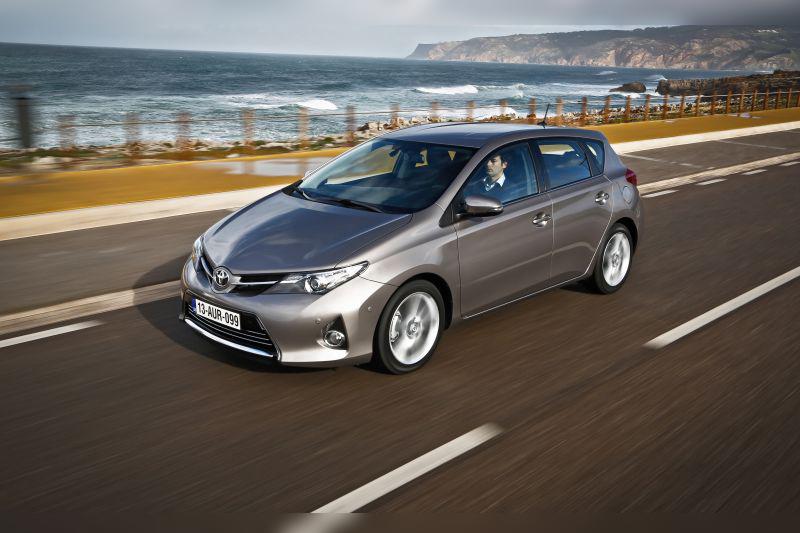
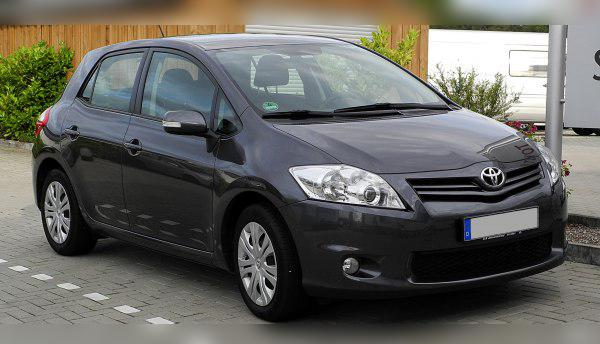
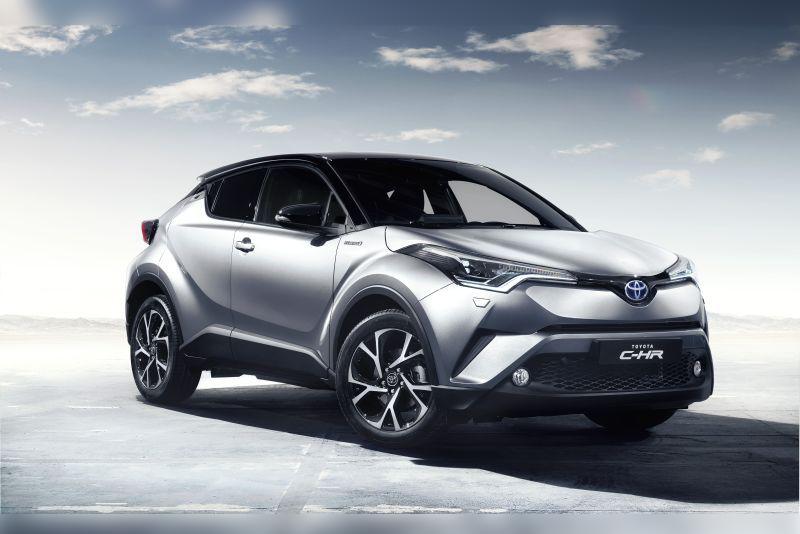
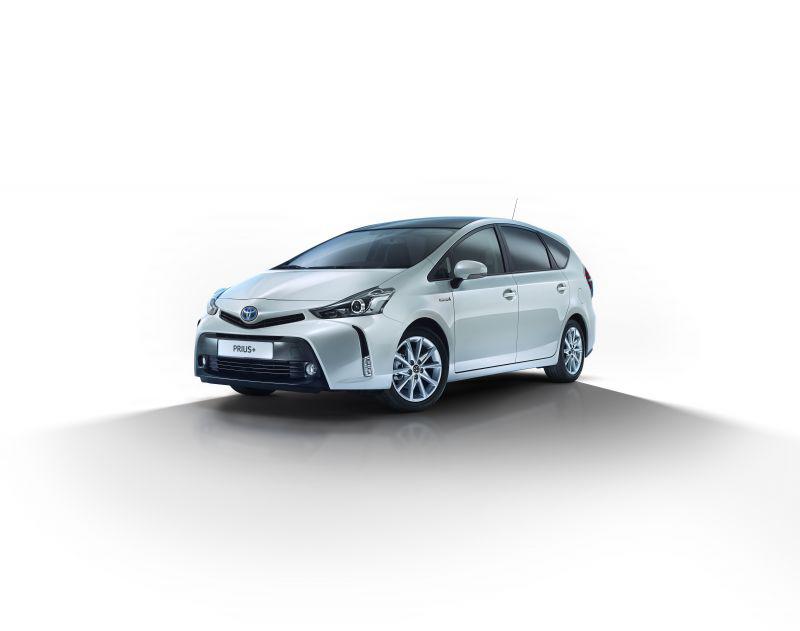
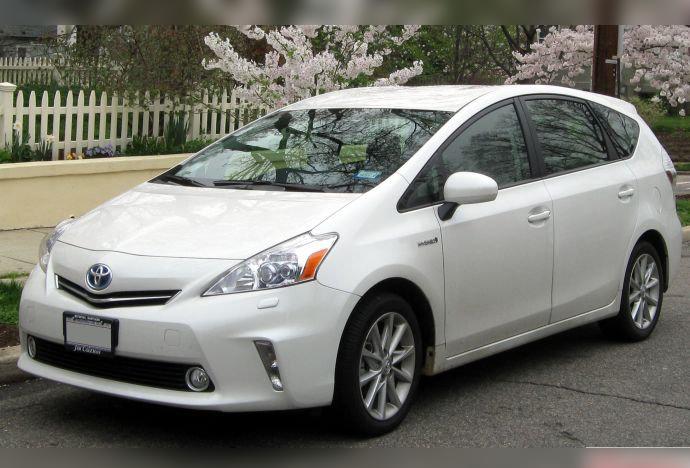
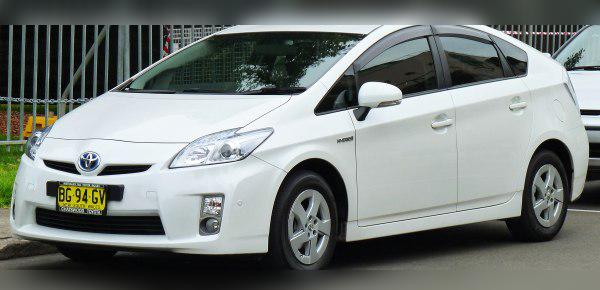
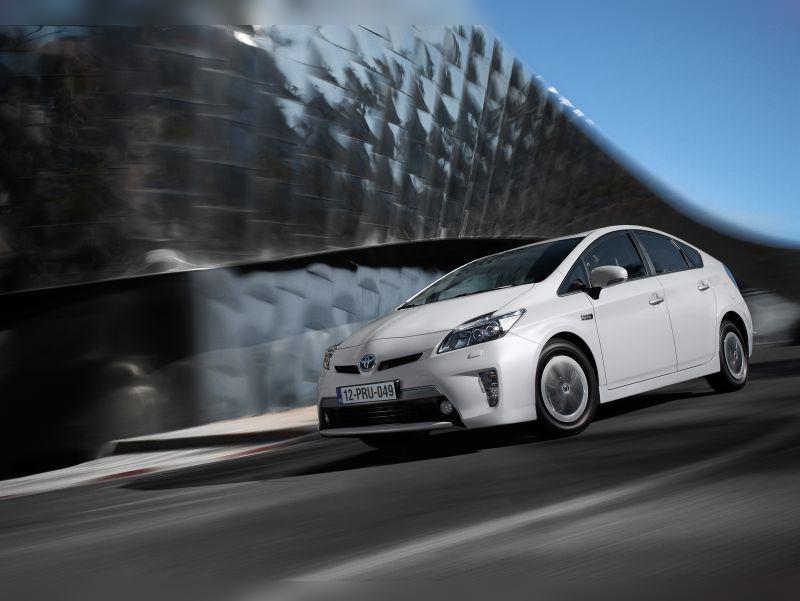
2ZR-FXE 1.8 HSD (136 hp / 122 hp) – Experiences, problems, fuel consumption and buying tips
Key points (TL;DR)
- Reliability: One of the most reliable petrol engines today, capable of exceeding 500,000 km with proper maintenance.
- EGR system: The biggest weakness. A clogged EGR valve and cooler can lead to overheating and a blown head gasket (especially on Prius 3 and Auris models before 2015).
- Transmission: Uses an e-CVT gearbox that is practically indestructible (no clutch, no belt, no dual-mass flywheel).
- Fuel consumption: King of city driving (4.0 – 5.5 l/100 km), but on the motorway it consumes significantly more and becomes noisy.
- Maintenance: No expensive components such as a turbo, dual-mass flywheel, (conventional) alternator or (conventional) starter.
- Recommendation: Ideal for city and taxi use, less ideal for frequent motorway trips at speeds above 130 km/h.
Contents
- Introduction and applications
- Technical specifications
- Reliability and maintenance
- Specific parts and costs
- Fuel consumption and performance
- Gearbox (e-CVT)
- Buying used and conclusion
Introduction and applications
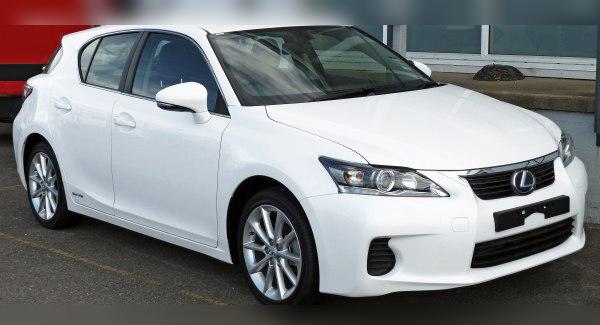
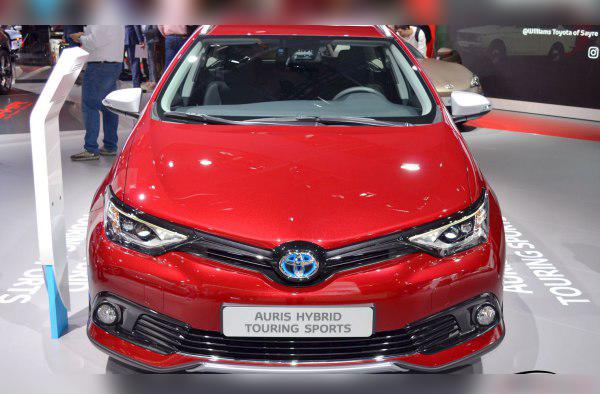
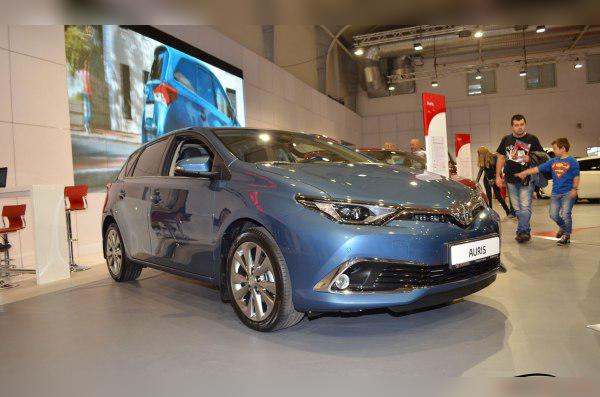
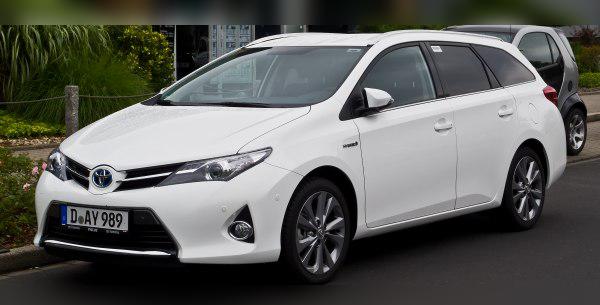
The 2ZR-FXE engine is at the heart of Toyota’s hybrid dominance. It is a 1.8‑liter petrol engine operating on the Atkinson cycle. This means raw power is sacrificed in favor of exceptional thermal efficiency. This engine never runs on its own; it is always paired with an electric motor as part of the HSD (Hybrid Synergy Drive) system. It is installed in legendary models such as the Toyota Prius, Toyota Auris, Toyota C-HR and Lexus CT200h.
Unlike conventional petrol engines, this one frequently shuts off and restarts while driving, which places specific demands on the lubrication and cooling systems. Although on paper it looks weak (only 99 hp from 1.8 liters), with the help of the electric motor the system delivers 136 hp (or 122 hp in newer versions such as the C-HR), which is more than sufficient for everyday use.
Technical specifications
| Parameter | Data |
|---|---|
| Engine code | 2ZR-FXE |
| Displacement | 1798 cc |
| Petrol engine power | 73 kW (99 hp) |
| Total system power | 100 kW (136 hp) or 90 kW (122 hp) – depends on model |
| Torque (petrol) | 142 Nm at 4000 rpm (+ electric motor torque) |
| Injection type | Multipoint (indirect injection into the intake manifold) |
| Induction | Naturally aspirated (no turbo) |
| Valve timing | DOHC, VVT-i, chain |
Reliability and maintenance
Does this engine have a timing belt or chain?
The 2ZR-FXE engine uses a timing chain. This is great news for owners because the chain on this engine is extremely durable. In practice, the chain often lasts as long as the engine itself and is rarely replaced before 300,000 km, unless the engine has been poorly maintained (infrequent oil changes). There is no scheduled replacement interval; it is replaced only if you can hear rattling.
What are the most common failures on this engine?
Although the engine is a “tank”, there is one critical point that every owner (especially of Prius III and early Auris models) needs to know about:
Clogged EGR system and blown head gasket: This is the most serious issue. The EGR valve and EGR cooler are prone to soot build-up. When the cooler clogs, exhaust gas flow is restricted, which leads to local overheating in the cylinders. Over time, this thermal stress causes a head gasket failure.
Symptoms: Strong knocking or shaking of the engine at the first cold start in the morning (lasts a few seconds and then stops), loss of coolant with no visible leaks. If you notice this “morning knocking”, go to a mechanic immediately – water has probably entered a cylinder.
Other minor issues include failures of the electric water pump (this engine has no belt-driven water pump; it is electric). If it fails, the engine overheats quickly.
At what mileage is the major service done?
A classic “major service” (replacement of timing belts and tensioners) does not exist here because the engine has a chain. However, there is a so‑called hybrid system service and peripheral checks. It is recommended to replace the spark plugs and change the coolant (for both the engine and the inverter) every 90,000 to 100,000 km. Preventive cleaning of the EGR system and intake manifold should also be done every 100,000 – 150,000 km to prevent the aforementioned head gasket failure.
How many liters of oil does this engine take and which grade is recommended?
The engine takes about 4.2 liters of engine oil (with filter). Viscosity is crucial: Only 0W-20 is recommended. Since the hybrid engine frequently starts and stops in winter while still cold, a low‑viscosity oil is essential for instant lubrication. Using thicker oil (e.g. 10W-40) can lead to increased fuel consumption and problems with the VVT-i system.
Does it consume oil between services?
On low‑ and medium‑mileage examples, oil consumption is negligible. However, pre‑facelift models (before 2014/2015) had a somewhat poorer design of the oil control rings. At mileages above 200,000 km, oil consumption of 0.5 to 1 liter per 10,000 km may appear. If oil is changed every 15,000 km (the factory interval), it is advisable to shorten it to 10,000 km, because long intervals contribute to ring sticking.
At what mileage are the spark plugs replaced?
The spark plugs are iridium and are replaced every 90,000 km. Do not skimp on them, because bad plugs put extra strain on the coils (one per cylinder).
Specific parts (costs)
Does the engine have a dual-mass flywheel?
No. This is one of the biggest advantages of this powertrain. The engine has no dual-mass flywheel, no clutch kit, and not even a conventional starter (it is started by the powerful high‑voltage electric motor MG1). This means the cost of replacing the clutch and flywheel is zero.
What kind of injection system does it have and are the injectors problematic?
It uses classic indirect (port) injection into the intake manifold. This system is very robust and tolerant of somewhat poorer fuel quality. The injectors are extremely durable and rarely cause problems before very high mileages. There are no expensive high‑pressure pumps as with direct injection.
Does the engine have a turbocharger?
No, the engine is naturally aspirated. There is no turbo, no intercooler, and no issues with “whistling” turbos or their overhaul.
Does this model have a DPF filter or EGR valve?
Since it is a petrol engine, it has no DPF filter. Some newer models (after 2018/2019) may have a GPF (Gasoline Particulate Filter), but most of the models on the list do not. It does have an EGR valve and, as mentioned, it is a weak point. Cleaning it is cheaper than rebuilding the engine, so regular inspection is advised.
Fuel consumption and performance
What is the real fuel consumption in city driving?
In the city this engine is unbeatable. Thanks to regenerative braking and electric‑only driving at low speeds, real‑world consumption is between 4.0 and 5.5 l/100 km. Even in the worst stop‑and‑go rush hour traffic, it is hard to push it over 6 liters. In winter, consumption increases by about 1 liter because the engine has to run to heat the cabin.
Is this engine “sluggish” for the weight of the car?
On paper, 99 hp seems low for a car weighing around 1400 kg. However, the electric motor provides instant torque as soon as you touch the accelerator. Up to 50–60 km/h the car is very nippy and lively. The feeling of “sluggishness” appears only during aggressive overtaking on open roads or on climbs, when the engine revs high due to the CVT gearbox and produces a lot of noise, while acceleration does not follow that sound linearly.
What is the engine like on the motorway?
This is not where the 2ZR-FXE shines. At 130 km/h, the hybrid system helps less. Motorway consumption rises to 6.5 to 7.5 l/100 km (depending on wind and terrain). Sound insulation on older Auris and Prius models is average, so the engine can be noisy on long climbs. Cruising is comfortable, but overtaking at 130 km/h requires planning.
Additional options and modifications
Is this engine suitable for LPG (autogas) conversion?
Technically – yes, because it has indirect injection. But the question is whether it pays off. The engine uses very little petrol, and LPG installation is more complex because the system has to support the hybrid “start‑stop” operating mode (the engine shuts off hundreds of times a day). An experienced installer and a high‑quality system that can follow the hybrid cycle are required. Most owners do not install LPG because the savings are small compared to the risk and installation cost.
How much can this engine be safely “chipped” (Stage 1)?
Normally aspirated engines do not respond well to chipping with noticeable results. Any gain would be 3–5 hp at best, which is imperceptible. Tuning the hybrid system is risky and can damage the battery and inverter. It is not recommended.
Gearbox: e-CVT
Which gearboxes are used?
Only the e-CVT (Electronic Continuously Variable Transmission) is used. It is important to note: this is not a conventional CVT with a belt and cones that often fails on other manufacturers’ cars. This is a PSD (Power Split Device) – a planetary gear system that connects the petrol engine and two electric motors. Mechanically it is ingenious and simple.
What are the most common e-CVT failures?
Mechanical failures are extremely rare, almost non‑existent. There are no clutches to wear out, no belt to snap. Failures are usually related to electronics (inverter), but the gearbox itself (gears) is virtually indestructible.
Gearbox maintenance?
Toyota often states that the gearbox oil is “lifetime”. Experienced mechanics disagree. It is recommended to change the oil (Toyota ATF WS) every 60,000 to 90,000 km. The change is simple (drain‑and‑fill), inexpensive, and significantly extends the life of the bearings and gears.
Buying used and conclusion
When buying a used car with the 2ZR-FXE engine, pay attention to the following:
- Cold start: Insist that the engine be completely cold. Listen carefully during the first 10–15 seconds of operation. If you hear strong knocking and metallic noise, walk away – this is a sign of EGR‑related issues and potentially a bent conrod or blown head gasket.
- Hybrid battery: Do a “Hybrid Health Check”. Batteries usually last 10–15 years, but replacement is expensive (cost depends on the market, but it is a major item).
- Service history: Check whether the oil has been changed on time. Thick, black oil kills this engine faster than others.
Conclusion:
The 2ZR-FXE engine is probably the most rational choice for drivers who cover a lot of kilometers in city conditions. Its reliability is legendary, and maintenance costs are laughable compared to modern diesels (no DPF, flywheel, turbo, injectors). If you can live with the specific feel of the accelerator pedal (engine “droning”) and you do not spend your life on the German Autobahn at 160 km/h, this is an engine that will serve you faithfully for many years.
Was this content useful to you?
Your opinion helps us to improve the quality of the content.