CHZJ Engine
- Engine
- 999 cm3
- Aspiration
- Turbocharger, Intercooler
- Fuel
- Petrol (Gasoline)
- Fuel injection system
- Direct injection
- Power
- 116 hp @ 5500 rpm
- Torque
- 200 Nm
- Cylinders
- 3
- Valves
- 12, 4 per cylinder
- Cylinders position
- Inline
- Oil capacity
- 4 l
- Coolant
- 8 l
# Vehicles powered by this engine

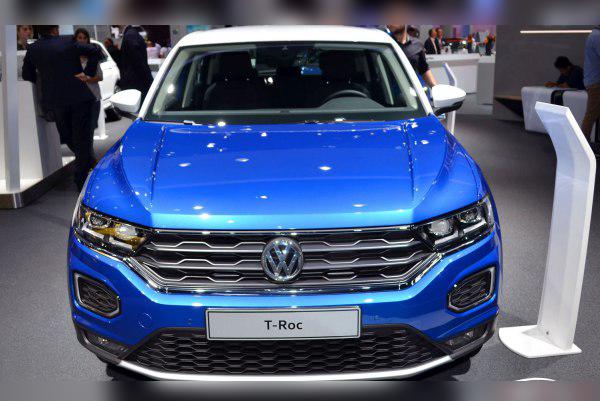
CHZJ 1.0 TSI / TFSI (116 HP) – Experiences, problems, fuel consumption and buying used
Key points (TL;DR)
- Elasticity: Although it has only three cylinders, 200 Nm of torque makes it surprisingly lively in the city.
- Timing drive: Uses a timing belt (not a chain), which solved the issues of older TSI engine generations.
- Dual-mass flywheel: Yes, this 116 HP version mostly has it, which is a potential expense.
- Gearbox: Paired either with a reliable manual or with a DSG (DQ200) gearbox that requires caution when buying used.
- Fuel consumption: Very economical if driven moderately, but sensitive to hard use in SUV bodies (T-Roc, Q2).
- Recommendation: An excellent choice for those who spend most of their time in the city and on country roads, and want modern performance.
Contents
- Introduction and engine applications
- Technical specifications
- Reliability and maintenance
- Specific parts and costs
- Fuel consumption and performance
- Additional options and modifications
- Gearbox (manual and DSG)
- Buying used and conclusion
Introduction and engine applications
The engine with the code CHZJ belongs to Volkswagen Group’s EA211 family and represents the “sweet spot” in the world of small turbocharged petrol engines. It is a 1.0‑liter three‑cylinder that produces 116 horsepower. Although many drivers are skeptical about an engine “the size of a carton of milk” in vehicles such as the Audi Q2 or VW T-Roc, this engine proves that modern technology can make up for displacement.
This unit replaced older generations that had timing chain issues, bringing smoother operation (as much as possible for a three‑cylinder) and better reliability. Its main role is to replace older naturally aspirated 1.6 engines and even 1.2 TSI units, offering better torque and lower emissions.
Technical specifications
| Characteristic | Data |
|---|---|
| Engine code | CHZJ |
| Displacement | 999 cc (1.0 L) |
| Configuration | Inline, 3 cylinders, 12 valves |
| Power | 85 kW (116 HP) at 5000–5500 rpm |
| Torque | 200 Nm at 2000–3500 rpm |
| Injection system | Direct injection (TSI / TFSI) |
| Forced induction | Turbocharger + intercooler |
| Timing drive | Timing belt |
| Emissions standard | Euro 6 (usually with GPF filter) |
Reliability and maintenance
When it comes to maintaining the CHZJ engine, the good news is that the Volkswagen Group has learned from past mistakes. Here are the key points that interest every owner or potential buyer:
Timing drive: belt or chain?
This engine uses a timing belt. This is a big advantage compared to older EA111 engines that had problematic chains. In this design, the belt is quieter and more reliable. The factory’s recommended replacement interval is often an optimistic 210,000 km or 10 years, but workshop experience suggests that the major service should be done between 150,000 km and 180,000 km, or every 6 to 7 years, for safety.
Most common failures
Although robust, the engine is not without flaws:
- Water pump and thermostat housing: This is the most common “weak point”. The housing is plastic and prone to cracking or deforming due to heat cycles, which leads to coolant leaks. If you notice the coolant level dropping, this is the first suspect.
- Carbon build-up: Because of direct injection, the valves are not “washed” by fuel. Over time, carbon builds up on the intake valves, which can cause rough running and power loss at higher mileage.
- Turbo actuator: Sometimes you can hear rattling or experience the actuator lever sticking, which results in the “Check Engine” light coming on and loss of power (limp mode).
Oil and spark plugs
The engine takes approximately 4.0 liters of engine oil. The recommended grade is usually 0W-20 (VW 508.00 standard) for newer model years for better efficiency, or 5W-30 (VW 504.00) for slightly older versions or hotter climates. Always check the sticker under the bonnet or the owner’s manual.
As for oil consumption, EA211 engines are significantly better than their predecessors. Consumption of up to 0.5 liters per 10,000 km is considered perfectly acceptable. If it uses more than 0.5 liters per 1,000 km, that points to an issue with piston rings or the turbo, but that is not a typical characteristic of this engine if it is healthy.
Spark plugs are iridium and long‑lasting, but since the engine has three cylinders and runs under higher load, it is recommended to replace them every 60,000 km or 4 years. Bad spark plugs can quickly damage the ignition coils.
Specific parts and costs
Dual-mass flywheel
Yes, the CHZJ version with 116 HP (200 Nm) mostly has a dual‑mass flywheel. Weaker versions (95 HP) usually don’t. The dual‑mass flywheel is necessary here to absorb the vibrations of the three‑cylinder engine and protect the gearbox. Its lifespan depends on driving style, but expect replacement at around 150,000–200,000 km. The cost of replacing the clutch kit with flywheel falls into the expensive category (depends on the market).
Injection system and injectors
The system is high‑pressure (direct injection). Injectors are generally reliable but sensitive to poor fuel quality. Symptoms of problems are “stuttering” while driving or harder first start. They are not prone to mass failures like old diesels, but replacement is expensive.
Turbocharger
The engine has a single turbocharger with an intercooler (water‑cooled in the intake manifold on some versions). The turbo is small, spools up quickly (reduced turbo lag) and is generally durable if the oil is changed regularly. It is not a consumable item like on some older diesels.
DPF / GPF / EGR / AdBlue
Since this is a petrol engine, it does not use AdBlue (that’s for diesels). However, modern CHZJ engines (Euro 6d‑TEMP and newer) are equipped with a GPF (Gasoline Particulate Filter), which is the petrol equivalent of a DPF. It rarely clogs because petrol engines reach higher exhaust gas temperatures, but issues are possible if the car is driven exclusively on short trips in winter. There is an EGR valve for exhaust gas recirculation; it can get dirty, but is often successfully cleaned.
Fuel consumption and performance
This is where the 1.0 TSI shines, but only under certain conditions.
- City driving: Real‑world consumption in heavier bodies such as the Q2 or T‑Roc is between 7.0 and 8.5 l/100 km. Stop‑and‑go traffic raises consumption because the turbo often has to kick in to move the vehicle’s mass.
- Country roads: Here the engine is at its most economical and can easily bring consumption down to 4.5–5.5 l/100 km.
- Motorway: At 130 km/h, the engine spins at about 2,800 to 3,000 rpm (depending on the gearbox). Consumption is then around 6.5–7.5 l/100 km.
Is the engine “lazy”? Absolutely not. With 200 Nm of torque available from just 2,000 rpm, the car pulls very convincingly. In the city it is agile. Lack of power is noticeable only when the car is fully loaded with passengers and luggage on an uphill stretch at high motorway speeds. For the average driver, the power is more than sufficient.
Additional options and modifications
LPG conversion
Since the engine uses direct injection, LPG conversion is complex and expensive. A special system is needed (“Direct Liquid Max” or a system that also uses a bit of petrol to cool the injectors). Given the relatively low petrol consumption, the cost‑effectiveness of LPG is questionable unless you drive more than 30,000 km per year.
Chiptuning (Stage 1)
This engine responds very well to a mild power increase. With a Stage 1 remap you can safely get about 130–140 HP and increase torque to around 230–240 Nm. However, you should be careful with the gearbox and clutch, as the increased torque shortens their lifespan.
Gearbox (manual and automatic)
This engine comes with two transmission options:
- Manual gearbox (6‑speed): Usually designated MQ200. Very precise, light to shift. Failures are rare and mostly limited to regular clutch kit replacement. The gearbox oil is “lifetime”, but it is recommended to change it every 100,000 km for smoother shifting.
- DSG automatic gearbox (7‑speed): Here we have the infamous DQ200 with a dry clutch.
- Problems: This is a more sensitive gearbox. The most common failures are worn clutch packs and mechatronic unit issues. Symptoms include juddering when taking off, hesitation when changing gears or metallic noises.
- Maintenance: Although VW says the oil is “sealed for life”, there are two separate types of oil in the mechatronic unit and in the gearbox itself. Workshops recommend inspection and replacement every 60,000–80,000 km.
- Costs: Repairing the mechatronic unit or replacing the clutch on the DQ200 is very expensive (depends on the market).
Buying used and conclusion
If you are planning to buy a used Audi Q2 or VW T‑Roc with the CHZJ engine, pay attention to the following:
- Noise on cold start: The engine will run a bit louder for the first 30 seconds (catalyst warm‑up), but there should be no metallic rattling or knocking.
- Coolant traces: Inspect the engine bay around the water pump (passenger side). Pink, crusty deposits are a sign of leakage.
- Test drive (DSG): If it’s an automatic, test hill starts without throttle and sudden acceleration. Any jerking is a red flag.
- Service history: Check whether the spark plugs were replaced on time and which oil was used.
Conclusion: The 1.0 TSI (CHZJ) with 116 HP is an excellent engine for the modern era. It offers a great balance between performance and running costs. It is ideal for those who want a modern crossover for city driving and occasional trips, without high registration and fuel costs. If you have a choice, the manual gearbox is the safer (cheaper) option on the used market, while the DSG offers more comfort but requires a budget for potential repairs.
Was this content useful to you?
Your opinion helps us to improve the quality of the content.