BHE15-BFZ Engine
- Engine
- 1499 cm3
- Aspiration
- Turbocharger, Intercooler
- Fuel
- Petrol / electricity
- Fuel injection system
- Direct injection
- Power
- 163 hp @ 5500 rpm
- Torque
- 255 Nm @ 2500-4000 rpm
- Cylinders
- 4
- Valves
- 16, 4 per cylinder
- Cylinders position
- Inline
- Max engine speed
- 5700 rpm
- Valvetrain
- DOHC
# Vehicles powered by this engine
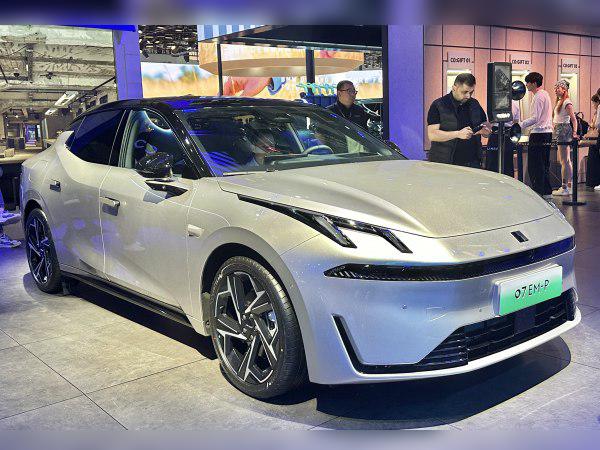
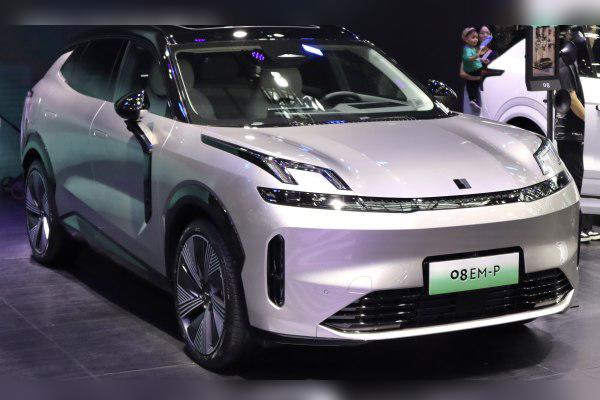
BHE15-BFZ 1.5TD Hybrid: Experiences, Issues, Fuel Consumption and Maintenance
If you’re considering newer models from the Geely group, especially the Lynk & Co brand, you’ve surely come across the BHE15-BFZ code. This is not the old three-cylinder engine you might know from earlier Volvo or Geely models. This is a completely new generation four-cylinder engine, developed specifically for hybrid (PHEV) systems, known as part of the “NordThor” family.
It is a technological gem that combines thermal efficiency of over 44% with the huge power of electric motors. But is this complex machinery reliable once the warranty expires, and what awaits you at the workshop? Let’s take a look under the hood.
Key points in short (TL;DR)
- Biggest advantage: This is a 4-cylinder engine, which means it is much smoother and more refined than the old 1.5 three-cylinders.
- Drive system: The engine works in tandem with the electric system; it is rarely under full load, which extends its service life.
- Timing drive: Uses a chain, not a timing belt, which is a big plus for maintenance.
- Fuel consumption: When the battery is empty, expect around 6.5–8 liters per 100 km, which is excellent for vehicles weighing over 2 tons.
- Complexity: This is part of a plug-in hybrid system with a complicated 3-speed DHT gearbox. Maintenance outside an authorized service center is almost impossible.
- GPF filter: Sensitive to short trips if the engine is frequently started and stopped while still cold.
- Recommendation: Ideal for those who can charge the battery at home, but still want power and range for long trips without range anxiety.
Contents
- Technical specifications
- Reliability and maintenance
- Specific parts and costs
- Fuel consumption and performance
- Transmission (DHT Evo)
- Buying used and conclusion
Introduction: The heart of a modern hybrid
The BHE15-BFZ engine is a 1.5-liter turbo petrol unit that serves as the basis for the Lynk & Co EM-P (E-Motive) powertrain system. It is installed in models such as the Lynk & Co 07 and 08. Its role is twofold: to drive the wheels directly at higher speeds and to work as a generator that charges the battery for the powerful electric motors.
Unlike many competitors who simply “drop in” an existing engine into a hybrid, this unit was designed from scratch to operate on the Miller combustion cycle, sacrificing a bit of raw power (at lower revs) in favor of extreme efficiency, because the electric motors smooth out all the shortcomings.
Technical specifications
| Feature | Data |
|---|---|
| Engine code | BHE15-BFZ |
| Displacement | 1499 cc (1.5 l) |
| Configuration | Inline, 4 cylinders, 16 valves |
| Power (ICE only) | 120 kW (163 hp) |
| Torque (ICE only) | 255 Nm |
| Total system power | 381 hp – 593 hp (depending on the number of electric motors) |
| Charging method | Turbocharger + intercooler |
| Fuel injection | Direct injection (GDI – 350 bar) |
| Camshaft drive | Chain |
Reliability and maintenance
Timing system: Chain or belt?
Good news for owners: the BHE15-BFZ uses a timing chain. When moving from the older generation of three-cylinders (which often used a timing belt) to this new four-cylinder series, Geely switched to a chain. This is crucial for hybrid vehicles, because the engine undergoes a large number of starts and stops while driving. The chain is designed to last the “lifetime of the vehicle”, but in practice that means an inspection at around 200,000 km. Rattling at cold start is the first warning sign.
Most common failures
Since this is a relatively new engine, catastrophic failures are not common, but there are some specifics:
- GPF (Gasoline Particulate Filter) issues: If you constantly drive in hybrid mode on short trips, the engine never gets hot enough to burn off the soot in the filter. The symptom is a warning light on the dashboard and a message to continue driving to complete regeneration.
- Fuel pressure sensors: The high-pressure system (350 bar) is sensitive. Problems manifest as uneven running or difficult starting of the ICE engine.
- Cooling system electronics: This engine has a very complex cooling system (for the engine, turbo, intercooler and hybrid system). Failures of the electric water pumps are not unheard of.
Minor and major service
Minor service is performed every 15,000 km or once a year (whichever comes first). With hybrids this can be misleading – you may have driven 15,000 km, but the engine itself has only run for 5,000 km. Still, the oil degrades over time and due to condensation, so replacement is mandatory.
Major service (chain inspection, replacement of the auxiliary drive belt, replacement of the water pump if it is mechanical) is usually recommended at around 120,000 to 150,000 km, or after 6–7 years.
Oil and oil consumption
This engine takes approximately 5.2 to 5.6 liters of oil (depending on the exact oil pan and oil cooler). The recommended grade is strictly 0W-20 (specification VCC RBS0-2AE or a newer Geely spec). Due to the thin oil and turbocharger, oil consumption of up to 0.5 liters per 10,000 km is considered acceptable, especially if the car is often driven on the highway. If it consumes more than that, first check the turbocharger and the PCV valve (breather).
Spark plugs
Although it’s a hybrid, the engine uses direct injection, which dirties the spark plugs. The recommendation is to replace them every 40,000 to 60,000 km. Only high-quality iridium spark plugs should be used. Symptoms of bad plugs are “jerking” when switching from electric to petrol drive.
Specific parts (costs)
Dual-mass flywheel and clutch
This is a trick question for this model. It does not have a conventional dual-mass flywheel nor a classic clutch like manual transmissions. Instead, it uses a system inside the DHT (Dedicated Hybrid Transmission) gearbox that has integrated dampers (vibration absorbers) and a clutch pack that connects/disconnects the engine from the wheels/generator. These parts are generally long-lasting because the electric motor absorbs the “shocks” when moving off, but if a failure does occur, repairs are very expensive (often the entire transmission assembly is replaced).
Fuel injection system and injectors
It uses the latest GDI direct injection at 350 bar. The injectors are precise but sensitive to poor fuel quality. They are not as failure-prone as diesel injectors, but may require cleaning (ultrasonic) at higher mileage if you notice a loss of power. The price of a single injector is high (expensive – depends on the market).
Turbocharger and service life
The engine has a single low-inertia turbocharger (quick response). Since the engine often runs in an optimal regime (the electric system assists during acceleration), the turbo is less stressed than on conventional petrol engines. The expected service life is over 200,000 km with regular oil changes. Whistling or blue smoke are signs of the end.
Emissions systems (DPF/GPF, EGR)
As a petrol engine, it has no DPF, but it does have a GPF (gasoline particulate filter). Unlike diesel DPFs, GPFs regenerate more easily (higher exhaust temperatures on petrol engines), but short trips are still their enemy. The EGR valve is present and water-cooled. EGR clogging manifests as jerking at light throttle.
AdBlue: No, this is a petrol engine and does not have an AdBlue system.
Fuel consumption and performance
City driving
If you have a full battery, fuel consumption is 0 liters. If you drive with an empty battery (HEV mode), the Lynk & Co 08 with this engine in the city uses a realistic 5.5–7 liters/100 km. This is a phenomenal result for an SUV weighing over 2.2 tons, thanks to energy recuperation.
Is the engine “lazy”?
Absolutely not. The engine alone has 163 hp, which would be “on the limit” for this weight, but with the help of the electric motors the system delivers from 381 hp up to 593 hp in the most powerful version. The driving feel is like a sports car – instant throttle response. Even when the battery is “empty”, the system always keeps a reserve (buffer) for acceleration.
Highway and cruising
This is where the BHE15-BFZ performs better than older hybrids. Thanks to the 3-speed DHT gearbox, the engine doesn’t scream at high speeds. At 130 km/h, the engine runs at relatively low revs (in the highest gear), and fuel consumption is around 7.5–9 liters/100 km (empty battery). Sound insulation is usually excellent, so the engine is barely audible.
Additional options and modifications
LPG conversion
Forget about it. The engine has direct injection, which requires an expensive LPG system, and the complexity of the hybrid system plus the lack of space (batteries are in the floor/trunk) make LPG installation uneconomical and risky. You would also lose your warranty immediately.
Chip tuning (Stage 1)
In theory, a turbo petrol engine can always be “chipped”. However, on Lynk & Co EM-P models, the engine is controlled by a complex ECU that communicates with the transmission and the battery. Chip tuning of the ICE engine is not recommended because an altered torque curve can confuse the hybrid controller or damage the DHT gearbox, which is calibrated for very specific parameters.
Transmission: DHT Evo
Type of transmission
This engine comes exclusively with the 3-speed DHT (Dedicated Hybrid Transmission) Pro/Evo. This is neither a CVT nor a conventional automatic. It is a transmission that allows the engine to drive the wheels directly in three different gear ratios (for city, country roads, highway), while at the same time integrating two electric motors.
Failures and maintenance
The biggest enemies of this transmission are overheating (if cooling fails) and old oil. The oil in the transmission is specific (electrically conductive or insulating, depending on the section) and must be changed every 60,000 to 90,000 km (check the exact service interval in the service booklet, as it varies by production year). The cost of replacement is high (very expensive) because it requires special fluids and diagnostics.
Buying used and conclusion
Buying a used Lynk & Co model with the BHE15-BFZ engine requires you to focus more on the electronics and the battery than on the engine itself.
What to check before buying?
- Chain rattle at cold start: The engine must run quietly as soon as it starts.
- Smoothness of transitions: The switch from electric to petrol drive must be almost imperceptible. Any jerk indicates a problem with the engine mounts or the DHT gearbox.
- Service history: Because of the (often long) warranty, these cars should have a complete history from an authorized service center. Without that – don’t buy.
- Condition of the 12V battery: It often fails on hybrids and causes “false” errors on the dashboard.
Conclusion: The BHE15-BFZ engine is an excellent, modern piece of engineering. It has corrected the main flaw of its predecessor (3-cylinder vibrations) and offers great performance. It is intended for drivers who want a tech-advanced car, have a place to charge it, but don’t want to be limited by range. It is not for those looking for cheap maintenance at the “corner garage”.
Was this content useful to you?
Your opinion helps us to improve the quality of the content.