EA888 / DJHA Engine
- Engine
- 1984 cm3
- Aspiration
- Turbocharger, Intercooler
- Fuel
- Petrol (Gasoline)
- Fuel injection system
- Direct injection and Multi-port manifold injection
- Power
- 310 hp
- Torque
- 400 Nm
- Cylinders
- 4
- Valves
- 16, 4 per cylinder
- Cylinders position
- Inline
- Valvetrain
- DOHC
- Oil capacity
- 5.7 l
- Coolant
- 10 l
- Systems
- Start & Stop System
# Vehicles powered by this engine
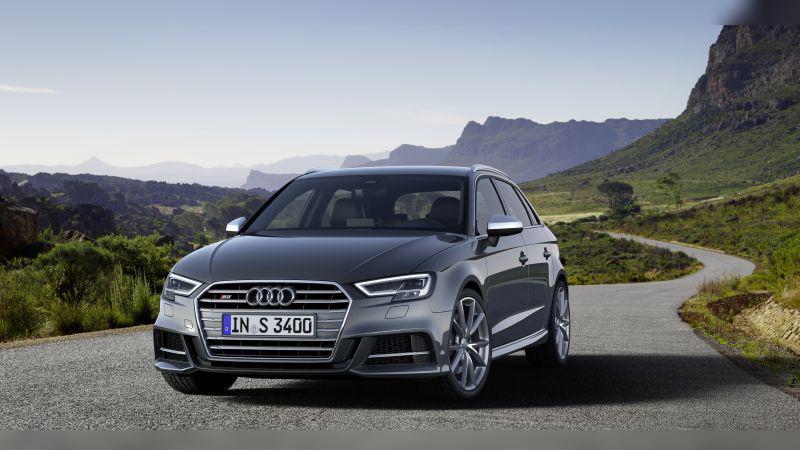
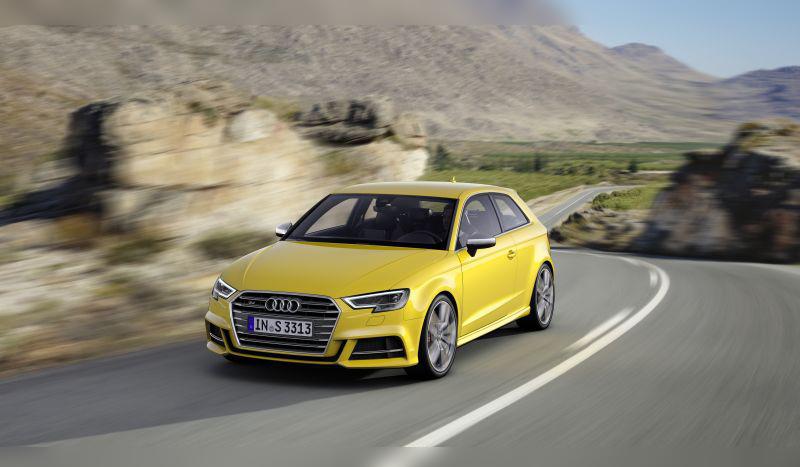
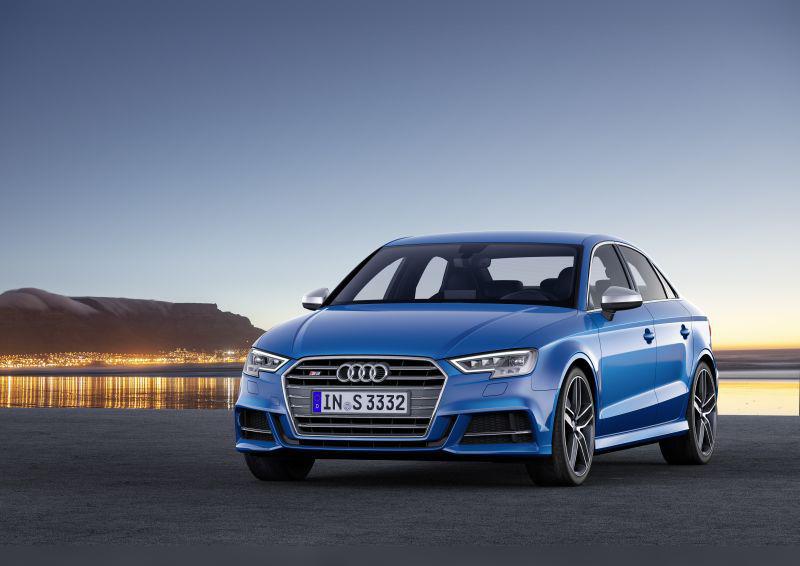
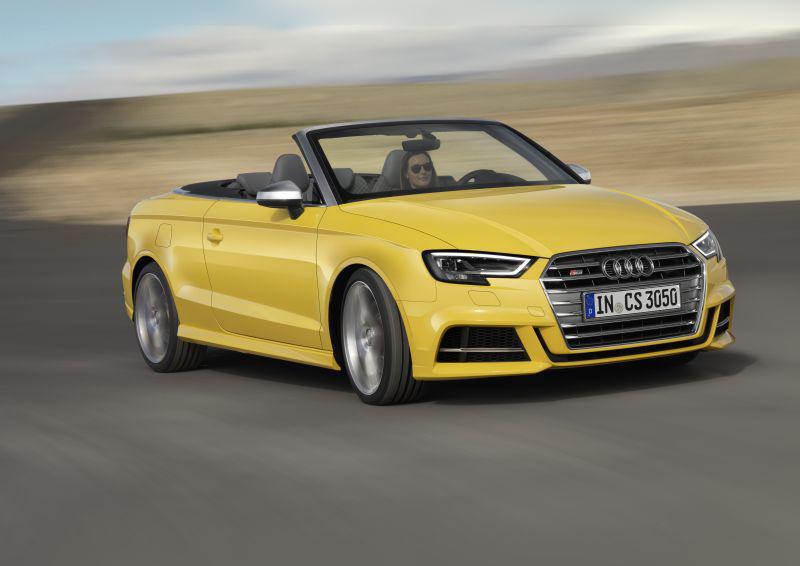
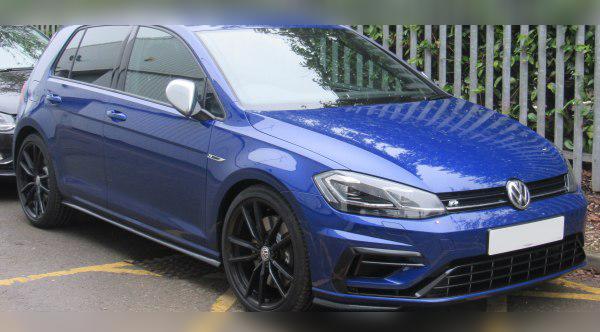
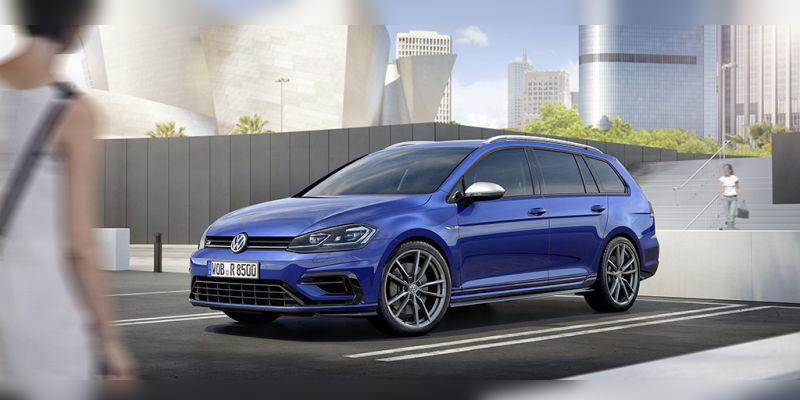
2.0 TSI / TFSI (EA888 Gen 3 DJHA) 310 HP: Experiences, problems, fuel consumption and buying guide
Key points in short (TL;DR)
- Performance: This is one of the best four‑cylinder engines in the world. Explosive power and huge tuning potential.
- Timing drive: Uses a chain. Much more reliable than older generations, but still needs to be checked after 100,000 km.
- Water pump: The “Achilles’ heel” of this engine. The thermostat housing often cracks and coolant starts leaking.
- DSG gearbox: In these facelift models you usually get the new 7‑speed DSG (DQ381). It requires regular oil changes or you risk an expensive mechatronics failure.
- Oil consumption: Although better than its predecessors, with aggressive driving some oil consumption is to be expected.
- Recommendation: An ideal engine for enthusiasts who want a sporty car that can be used every day. Maintenance is not cheap.
Contents
Introduction: The heart of the “hot hatch” kings
The engine code DJHA belongs to the third generation (Gen 3) of the famous VAG EA888 family. This is a high‑performance version that delivers 310 HP from the factory and represents the peak of the range before stricter emissions standards (WLTP) forced the manufacturer to install GPF filters and slightly reduce power. It is fitted to facelift versions of the Audi S3 (8V) and VW Golf 7 R.
This engine is important because it offers a perfect balance between everyday usability and the performance of a supercar from a decade ago. The combination of direct and port injection (in certain markets) and the large IS38 turbocharger makes it extremely flexible.
Technical Specifications
| Characteristic | Data |
|---|---|
| Engine code | DJHA (EA888 Gen 3) |
| Displacement | 1984 cc (2.0 L) |
| Power | 228 kW (310 HP) @ 5500-6500 rpm |
| Torque | 400 Nm @ 2000-5400 rpm |
| Fuel type | Petrol (Recommended 98 or 100 octane) |
| Injection system | TSI/TFSI (Combined or Direct – depends on market) |
| Induction | Turbocharger (IHI IS38) + Intercooler |
| Engine block | Cast iron – extremely durable |
Reliability and Maintenance
Does this engine have a timing belt or chain?
The EA888 DJHA engine uses a timing chain. Unlike the notorious second generation EA888 engines where the chain would fail at low mileage, here the system is significantly improved. Still, the chain is not eternal. It is recommended to check the condition of the chain (stretch) via diagnostics or visually (through the inspection opening) after 100,000 km. If you hear rattling on cold start that lasts longer than 2–3 seconds, that is a sign that replacement is urgent.
What are the most common failures on this engine?
Although robust, it has several characteristic issues:
- Thermostat housing and water pump: This is failure number one. The housing is plastic and over time it cracks due to heat cycles, which leads to coolant leaks. Symptom: coolant level dropping in the expansion tank and the smell of coolant under the hood.
- PCV valve (oil separator): When the membrane tears, the engine starts consuming oil, idles roughly or you hear a whistling noise. This can also cause oil leaks at the seals due to excessive crankcase pressure.
- Oil leaks: Often from the timing cover or the oil pan (which is plastic on some models).
At what mileage is the “major service” done?
Since the engine has a chain, a classic “major service” like with a belt does not exist at a fixed interval. However, the auxiliary/serpentine belt, tensioner and water pump service is usually done around 100,000 to 120,000 km. Many owners use this opportunity to replace the chain preventively if they plan to keep the car for a long time or tune it.
Oil: Capacity, grade and consumption
The engine takes approximately 5.7 liters of oil. The recommended grade is 0W-30 or 5W-30 with specification VW 504.00 / 507.00.
Oil consumption: Yes, these engines do consume some oil, but not like the older versions. Consumption of 0.5 liters per 3,000–5,000 km is considered acceptable for such a powerful engine, especially if driven aggressively. If it uses a liter per 1,000 km, the engine is due for an overhaul (piston rings or turbo).
At what mileage should the spark plugs be changed?
For a stock engine, spark plugs are replaced every 60,000 km. However, if you drive aggressively or the car is tuned, it is recommended to shorten the interval to 30,000 km. Use only high‑quality NGK or Bosch spark plugs specified for this model.
Specific Parts (Costs)
Does the engine have a dual‑mass flywheel?
Yes. Regardless of whether it is paired with a manual gearbox or a DSG automatic, this engine is equipped with a dual‑mass flywheel. In DSG models, the flywheel usually lasts longer than in manuals, but once it starts making noise (metallic knocking at idle that disappears when you rev the engine), replacement is expensive. (Price: Very expensive, depends on the market).
Injection system and injectors
The DJHA engine often uses a combination of MPI (in the intake manifold) and FSI (directly into the cylinder) injection. This is great because the MPI injectors “wash” the intake valves and reduce carbon buildup, which was a problem on engines with direct injection only. The injectors are generally reliable but require good‑quality fuel. Failure of a high‑pressure injector can lead to a cylinder being “washed” with petrol and engine damage.
Turbocharger: IHI IS38
The engine uses a single large IHI IS38 turbocharger. Its service life is directly related to driving style and maintenance (regular oil changes and allowing the turbo to cool down before switching off the engine).
Failure symptoms: Whining (siren sound), blue smoke from the exhaust, loss of power. Early IS38 units (before 2015) had an issue with shaft breakage, but DJHA (2016+) uses revised and more reliable versions.
DPF, EGR, GPF?
Being a petrol engine, it does not have a DPF filter. Also, EA888 engines use a variable valve timing (VVT) system to achieve an exhaust gas recirculation effect, so the classic problematic EGR valve is usually not present in the same way as on diesels.
GPF (OPF): The DJHA (310 HP) is usually the variant WITHOUT a GPF filter (produced before mid/end of 2018). This is an advantage because the engine “breathes” more freely and sounds better. Later versions (with codes like DNUE) have a GPF and reduced power to 300 HP.
AdBlue?
No. This is a petrol engine and does not use AdBlue fluid.
Fuel Consumption and Performance
What is the real‑world fuel consumption in city driving?
Be prepared for high numbers. In heavy city traffic, real‑world consumption ranges from 11 to 14 liters per 100 km. If you have a “heavy right foot”, this figure easily goes above 15 liters.
Is this engine “lazy”?
Absolutely not. With 310 HP and 400 Nm, this engine turns a Golf R or Audi S3 into a real rocket. 0–100 km/h takes about 4.6 seconds. Thanks to the high torque available from just 2,000 rpm, the engine pulls strongly in any gear.
The engine on the motorway
This is the natural habitat of this engine. Cruising is quiet and comfortable.
At 130 km/h in 7th gear (DSG), the engine spins at around 2,600–2,800 rpm. On the open road, with normal driving, fuel consumption can drop to 8–9 l/100 km.
Additional Options and Modifications
Is this engine suitable for LPG conversion?
Technically it is possible, but it is not recommended and financially questionable. Due to direct injection, you need an expensive system (so‑called liquid phase or a system that uses petrol alongside LPG to cool the injectors). Considering this is a performance engine, LPG can lead to overheating of the combustion chamber and damage to the turbocharger or valves. If you have money for an S3/Golf R, you should also have money for petrol.
Tuning potential (Chip tuning)
The EA888 Gen 3 is a tuning king.
Stage 1: With just a software remap (no mechanical changes), this engine safely reaches 350–370 HP and 450+ Nm. The engine handles this power increase extremely well, provided it is regularly maintained. Beyond that (Stage 2) requires changes to the intake and exhaust (downpipe).
Gearbox
Which gearboxes are fitted?
With the DJHA engine (facelift models 2017+), you most commonly get a 7‑speed DSG automatic gearbox (code DQ381). This is a “wet” gearbox (the clutches run in oil) and is significantly more robust than the older 7‑speed “dry” units. A 6‑speed manual gearbox is less common and depends on the market.
Gearbox failures and maintenance
- DSG (DQ381): Very fast and generally reliable. The most common issues are oil leaks at the seals and mechatronics failures if the oil is not changed. Sometimes bearing noise appears in the gearbox.
Service: Oil and filter changes in the DSG gearbox are MANDATORY every 60,000 km (some recommend every 40,000 km for city driving). If this is skipped, failures are guaranteed and cost thousands of euros. - Manual gearbox: Reliable, but the clutch is a weak point. The stock clutch does not cope well with hard launches (Launch Control) and often slips if the engine is tuned even to Stage 1. Replacing the clutch with an uprated kit is a common modification.
Buying used and Conclusion
What to check before buying?
- Cold start: The engine must be completely cold. Listen for chain rattle. If it rattles for more than a few seconds – walk away or negotiate a price reduction to cover chain replacement.
- Coolant leaks: Check the coolant level and look for white traces of dried coolant around the thermostat housing (at the front of the engine).
- Turbo: Under full throttle, the car should pull linearly without hesitation. Blue smoke when lifting off the throttle or at idle can indicate a bad turbo.
- Gearbox service history: If there is no proof that the DSG oil has been changed on time, this is a major risk.
- Modifications: Avoid cars that have been amateurishly “chipped” or have poorly installed aftermarket parts. A stock example is always a better purchase.
Conclusion:
The 2.0 TSI/TFSI (310 HP) engine is a fantastic piece of engineering. It offers performance that until recently was reserved for Porsche, yet it sits in a practical Golf or Audi.
Who is it for? Drivers who want excitement, are prepared to pay for more expensive maintenance (oil, tyres, brakes, fuel) and understand that such a car requires meticulous care. It is not for those who want to save on servicing or fuel. If you find a well‑maintained example, you will get one of the most entertaining cars on the market.
Was this content useful to you?
Your opinion helps us to improve the quality of the content.