Alfa Romeo 2.0 Turbo (55273835) 280 HP – Experiences, issues, fuel consumption and used car buying guide
Key points in short (TL;DR)
- Top-notch performance: With 206 kW (280 HP) and 400 Nm, this engine delivers fantastic driving dynamics, especially in a sedan like the Giulia.
- Timing chain drive: The timing system uses a chain, but regular maintenance is still crucial because of the specific MultiAir valve timing system.
- Oil-sensitive: The engine requires strictly specified oil and precise change intervals. Cutting corners here leads to expensive failures of the MultiAir unit.
- The gearbox is a masterpiece: It is paired exclusively with the fantastic ZF 8-speed automatic transmission, which is extremely reliable with regular servicing.
- Fuel consumption is not low: In city driving, especially in the heavier Stelvio, expect higher petrol consumption, which is the price you pay for performance and all-wheel drive (Q4).
- Avoid LPG: Due to direct injection and system complexity, LPG installation is very complicated, expensive, and generally not recommended.
Contents
- Introduction to the 55273835 engine (2.0 GME)
- Technical specifications
- Reliability and maintenance
- Specific parts and costs
- Fuel consumption and performance
- Additional options and modifications
- Transmission and drivetrain
- Buying used and conclusion
Introduction to the 55273835 engine (2.0 GME)
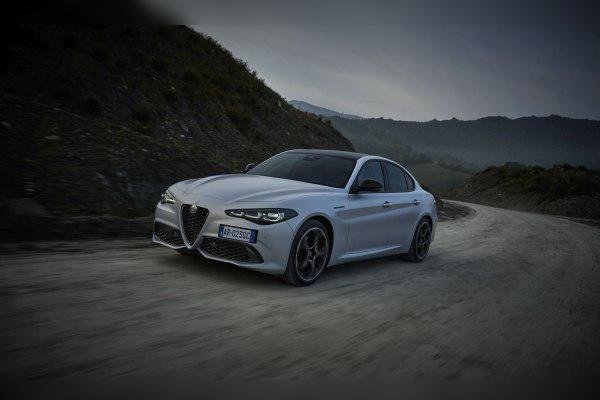
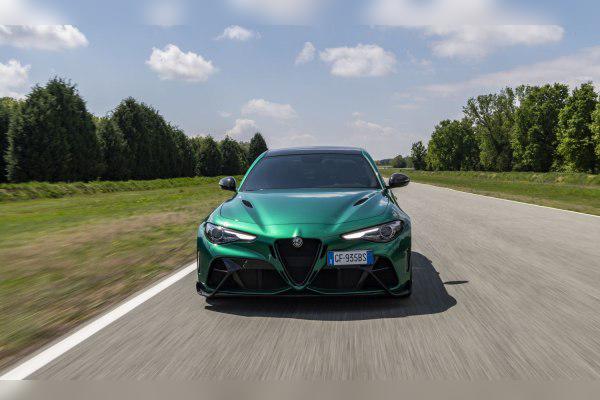
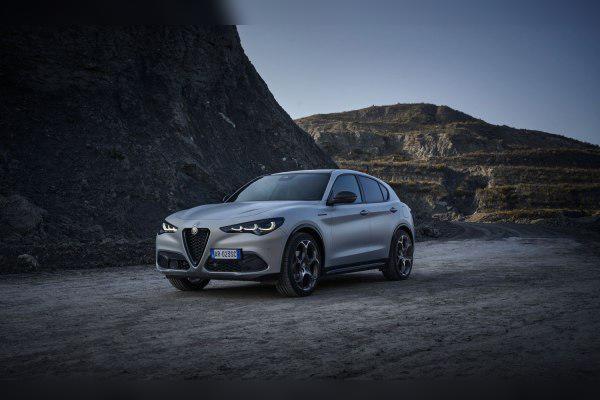
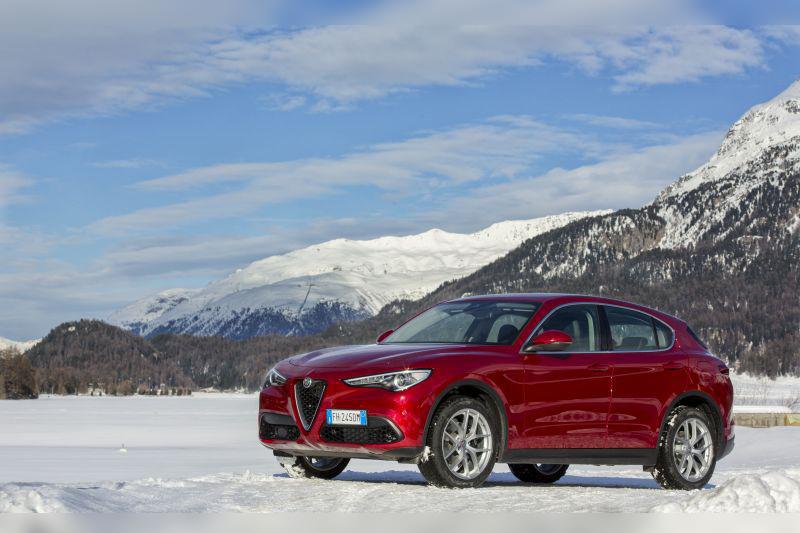
The engine with the code 55273835 is the backbone of Alfa Romeo’s modern renaissance. It belongs to the so‑called GME (Global Medium Engine) family, and is best known here as the 2.0 MultiAir Turbo. This all‑aluminium four‑cylinder unit is designed to provide maximum driving dynamics and is installed in the Alfa Romeo Giulia (952) and Alfa Romeo Stelvio (949) models, including Veloce and Q4 (all‑wheel drive) versions, as well as the 2022 facelift models. This is not an engine for someone who just wants to get from point A to point B with minimal costs; this is a machine created for driving pleasure, sharp throttle response and serious cruising speeds, with inevitable compromises when it comes to ownership costs.
Technical specifications
| Parameter | Data |
|---|---|
| Engine code | 55273835 (FCA 2.0 GME MultiAir) |
| Engine displacement | 1995 cc |
| Power output | 206 kW (280 HP) |
| Torque | 400 Nm |
| Fuel type | Petrol (Gasoline) |
| Timing system | Chain + MultiAir module |
| Injection type | Direct injection (GDI) |
| Charging system | Twin-scroll turbocharger, intercooler |
Reliability and maintenance
This unit uses a timing chain, which eliminates the need for a classic major service in the sense of replacing a timing belt every 60,000 km. However, the chain is not eternal. It is recommended to have it inspected after 150,000 km. The major service essentially comes down to replacing the auxiliary (serpentine) belt, idler pulleys, tensioner and water pump, which should be done every 100,000 to 120,000 km. The cost of this job falls into the category: not expensive to expensive (depending on the market).
What is absolutely vital for this engine is the engine oil. The system holds approximately 5.2 litres of oil. Due to the specific MultiAir system (a hydraulic system that controls the intake valves), there is zero tolerance for error. It requires exclusively fully synthetic oil of grade 0W-30 that meets strict FCA specifications (Selenia Digitek Pure Energy is most commonly recommended). Oil must be changed at no more than 10,000 to 12,000 km intervals. As for oil consumption, under normal operating conditions these engines use a negligible amount. However, under aggressive motorway driving, consumption of 0.2 to 0.4 litres between services is considered completely normal.
Since this is a modern turbo petrol engine with direct injection, the spark plugs are under heavy load and are crucial for proper engine operation without detonation (knock). The recommended replacement interval is strict – every 60,000 km. Skipping this interval can lead to coil failure or even engine damage due to improper combustion.
Most common issues
Although the 2.0 GME has proven to be surprisingly reliable, it is not without flaws. The most sensitive point is precisely the MultiAir module. If oil is not changed on time, the micro‑channels in the module become clogged with deposits, resulting in rough running, jerking and the "Check Engine" light coming on. Replacing the module falls into the category: very expensive (depending on the market). In addition, there are recorded issues with coolant leaks at O‑ring seals and plastic junctions around the turbocharger. The symptom is a characteristic sweet smell under the bonnet when the engine is hot and a gradual drop in the level in the expansion tank. Another common but minor problem is starter relays that can fail, causing the car to refuse to crank and start.
Specific parts and costs
The engine uses high‑pressure direct fuel injection (GDI). The injectors themselves are very durable and rarely fail, but due to the nature of direct injection, the fuel does not wash the intake valves. This means that carbon deposits build up on the valves over time, which after 100,000 km can lead to a slight drop in performance and an uneven idle. It is recommended to decarbonise the intake manifold using walnut shell blasting.
The unit is equipped with a single twin-scroll turbocharger. The turbo’s service life is generally excellent and exceeds 200,000 km without issues, provided the driver respects the rule of letting the turbo cool down after hard driving before switching off the engine. If the turbo does fail, overhaul or replacement falls into the category: expensive (depending on the market).
As this is a petrol engine, it naturally has no AdBlue system or classic diesel DPF filter (which is a big relief for drivers who mostly cover short distances). It also has no traditional EGR valve, because the MultiAir system, through valve timing overlap, performs the function of internal exhaust gas recirculation. However, it is important to note that versions of this engine produced from 2018/2019 onwards, due to stricter Euro 6d‑Temp standards, are equipped with a GPF (Gasoline Particulate Filter). Unlike diesels, petrol engines produce much higher exhaust temperatures, so the GPF regenerates itself in normal driving without any issues and rarely clogs, unless you drive the car almost exclusively in stop‑and‑go traffic.
Fuel consumption and performance
The 280 HP engine is anything but "lazy". With 0–100 km/h in just over 5 seconds (in the Giulia Q4), the car is explosive in "Dynamic" driving mode, and turbo lag is kept to a minimum thanks to twin‑scroll technology and the excellent gearbox. It carries the body with remarkable ease, even the heavier Stelvio.
However, power has to be fed. Real‑world city fuel consumption for the Giulia is between 11 and 13 l/100 km, while in the heavier and less aerodynamic Stelvio it can easily reach 14 l/100 km in heavy traffic. On the motorway, at 130 km/h in 8th gear, the engine cruises at a very relaxed around 2,100 rpm. Under such conditions, consumption is very acceptable, at around 7.5 to 8.5 l/100 km.
Additional options and modifications
If you are thinking about cheaper running costs by installing LPG – forget it. Due to the specific high‑pressure direct injection and the sensitive calibration of the MultiAir system, installing an LPG system requires specialised and very expensive liquid‑injection setups. The risk of damaging the engine and injectors is huge, and long‑term savings are questionable. This engine is meant to be run exclusively on high‑quality high‑octane petrol.
For tuning enthusiasts, the 2.0 GME is an excellent platform. A basic Stage 1 (ECU remap without mechanical changes) can safely raise power from 280 HP to about 310 to 320 HP, while torque increases to around 450 to 460 Nm. Thanks to the strong factory base and excellent cooling, the engine can handle this without problems, but it is then recommended to shorten the oil change interval to 8,000 km.
Transmission and drivetrain
This engine is not paired with a manual gearbox. It comes exclusively with the fantastic German ZF 8HP50 8‑speed automatic transmission. This gearbox is known as one of the best automatics in the car industry, providing lightning‑fast gear changes (especially via the massive aluminium paddles on the steering wheel) and smooth operation in city driving.
Since this is a conventional automatic with a torque converter, this model does not have a dual‑mass flywheel in the traditional sense, so you do not have the cost of replacing it or a classic clutch kit that plagues drivers of manual cars.
For long service life of the ZF gearbox, it is imperative to change the transmission oil and filter (integrated into the pan) every 80,000 to 100,000 km. Although the car manufacturer often states that the oil is "lifetime", the gearbox manufacturer (ZF) strictly prescribes replacement. Failures are extremely rare if the gearbox is regularly maintained. Symptoms of worn‑out oil are harsher engagement into "Drive" or jerks when shifting from second to first gear. Also, since most of these models carry the Q4 (all‑wheel drive) badge, it is mandatory to change the oil in the transfer case every 60,000 km. Servicing the gearbox falls into the category: expensive (depending on the market), but it is necessary.
Buying used and conclusion
When buying a used Giulia or Stelvio with this engine, focus on the service history. A cold start is crucial: listen to the chain on the right side of the engine and pay attention to any rattling or rough running in the first 30 seconds, which may indicate an oil pressure and MultiAir unit issue. Check around the turbocharger for traces of dried red/pink coolant (coolant leaks). A professional diagnostic check before purchase is mandatory – not only of the engine, but also of the Q4 system (which must not produce grinding noises during sharp low‑speed turns).
Conclusion: The 55273835 engine (280 HP) is a masterpiece of modern engineering that puts Alfa back on the throne of drivers’ cars. It is intended for enthusiasts who want the agility of rear‑wheel drive (or rear‑biased Q4 all‑wheel drive), strong acceleration, and who are prepared to pay for that pleasure through somewhat higher city fuel consumption and strict, preventive maintenance with quality oils. It is not an engine for commercial taxi use, nor does it tolerate mechanics who "know how to save on parts". If you find a well‑maintained example, it will reward you with reliability and a smile on your face every time you press the accelerator.