Engine 199A3000 1.3 Multijet (90 HP): Experiences, problems, fuel consumption and buying used
Key points (TL;DR)
- Great balance of power and fuel economy: With 90 HP and 200 Nm, this engine offers excellent performance for smaller cars with low fuel consumption.
- Equipped with a dual-mass flywheel: Unlike the weaker 75 HP version, the 199A3000 has a dual-mass flywheel, which makes clutch replacement more expensive.
- Timing chain requires attention: The engine uses a chain that stretches over time. Rattling on a cold start is a sign that it needs urgent replacement.
- DPF and EGR issues: If driven exclusively in the city, the EGR valve and DPF filter (where fitted) are prone to clogging.
- Sensitive turbocharger: The variable-geometry turbo (VGT) requires regular oil changes to prevent the vanes from sticking.
- Gearboxes: The 6-speed manual can suffer from bearing issues, while the robotized Dualogic automatic carries the risk of expensive hydraulic repairs.
Contents
- Introduction: About the 199A3000 engine
- Technical specifications
- Reliability and maintenance
- Specific parts and costs
- Fuel consumption and performance
- Additional options and modifications
- Gearbox and drivetrain
- Buying used and conclusion
Introduction: About the 199A3000 engine
The engine designated as 199A3000 is one of the most popular iterations of Fiat’s famous 1.3 Multijet engine. With 1248 cc and 90 horsepower, this unit was designed to offer significantly better dynamics than the basic 75 HP version, primarily thanks to the use of a variable-geometry turbocharger and an intercooler.
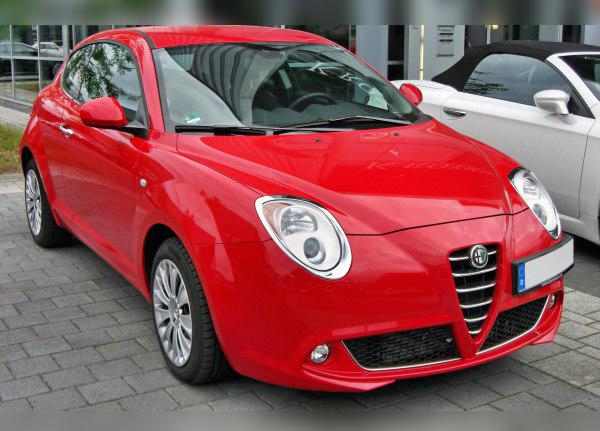
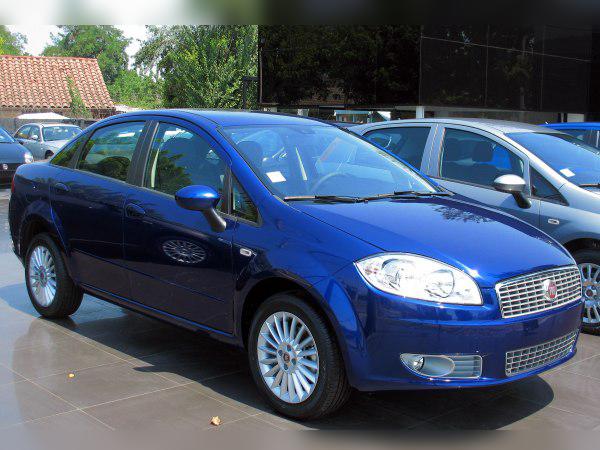
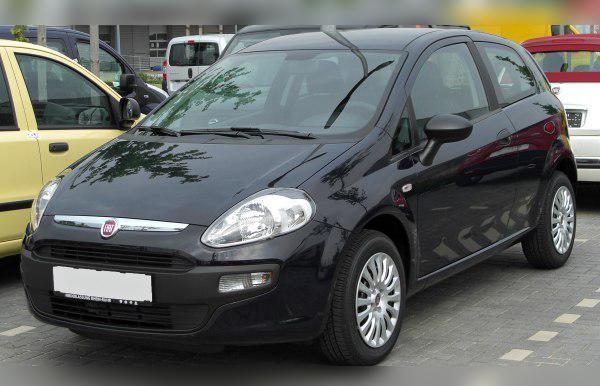
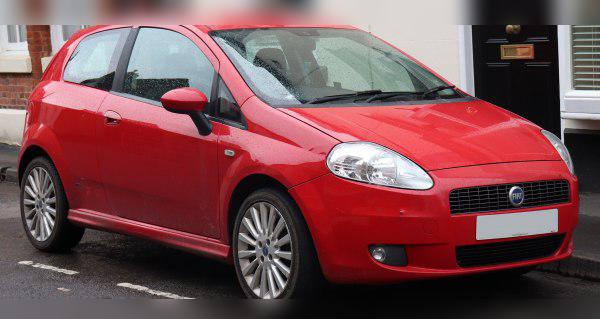
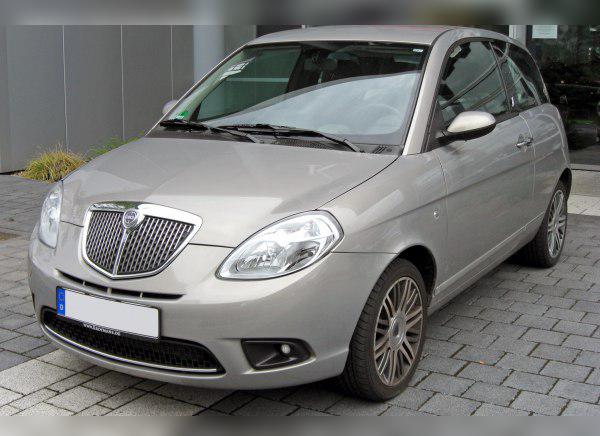
It is widely used in vehicles from Fiat, Lancia and Alfa Romeo. You will most often find it under the hood of models such as the Fiat Grande Punto, Punto Evo, Fiat Linea, but also in stylish premium superminis like the Alfa Romeo MiTo and Lancia Ypsilon. Its task was to provide the driving feel of a larger engine while keeping registration and fuel costs low, which it largely achieved, albeit with certain mechanical compromises every buyer should be aware of.
Technical specifications
| Engine displacement | 1248 cc |
| Power | 66 kW (90 HP) |
| Torque | 200 Nm |
| Engine code | 199A3000 |
| Fuel type | Diesel |
| Injection type | Common Rail (Multijet) |
| Charging system | Turbocharger (VGT) with intercooler |
Reliability and maintenance
Chain instead of belt
This engine uses a timing chain to drive the camshafts. Although in theory a chain is a lifetime solution, in practice this is not the case with the 1.3 Multijet. The chain is single-row and prone to stretching, while the plastic guides wear out. The most common symptom of a worn chain is a metallic rattle from the front of the engine during the first cold start of the day. A major service, i.e. replacement of the chain kit, guides and tensioner, is usually done at around 120,000 to 150,000 km, although it depends on driving style and oil change intervals. If the chain snaps, it causes catastrophic engine damage and breaks the rocker arms.
Regular servicing and oil
The engine takes approximately 3.2 litres of engine oil. Fully synthetic oil with a viscosity of 5W-40 is recommended (or 5W-30 for newer DPF-equipped versions, with mandatory ACEA C2/C3 specification). Because of the small oil quantity in the sump, it is strongly recommended to shorten oil change intervals to 10,000 and at most 15,000 km. The engine is known for low oil consumption; usage of around 0.1 to 0.2 litres per 1000 km is considered normal. If it consumes more, the problem usually lies in a worn turbocharger or piston rings.
Injectors and fuel system
As a diesel unit, it uses a Bosch Common Rail injection system. The injectors are very durable and rarely cause issues before 200,000 to 250,000 km. However, they are sensitive to poor fuel quality and water contamination. Symptoms of faulty injectors include rough idle, increased black smoke from the exhaust under acceleration and reduced performance. Often the issue is only with the copper washers under the injectors that start leaking, producing a characteristic “hissing” sound (blow-by effect).
Specific parts and costs
Dual-mass flywheel
Unlike the weaker 75 HP variant, the 199A3000 engine is equipped with a dual-mass flywheel to cope with its 200 Nm of torque. Because of this, maintenance costs are higher. Replacing the complete clutch and flywheel kit falls into the category of expensive (depends on market), but is unavoidable once the flywheel wears out. Symptoms of a worn flywheel include juddering when pulling away, vibrations at idle and a dull thump when switching the engine off.
Turbocharger
It is fitted with a single turbocharger featuring variable geometry (VGT). Its service life is generally good and it easily exceeds 200,000 km with proper maintenance. However, with predominantly city driving, soot can cause the variable vanes to stick. The symptom is a sudden loss of power (“safe mode”) during hard acceleration. Turbocharger overhaul falls into expensive (depends on market) maintenance.
EGR, DPF and emissions
This engine has an EGR valve that is very prone to fouling and sticking, especially in cars that rarely see open-road driving. Symptoms include jerking at low revs and a warning light on the instrument cluster. As for the DPF filter, its presence depends on the production year and Euro emissions standard (it appears on later Punto Evo and Ypsilon models, Euro 4 with DPF and Euro 5). If the car has a DPF and is driven exclusively in the city, regenerations will often be interrupted. This leads to diesel mixing with the engine oil (the oil level in the sump rises), which is extremely dangerous for the engine. The engine does not use AdBlue in this generation, which is one less thing for the owner to worry about.
Fuel consumption and performance
Real-world fuel consumption
This unit is known for being very economical. In city driving, real-world consumption is between 5.5 and 6.5 l/100 km. On country roads, with careful driving, it can drop below 4.5 l/100 km.
Acceleration and driving feel
Is the engine “lazy”? For lighter bodies (Grande Punto, MiTo, Ypsilon), 90 HP and 200 Nm are more than enough for brisk driving. It is not lazy, but it has a pronounced turbo lag – below 1800 rpm it feels dead, then it pulls strongly once the turbo spools up. In the Fiat Linea, which is somewhat heavier, a lack of power can be felt under full load (full boot and passengers).
Behaviour on the motorway
The engine is usually paired with a six-speed gearbox. At a cruising speed of 130 km/h in sixth gear, the revs sit at around 2600 - 2800 rpm. At these revs the engine is somewhat noisier, and fuel consumption rises to about 5.5 to 6.0 l/100 km. Although it can handle long journeys, its comfort zone is on country roads and in the city.
Additional options and modifications
This engine handles a so-called Stage 1 remap very well. With quality tuning, power can safely be raised to 105 to 115 HP, and torque to around 240 to 250 Nm. Driving becomes noticeably smoother because turbo lag at low revs is reduced. However, before remapping you must ensure that the dual-mass flywheel, clutch and turbocharger are in perfect condition, as the increased torque will expose their weaknesses first.
Gearbox and drivetrain
Types of gearboxes and common failures
With the 199A3000 engine you will find a 6-speed manual gearbox (mainly GM’s M32) and a robotized manual gearbox known as Dualogic (DFN).
- Manual gearbox (M32): Its weakest point is the bearings inside the gearbox itself. Symptoms include whining or humming while driving in 5th and 6th gear, as well as slight movement of the gear lever when applying and releasing the throttle. Overhaul is very expensive (depends on market).
- Dualogic (robotized manual): This is essentially a manual gearbox with a hydraulic robot that shifts gears instead of the driver. It is very prone to actuator failures, loss of pressure and sensor faults. Gear changes can become jerky or the gearbox can get stuck in one gear (Neutral). Maintenance is complicated and requires experienced specialists.
Gearbox servicing
For the manual gearbox, due to bearing issues, it is strongly recommended to change the gearbox oil every 60,000 km and to fill slightly more oil than the factory specification so that the upper bearings are properly lubricated. For the Dualogic gearbox, it is essential to check the level and replace the special hydraulic robot oil (CS Speed oil), as well as to perform occasional software calibration.
Buying used and conclusion
What to check before buying?
When buying a used car with this engine, focus on the following points:
- Cold start: It should start instantly without long cranking. Listen carefully for chain rattle during the first 2–3 seconds. If you hear it, negotiate a discount to cover the major service.
- Flywheel test: While idling, press the clutch pedal halfway down; if you feel strong vibrations through the pedal, the dual-mass flywheel is near the end of its life.
- Engine oil level: Pull out the dipstick and smell the oil. If it clearly smells of diesel and the level is above the maximum mark, this points to DPF issues and failed regenerations.
- Test drive: Listen to the gearbox in 5th and 6th gear for potential bearing whine.
- Diagnostics: Always check injector correction values and DPF saturation.
Who is this engine for?
The 199A3000 engine is a fantastic choice for drivers who need an agile car with low fuel consumption that will spend about 70% of its time in city or suburban driving and 30% on longer trips. Its 90 HP output gives it the necessary liveliness. However, the buyer must be financially prepared for potential timing chain and dual-mass flywheel replacement costs, which makes this engine more expensive to maintain than its weaker 75 HP siblings. The general recommendation is to avoid the Dualogic gearbox and stick to the conventional manual, with a thorough gearbox inspection before purchase.