Engine 0.9 TwinAir 199B6000 (105 HP): Experiences, problems, fuel consumption and used-car buying guide
Key points (TL;DR)
- Two-cylinder turbo petrol engine with a very specific sound; you need some time to get used to its running characteristics.
- Timing is chain-driven, but the heart of the system is the complex MultiAir module, which is extremely sensitive to oil quality.
- Real-world fuel consumption (especially in the city) is significantly higher than the official factory figures.
- It has a dual-mass flywheel to tame the strong vibrations of the two cylinders.
- Excellent and agile in smaller models (Fiat 500, MiTo), but struggles under load in heavier vehicles such as the Fiat 500L.
- Not an ideal candidate for cheap LPG conversions nor for extreme “chip tuning”.
Contents
- Introduction: Lawnmower sound, racer’s heart
- Technical specifications
- Reliability and maintenance
- Specific parts and costs
- Fuel consumption and performance
- Additional options and modifications
- Gearbox and clutch
- Buying used and conclusion
Introduction: Lawnmower sound, racer’s heart
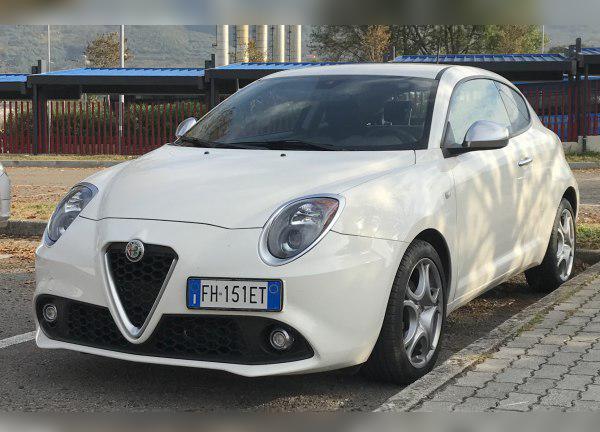
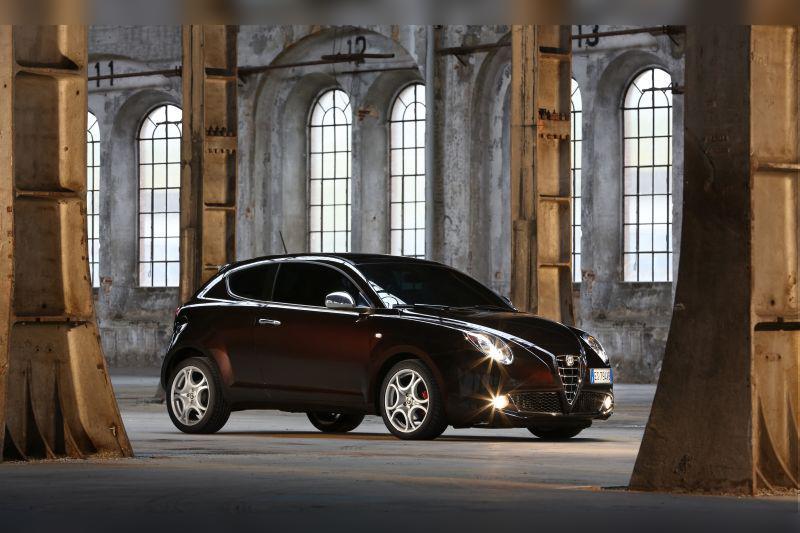
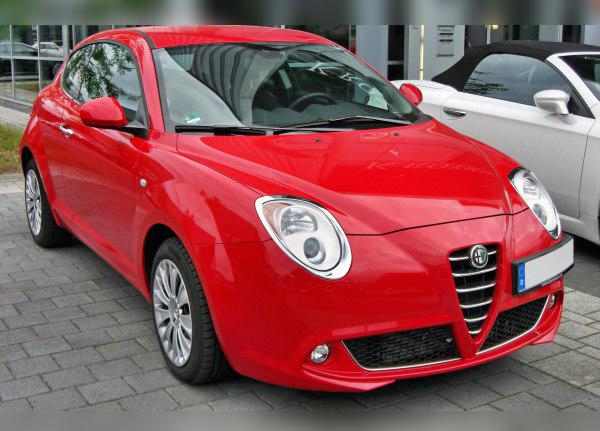
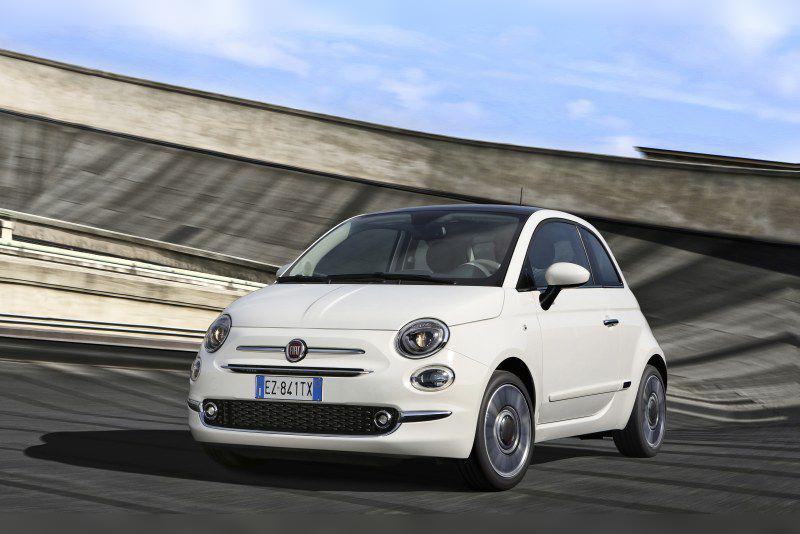
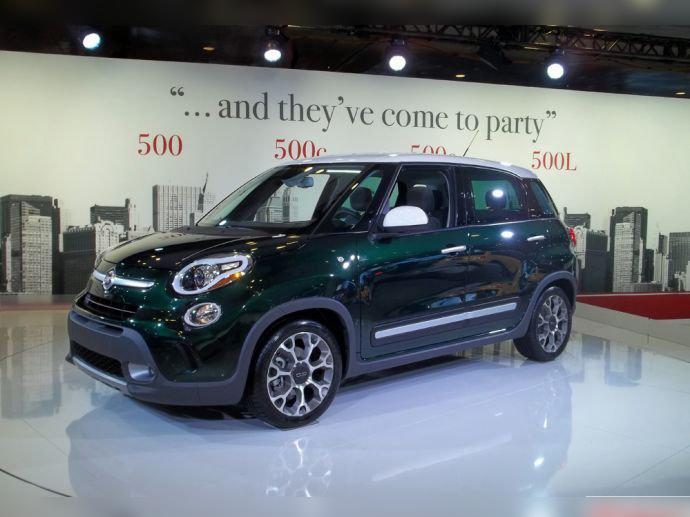
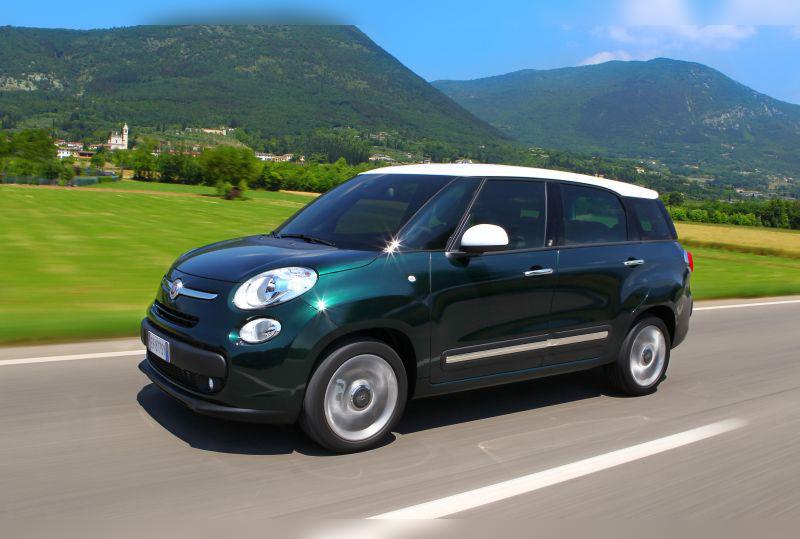
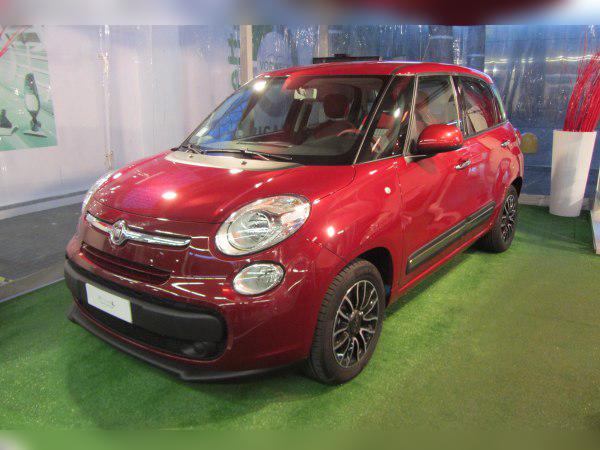
The engine with code 199B6000 is the most powerful version of Fiat’s award-winning 0.9 TwinAir unit. With a displacement of only 875 cc and two cylinders, Fiat tried to start a revolution in emission reduction while keeping performance, using a turbocharger and the innovative MultiAir system. This engine was installed in a wide range of vehicles, from trendy city cars such as the Fiat 500 and Alfa Romeo MiTo, to family MPVs like the Fiat 500L (Trekking, Living). Because of its two-cylinder nature, it has a very distinctive sound reminiscent of old “Fiat 126p-type” cars or modern motorcycles, which makes it one of the most characterful engines on the market.
Technical specifications
| Feature | Data |
|---|---|
| Displacement | 875 cc (0.9 l) |
| Number of cylinders | 2 |
| Power | 77 kW (105 HP) |
| Torque | 145 Nm |
| Engine code | 199B6000 |
| Injection type | Indirect (MultiAir valve timing) |
| Charging | Turbocharger + intercooler |
Reliability and maintenance
When it comes to valve timing, the 0.9 TwinAir uses a timing chain, not a timing belt. The chain is generally designed to last a long time, but in practice, due to strong vibrations and stress cycles, it can stretch. A major service in the classic sense (belt replacement at a set mileage) does not exist, but it is advisable to plan chain set replacement between 120,000 and 150,000 km, or as soon as you hear a characteristic “rattling” noise on a cold start.
As for maintenance, oil quality is a matter of life and death for this engine. The system takes about 3.2 litres of oil, and the strictly recommended grade is 5W-40 ACEA C3 (Fiat 9.55535-S2 specification). The reason for such pedantry is the MultiAir module – an electro-hydraulic system that controls the intake valves. If the oil is not changed on time (the recommendation is every 10,000 to 15,000 km at most) or the wrong oil is used, the micro-channels in the MultiAir unit get clogged. The most common failures on this engine are precisely related to MultiAir module failure. Symptoms include rough idle, loss of power, going into “safe mode” and running on only one cylinder.
Does it burn oil? Yes, two-cylinder turbo engines are prone to oil consumption, especially under load. Consumption of 0.1 to 0.3 litres per 1,000 km is considered normal, but anything above that points to a problem with the piston rings or the turbo.
Since this is a petrol engine with very high combustion temperatures in the cylinders, spark plugs must be replaced every 30,000 km. Skipping this interval directly leads to coil failure and improper combustion, which further stresses the engine.
Specific parts (costs)
Many drivers are surprised by the fact that this small petrol engine has a dual-mass flywheel. The reason is purely physical: two cylinders generate huge, harsh vibrations that would quickly destroy the gearbox and severely affect cabin comfort. The cost of replacing the dual-mass flywheel is expensive to very expensive (depends on the market) and is often an unplanned expense for used-car buyers.
The fuel injection system is indirect, and the petrol injectors themselves are not known to be problematic and rarely fail. The turbocharger is small, but it spins at extremely high speeds. Its service life is generally over 150,000 km, but only if the engine is properly warmed up before hard driving and cooled down before switching off. Turbo failure is most often the result of poor lubrication.
As a petrol unit, this engine does not have a conventional DPF filter, no AdBlue system, and it also does not have a classic external EGR valve that would clog up with soot, because the MultiAir system performs internal exhaust gas recirculation by changing valve timing. This is a major advantage over modern diesels in urban use.
Fuel consumption and performance
Fiat marketed this engine as a technological marvel of low fuel consumption. Reality, unfortunately, is harsh. Due to the low torque at low revs, drivers subconsciously keep “pushing” the accelerator pedal to keep the engine in the turbo zone. That is why real-world city consumption is between 7.5 and 8.5 l/100 km, and in the heavier Fiat 500L it can exceed 9 litres.
Is the engine “lazy”? It depends on the body style. In the small Fiat 500 or Alfa MiTo, 105 HP makes it very lively and fun to drive (a real little “pocket rocket”). However, in the Fiat 500L (especially the Trekking and 7-seat Living versions), the engine really struggles. A heavy body and a fully loaded car mean that the unit is constantly under maximum load, which kills performance and drastically increases fuel consumption.
On the motorway, at 130 km/h, the engine runs at relatively high revs (depending on the gear ratios of the 6-speed gearbox). Cruising is not the quietest due to the specific two-cylinder sound, and the aerodynamics (especially on the 500L) mean that at these speeds consumption easily goes above 7 l/100 km.
Additional options and modifications
LPG conversion: Although this is a petrol engine with indirect injection, LPG conversion is not recommended or requires very skilled specialists and specific equipment. Calibrating the gas map with the MultiAir module, which changes valve opening in milliseconds, is extremely difficult. A poorly tuned LPG system quickly destroys the valves on this engine.
Chip tuning (Stage 1): This engine can be software-tuned from 105 HP to around 115 and at most 125 HP. However, this is not advised for two reasons: the tiny turbocharger is already working close to its limit and is prone to overheating, while the additional torque drastically shortens the life of the already sensitive dual-mass flywheel.
Gearbox
This engine most commonly comes paired with a 6-speed manual gearbox. In some models (such as the Fiat 500) you can also find the so-called Dualogic (robotised manual gearbox).
On the manual gearbox, the synchros of the lower gears tend to wear out due to spirited city driving, so engaging first or second gear can become “notchy”. As already mentioned, replacing the clutch together with the dual-mass flywheel is an expense that is high (depends on the market), and the flywheel suffers the most if the engine is driven at too low revs (below 1,500 rpm), where vibrations are destructive.
If you come across a Dualogic automatic, you should be very cautious. Its hydraulic control unit (the so-called “robot”) is prone to oil leaks and actuator failures. Repairing the robot is very expensive (depends on the market). Gearbox maintenance includes changing the oil in the manual gearbox at around 60,000 km, while on the Dualogic the oil in the “robot” must be checked regularly and changed every 40,000 km for the system to function at all.
Buying used and conclusion
When buying a used car with the 199B6000 engine, a cold start is the most important test. If you hear a sharp metallic noise similar to scraping when starting, the chain needs replacing. If the engine runs roughly, misfires, or you can smell unburnt petrol from the exhaust, you are potentially facing a MultiAir module replacement, which is expensive (depends on the market). Always ask to see the service history; if the car has no proof of regular oil changes using only the recommended oil at a maximum of 15,000 km intervals, it is better to walk away.
Who is this engine for? It is an excellent choice for enthusiasts and drivers buying an Alfa Romeo MiTo or a small Fiat 500 who want a car that is quick in the city and has a unique character and sound. On the other hand, in the bulky Fiat 500L this engine loses its purpose, struggles, consumes more than the appropriate diesels (1.6 MultiJet) and demands too much effort from the driver on motorways and hilly regional roads.