Engine 312A2000 (Fiat 0.9 TwinAir 85 HP): Experiences, problems, fuel consumption and used-car buying tips
The most important in short (TL;DR):
- Distinct sound and vibrations: A two-cylinder engine that sounds like half a V8, but transmits noticeable vibrations into the cabin at idle.
- Timing chain drive: It has a timing chain which is generally reliable, but needs to be replaced once it becomes noisy.
- Sensitive to oil: The heart of the engine (TwinAir/MultiAir module) is extremely sensitive to dirty oil and low oil level. Regular servicing is absolutely crucial.
- Excellent for the city, weak for heavy cars: It shines in light models (Fiat 500, Panda), but struggles in heavier bodies (Fiat 500L).
- Two-faced efficiency: Factory fuel consumption figures are unattainable in real life. It saves fuel only if driven very gently, while aggressive driving drastically increases consumption. Methane (CNG) versions are by far the most cost-effective.
- Affordable basic maintenance: No dual-mass flywheel (on most models), conventional MPI injectors and a simple turbo, which keeps repair costs down.
Contents
- Introduction: Meet the modern twin-cylinder
- Technical specifications
- Reliability and maintenance
- Specific parts (Costs)
- Fuel consumption and performance
- Additional options and modifications
- Gearbox and power delivery
- Buying used and conclusion
Introduction: Meet the modern twin-cylinder
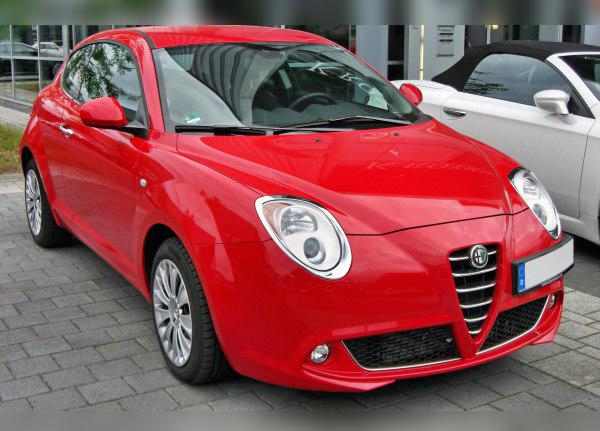
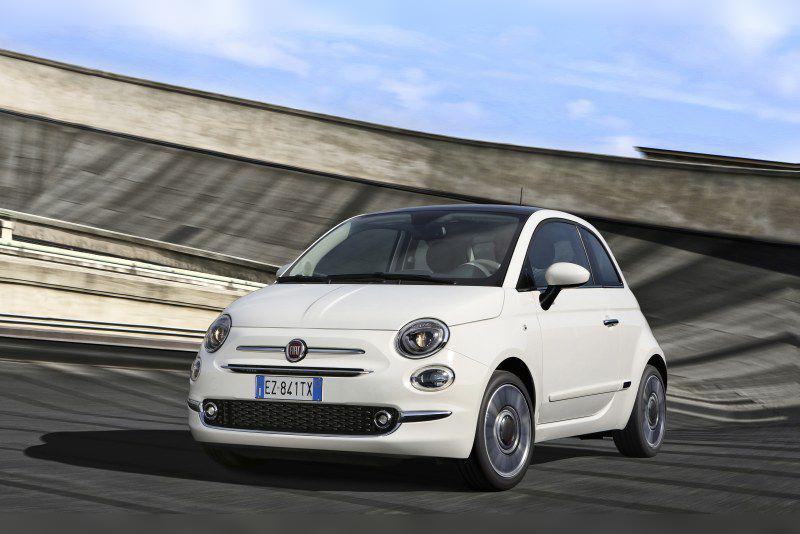
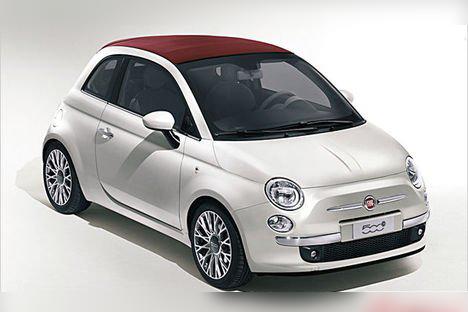
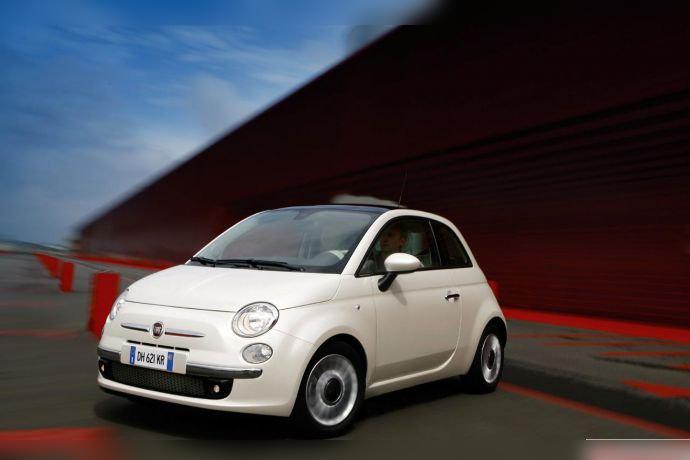
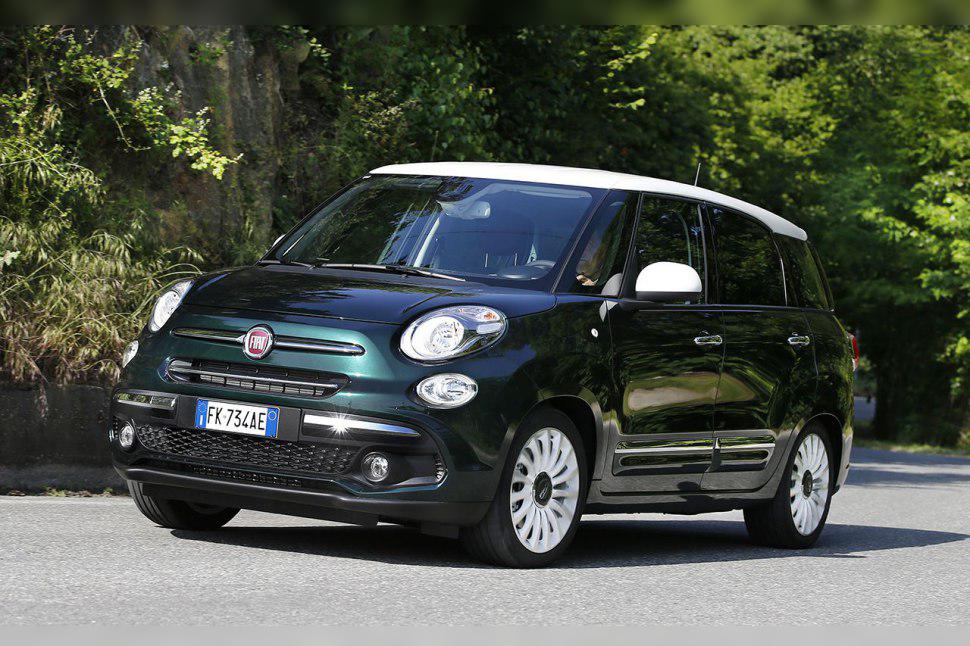
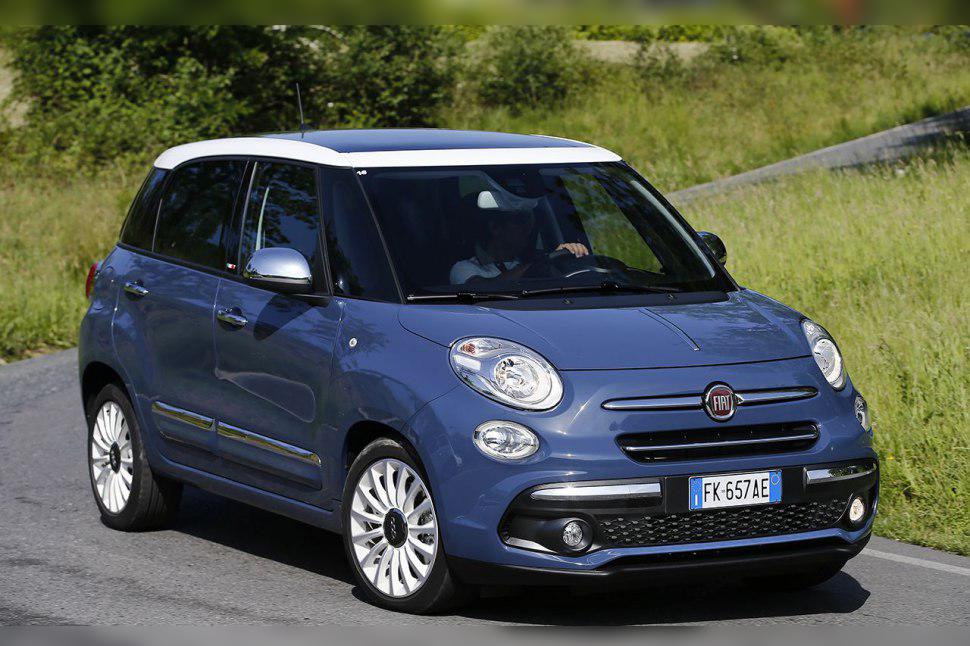
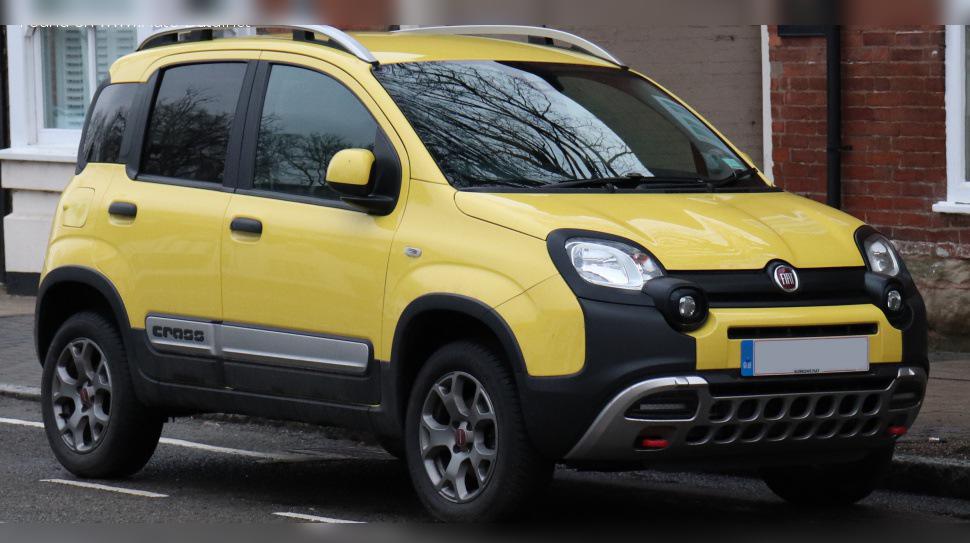
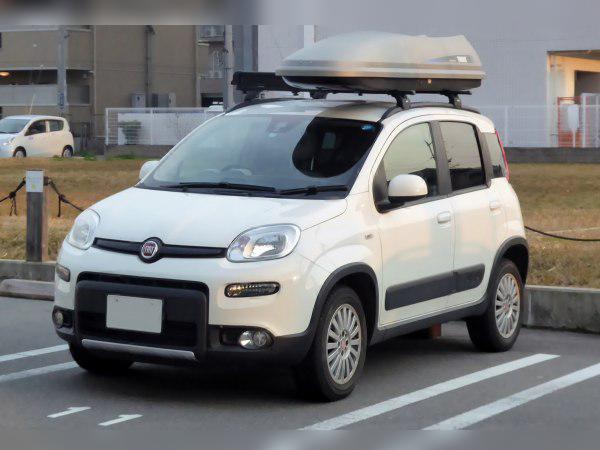
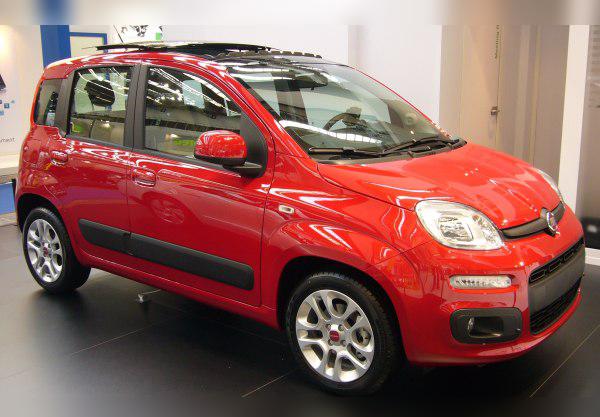
When Fiat introduced the 0.9 TwinAir engine (code 312A2000), the automotive world was shocked. Going back to two cylinders in the 21st century seemed crazy, but the addition of a turbocharger and an innovative electro-hydraulic valve control system earned it the title of "Engine of the Year". This little 85 HP unit found its place in a wide range of models – from the stylish Fiat 500 and Alfa Romeo MiTo, through the indestructible Panda (including 4x4 versions), all the way to the rather heavy Fiat 500L.
Technical specifications
| Parameter | Specification |
|---|---|
| Engine code | 312A2000 |
| Displacement | 875 cc |
| Power | 63 kW (85 HP) at 5500 rpm |
| Torque | 145 Nm at 1900 rpm |
| Injection type | Indirect injection (MPI) into the intake manifold |
| Charging method | Turbocharger |
| Fuel type | Petrol / CNG (Methane) |
Reliability and maintenance
Timing belt or chain? This engine uses a timing chain to drive the camshaft. The chain is generally long-lasting, but not eternal.
Most common failures: The Achilles' heel of the 0.9 TwinAir engine is the TwinAir module itself (the block that controls the intake valves using oil pressure). If the oil is not changed regularly, the tiny micro-filters inside the module get clogged, the system loses pressure, and the engine starts to misfire, run roughly and lose power. Replacing the module is a very expensive repair (depends on the market). In addition, the ignition coils often fail due to the specific vibrations, which results in the engine running on "one cylinder".
Major and minor service: A classic major service in the sense of replacing a timing belt does not exist. However, the chain, guides and tensioner are usually replaced between 120,000 and 150,000 km, or as soon as you notice rattling on a cold start. Minor service (oil and filters) must be done at a maximum of every 10,000 to 15,000 km, never at 30,000 km as the first factory specifications stated.
Engine oil: The sump holds only 3.2 litres of oil. Due to the sensitivity of the TwinAir module, you must use only the recommended grades 5W-40 or 0W-30 (depending on model year and Euro standard, check the specification Fiat 9.55535-S2 or GS1).
Oil consumption: Yes, this engine consumes oil. A loss of about 0.2 to 0.4 litres per 1000 km is considered normal due to the high operating temperature of the turbo and the small sump. Golden rule: check the dipstick every 1000 km, because a drop in oil level directly destroys the TwinAir module!
Spark plugs: Since this is a petrol engine with high combustion pressure per cylinder, the spark plugs are replaced relatively often – every 30,000 km. Specific iridium spark plugs are used and this is not an area where you should try to save money.
Specific parts (Costs)
Dual-mass flywheel: To the great joy of buyers, most variants of this engine in Fiat 500, Panda and Ypsilon models do not have a dual-mass flywheel, but use a solid one instead. (Note: On heavier versions such as the 500L or specific 4x4 drivetrains, data may vary and a VIN check is required, but in 90% of cases there is no dual-mass flywheel).
Injection system: It uses classic, indirect MPI injection (Multi-Point Injection). The injectors are extremely reliable, rarely fail and are not as sensitive to poor fuel quality as injectors on direct-injection engines. Injector-related repairs are not expensive (depends on the market).
Turbocharger: It has a small, low-inertia IHI turbocharger. Its service life is quite decent, over 150,000 km, provided you change the oil regularly and let the engine idle for about 30 seconds after hard driving so it can cool down. The most common issue is the so-called "wastegate rattle", which can be heard when lifting off the throttle.
DPF, EGR, AdBlue: Since this is a petrol (and CNG) engine, it does not have a DPF filter, the usual problematic EGR valve, or an AdBlue system. That makes it an excellent choice for frequent city stop-and-go driving.
Fuel consumption and performance
City consumption: If you believed the factory figure of about 4.5 l/100 km, prepare to be disappointed. Real-world consumption in city traffic jams is between 6.5 and 8 l/100 km. The engine has a characteristic sound that "tempts" you to rev it higher, which further empties the tank.
Is the engine sluggish? In light cars such as the Fiat 500 or Panda, the engine is anything but sluggish. Thanks to the turbo and 145 Nm of torque available already at 1900 rpm, it is extremely lively off the line at traffic lights. However, in the Fiat 500L, the vehicle’s weight "chokes" it. There it is mostly sluggish, requires high revs for any overtaking and is not ideal for a fully loaded car with passengers and luggage.
Behaviour on the motorway: At 130 km/h in fifth gear, the crankshaft spins at a fairly high 3200 to 3500 rpm (depending on the gearbox ratios in the specific model). In this range the engine becomes noisy in the cabin and fuel consumption jumps above 7.5 litres. This is definitely not a long-distance cruiser.
Additional options and modifications
LPG and Methane (CNG) conversion: This is one of the best modern engines for alternative fuels! Due to indirect injection, installing a sequential LPG system is simple and not expensive (depends on the market). In addition, Fiat offers this engine with factory methane (Natural Power CNG versions with 80 HP), which brings incredible savings and is one of the cheapest ways to travel on four wheels today.
Chip tuning (Stage 1): Since this is a turbo petrol engine, chip tuning gives excellent results. With a safe Stage 1 remap, power increases to about 100 to 105 HP, and torque rises to nearly 170 Nm. This significantly improves elasticity, especially on heavier models such as the 500L.
Gearbox
Which gearboxes are fitted? There are conventional manual gearboxes (with 5 or 6 speeds) and the robotised automatic known as Dualogic.
Gearbox failures: The manual gearboxes are known to be very durable, with occasional issues with 2nd and 3rd gear synchros on aggressive drivers’ cars. The automatic (Dualogic) gearbox is actually a manual gearbox with an electro-hydraulic robot that shifts gears for you. This system is prone to hydraulic fluid leaks, position sensor failures and pump failure. Dualogic gearbox repairs can be very expensive.
Clutch and servicing: The cost of replacing the clutch kit for the manual gearbox (without a dual-mass flywheel) is not high (from 100 to 160 EUR for the part, depending on the market). As for servicing, the oil in the manual gearbox should be replaced every 60,000 km (it takes about 1.7 litres of 75W-80 oil). On Dualogic gearboxes, the level of the special "CS Speed" hydraulic fluid in the robot must be checked at every service, and replacement is recommended at 40,000 km.
Buying used and conclusion
What to check before buying?
- Cold start: Start the car completely cold. Listen to whether the chain rattles in the first few seconds. If it rattles and then quiets down, it is getting ready for replacement.
- Test drive and TwinAir module: Accelerate from low revs in third gear. If the car hesitates, jerks, stumbles or does not pull evenly, the TwinAir module is probably on its last legs.
- Smell and smoke from the exhaust: Bluish smoke indicates worn piston rings or turbo seals. Due to long oil change intervals with first owners, this is not uncommon.
- Oil condition: Pull out the dipstick. If the oil is at minimum or black like tar, walk away from that car.
Who is this engine for?
The 312A2000 engine is a technical gem full of character. Its buzzing twin-cylinder sound and liveliness suit the Fiat 500, MiTo and Panda perfectly. It is an ideal purchase for city drivers, especially in the factory CNG version which offers driving for "pennies". However, if you plan long motorway trips, are bothered by vibrations at idle, or are looking at the heavy Fiat 500L, you are better off with a conventional 1.4 naturally aspirated petrol or the famous 1.3 MultiJet diesel. The TwinAir needs a meticulous owner who never skips minor services – otherwise, repair costs will quickly outweigh any fuel savings.