Engine 1.6 MultiJet 55260384 (120 HP): Experiences, issues, fuel consumption and used car buying guide
- Great power-to-economy ratio: With 320 Nm of torque, this engine easily handles heavier bodies.
- Timing belt driven: A reliable solution, but it requires strictly following the replacement intervals.
- Robust injection system: The MultiJet II generation is known for long-lasting injectors, provided you use good quality fuel.
- Problems in city driving: The DPF filter and EGR valve are sensitive to short trips and low‑rev driving.
- Caution with automatics: DDCT gearboxes offer comfort, but mechatronics and clutch pack repairs are very expensive.
- Buying recommendation: Ideal for drivers who cover higher mileage and regularly drive on open roads.
Contents
- Introduction: Get to know the 1.6 MultiJet II
- Technical specifications
- Reliability and maintenance
- Specific parts and costs
- Fuel consumption and performance
- Additional options and modifications
- Gearbox: Manual vs Automatic
- Buying used and conclusion
Introduction: Get to know the 1.6 MultiJet II
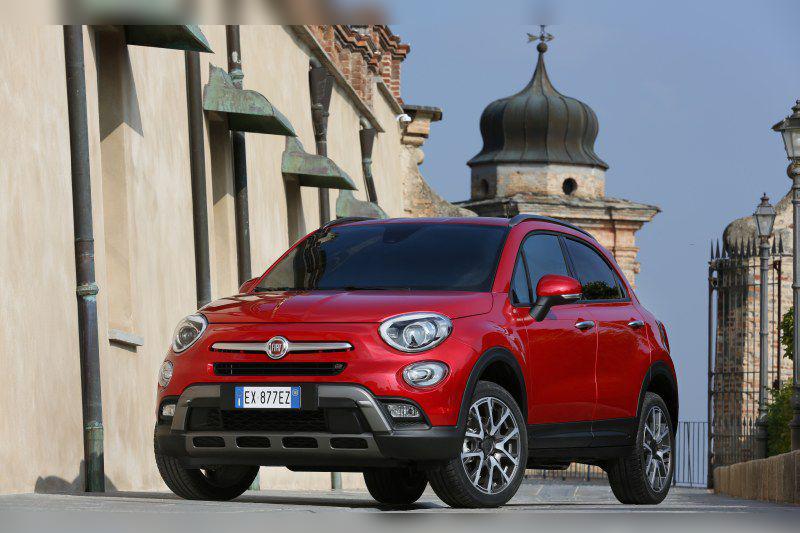
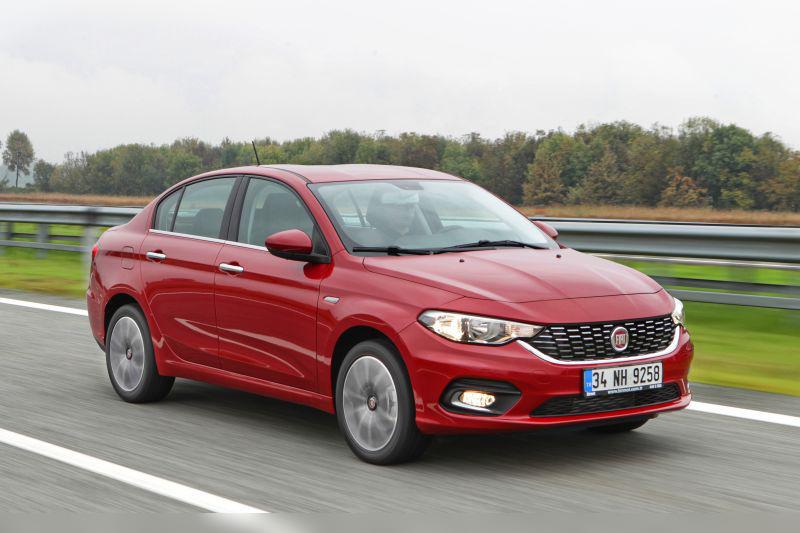
Italian engineers mastered diesel technology a long time ago, and the engine with the code 55260384 (better known as the 1.6 MultiJet II with 120 HP) is solid proof of that. It was installed in hugely popular models such as the Fiat 500X, Fiat Tipo and its twin Fiat Egea. This unit was designed as a workhorse that offers excellent performance with low fuel consumption. Thanks to its generous torque, it has become a favorite choice for estates and crossovers, where vehicle weight demands strong “push” from low revs.
Technical specifications
| Feature | Data |
|---|---|
| Displacement | 1598 cc |
| Power | 88 kW (120 HP) |
| Torque | 320 Nm |
| Engine codes | 55260384 |
| Injection type | Common Rail (MultiJet II) |
| Charging | Turbocharger (VGT), Intercooler |
Reliability and maintenance
Timing system and servicing
This engine uses a timing belt to drive the camshaft, not a chain. The timing belt has proven to be a reliable solution, provided it is not neglected. The factory often specifies longer intervals, but from my mechanic’s experience, the major service (replacement of timing belt, tensioner, idler pulleys and water pump) should definitely be done at around 100,000 to 120,000 km or every 5 years, whichever comes first. A snapped belt leads to severe cylinder head damage, bent valves and damaged pistons, which is extremely expensive to repair.
Oil: Quantity and consumption
The oil pan of this engine holds about 4.7 to 4.8 liters of oil. Due to the sensitivity of the DPF filter, only fully synthetic oil of grade 0W-30 or 5W-30 that meets the ACEA C2 (Low SAPS) standard is recommended, in order to reduce ash formation. There is some oil consumption between services, but it is minimal. It is considered completely normal for the engine to use about 0.5 liters of oil per 10,000 km. If you notice that you are topping up more than a liter over the same distance, it is time to check the turbocharger or piston rings.
Most common failures and injector condition
The engine is generally extremely durable, but it suffers from the “diseases of modern diesels”. The most common issues are related to the EGR valve and intake manifold, where soot builds up over time due to low‑rev driving. As for the injection system, the injectors in the MultiJet II system are top‑class. With regular fuel filter changes, they can easily cover more than 250,000 km before showing the first signs of wear. Symptoms of bad injectors include rough idle (engine shaking), black smoke when you press the accelerator and difficult cold starts.
Specific parts and costs
Dual‑mass flywheel and clutch
Yes, the 1.6 MultiJet 120 HP has a dual‑mass flywheel. Its job is to dampen the strong jolts produced by 320 Nm of torque. Due to aggressive driving or “lugging” the engine in a high gear at low revs, the springs in the flywheel can weaken. Replacing the clutch kit together with the dual‑mass flywheel is expensive (depends on the market), and the symptoms of wear are metallic rattling when switching the engine off and vibrations in the clutch pedal.
Turbocharger
This unit uses a single turbocharger with variable geometry (VGT). Its lifespan depends mostly on oil quality and driving style. If the driver does not push a cold engine hard and lets it idle for a few dozen seconds after spirited driving (to let the turbo cool down), the turbo can last as long as the engine itself. Failures most often come down to sticking variable vanes due to soot build‑up.
DPF, EGR and AdBlue
The model is equipped with both an EGR valve and a DPF filter. The EGR often gets dirty if the car never leaves city traffic. The DPF also suffers in town; if regenerations are constantly interrupted, it will clog up and cause the oil level in the sump to rise (due to unburnt fuel running down the cylinder walls).
As for the AdBlue (SCR) system, it is present mainly on newer versions, usually those produced after the facelift at the end of 2018 (to meet Euro 6d‑Temp standards). The AdBlue system requires occasional fluid top‑ups, and the most common problems include failures of NOx sensors and the pump in the AdBlue tank. Repairing these components is very expensive (depends on the market).
Fuel consumption and performance
Real‑world fuel consumption
Although brochures promise unrealistic figures, things are different in real life. In pure city driving, fuel consumption ranges between 6.5 and 7.5 l/100 km, depending on how heavy your right foot is and on the gearbox type (the automatic uses slightly more). On country roads, this figure easily drops to around 4.5 l/100 km.
Dynamics and driving behavior
Is the engine “lazy”? Absolutely not. With 320 Nm available from just 1,750 rpm, the Fiat 500X and Tipo with this engine are quite lively. The engine easily copes with full load, whether you are driving a car full of passengers or a heavily loaded estate. On the motorway, at 130 km/h in sixth gear, the engine cruises at a very relaxed 2,200 to 2,400 rpm, which ensures low cabin noise and moderate fuel consumption of about 5.5 to 6.0 liters.
Additional options and modifications
Since this is a turbo diesel with an excellent mechanical base, it is a great candidate for remapping. A safe Stage 1 ECU remap can raise power from 120 HP to about 145 to 150 HP, while torque increases to an impressive 370 to 380 Nm. If the modification is done by a reputable tuner, the engine will not suffer, but keep in mind that higher torque also means more stress on the dual‑mass flywheel and clutch disc.
Gearbox: Manual vs Automatic
Gearbox options and common failures
This engine is paired with a 6‑speed manual gearbox or a 6‑speed automatic with a dry dual‑clutch (DCT / DDCT).
The manual gearbox is generally long‑lasting. Failures are rare, but on cars with very high mileage the synchros can wear out. Costs on the manual gearbox usually come down to regular replacement of the clutch kit and dual‑mass flywheel.
The DDCT (automatic) offers fast gear changes and excellent comfort in the city. However, it is a potential “minefield” when buying used. The most common problems are related to the mechatronics (control unit) and wear of the dual clutch itself. Failures manifest as harsh judder when setting off, hesitation when changing gears and the gearbox going into “safe mode”. Repairing or replacing the clutch pack on this automatic is very expensive (depends on the market).
Gearbox maintenance
The myth that gearbox oil is “lifetime” is dangerous. For the manual gearbox, it is recommended to change the oil every 60,000 to 80,000 km. For the DDCT automatic, regular maintenance is crucial to saving the mechatronics – the fluid (gearbox oil and mechatronics hydraulic oil) MUST be changed every 60,000 km without exception.
Buying used and conclusion
What to check before buying?
When buying a used Fiat 500X or Tipo with this engine, focus on the following:
- Cold start: Listen to the engine. A metallic sound when starting or shutting down points to a worn dual‑mass flywheel. Also, look at the exhaust – bluish or thick white smoke on a cold start is a serious red flag.
- DPF condition: Run your finger along the inside of the exhaust tip. If the pipe is black and full of greasy soot, the DPF filter is most likely damaged, drilled through or removed. With a healthy DPF, the exhaust tip should be clean.
- Automatic test drive: If you are buying a DCT, drive it in stop‑and‑go traffic. The automatic must shift without jerks or hesitation. Any thump is a warning sign.
- Diagnostics: Always connect the car to a diagnostic tool. Check injector correction values, DPF saturation parameters and turbo pressure under load.
Conclusion
The 1.6 MultiJet 55260384 (120 HP) engine is a fantastic compromise between performance, maintenance and fuel consumption. It is not overly complex, parts are widely available, and the mechanical base can handle very high mileage. It is the best choice for drivers whose routine consists of mixed driving with frequent trips on open roads. If you need a car solely for short runs to the shop and back in rush‑hour city traffic, you are better off skipping this (and any other modern) diesel and looking for a petrol alternative to save both your DPF and your nerves.