Ford 1.5 TDCi (Duratorq XVGA/XVGB 100 HP) – Experiences, issues, fuel consumption and used-buying tips
- Reliable engine if serviced regularly, ideal for mixed driving.
- Unlike some more modern engines, it uses only a timing belt.
- Very economical, but sensitive to poor-quality fuel and exclusively city driving (DPF and EGR issues).
- Versions with the AdBlue system require attention due to frequent fluid crystallization.
- On heavy, fully loaded long-wheelbase (L2) versions it can feel a bit sluggish on uphill sections.
- Requires regular oil changes to protect the turbocharger and prevent soot buildup.
Contents
- Introduction: Get to know the 1.5 TDCi Duratorq
- Technical specifications
- Reliability and maintenance
- Specific parts and costs
- Fuel consumption and performance
- Additional options and modifications
- Gearbox and drivetrain
- Buying used and conclusion
Introduction: Get to know the 1.5 TDCi Duratorq
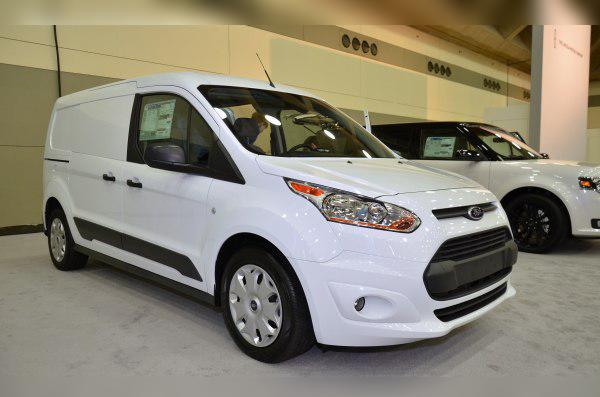
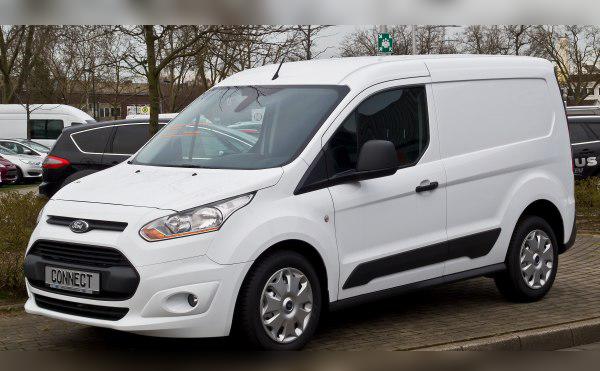
When it comes to light commercial vehicles and family vans, the second-generation Ford Transit Connect relied on proven, well-known technology. Under the bonnet of models with engine codes XVGA and XVGB beats the 1.5 TDCi Duratorq engine with an output of 74 kW (100 HP). This unit, developed on the basis of the older 1.6 TDCi engine (in cooperation with the PSA group), was modified to meet stricter emission standards while retaining durability. It is installed in a wide range of Connect models, from short (L1) and long (L2) panel vans to comfortable passenger (Wagon) versions.
Technical specifications
| Specification | Data |
|---|---|
| Displacement | 1499 cc |
| Power | 74 kW (100 HP) |
| Torque | 250 Nm |
| Engine codes | XVGA, XVGB |
| Injection type | Common rail (direct injection) |
| Turbo/Naturally aspirated | Turbocharger with intercooler |
Reliability and maintenance
This engine, in its basic Duratorq form, uses a timing belt rather than a chain, which many mechanics consider an advantage because replacement is predictable and does not carry the risk of sudden stretching and chain breakage, as is typical of some newer units. The manufacturer specifies an extremely long interval for the major service, often up to 200,000 km, but any experienced mechanic will tell you that the safest option is to replace the timing belt, tensioners and water pump between 120,000 and 150,000 km. If the belt snaps, it causes catastrophic damage to the valves and cylinder head.
As for the regular (minor) service, the sump holds about 3.8 to 4.0 litres of oil. It is recommended to use only high-quality synthetic oil with a viscosity grade of 0W-30 or 5W-30 that meets the specific Ford standard (WSS-M2C950-A). The engine is known for not being a heavy oil consumer. Consumption of 0.2 to 0.5 litres between two services (over 10,000 to 15,000 km) is considered completely normal. If it uses more than that, the problem should be sought in worn piston rings or, more commonly, in oil leaks at the turbocharger seals.
When it comes to the injectors, this common-rail system is reliable, and injectors typically last from 200,000 to 250,000 km before they start to show signs of wear (rough running when cold, increased smoke). Their service life depends mostly on fuel quality and regular replacement of the fuel filter.
Specific parts and costs
Many drivers are wary of the presence of a dual-mass flywheel. Models with this 100 HP engine, especially those paired with six-speed manual gearboxes in heavier body styles, come from the factory with a dual-mass flywheel to reduce vibrations. Replacing the complete clutch kit with flywheel is quite an expensive item, with prices ranging from 600 to 1000 EUR (depending on the market).
The turbocharger has variable geometry (VGT). It has proven to be extremely durable if you avoid bad driving habits – the most important thing is to let the engine idle for a few tens of seconds after hard driving so that the oil can cool the turbo shaft. If the oil is not changed regularly, the oil pump strainer can clog, which directly leads to turbo failure.
The exhaust after-treatment systems are a sore point for drivers who use the vehicle exclusively for short city trips (courier services, delivery). The EGR valve quickly gets clogged with soot, which leads to jerking while driving and loss of power. Also, the DPF filter often fails to perform passive regeneration in city conditions, so it becomes clogged. Removing and machine-cleaning the DPF is not cheap.
Newer versions of this engine (to comply with Euro 6 standards) are equipped with an AdBlue system. The system is not without flaws; the most common failures are the AdBlue injector or the pump integrated into the tank itself, due to urea crystallization, especially in winter at temperatures below -11 °C. Replacing the entire module or tank is very expensive (depending on the market), so it is advisable to use additives that prevent AdBlue fluid crystallization.
Fuel consumption and performance
As a commercial vehicle, the Transit Connect rewards its owner at the fuel station. Real-world consumption in strictly urban driving ranges between 6.5 and 7.5 l/100 km, which is an excellent result considering the vehicle’s aerodynamics and weight. On open roads and main routes, consumption easily drops to around 5.0 l/100 km.
Is the engine “sluggish”? The output of 100 HP and 250 Nm is perfectly adequate for an empty or half-loaded panel van (L1) and for everyday driving of the passenger (Wagon) version. However, if you are buying the long L2 panel van and loading it up to its maximum payload, you will feel a lack of power reserve on long climbs, where you will need to reach for the gear lever more often.
On the motorway the engine behaves properly. At 130 km/h in sixth gear, revs sit at an optimal 2300 to 2500 rpm. Cabin noise is more a consequence of the boxy shape of the vehicle and airflow than of the engine itself.
Additional options and modifications
This unit responds very well to chipping (Stage 1 remap). With software modifications, power can be safely raised from 100 HP to around 120–125 HP, while torque increases to approximately 300 Nm. This change is dramatically noticeable when driving under load. However, keep in mind that higher torque wears out the dual-mass flywheel and clutch disc faster, especially if the extra power is used aggressively at low revs.
Gearbox and drivetrain
With the 1.5 TDCi in the Transit Connect you will most often find manual gearboxes (five-speed and six-speed) and automatic transmissions. The manual gearboxes are extremely durable, and failures are rare. The manufacturer usually labels the oil in the manual gearbox as “lifetime”, but experienced mechanics recommend changing it every 100,000 km to keep the synchros in perfect condition.
As for the automatic transmission, older versions used the PowerShift dual-clutch gearbox, while newer ones received a more conventional automatic. The PowerShift can be a ticking time bomb if not maintained properly. Regular servicing with oil and filter changes must be done strictly every 60,000 km. Symptoms of automatic gearbox failure include jerking when setting off or delays when changing gears. Repairing an automatic gearbox is very expensive (depending on the market) and requires a specialist.
Buying used and conclusion
Buying a used Ford Transit Connect with the 1.5 TDCi engine requires a cool head and a thorough inspection. Always insist on a cold start – pay attention to metallic noises from the right side of the engine (which indicate an issue with the timing system or tensioners) and listen for “hammering” injectors.
Watch the exhaust smoke: blue smoke indicates oil consumption and a potential end of life for the turbocharger, while thick black smoke when you press the accelerator points to a clogged EGR, split intercooler hoses or problematic injectors. Connecting the vehicle to an OBD diagnostic tool is a must – check the level of DPF filter saturation and look for hidden fault codes related to the AdBlue system.
Final verdict: Who is this engine for? It is a fantastic workhorse for small businesses, tradespeople and larger families (in the Wagon version) who cover higher mileages in mixed driving conditions. It is not recommended for couriers who never leave first and second gear in city centres, as they will quickly become slaves to emission-related issues (DPF/EGR/AdBlue). Buy a carefully checked example with a properly stamped service book, maintain it regularly, give it some open-road driving, and it will serve you long and reliably.