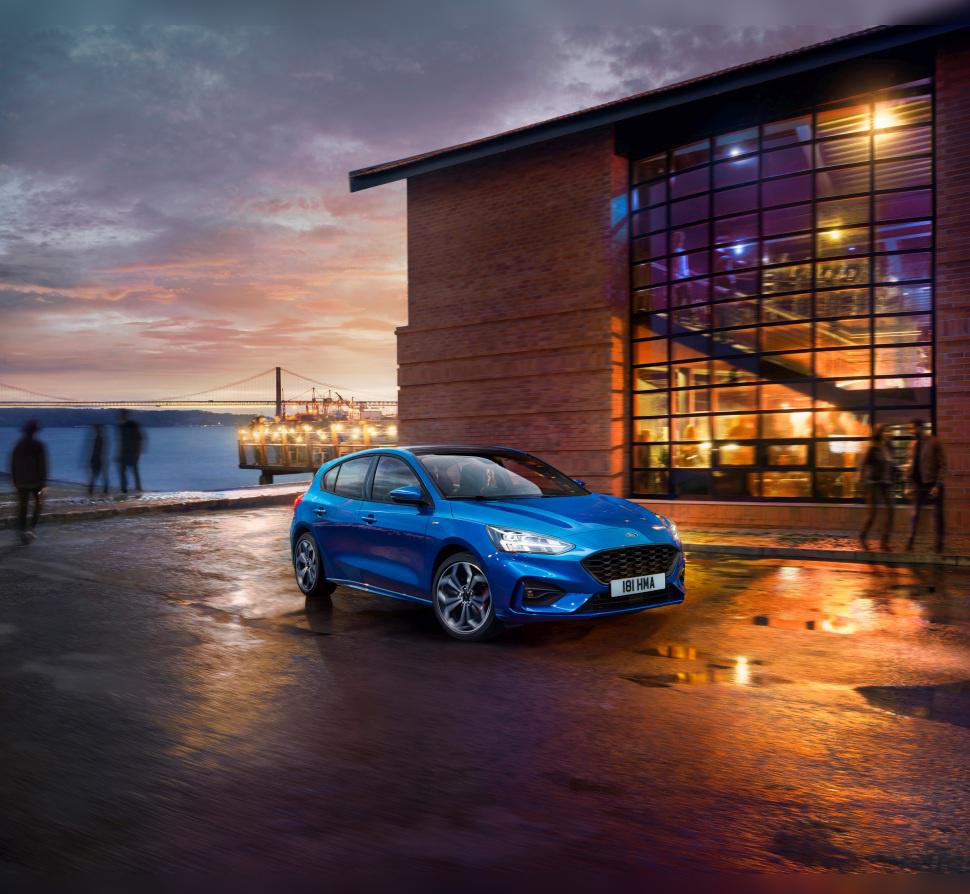
Ford 1.5 EcoBlue (ZTDB) 120 HP: Experiences, Problems, Fuel Consumption and Used Car Buying Tips
- Great torque: With 300 Nm, the engine offers easy and smooth acceleration, ideal for estate and hatchback versions.
- Fuel efficiency: Fuel consumption on the open road is extremely low, which makes it an excellent cruiser.
- Timing belt in oil (Wet Belt): The most critical point of the engine. It requires meticulous maintenance and strict use of the specified oil to avoid failures.
- AdBlue system: As with most modern diesels, it is sensitive to city driving and prone to crystallization.
- Automatic transmission: The comfortable 8-speed automatic requires regular oil changes to avoid jerking and valve body failures.
- DPF and EGR: They require regular driving on open roads for regeneration; exclusively city driving will clog them quickly.
Contents
- Introduction: Get to Know the 1.5 EcoBlue
- Engine Technical Specifications
- Reliability and Maintenance
- Specific Parts and Costs
- Fuel Consumption and Performance
- Additional Options and Modifications
- Gearbox: Manual vs Automatic
- Buying Used and Conclusion
Introduction: Get to Know the 1.5 EcoBlue
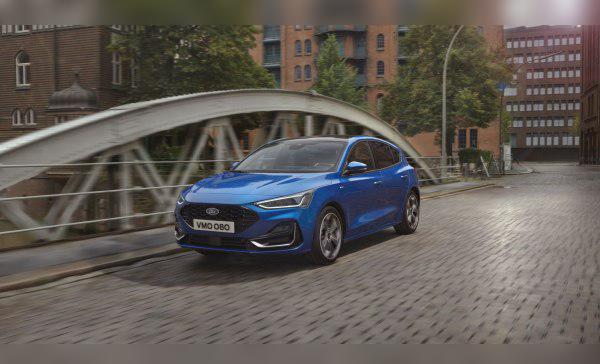
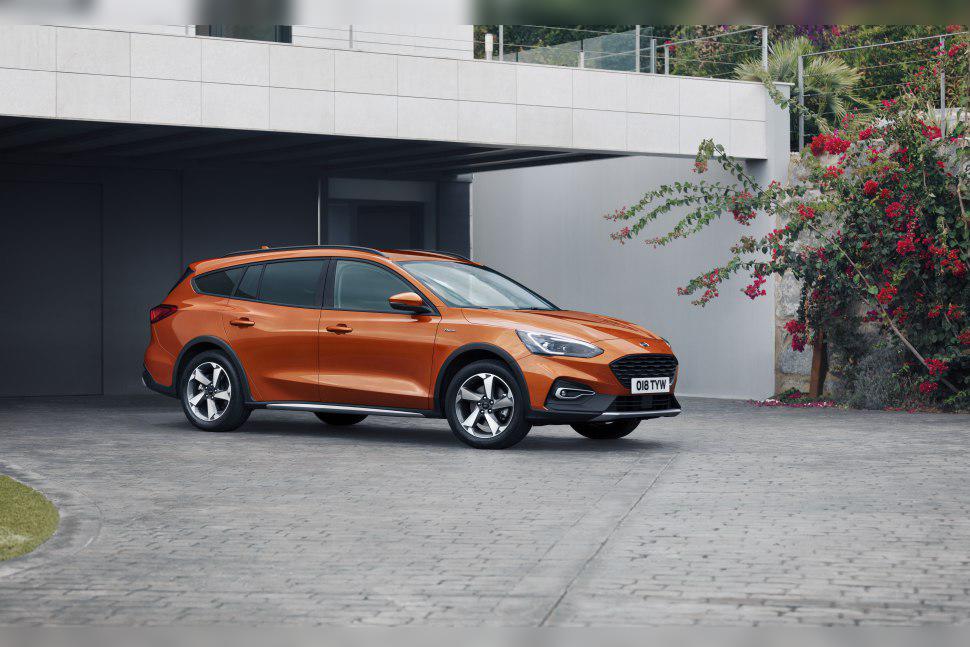
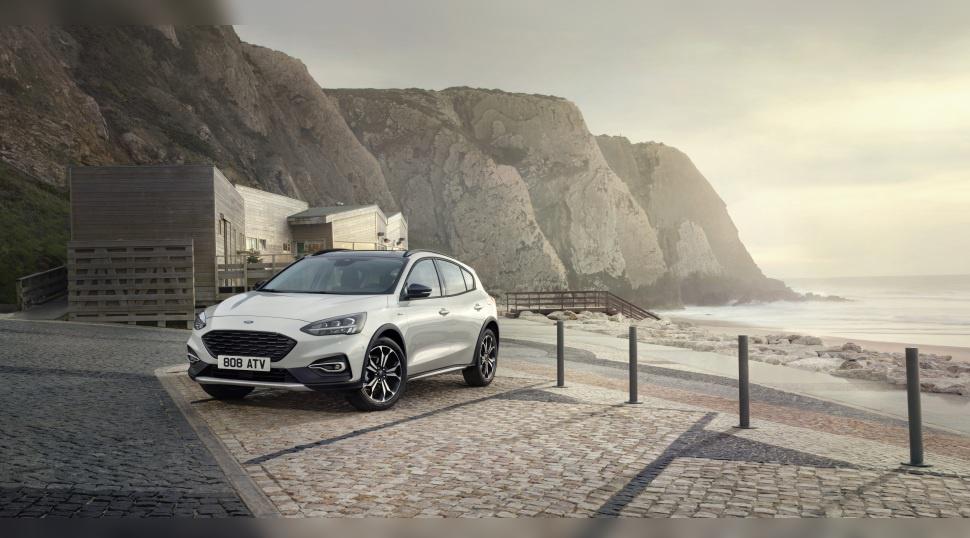
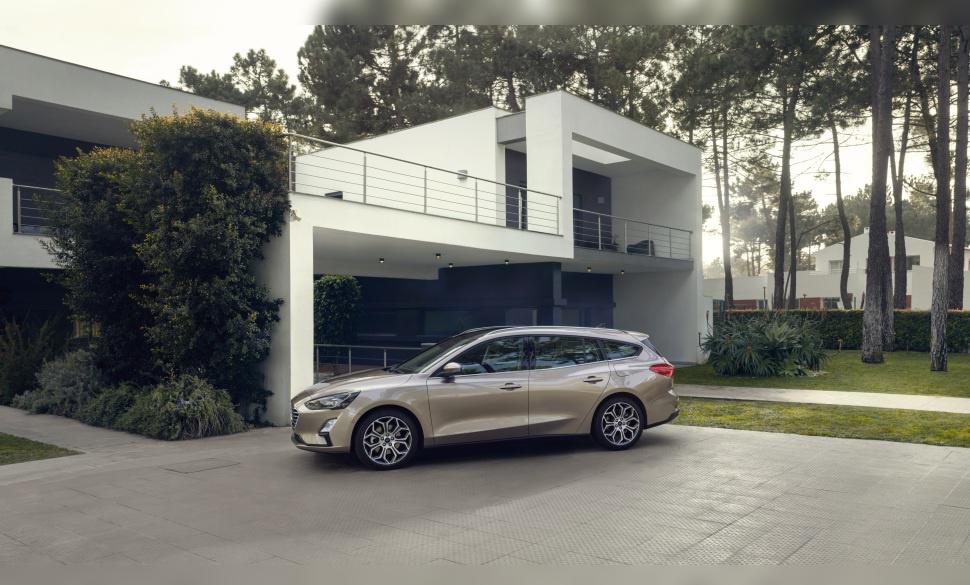
The engine with the code ZTDB represents a modern generation of Ford diesel units under the commercial name 1.5 EcoBlue. It was designed as a replacement for the older and well-known 1.5 TDCi, with the goal of meeting strict Euro emission standards while maintaining good performance. This 120 HP engine was installed across the entire range of the fourth generation Ford Focus (including the 2022 facelift) – from the classic hatchback, through the spacious estate (Wagon), all the way to the “crossover” Active versions. Thanks to an excellent balance of power and fuel consumption, it is extremely popular as a fleet vehicle across Europe, but it also comes with certain technical specifics that every potential buyer needs to know.
Engine Technical Specifications
| Characteristic | Specification |
|---|---|
| Engine displacement | 1500 cc |
| Power | 88 kW (120 HP) |
| Torque | 300 Nm |
| Engine codes | ZTDB |
| Fuel and injection type | Diesel / Common Rail direct injection |
| Charging method | Turbocharger (VGT), Intercooler |
Reliability and Maintenance
Timing belt in oil (Wet Belt) – Main Weak Point
What interests mechanics and owners the most is the timing system. The ZTDB engine uses a timing belt that is submerged in engine oil (the so‑called “wet belt” system). Although it was conceived to reduce friction and noise, in practice it has proven to be a sensitive point. If the oil is not changed on time or the wrong grade is used, the belt material starts to crumble. Those rubber particles then clog the oil pump strainer in the oil pan, which leads to a drop in oil pressure and, in the worst case, to seizure of the crankshaft and total engine failure.
Although the factory‑specified interval for the major service is optimistic (often close to 150,000 km), practice and workshop experience dictate that the major service must be done no later than at 100,000 km or every 5 to 6 years, whichever comes first.
Service intervals and engine oil
This engine takes about 3.8 to 4.0 liters of oil. Because of the aforementioned sensitive timing belt, it is absolutely mandatory to use oil with extremely low viscosity, specifically 0W‑20 with the specific Ford approval (WSS‑M2C952‑A1). Do the minor service strictly every 10,000 to 15,000 km. The ZTDB engine is generally not prone to oil consumption if it is mechanically sound. Normal consumption between two services is up to 0.5 liters, and anything above that may indicate worn piston rings or oil leakage at the turbocharger shaft.
Condition of injectors and injection system
The injection system on this diesel is Common Rail and relies on modern, high‑precision injectors. They have proven to be very durable if quality fuel is used. They can last over 200,000 to 250,000 km before showing signs of fatigue. Symptoms of bad injectors include rough engine operation at idle (uneven running), increased exhaust smoke during cold starts, as well as “knocking” under hard acceleration.
Specific Parts and Costs
Dual mass flywheel and clutch
Versions with a manual gearbox are equipped with a dual mass flywheel (DMF). Its purpose is to dampen the vibrations of the strong diesel. Replacing the entire clutch kit together with the dual mass flywheel falls into the category of – expensive (Depends on the market). The driver will notice that the flywheel is worn when the car starts to shudder when moving off, when a metallic knock (rattle) is heard when switching off the engine, or when strong vibrations are felt on the clutch pedal.
Turbocharger
The ZTDB is equipped with a single turbocharger with variable geometry (VGT). The turbo’s lifespan is usually aligned with the engine’s lifespan (around 200,000+ km), provided that the oil is changed on time. Overhauling or replacing the turbo can be very expensive (Depends on the market). Listen for a “whistling” sound like a siren when you press the accelerator – this is a clear sign of worn turbo rotor.
Emissions: DPF, EGR and the notorious AdBlue
This model is equipped with all modern emission control systems. The DPF filter and EGR valve do their job very well, but they hate stop‑and‑go city driving. The EGR gets clogged with soot, while the DPF fills with ash if the car does not get a chance to perform regeneration on the open road at higher exhaust temperatures.
In addition, the 1.5 EcoBlue has an AdBlue system (SCR catalyst). This system is a frequent source of frustration. Problems arise due to crystallization of the AdBlue fluid in the lines, failure of the heaters in the AdBlue tank or pump failure. Repairing these components is expensive to very expensive (Depends on the market). Prevention includes using special additives that prevent crystallization in the tank.
Fuel Consumption and Performance
Is 120 HP and 1.5 liters of displacement “lazy” for a fairly heavy Focus estate? The answer is: No. The secret lies in the excellent torque of 300 Nm that is available at low revs. The engine carries the body with ease, and in‑gear acceleration is perfectly adequate for safe overtaking.
Real‑world fuel consumption in city conditions (which is not its natural habitat) ranges between 5.5 and 6.5 l/100 km. On open roads and highways, this figure can drop to a fantastic 4.0 to 4.5 liters. On the motorway, at a speed of 130 km/h, the engine cruises at a very relaxed 2,000 to 2,200 rpm (depending on the gearbox). In the cabin it is extremely quiet, and the aerodynamics and sound insulation make it a true mile‑eater.
Additional Options and Modifications
Ford’s 1.5 EcoBlue responds very well to software tuning (chiptuning). A standard Stage 1 remap can safely raise the power from 120 HP to about 145 to 150 HP, and the torque from 300 Nm to 340 to 350 Nm. If you decide to take this step, keep in mind that it increases the load on the DPF filter and the dual mass flywheel. On models with an automatic gearbox, the tuner must pay attention to the torque limiters of the gearbox itself.
Gearbox: Manual vs Automatic
The Ford Focus IV with this engine offers two transmission options: a classic 6‑speed manual gearbox and a modern 8‑speed automatic gearbox (with rotary selector – e‑Shifter).
Manual gearbox
The manual gearbox is mechanically extremely robust. The biggest expense you can expect is the already mentioned replacement of the clutch kit and dual mass flywheel. Failures of the gears themselves or the synchronizers are extremely rare.
Automatic gearbox (8 speeds)
The automatic provides exceptional comfort and is very smooth when shifting. However, many manufacturers, including Ford, like to say that the oil in the gearbox is “lifetime” (sealed for life). Any experienced mechanic will tell you that this is a myth. The oil in the automatic gearbox must be changed every 60,000 km. If this is not done, accumulated metal particles and degraded oil will damage the valve body. Symptoms of failure are harsh engagement and “jerking” when shifting from P to D or R, as well as jolts when downshifting while decelerating.
Buying Used and Conclusion
What to check thoroughly before buying?
- Service history is everything: If the owner cannot prove that only 0W‑20 Ford‑approved oil has been used regularly, walk away from that car. The wrong oil means accelerated disintegration of the timing belt.
- Noises on cold start: The engine must start “on half a turn” without smoke, rattling or excessively long cranking.
- Condition of the DPF: Wipe your finger along the inside of the exhaust tip. It should be relatively clean. If there is a thick layer of black, greasy soot, the DPF has been drilled, removed or is completely destroyed.
- Test drive of the automatic: Warm the car up to operating temperature, then drive in stop‑and‑go traffic. The gearbox must not show any delays or harsh shifts.
Who is this car for?
The Ford Focus 1.5 EcoBlue (ZTDB) with 120 HP is an excellent car for drivers who cover a lot of kilometers, primarily on open roads and motorways. It offers top‑class fuel economy, excellent road holding (a known Focus trait) and a pleasant environment for long journeys.
On the other hand, if you use the car exclusively for taking kids to school and short commutes to work in the city, avoid this diesel. City driving will cost you dearly through problems with the AdBlue system, a clogged DPF and premature failure of the timing belt due to oil dilution with fuel (because of interrupted regenerations).