Engine A14NET (1.4 Turbo 140 HP): Experiences, problems, fuel consumption and used-car buying tips
Key points in short (TL;DR)
- Engine timing: It uses a timing chain which is usually replaced between 120,000 and 150,000 km when it starts to rattle.
- Injection system: Indirect injection (MPI), which makes it ideal for LPG (autogas) conversion and it does not suffer from carbon buildup on the valves.
- Gearbox (M32): By far the biggest weak point. The 6-speed manual gearbox requires regular oil changes to prevent bearing failure.
- Cooling system and PCV: Coolant leaks (expansion tank, plastic tees, water pump) and membrane failure in the valve cover (PCV) are the most common faults.
- Performance and weight: Due to the very heavy body (especially Astra J and Insignia), the engine feels slightly sluggish at low revs, and city fuel consumption is higher than expected.
- Maintenance: Proper oil choice (Dexos 1 Gen 2) and regular spark plug replacement (every 60,000 km) are crucial for the longevity of the turbocharger and ignition coils.
Contents
- Introduction: The golden middle of Opel’s lineup
- Technical specifications
- Reliability, maintenance and common issues
- Specific parts and costs
- Fuel consumption, performance and driving
- Extras, LPG and modifications (chiptuning)
- Transmissions: The notorious M32 and the automatic
- Buying used and conclusion
Introduction: The golden middle of Opel’s lineup
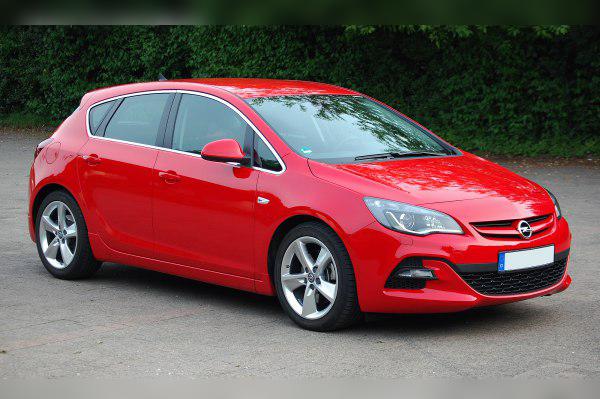
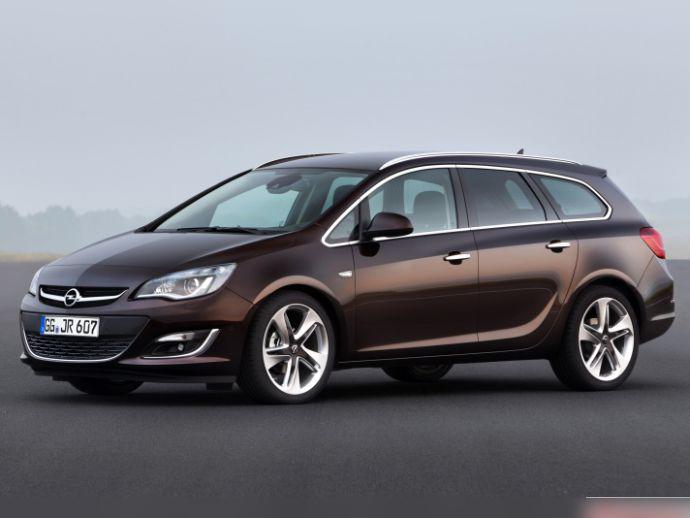
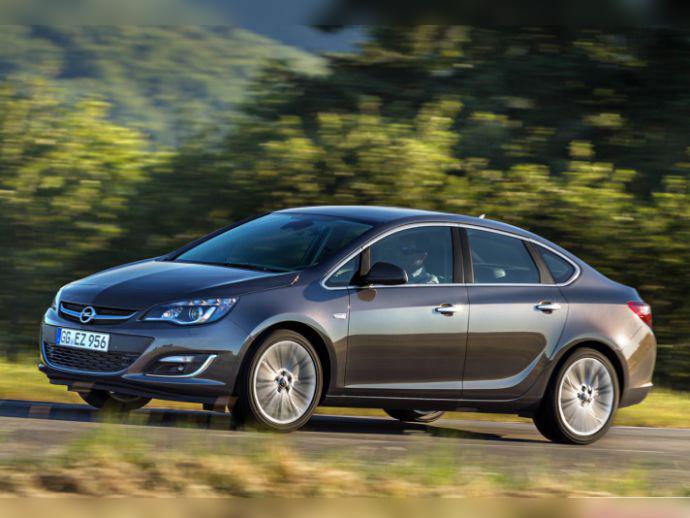
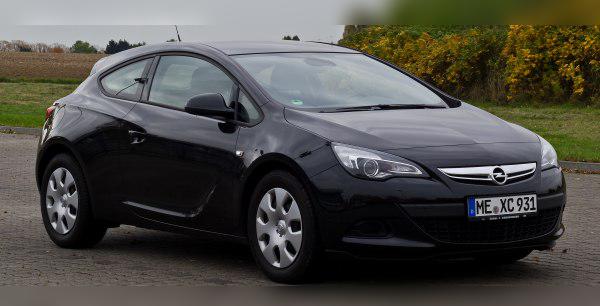
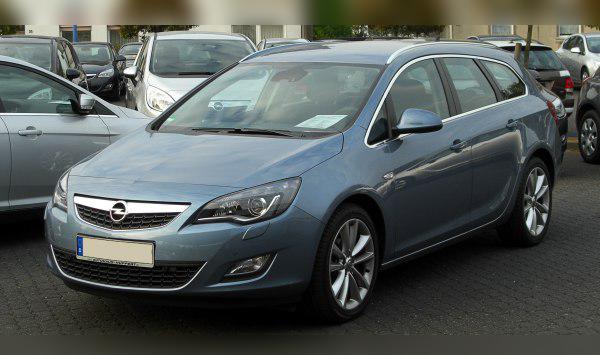
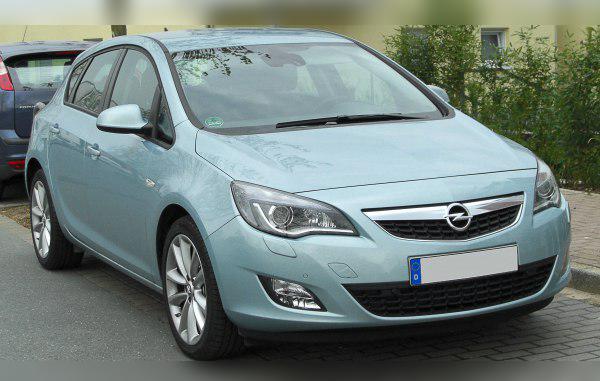
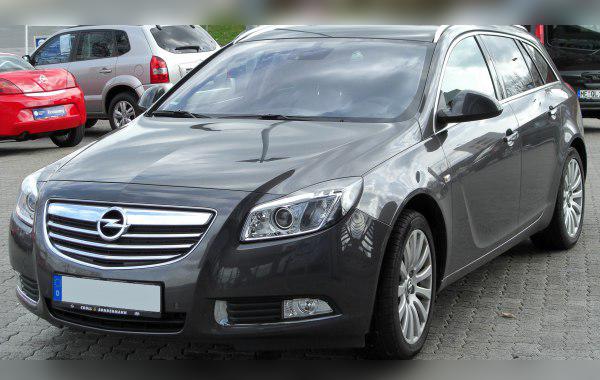
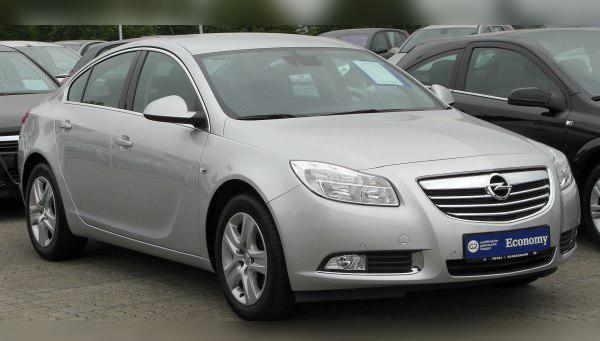
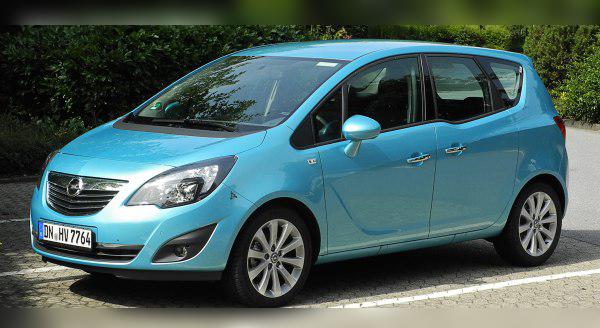
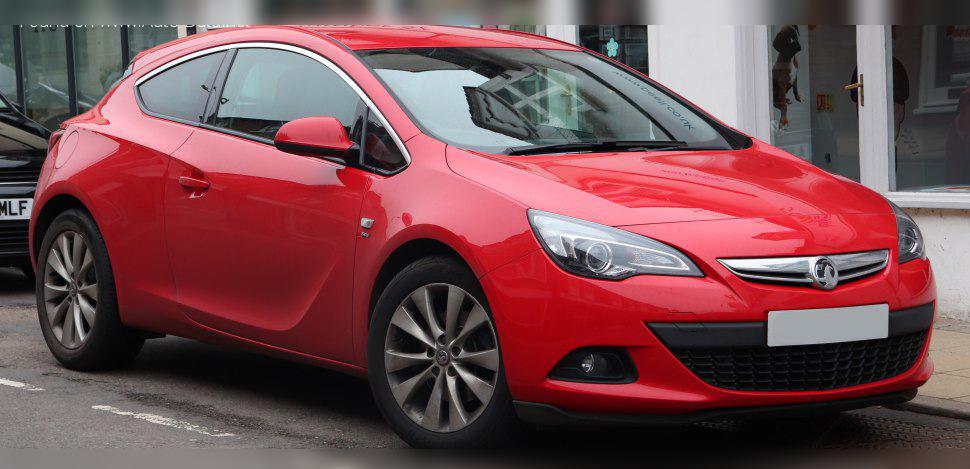
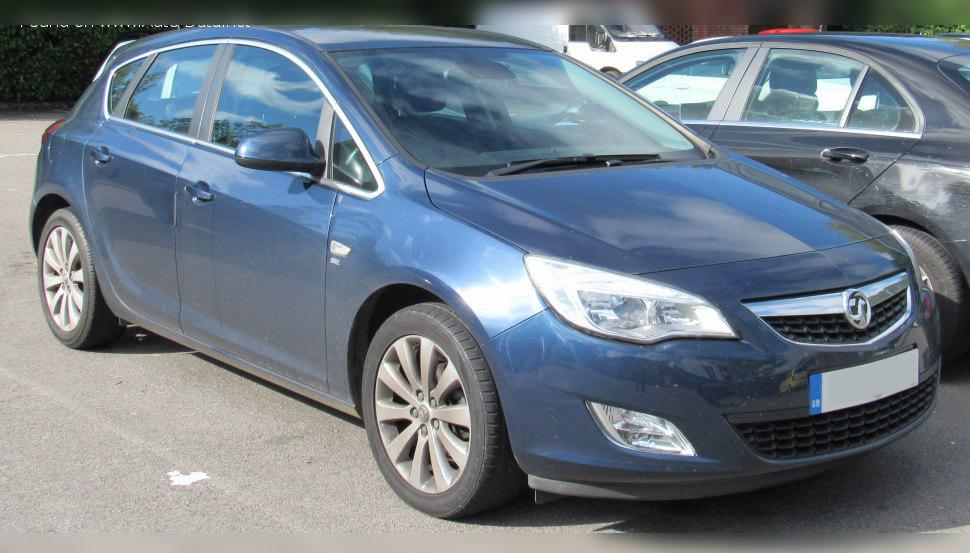
The engine designated A14NET (and its newer Euro 6 variant B14NET) is one of the most widespread petrol engines from Opel’s downsizing era. It was introduced as a replacement for the older naturally aspirated 1.8-liter engines, bringing a turbocharger and 140 HP. This unit was installed in almost all popular models: from the Astra J and its GTC/Sports Tourer variants, through the spacious Zafira Tourer C and Meriva B, all the way to the massive Insignia A. Its indirect injection design makes it highly sought-after on the used market today, especially among drivers who want a reliable turbo-petrol without excessive complications and those who cover high mileage on LPG.
Technical specifications
| Parameter | Value |
|---|---|
| Engine code | A14NET / LUJ (later B14NET) |
| Displacement | 1398 cc |
| Power | 103 kW (140 HP) at 4900 - 6000 rpm |
| Torque | 199 Nm (200 Nm) at 1850 - 4900 rpm |
| Fuel type and injection | Petrol / LPG (MPI - Indirect, into the intake manifold) |
| Charging system | Turbocharger with intercooler |
| Timing drive | Chain |
Reliability, maintenance and common issues
This engine is generally considered durable and reliable, but it has several specific “childhood diseases” every buyer should know about. The first important point is the timing system. The A14NET uses a chain, not a timing belt. There is no strictly defined interval for a major service (chain replacement) in the service book, but in real-world use the chain starts to stretch and “rattle” on cold start at mileages of between 120,000 and 150,000 km. At that point, replacement of the complete chain kit, guides and tensioner is mandatory. Postponing this service can lead to the chain jumping teeth and serious valve damage.
During a regular minor service, the engine takes about 4.0 liters of oil (with filter). What is absolutely crucial for the A14NET is the oil grade and specification. Although the first service books recommended standard GM Dexos 2, Opel later issued an official notice that these engines must use oil with Dexos 1 Gen 2 (or newer Gen 3) specification, viscosity 5W-30. The reason is to prevent the phenomenon known as LSPI (Low-Speed Pre-Ignition), which can crack pistons during hard acceleration at low revs. As for oil consumption, Opel states that up to 0.6 l/1000 km is normal, but in practice a healthy engine should not consume more than 0.5 to 1 liter per 10,000 km. Noticeable oil consumption usually points to a problem with the turbo or piston rings.
Typical issues: Cooling and PCV valve
The things your mechanic will most often be fixing on this engine are coolant leaks and crankcase ventilation problems. The water pump often starts leaking (it is driven by the auxiliary belt, not the chain). Also, the plastic coolant tees and the expansion tank itself tend to crack with age and temperature changes, so the car starts losing coolant gradually and unnoticed.
The second major and frequent issue is the PCV valve membrane (crankcase ventilation), which is integrated into the valve cover. When this membrane tears (most often between 80,000 and 120,000 km), the engine starts drawing in false air. Symptoms include: rough idle, illuminated “Check Engine” light, high oil consumption, and a specific whistling sound (like a kettle) from the engine bay. Unfortunately, the solution is to replace the entire valve cover, which is a moderate expense (depends on the market).
Ignition system
Since this is a petrol engine, regular spark plug replacement is crucial. They are replaced every 60,000 km. If this interval is ignored, the spark plug gap increases, which puts excessive strain on the ignition coil pack. New coil packs are quite expensive (costly, depending on the market), so it is cheaper to replace spark plugs regularly than to wait until the car starts jerking under acceleration, which is a clear sign of coil failure.
Specific parts and costs
One of the best pieces of news for potential buyers is that the injection system is very simple. It uses indirect (MPI) injection. Petrol injectors rarely, almost never, cause problems, and the intake valves are constantly washed by fuel, so there is no carbon buildup as on modern direct-injection engines.
Since it is a petrol engine, it does not have a DPF filter (GPF filters only appeared in later generations of engines on other models), nor does it use AdBlue. It also does not have a typical problematic EGR valve that clogs up, because exhaust gas recirculation is performed internally via the VVT (variable valve timing) system on the camshafts. These VVT sensors and actuators are reliable provided you change the oil regularly (every 10,000 - 15,000 km).
The BorgWarner turbocharger has a solid service life and can easily last over 150,000 to 200,000 km. However, one specific weak point is the cracking of the turbine housing near the wastegate flap due to high exhaust gas temperatures. Symptoms include loss of power, underboost error codes and a slight rattling noise from the turbo area when you release the throttle. Turbocharger overhaul falls into the more expensive repairs (depends on the market).
Fuel consumption, performance and driving
If you expect that a 1.4-liter engine will be very economical, prepare for a surprise. The cars in which the A14NET is installed (especially Astra J, Zafira and Insignia) are heavier than average. Because of this, real-world city fuel consumption is between 8.5 and 10.5 liters per 100 km (often even more with the A/C on and in heavy traffic).
On the road, the engine delivers a very “linear” power delivery thanks to the turbo, but precisely because of the heavy body it feels quite “lazy” at low revs compared to lighter competitors. Only above 2500 rpm does it show its real liveliness.
On the motorway, the A14NET is a perfectly decent cruiser. Combined with the 6-speed manual gearbox, at 130 km/h the engine spins at about 2700 - 2900 rpm (depending on the gear ratios of the specific model). Cabin noise is minimal, and highway fuel consumption is a much more reasonable 6.5 to 7.5 l/100 km.
Extras, LPG and modifications (chiptuning)
This is by far the best modern turbo-petrol engine for LPG (autogas) conversion. Thanks to indirect injection, installing a sequential LPG system is routine and not too expensive. Opel also offered factory LPG versions of this engine. It should be noted that factory LPG versions (they have a specific engine/equipment code) have reinforced valve seats made of more durable materials to withstand the higher combustion temperatures of gas. Still, with a properly tuned map and a quality system, a standard A14NET can run on LPG for years without issues.
When it comes to chiptuning (Stage 1), the engine has excellent potential for a software power increase. The stock 140 HP and 200 Nm can safely be raised to about 165 to 170 HP and around 240 to 250 Nm of torque. The driving feel changes dramatically and the car becomes noticeably more responsive. Warning: The limiting factor here is not the engine, but the manual gearbox (M32), which is rated for a maximum of around 320 Nm, yet its bearings fail en masse even at stock power levels. If you go for chiptuning, a milder map at low revs is recommended to spare the gearbox.
Transmissions: The notorious M32 and the automatic
The A14NET engine is usually paired either with the 6-speed manual gearbox designated M32, or with a conventional 6-speed automatic (torque converter) designated 6T40.
Manual gearbox (M32) and dual-mass flywheel
The M32 gearbox is one of the most notorious gearboxes in Opel’s range. The biggest problem is poor lubrication of the 6th-gear bearings, which causes them to crumble and fail. Failure symptoms: Noticeable whining (like an airplane turbine) in 5th and 6th gear, and the gear lever physically moving back and forth when you apply and release the throttle in 1st or 5th gear. How to prevent it? Gearbox servicing and oil changes every 60,000 km are recommended. Experience has shown that filling in about 2.2 to 2.4 liters (slightly more than the factory spec) of quality oil significantly extends bearing life.
As for power transmission, yes, manual versions are equipped with a dual-mass flywheel. If the car jerks when taking off, or you hear metallic knocking when starting and switching off the engine, these are signs of a worn flywheel. Replacing the complete set (clutch, dual-mass flywheel and hydraulic release bearing) is a very expensive job (depends on the market).
Automatic gearbox (6T40)
The automatic is significantly more reliable than the M32 manual, provided it has been maintained. It offers smooth, but somewhat slow shifts. The most common issues include jerking when shifting from 2nd to 3rd gear, which often signals a failing valve body or problems with the TCM control module overheating. Here too, maintenance is key – gearbox service with oil change is mandatory every 60,000 km. This automatic gearbox does not have a dual-mass flywheel, but a classic torque converter.
Buying used and conclusion
When you go to inspect a used car with the A14NET engine, here is a concrete checklist of things to check before buying:
- Noise on cold start: Listen carefully for 2–3 seconds after starting. If you hear metallic rattling that disappears once oil pressure builds up, the chain needs to be replaced.
- Checking the gear lever (M32): Put it in first gear, set off briskly, then release the throttle. If the gear lever “plays” back and forth, the gearbox is due for overhaul. Go out on a straight road and listen for gearbox whining in 5th and 6th gear at around 90 km/h.
- Coolant inspection: Look at the expansion tank. Is it swollen? Are there traces of dried red (or orange) coolant around the plastic tees on the engine? Ask the seller not to warm up the car before you arrive so you can smell the sweet coolant odor under the bonnet if there is a leak.
- PCV valve check: While the engine is idling, pull out the dipstick. The engine should change its running slightly, but if you hear strong hissing and feel a strong vacuum at the oil filler cap, the membrane in the valve cover is torn.
- Diagnostics: Be sure to check the history of misfire error codes, which is a direct indicator of bad spark plugs or an imminent coil failure. The presence of a P0299 code (underboost) points to a cracked turbo housing.
Final verdict: Who is it for?
The 1.4 Turbo (A14NET) engine is an excellent choice for drivers who value safety, quiet and smooth driving, and the possibility of ultra-cheap running costs on LPG. You do not buy this engine for racing performance – due to the heavy chassis of the Astra J or Insignia, this is not a sports car. With regular changes of the correct Dexos 1 Gen 2 oil, monitoring coolant level and carefully checking the notorious M32 gearbox before purchase, this engine will faithfully serve you for hundreds of thousands of kilometers.