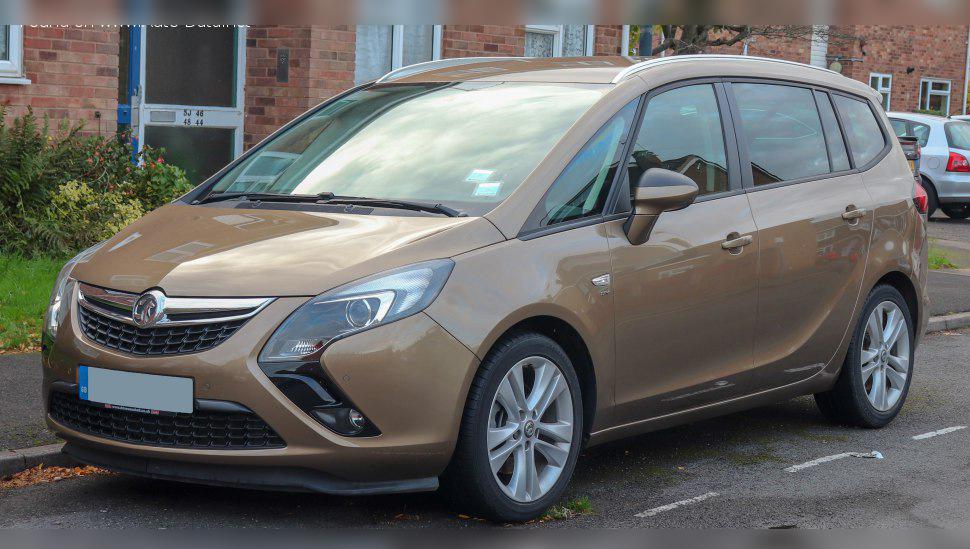
Opel 1.4 Turbo Ecotec (A14NET / B14NET) 140 HP: Experiences, problems, fuel consumption and used-car buying tips
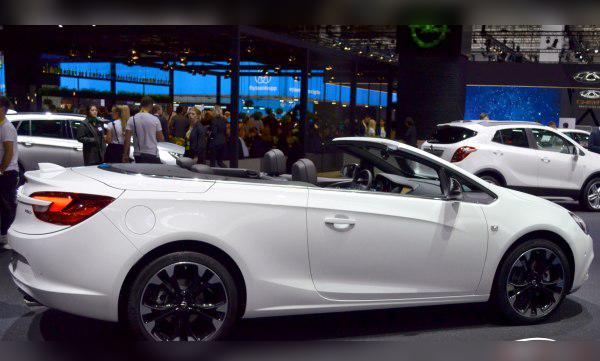
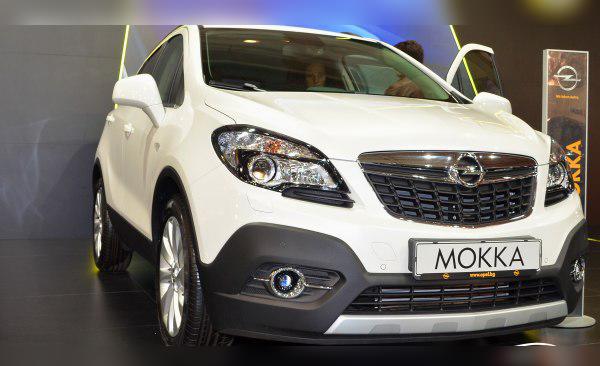
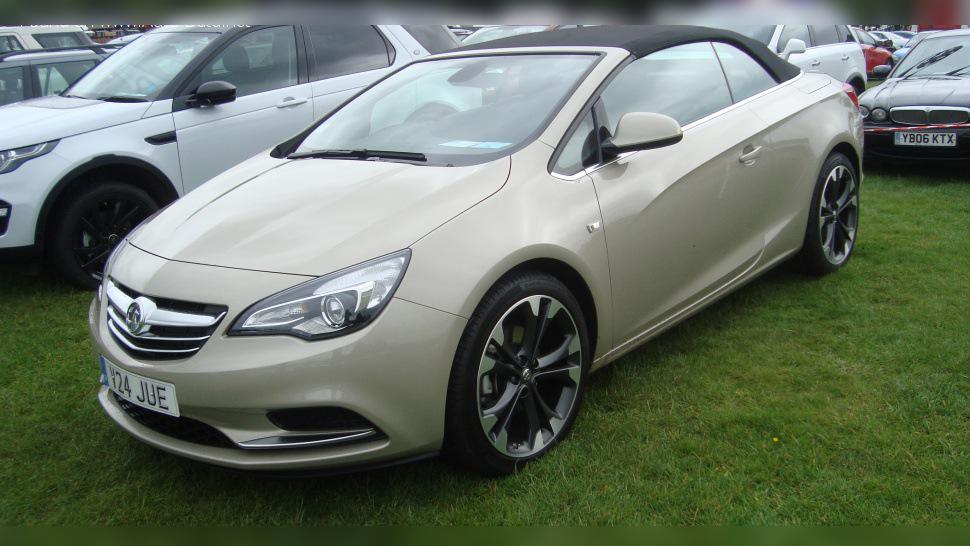
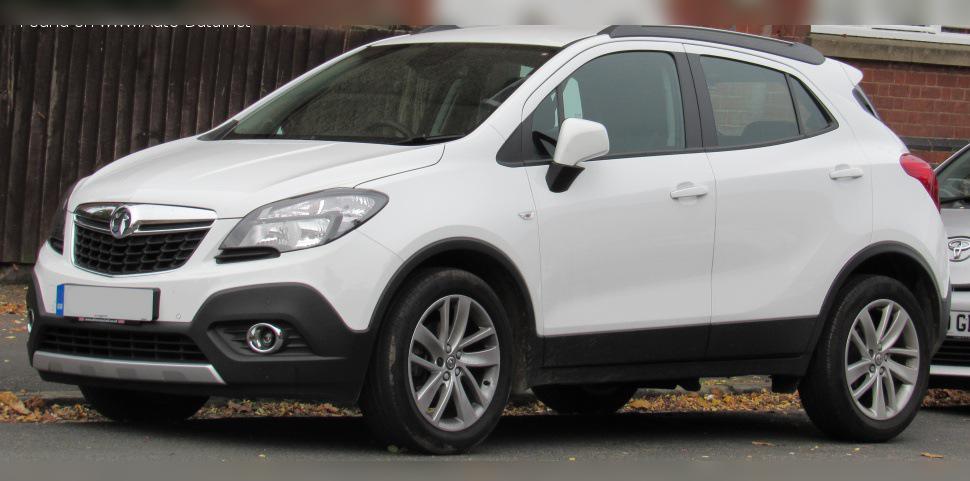
As someone who has spent years both in the workshop and behind the keyboard following the evolution of Opel engines, I can tell you that the 1.4 Turbo Ecotec with codes A14NET (Euro 5) and B14NET (Euro 6) is one of the most widespread engines on the European market. You’ll find it in heavy models like the Zafira Tourer, the stylish Cascada, as well as the very popular crossover Opel/Vauxhall Mokka. This is an engine that represents the “old school” in a modern turbo package – which brings some big advantages, but also some specific drawbacks.
Key points in short (TL;DR)
- Timing chain drive: Requires regular inspection; chain stretch is a known issue at higher mileage.
- Ideal for LPG: Thanks to indirect injection (MPI), this engine is one of the best candidates for a cheap LPG conversion.
- Problematic PCV valve: Diaphragm failure in the valve cover is a common issue that causes oil consumption and a characteristic whistling noise.
- M32 gearbox: The manual gearbox paired with this engine carries a risk of bearing failure in 5th and 6th gear.
- Fuel consumption: In heavy bodies (Zafira, Cascada, Mokka 4x4) city consumption easily exceeds 10 l/100 km.
- Coolant leaks: Plastic thermostat housings and the water pump are weak points of the cooling system.
Contents
- Technical specifications
- Reliability and maintenance
- Specific parts and costs
- Fuel consumption and performance
- Additional options and modifications
- Gearbox and clutch
- Buying used and conclusion
Technical specifications
| Parameter | Specification |
|---|---|
| Engine displacement | 1362 cc |
| Power | 103 kW (140 HP) |
| Torque | 200 Nm (from 1850 to 4900 rpm) |
| Engine codes | A14NET (Euro 5), B14NET (Euro 6) |
| Injection type | Indirect (MPI - Multi Point Injection) |
| Charging method | Turbocharger with intercooler |
| Camshaft drive | Chain |
Reliability and maintenance
Does the engine have a timing belt or chain and a major service interval?
The A14NET/B14NET engine uses a timing chain, not a timing belt. In theory, the chain should last as long as the engine itself, but in practice that’s not the case. Due to extended service intervals in Europe (often at 30,000 km), the chain stretches over time and the plastic guides wear out. There is no official interval for a major service, but in practice it comes down to replacing the chain kit once symptoms appear. This usually happens at mileages of between 120,000 km and 150,000 km. If you hear metallic rattling or scraping for a few seconds on a cold start, it’s time for replacement.
Most common failures
The absolute weak point of this engine is the crankcase ventilation system (PCV). In the valve cover there is an integrated diaphragm that eventually cracks. The driver notices this through rough idle, a lean mixture fault code (“Check Engine” light), significantly increased oil consumption and, most characteristically, a high-pitched whistling noise from the engine bay that stops when you pull out the dipstick. There is also a small check valve (the so‑called “mushroom”) in the intake manifold that can fall out and cause the aforementioned diaphragm failure. In addition, coolant leaks are common at the water pump, plastic coolant junction and thermostat housing. Over time, the plastic becomes brittle from heat cycles and cracks.
Engine oil: quantity, grade and consumption
This engine takes about 4.0 liters of oil. The recommended grade is 5W-30. Although this engine does not suffer from LSPI (Low Speed Pre-Ignition) to the extent that newer direct-injection engines do, it is strongly recommended to use oil that meets the Dexos 1 Gen 2 or Dexos 1 Gen 3 specification (Dexos 2 as a fallback). As for oil consumption, a healthy engine uses very little. However, consumption of about 0.5 liters over a few thousand kilometers is tolerated. If the engine is burning more than 1 liter per 1000 km, the problem is usually in the aforementioned PCV valve or the turbocharger, and rarely in the piston rings themselves.
Spark plugs and ignition coils
Since this is a petrol engine, regular spark plug replacement is critical. They should be replaced every 60,000 km. If the interval is extended, the plug gap increases, which creates excessive resistance. This directly leads to failure of the ignition module (coil pack for all 4 cylinders). Symptoms are clear jerking under acceleration and cylinder misfire.
Specific parts and costs
Dual-mass flywheel and clutch
Yes, 1.4 Turbo engines (due to 200 Nm of torque and vibration reduction) have a dual-mass flywheel when paired with a manual gearbox. Its service life depends heavily on driving style, but in heavy vehicles like the Zafira or Mokka it is under greater stress. The price of a complete kit (flywheel, clutch disc, pressure plate and hydraulic release bearing) is very high (Depends on market).
Fuel injection and emissions systems (DPF, EGR, AdBlue)
This is one of the best pieces of news for future owners: the engine has indirect (MPI) injection. The petrol injectors are located in the intake manifold, operate at low pressure, are extremely durable and are not prone to carbon buildup like direct-injection engines. Even if they do get dirty, cleaning is not expensive (Depends on market).
Since this is a petrol engine, it does not have a DPF filter, nor does it use AdBlue fluid. Also, this engine does not have a classic external EGR valve that clogs with soot; exhaust gas recirculation is handled by modern camshaft phasing (VVT - Variable Valve Timing). Because of that, EGR-related headaches simply don’t exist here.
Turbocharger
It uses a relatively small and reliable BorgWarner (K03) turbocharger. Service life is excellent (easily over 200,000 km with regular oil changes). However, a known weakness is cracking of the turbine housing around the wastegate valve (relief flap) or play developing in the wastegate shaft. The driver will notice that the car pulls weaker at low revs or will hear rattling from the turbo area when lifting off the throttle. Repair requires a rebuild, which is expensive (Depends on market).
Fuel consumption and performance
Real-world fuel consumption
Don’t be fooled by the 1.4-liter displacement. In stop‑and‑go city driving, especially in Mokka models (even more so if they’re 4x4) or the heavy Zafira Tourer, you can expect consumption of between 9 and 11 l/100 km. On the open road, consumption drops to around 6 to 7 liters, but this is definitely not the most economical engine in its class.
Performance and body weight
The 200 Nm of torque is available from just 1850 rpm, which means relaxed, diesel‑like driving in the city. However, is it sluggish? That depends on the car it’s in. In the Opel Cascada (which is very heavy due to the reinforced convertible roof) and the Zafira (an MPV seven‑seater), the engine can feel “anaemic” during uphill overtakes with a fully loaded car. In the Mokka the situation is much better and the engine offers perfectly decent performance.
Behaviour on the motorway
This unit is an excellent cruiser. Thanks to 6‑speed gearboxes, at 130 km/h the engine spins at a comfortable 2800 to 3000 rpm (depending on the specific model’s gear ratios). There’s no excessive noise in the cabin, and there is enough power in reserve to maintain speed on inclines.
Additional options and modifications
LPG conversion
The A14NET/B14NET is a fantastic engine for LPG conversion. Thanks to MPI injection, installation is straightforward and affordable. The engine has hydraulic tappets, which means there is no need for manual, expensive valve clearance adjustment every few tens of thousands of kilometers. Moreover, Opel offered this engine with factory LPG (LPG ecoFLEX variants) with slightly reinforced valve seats, but aftermarket conversions have also proven to be very safe and reliable in practice.
Chiptuning (Stage 1)
This is a turbo petrol engine, so the gains are significant. A safe and quality Stage 1 remap can raise power from the stock 140 HP to around 165 to 170 HP, while torque increases from 200 Nm to a serious 240 to 250 Nm. This solves the “sluggishness” problem in heavy models like the Zafira. Still, keep in mind that the increased torque puts additional stress on the gearbox.
Gearbox and clutch
Manual gearboxes and failures
This engine was paired with the notorious M32 six‑speed manual gearbox. Although certain revisions were introduced in the period when the Mokka and Cascada were produced (larger bearings, better lubrication – the so‑called “Gen 2”), problems still exist. The most common failure is breakdown of the shaft bearings for 5th and 6th gear.
Symptoms: When accelerating in 5th or 6th gear, you hear a pronounced whining noise. Also, when applying and releasing the throttle in 1st or 5th gear, you may notice the gear lever moving back and forth. If this is ignored, the gearbox can destroy itself internally. Repair is expensive (Depends on market). The oil in this gearbox (usually around 2.4 liters) must be changed every 60,000 km, regardless of what the official brochures say.
Automatic gearboxes and maintenance
The automatic option is a classic torque‑converter hydraulic gearbox, the GM 6T40 (6‑speed). It is significantly more reliable than the M32 manual, shifts smoothly and is pleasant to drive. The most common failures occur due to overheating or irregular maintenance (failure of the valve body/solenoids). That’s why it is crucial to perform an automatic transmission fluid change every 60,000 km to 80,000 km.
Buying used and conclusion
What to check before buying?
- Cold start: Insist that the seller does not start the car before you arrive. When starting, listen to the engine carefully. If you hear metallic scraping that disappears after 2–3 seconds, the chain needs replacing.
- Idle test and whistling: Open the bonnet while the car is idling. Try pulling out the dipstick. If you feel a strong vacuum pulling the dipstick back in, and at the same time hear a hissing/whistling noise from the valve cover area, the PCV diaphragm has torn (requires a new valve cover).
- Smell and traces of coolant: Shine a good light around the water pump and thermostat housing area (on the left side of the engine, near the belts). Reddish or pink traces indicate a leak.
- Checking the M32 gearbox: During the test drive, go out on an open road. In 5th and 6th gear, gently apply throttle – if you hear a bus‑like differential whine, prepare money for a gearbox rebuild.
Who is this engine for?
Opel’s 1.4 Turbo (140 HP) is a smart choice for used‑car buyers who want the flexibility of a turbo engine but are wary of complex direct‑injection systems, DPF filters and sensitive injectors. Its common failures (PCV, water pump, even the chain) are well known to any mechanic and do not require exotic tools to fix.
This is not a sports engine, and in heavy bodies like the Zafira Tourer or Mokka it will use somewhat more fuel. However, this is exactly where its main advantage comes into play: perfect compatibility with LPG. If you’re looking for a reliable family cruiser that you’ll run cheaply on LPG, and you’re ready to have the M32 gearbox checked and the chain replaced after purchase (if needed), the 1.4 Turbo Ecotec will serve you faithfully for years.