A20NHT 2.0 Turbo Engine (220 hp): Experiences, Problems, Fuel Consumption and Used-Buying Tips
Key points (TL;DR)
- Powerful and flexible: With 220 hp and 350 Nm, this engine offers excellent performance, even though the cars it’s fitted to are quite heavy.
- Timing chain drive: The engine uses a timing chain that tends to stretch; replacement is mandatory once you start hearing rattling noises.
- Direct injection: Due to the specific injection system, intake valves suffer from carbon build-up.
- High city fuel consumption: Expect 12 to 15 l/100 km in urban stop‑and‑go driving.
- Gearboxes are reliable: The manual F40 gearbox is virtually indestructible, while the Aisin automatic needs regular oil changes for the valve body to survive.
- LPG is not an ideal solution: Because of direct injection, LPG installation is complex and very expensive.
Contents
- Introduction: About the A20NHT engine
- Technical specifications
- Reliability and maintenance
- Specific parts and costs
- Fuel consumption and performance
- Additional options and modifications
- Gearbox and drivetrain
- Buying used and conclusion
Introduction: About the A20NHT engine
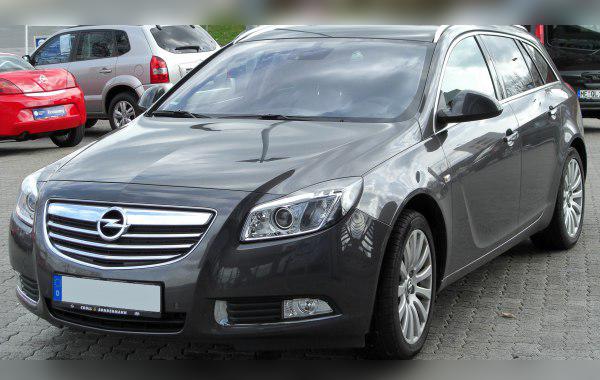
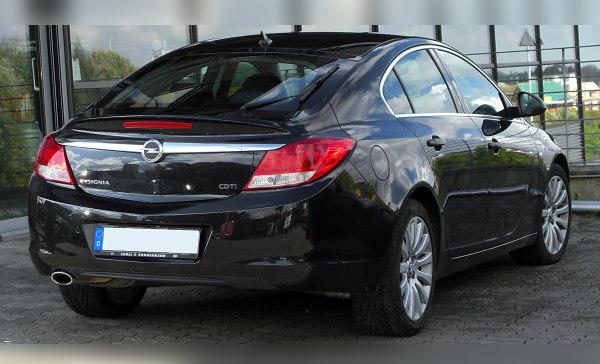
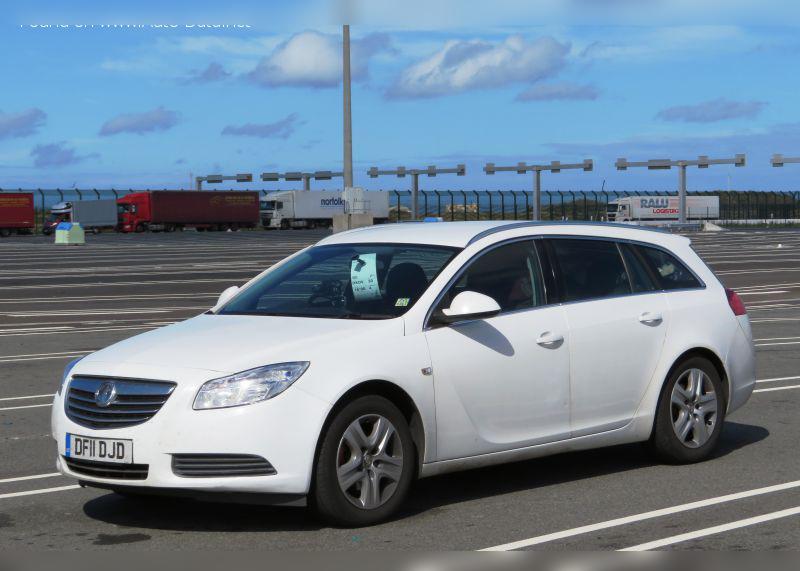
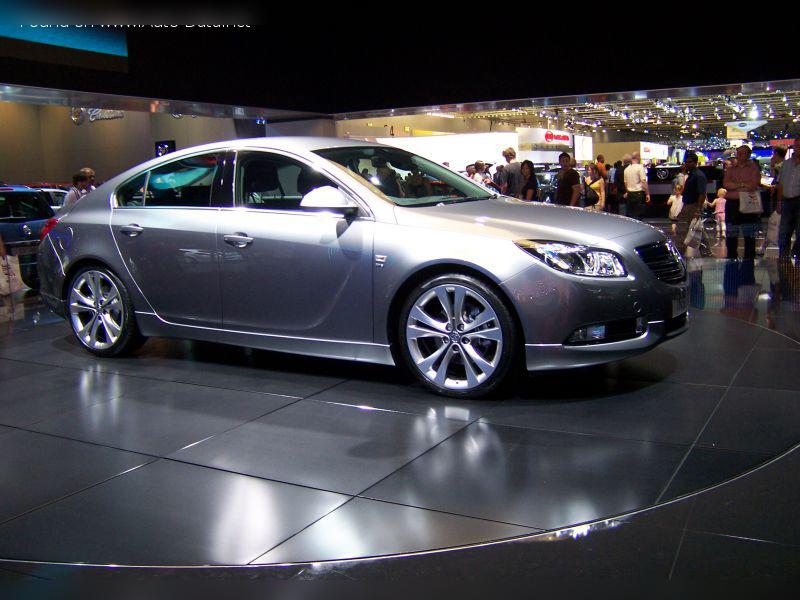
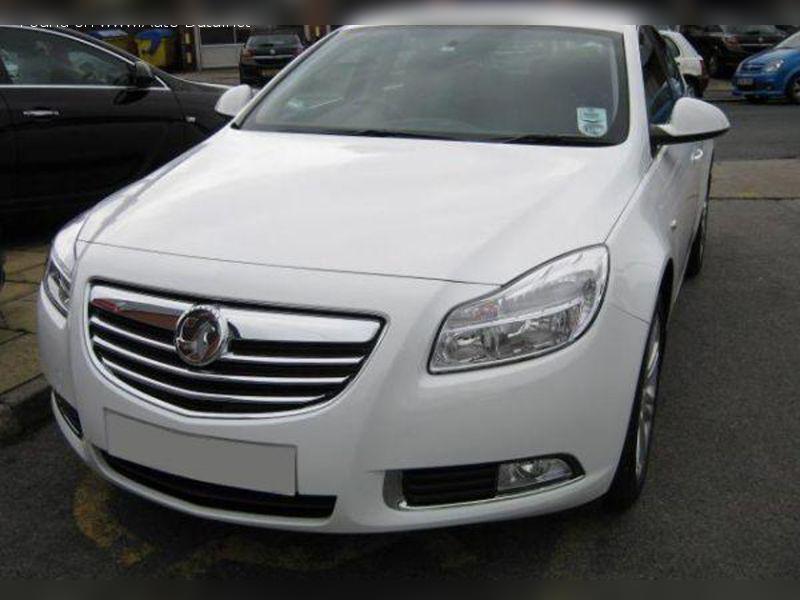
When it comes to heavy sedans and wagons, you need an engine with plenty of torque to keep driving smooth and effortless. The A20NHT engine (part of the Ecotec Gen II family) was developed by General Motors to replace older V6 units, offering a high output of 162 kW (220 hp) from two litres of displacement with the help of a turbocharger. It is best known for being fitted to the first generation Opel Insignia (as well as the Vauxhall Insignia) and the last generation of the Saab 9-5.
This engine is designed to devour motorway miles. Thanks to its twin-scroll turbocharger and direct petrol injection, it delivers throttle response reminiscent of much larger-displacement engines. However, it also comes with certain typical issues of modern turbo petrol engines that every potential buyer must take into account before signing a purchase contract.
Technical specifications
| Parameter | Specification |
|---|---|
| Engine code | A20NHT (LNF derivative) |
| Displacement | 1998 cc |
| Engine power | 162 kW (220 hp) at 5300 rpm |
| Torque | 350 Nm at 2000–4000 rpm |
| Injection type | Direct injection (SIDI / DI) |
| Forced induction | Twin-scroll turbocharger, intercooler |
Reliability and maintenance
Does this engine have a timing belt or a chain?
The A20NHT engine uses a timing chain. In theory, the chain should last as long as the engine itself, but in practice it’s different. The chain tends to stretch, and the guides and tensioners can fail due to irregular oil changes. The symptom a driver will notice is a specific metallic rattling or scraping noise on cold start that lasts a few seconds; in more severe cases it can also be heard when the engine is warm and idling.
What are the most common failures on this engine?
Besides the already mentioned timing chain issue, the most common problems include:
- Carbon build-up on intake valves: Since this is a direct injection engine, petrol does not wash over the intake valves. The PCV system (crankcase ventilation) returns oil vapours into the intake, where they bake onto the valves. Symptoms include rough idle, loss of power and increased fuel consumption. The solution is cleaning the valves using the “walnut blasting” method.
- High-pressure fuel pump (HPFP) failure: It is mounted on the engine itself and driven by the camshaft. When it fails, the engine loses power, goes into limp mode and throws low fuel pressure error codes on diagnostics.
- PCV valve failure: It is integrated into the valve cover. Its failure causes drastically increased oil consumption and can create excessive crankcase pressure, which can then lead to crankshaft seal failure.
At what mileage should the major service be done?
Since the engine is chain-driven, there is no classic “major service” at a fixed mileage. However, in practice we recommend a preventive inspection of the timing system after 120,000 to 150,000 km. If rattling noises appear, the complete timing chain kit must be replaced immediately to avoid the chain jumping teeth and catastrophic engine damage.
How many litres of oil does the engine take and what about oil consumption?
This engine takes about 6.0 litres of oil. The manufacturer requires a high-quality synthetic oil of 5W-30 grade that meets the Dexos 1 Gen 2 (or Dexos 2) standard. These standards are crucial to avoid LSPI (Low Speed Pre-Ignition), which is deadly for pistons in turbocharged direct-injection petrol engines.
As for oil consumption, the factory tolerance allows up to 0.5 litres per 1000 km, which is absurdly high. In reality, it is normal for it to consume between 0.5 and 1 litre between two services (over 10,000 km). If it consumes more than that, the problem should be sought in the PCV system, worn piston rings or leakage in the turbocharger itself.
At what mileage should the spark plugs be replaced?
As a high-performance engine with direct petrol injection, it needs a strong spark. Quality iridium spark plugs should be replaced every 60,000 km. If this interval is ignored, misfires will occur, which can permanently damage the ignition coils and the catalytic converter.
Specific parts and costs
Does the engine have a turbocharger and what is its lifespan?
The A20NHT is equipped with a single twin-scroll turbocharger (most often BorgWarner). The twin-scroll design allows faster response at lower revs by separating exhaust gases from different cylinders. The turbo itself is very durable and, with regular oil changes, can last well over 200,000 km. However, the exhaust manifold, which is integrated with or closely connected to the turbine housing, often fails – it is prone to cracking due to extreme temperature changes (°C), which results in loss of boost pressure and a whistling sound from the engine bay.
What kind of injection system does it have and are the injectors problematic?
It uses a direct injection system (petrol is injected directly into the combustion chamber under high pressure). The injectors themselves are quite reliable and rarely fail completely, but they can become “noisy” over the years (resembling a diesel at idle). The much bigger issue is the high-pressure fuel pump, whose replacement is very expensive (depends on the market).
DPF filter, EGR valve and AdBlue?
Since this is a petrol engine, it has no DPF filter and no AdBlue system. It also doesn’t have a classic external EGR valve that often clogs on diesels; instead, emission reduction is handled by variable valve timing (VVT) and an advanced PCV system (which, as mentioned, causes intake valve deposits).
Fuel consumption and performance
What is the real fuel consumption in city driving?
This is the point that puts many buyers off. Due to the heavy bodies of the Insignia and Saab 9-5 (these cars often weigh between 1600 and 1800 kg empty) and the fact that the engine runs on petrol, stop‑and‑go consumption is high. Real-world city consumption is between 12 and 15 l/100 km. With an automatic gearbox and 4x4, the figure is regularly closer to the upper limit.
Is this engine “lazy”?
Not at all. Its 350 Nm of torque are available from just 2000 rpm. Turbo lag is minimal thanks to the twin-scroll technology. The car pulls strongly from low revs, but due to the vehicle’s huge mass you don’t get the same punch-in-the-back feeling as in a lighter sports car. The drive is more smooth and secure than brutally sporty.
The engine on the motorway
This is its natural habitat. At 130 km/h on the motorway, depending on the gearbox, the crankshaft spins at a very relaxed 2300 to 2500 rpm in sixth gear. Fuel consumption on the open road can drop to around 7.5 to 8.5 l/100 km, and there is more than enough power for safe overtaking, even when fully loaded and on inclines.
Additional options and modifications
LPG installation
Is this engine suitable for LPG conversion? Not really. Because of direct petrol injection, the injectors sit inside the combustion chamber. If you were to run it solely on a conventional sequential LPG system, the injectors would burn out from the heat. LPG installation requires specialised and quite expensive systems that either inject liquid gas through the petrol injectors, or systems that use both LPG and petrol at the same time (for example 80% LPG, 20% petrol) to keep the injectors cool. The cost of such an installation is extremely high (expensive, depends on the market) and only pays off in the long run for people who cover huge mileages.
Chiptuning (Stage 1 remap)
The A20NHT engine has huge potential. With a classic ECU remap (Stage 1), power can be safely raised from 220 hp and 350 Nm to around 250–265 hp and over 400 Nm of torque. The engine internals can handle this without issue, but you need to be careful with the clutch on the manual gearbox, while the Aisin automatic has a torque limit of around 450 Nm. It is important to note: before any remapping, the timing chain, turbo and HPFP must be in perfect condition.
Gearbox and drivetrain
Types of gearboxes
This engine is most commonly paired with two types of gearboxes:
- Manual F40 (6-speed): A very robust gearbox. A real “tank” among gearboxes, capable of handling much more power than the A20NHT delivers in stock form. Failures of the gearbox itself are extremely rare; gear changes are a bit on the stiff side.
- Automatic Aisin AF40-6 (6-speed): A classic torque-converter automatic of Japanese origin. Comfortable, but not particularly fast when shifting.
On 4x4 (AWD / XWD) models, the system is equipped with a Haldex clutch that transfers power to the rear axle. This system absolutely must receive fresh oil and a new filter at regular intervals; otherwise, the Haldex pump fails and the car is left with front-wheel drive only.
Gearbox failures, dual-mass flywheel and servicing
The manual gearbox comes paired with a dual-mass flywheel. Given the high torque of the petrol engine and the vehicle’s huge mass, the flywheel is heavily stressed when setting off. Symptoms of wear are strong vibrations when moving off and metallic knocking when switching the engine off. The cost of replacing the complete set (clutch, release bearing and dual-mass flywheel) is very high (depends on the market).
The automatic doesn’t have a dual-mass flywheel but a torque converter. Its main enemy is dirty oil. If the oil in the gearbox is not changed regularly every 60,000 km, metal particles clog the valve body. Symptoms include strong jolts when shifting from P to D or R, as well as harsh shifts (thumps) when downshifting from third to second gear when coming to a stop. Repairing the valve body is extremely expensive and not every workshop can do it properly.
Buying used and conclusion
What exactly should you check before buying a used car?
When you go to inspect a car with the A20NHT engine, do the following:
- Cold start: Ask the seller not to start the car before you arrive. At the first start, open the window and listen to the engine bay. If you hear loud metallic rattling or scraping that lasts a few seconds, the timing chain needs to be replaced urgently.
- Diagnostics: It’s not enough that there are no warning lights on the dash (Check Engine). Hook up a diagnostic tool and monitor fuel pressure parameters to check the condition of the HPFP. Also check the misfire counter – if there are many misfires logged, the valves are carboned up or the coils are on their way out.
- Test drive on the open road: Floor the throttle from low revs in higher gears. Acceleration should be smooth, without any jerks. If it jerks at higher revs under load, the problem may be in the fuel supply or boost pressure.
- Check the 4x4 system (if fitted): Find a surface with low grip (sand, gravel) and set off briskly. If the front wheels start spinning without the rear axle joining in, the Haldex system is most likely faulty.
Conclusion: Who is this engine for?
The A20NHT (2.0 Turbo 220 hp) is not an engine for everyone, and it is definitely not for people whose driving consists mainly of stop‑and‑go commutes from home to work – it will drain your wallet through fuel consumption and mechanically through valve deposits and timing chain wear caused by frequent cold starts.
This engine is meant for true travellers. It is perfect for business people or families who often go on long motorway trips. There, its huge power, flexibility and the heavy body it’s installed in provide superior comfort, cabin quietness and safety. If you are aware of the regular maintenance costs of direct injection technology, find a car with a proven service history and set aside money upfront for a preventive inspection (and timing chain replacement if needed), this car will serve you faithfully and reliably for thousands of kilometres of open road.