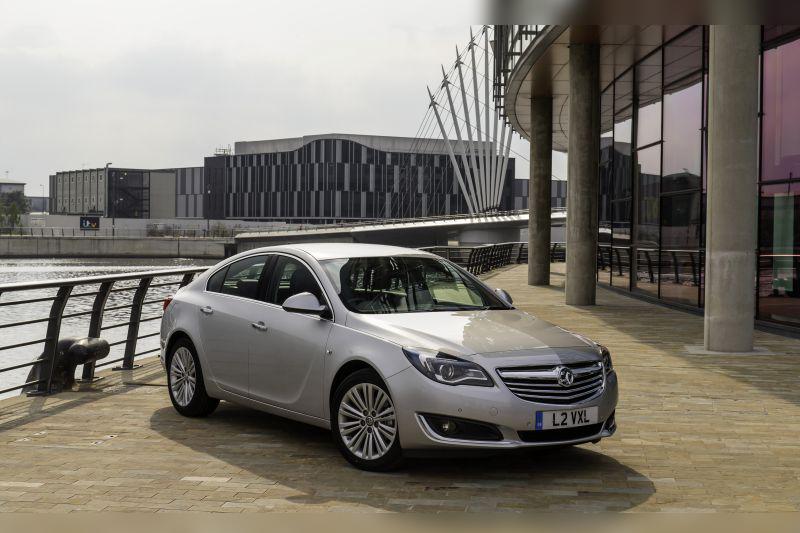
Opel 2.0 Turbo A20NHT and B20NHT (250 hp): Experiences, problems, fuel consumption and used car buying tips
- Performance: The 250 hp and 400 Nm engine delivers fantastic acceleration and has no trouble moving the massive body.
- Timing and drive: It uses a timing chain that needs to be checked, and chain stretch is one of the most expensive potential issues.
- Fuel consumption: Be prepared for high city consumption (often over 12 l/100 km).
- Maintenance: Requires strict use of specific engine oil to avoid the dangerous LSPI (Low Speed Pre-Ignition) phenomenon.
- All-wheel drive (AWD): 4x4 versions require regular servicing of the Haldex coupling.
- Transmissions: The automatic is comfortable but needs regular oil changes; the manual is robust, but the clutch kit with dual-mass flywheel is extremely expensive.
- Conclusion: An excellent choice for drivers looking for a powerful highway cruiser, but a poor choice for short city commutes.
Contents
- Introduction: A powerful heart for a heavyweight
- Technical specifications
- Reliability and maintenance
- Specific parts (costs)
- Fuel consumption and performance
- Additional options and modifications
- Transmission and drivetrain
- Buying used and conclusion
Introduction: A powerful heart for a heavyweight
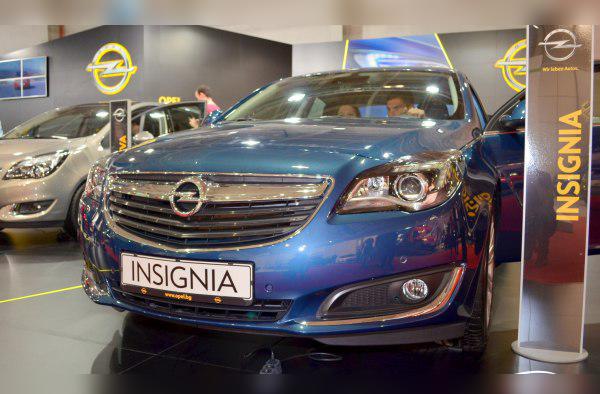
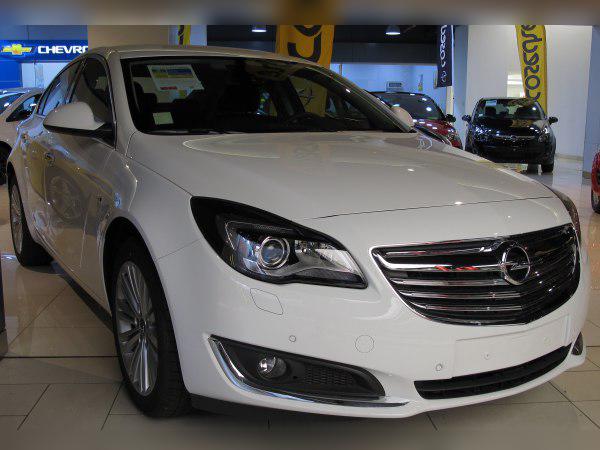
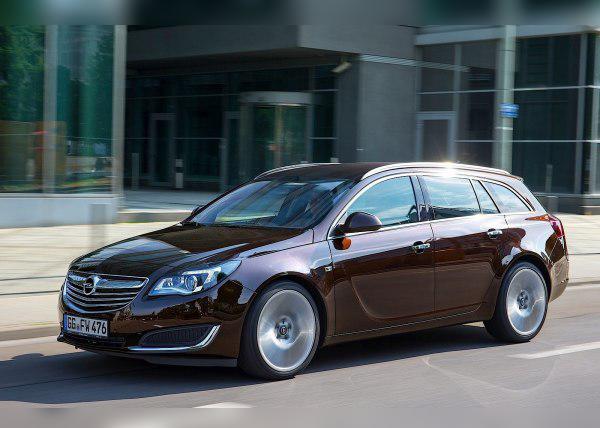
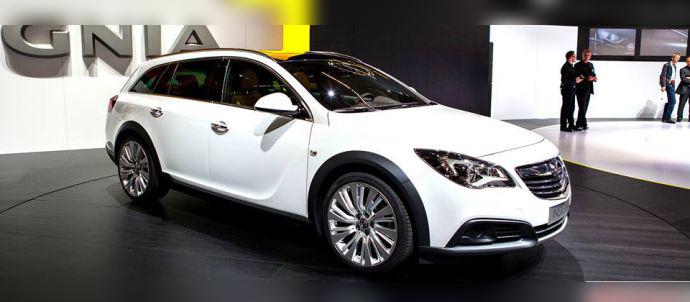
The first-generation Opel Insignia (especially the 2013 facelift) is known for its massive construction and high weight. To move such a car properly, a serious powerplant was needed. That’s where the 2.0-liter turbo petrol engines with the codes A20NHT and the newer B20NHT (part of the Ecotec SIDI generation) come in. They were fitted to sedans, hatchbacks and practical Sports Tourer and Country Tourer wagons, often combined with all-wheel drive. This is an engine for drivers who want six-cylinder performance packed into a four-cylinder block, but that also comes with specific maintenance requirements.
Technical specifications
| Characteristic | Data |
|---|---|
| Engine displacement | 1998 cc |
| Power | 184 kW (250 hp) |
| Torque | 400 Nm |
| Engine codes | A20NHT, B20NHT |
| Injection type | Direct injection (SIDI) |
| Aspiration | Twin-scroll turbocharger, intercooler |
Reliability and maintenance
Timing belt or chain?
This engine uses a timing chain to drive the camshafts. Although many drivers think a chain is “lifetime”, that’s not the case with these modern turbo petrol engines. Chain stretch is a known issue, and symptoms include metallic rattling on cold start and rough running until the engine warms up. There is no classic major service at a predefined mileage; instead, the chain kit (with tensioners and guides) is replaced when it shows signs of stretching, which in practice is most often between 150,000 km and 200,000 km. The cost of this intervention is high (depends on the market).
Most common failures
One of the most critical weak points of this engine is carbon buildup on the intake valves. Since the engine has direct injection, petrol does not wash the valves. Over time, deposits form that cause hesitation, loss of power and rough idle. The solution is physical or chemical cleaning of the valves every 60,000 to 80,000 km. There are also frequent issues with ignition coils and the PCV valve (oil vapor separator).
Important warning: These engines (especially the B20NHT) are very prone to the LSPI (Low Speed Pre-Ignition) phenomenon – pre-ignition of the mixture at low rpm. This can literally break the pistons. Because of that, it is MANDATORY to use specially formulated oil.
Oil: Capacity, grade and consumption
The engine takes about 5.0 to 5.5 liters of oil. Due to the aforementioned LSPI issue, Opel strictly prescribes the use of oil with the Dexos 1 Gen 2 (or newer Gen 3) specification in 5W-30 grade. Do not use standard diesel oils under any circumstances! As for consumption, the factory tolerance is up to 0.6 liters per 1000 km, but in reality, a healthy engine will use about 0.5 liters per 5000 km to 7000 km. If it consumes significantly more, the problem may be the PCV valve or the turbo itself.
Spark plugs
Since this is a turbo petrol engine with high combustion pressure, spark plugs wear heavily. It is recommended to replace iridium spark plugs only, every 60,000 kilometers. Neglecting this leads to coil failures and the aforementioned hesitation under full throttle.
Specific parts (costs)
Dual-mass flywheel
Yes, versions equipped with a manual gearbox have a dual-mass flywheel. Its job is to absorb the shocks of the massive 400 Nm of torque. Due to the high power and weight of the vehicle, the flywheel can wear out before 150,000 km, especially if the car is driven aggressively from a standstill. Symptoms include a dull thud when switching off the engine and vibrations when taking off. The clutch kit and flywheel are very expensive (depends on the market).
Injection system
The injection system operates at high pressure (SIDI - Spark Ignition Direct Injection). The injectors themselves do not fail as often as on diesels, but they are extremely sensitive to poor fuel quality. If they fail, the engine will lose power, show “misfire” errors on diagnostics and produce black smoke. Injectors are expensive to replace, and refurbishment is rarely successful.
Turbocharger and emissions
The engine uses a sophisticated BorgWarner twin-scroll turbocharger. Its service life exceeds 200,000 km if the driver follows the rules (does not switch off a hot engine immediately after hard highway driving and changes quality oil regularly). The most common issue with the turbo is not just the compressor wheel, but cracking of the exhaust housing itself or failure of the wastegate valve.
Since this is a petrol engine, it does not have a DPF filter or AdBlue system. It also does not have a classic EGR valve that clogs with soot the way diesel ones do; the function of exhaust gas recirculation is partially handled by an advanced variable valve timing (VVT) system.
Fuel consumption and performance
Is the engine “lazy”?
Absolutely not. With 250 hp and, more importantly, 400 Nm of torque available from low revs, this engine pulls the heavy Insignia with ease. The subjective feeling of acceleration is excellent, and in-gear acceleration when overtaking is on par with much more expensive sports cars.
City driving and open road
Real-world city consumption is the sore point. Depending on traffic and whether the car has 4x4 or an automatic gearbox, expect between 12 and 14 liters per 100 km. The vehicle’s weight takes its toll when you have to move off frequently.
However, on the highway this car really shines. The gearboxes are long-legged, so at 130 km/h the engine spins at a fairly low 2200–2500 rpm. In such conditions, the drive is quiet and fuel consumption drops to a very acceptable 7.5 to 8.5 liters per 100 km.
Additional options and modifications
Should you install LPG?
Short answer: Not recommended. Due to direct injection, the injectors are located inside the combustion chamber and are cooled by the flow of petrol. If you were to install a standard sequential LPG system, the injectors would melt. You would need to install an expensive system that injects petrol at the same time (around 15–20%) to cool the injectors, or an even more expensive liquid-phase LPG system. Considering the installation cost (very high, depends on the market) and long payback period, most owners avoid this option.
Remapping (Stage 1)
The engine has huge potential. With a software-only modification (Stage 1), power can safely be raised to 280–300 hp, and torque to an impressive 450–480 Nm. However, do this only with reputable tuners! A poorly written map increases the risk of the aforementioned LSPI phenomenon and can lead to total engine failure (piston breakage).
Transmission and drivetrain
Types of gearboxes and common issues
The engine came with two gearbox options: a 6-speed manual (F40 model) and a 6-speed automatic (Aisin, AF40 designation).
- Manual gearbox (F40): Considered extremely robust. The gearbox itself rarely fails, but as mentioned, maintenance costs come down to the very expensive clutch kit and dual-mass flywheel. The oil in the manual gearbox should be preventively changed every 100,000 km to make shifting easier in winter.
- Automatic gearbox (AF40): This is a conventional automatic with a torque converter. It does not have a dual-mass flywheel. It is very comfortable, but can cause problems (shudder when shifting from 2nd to 3rd gear, jolts when stopping) if the oil is not changed. The valve body is sensitive to metal particles in old oil. Servicing the automatic with flushing and filter replacement is mandatory every 60,000 km.
Haldex 4x4 system
A large number of these models have an AWD system (all-wheel drive). It uses a Haldex coupling to transfer power to the rear axle and an electronic limited-slip differential (eLSD). If the oil and filters in these systems are not changed every 30,000 to 60,000 km, the pump will fail and you will be left with front-wheel drive only, along with a warning on the instrument cluster (“Service AWD”). Repairing this system is extremely expensive.
Buying used and conclusion
What to look out for when buying?
When buying an Insignia with the 2.0 Turbo (250 hp) engine, make sure you do the following:
- Cold start: Listen to the engine immediately after the first morning start. If you hear metallic rattling from the timing area for more than 2 seconds, the chain needs replacing.
- Full-throttle test drive: The car must pull smoothly, without hesitation. If it jerks at high revs, the most likely culprits are spark plugs, coils or carbon deposits on the valves.
- Exhaust check: Let the car idle for 5–10 minutes, then floor the throttle. If it emits blue smoke, the turbo or valve stem seals are worn.
- Drivetrain and gearbox: When reversing with the steering at full lock, a 4x4 car must not “hop” or make grinding noises from the rear. The automatic must shift gears without the slightest jolt.
Conclusion
Opel’s A20NHT and B20NHT 250 hp engines are fantastic machines for long-distance driving. They turn the heavy Insignia into a safe and fast cruiser. They are intended for drivers who know what they want, who cover longer distances on the highway and who have the budget for proper, high-quality maintenance (above all timely oil changes and care for the gearbox and AWD system). If you are looking for a car mainly for stop-and-go city driving, or you want cheap LPG motoring – this is definitely not the engine for you.