Opel Insignia OPC 2.8 V6 Turbo (A28NER / B28NER) – Experiences, issues, fuel consumption and used car buying tips
- Key points in short (TL;DR)
- Introduction: Meet the beast from Rüsselsheim
- Technical specifications
- Reliability and maintenance
- Specific parts (Costs)
- Fuel consumption and performance
- Additional options and modifications
- Transmission and drivetrain
- Buying used and conclusion
Key points in short (TL;DR)
- Fuel consumption: Extremely high, especially in the city where it easily reaches 18–20 l/100 km. This is not a car for everyday stop‑and‑go city traffic.
- Timing system: The engine uses a chain, which is prone to stretching. Replacement is inevitable and a very expensive operation.
- Performance: Although it has 325 hp, due to the body weight (almost 2 tons) it doesn’t behave like a classic sports car, but rather like a powerful and stable cruiser (Grand Tourer).
- Drivetrain: The Haldex AWD system requires regular maintenance (oil change every 30,000 km), otherwise the pump fails – and it is very expensive.
- Maintenance: Overall very expensive (depends on the market). Replacing the dual‑mass flywheel, dampers (FlexRide) and brakes (Brembo) requires deep pockets.
Introduction: Meet the beast from Rüsselsheim
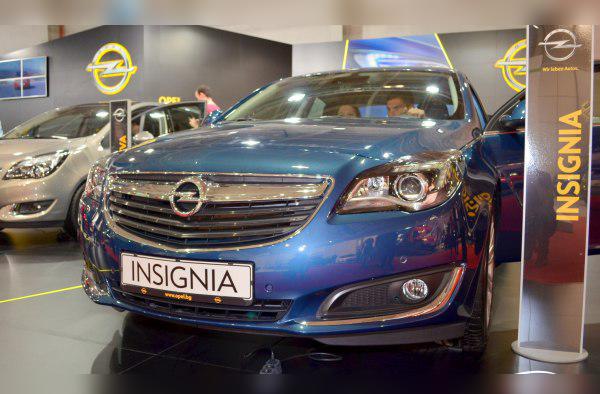
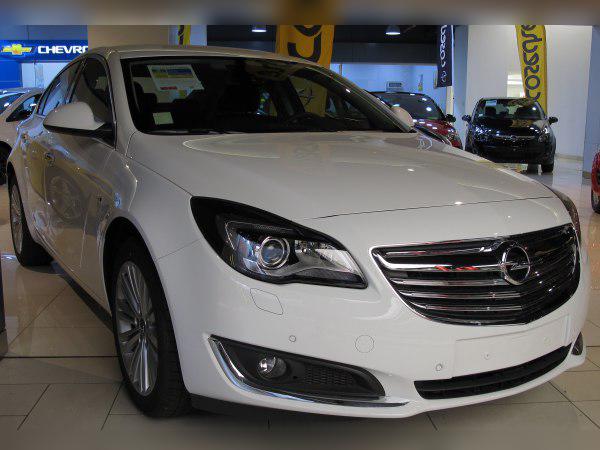
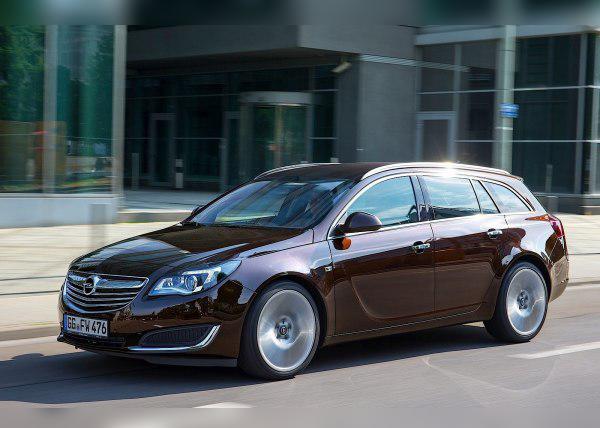
The engine codes A28NER and later Euro 6 version B28NER hide under the bonnet a 2.8‑liter V6 turbo unit that represented the pinnacle of Opel’s lineup. It was installed exclusively in Opel Insignia OPC models (including Sedan, Hatchback and Sports Tourer wagons, as well as the “Unlimited” versions without a speed limiter). This engine is a derivative of GM’s famous “High Feature V6” family.
With its 325 hp and massive 435 Nm of torque paired with all‑wheel drive, this engine was built to devour hundreds of highway kilometers with top‑class comfort and impressive speed. However, owning such a piece of engineering comes with serious financial and technical obligations that every potential buyer must be aware of.
Technical specifications
| Specification | Data |
|---|---|
| Engine displacement | 2792 cc |
| Power | 239 kW (325 hp) |
| Torque | 435 Nm |
| Engine codes | A28NER, B28NER |
| Injection type | MPI (Multi‑Point Injection – indirect) |
| Turbo / NA | Turbocharger (Twin‑Scroll), intercooler |
Reliability and maintenance
Timing belt or chain and major service
This engine uses a three‑chain timing system. Although chains are theoretically designed to last as long as the engine itself, real‑world experience shows the opposite. GM’s “High Feature” V6 architecture suffers from timing chain stretch issues. There is no strict rule for the major service (it’s not replaced at a fixed mileage), but the chain most commonly stretches between 120,000 and 150,000 km. Replacing the chain, guides and tensioners is very expensive (depends on the market) because it requires many labor hours and the parts are not cheap.
Most common failures and symptoms
Besides the mentioned chain (symptoms are rattling at cold start and the “Check Engine” light with errors such as P0008), common issues include:
- Ignition coils: They fail due to the massive heat under the bonnet. The engine starts to misfire, loses power and runs unevenly.
- Coolant expansion tank: Over time the plastic becomes brittle due to the engine’s high operating temperatures (it often runs at over 100 °C) and cracks, which leads to coolant loss.
- Oil leaks: Valve covers and the oil pan tend to “sweat” oil at higher mileage.
Engine oil and change intervals
The engine takes approximately 6.0 liters of oil. High‑quality synthetic oil with a viscosity grade of 5W‑40 or 5W‑30 is recommended (meeting GM Dexos 2 or newer specifications). Considering the thermal load on the turbo, minor services must be done strictly every 10,000 to a maximum of 15,000 km.
Oil consumption between services is normal for this engine. An amount of 0.2 to 0.5 liters per 1000 km is considered normal, especially if the car is driven aggressively or kept at high revs on the highway for long periods.
Spark plugs
As a high‑performance petrol engine, it is sensitive to spark plug quality. It is recommended to use original iridium spark plugs, which should be replaced every 60,000 km. If the engine is remapped, the interval should be halved.
Specific parts (Costs)
Turbocharger
Many people mistakenly think that the Insignia OPC has a bi‑turbo system. In reality, it uses a single but massive BorgWarner Twin‑Scroll turbocharger. Its lifespan is generally good and it easily exceeds 200,000 km with regular oil changes and proper “cooling” of the turbo after hard driving (letting it idle for a minute or two before switching the engine off). What fails more often is the electro‑pneumatic actuator (wastegate), which results in power loss and boost‑related errors (underboost).
Fuel injection system and emissions
The engine uses classic MPI (indirect) injection. The good news is that the petrol injectors on this engine are not problematic and rarely fail, unless you use extremely poor‑quality fuel.
Since this is a petrol engine, it does not have a DPF filter or an AdBlue system, which saves you from typical diesel headaches. However, the PCV (crankcase ventilation) membrane tends to fail, which causes increased oil consumption and a whistling noise under the bonnet.
Fuel consumption and performance
What is the real‑world fuel consumption?
Be prepared – the A28NER is a “drunkard”. In pure city driving (stop‑and‑go traffic), real‑world consumption ranges from 16 up to 20 l/100 km. On open roads and country highways it can drop to around 9–11 l/100 km.
On‑road behavior and cruising
Is it “lazy”? The engine itself is certainly not lazy, but the body weight (often up to 1,950 kg) and AWD system take their toll. Because of this, standing starts don’t feel as brutal as in lighter hot hatches (Golf R and similar). Its true territory is roll‑on acceleration (in‑gear acceleration) and motorways.
At 130 km/h in top gear, the engine cruises relaxed at around 2,200–2,400 rpm, and the cabin is extremely well insulated from noise.
Additional options and modifications
LPG installation
Since the engine has indirect injection (MPI), installing LPG is technically possible. However, due to the V6 configuration, the massive heat under the bonnet and the 325 hp output, installation is very complex and requires premium LPG systems with the most powerful vaporizers (or two vaporizers). Experienced mechanics generally advise that, if you can financially handle running it on petrol, LPG systems should be avoided on OPC models, because long‑term LPG driving under full load can burn the exhaust valves.
Chiptuning (Stage 1)
This engine has room for improvement. With a Stage 1 remap you can safely get around 350 to 360 hp, while torque rises above 500 Nm. Before any remapping, it is essential to check the condition of the timing chain and fit fresh spark plugs, because tuning mercilessly exposes any hidden weaknesses in the engine.
Transmission and drivetrain
Manual and automatic gearboxes
This engine was paired with two options:
- Manual (F40 – 6‑speed): A very robust gearbox. Failures of the gearbox itself are rare, but this setup requires a massive dual‑mass flywheel. Replacing the clutch kit with the dual‑mass flywheel on the OPC is very expensive (depends on the market) and is among the biggest regular expenses besides the chain.
- Automatic (Aisin AF40‑6 – 6‑speed): A classic torque‑converter automatic. It does not have a dual‑mass flywheel like manuals or DSG gearboxes. The most common issues are harsh shifts (especially from 2nd to 3rd gear) and slipping. In 90% of cases the culprit is the valve body, which fails because previous owners did not change the oil.
Service intervals for the gearbox and AWD system
The oil in the automatic gearbox (about 3.5 to 4 liters for a partial change) must be replaced every 60,000 km. It is recommended to change the oil in the manual gearbox at 100,000 km.
Important note for the drivetrain (Haldex AWD): The all‑wheel‑drive system is fantastic, but the rear differential and Haldex clutch have their own oil reservoir and filter. If the oil in the Haldex is not changed regularly (ideally every 30,000 to 40,000 km), the pump burns out and the car is left with front‑wheel drive only, along with astronomical repair costs for the pump and differential electronics.
Buying used and conclusion
What to check before buying?
- Cold start: The most important test! Ask the seller not to start the car before you arrive. At the first cold start in the morning, listen for rattling from the front of the engine during the first 5–10 seconds. If you hear a metallic chain noise, prepare for a major investment.
- AWD operation (Haldex): Do a hard launch on a slippery surface or grass. The front wheels should not spin for long before the rear ones get power. Be sure to check for AWD module fault codes via diagnostics.
- Suspension: OPC models come with special FlexRide electronically adjustable dampers. They are incomparably more expensive than standard dampers (depends on the market). Check for leaks.
- Brembo brakes: The front brake discs are two‑piece and 355 mm in diameter. Replacing just the front discs and pads is expensive.
Who is this engine for?
The Opel Insignia OPC with the A28NER/B28NER engine is not for someone who stares at the fuel consumption display every morning. This is not a car for courier work in the city, nor a mountain road racer for tight hairpins, primarily because of its weight.
This car is a perfect machine for passionate drivers who want a fast, safe, well‑equipped vehicle for long trips and highway cruising. Its design hasn’t really aged even after more than a decade, and the sound of the V6 through proper Remus exhausts (standard on OPC models) is pure fantasy. If you decide to go for it, be prepared to pay the price of exclusivity through regular servicing of the chain, gearbox, and frequent visits to the petrol station.