Engine B14XFT (Opel 1.4 Turbo 150 HP): Experiences, issues, fuel consumption and used-car buying tips
- Excellent power-to-weight ratio: Thanks to the lighter body of the models it’s installed in, it offers very dynamic driving.
- Timing system: Uses a timing chain instead of a timing belt.
- Biggest danger (LSPI): Risk of low-speed pre-ignition that can damage pistons and rings if the proper oil is not used.
- Sensitivity to maintenance: Requires a strictly specified oil with Dexos 1 Gen 2 or newer approval.
- Direct injection: Great for power, but over time leads to carbon build-up on intake valves.
- LPG: Installation is expensive and complex, and generally not worth it.
Contents
- Introduction: About the engine and its application
- Technical specifications
- Reliability and maintenance
- Specific parts and costs
- Fuel consumption and performance
- Additional options and modifications
- Gearbox and drivetrain
- Buying used and conclusion
Introduction: About the engine and its application
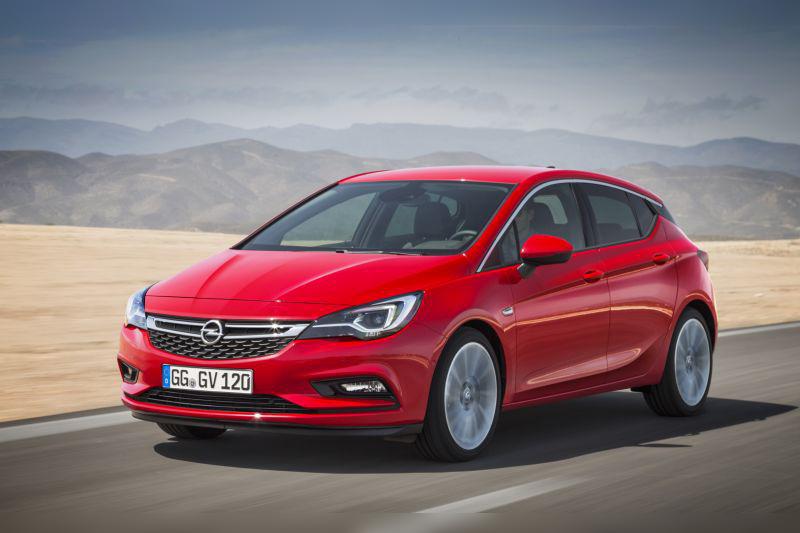
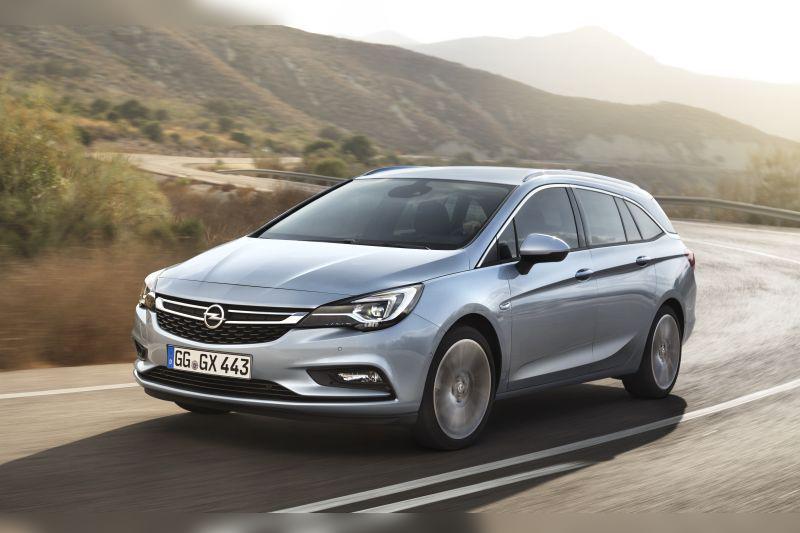
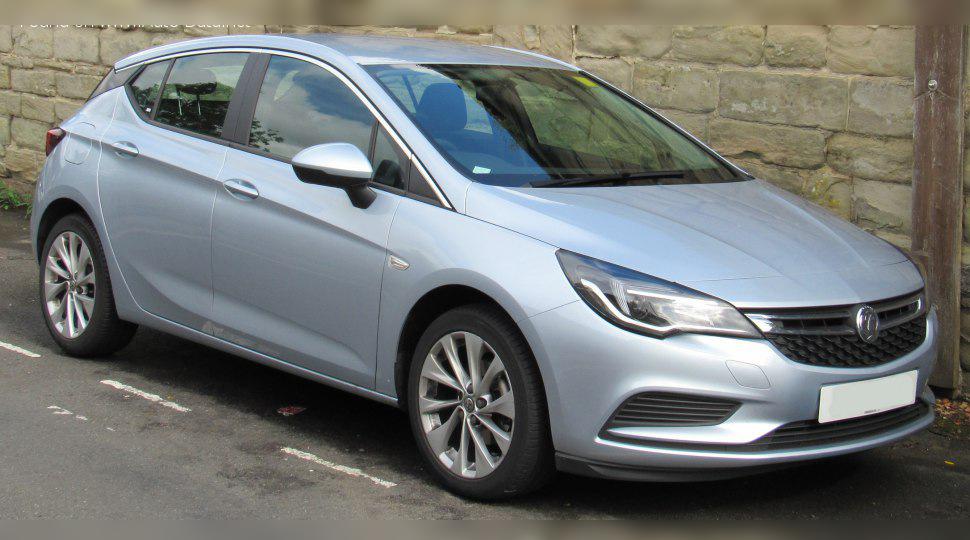
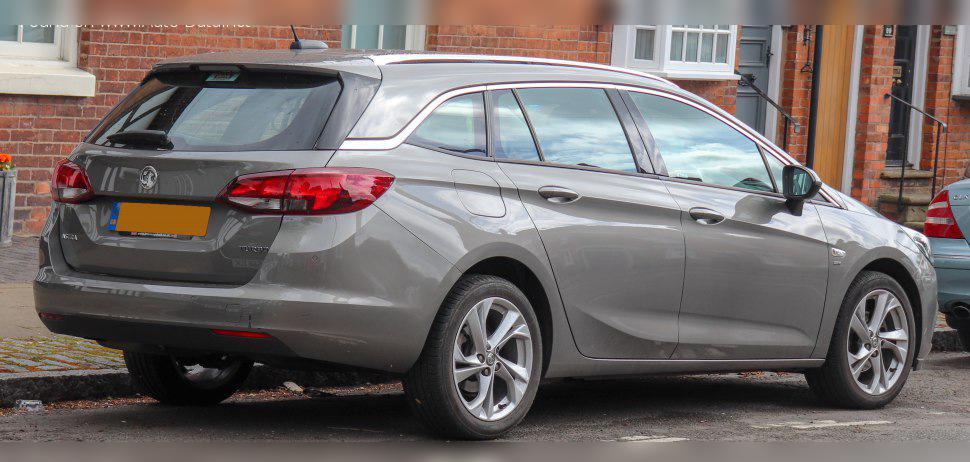
The engine designated as B14XFT (commercially known as 1.4 EcoTec or SIDI) is GM’s answer to the demand for downsizing while maintaining serious power. It belongs to the family of small petrol engines with direct injection (SIDI - Spark Ignition Direct Injection). It gained the most popularity under the hood of the Opel Astra K (and its British sister, the Vauxhall Astra Mk VII), both in hatchback and Sports Tourer (estate) versions. Because the Astra K went through a serious “diet” compared to the previous generation, this 150 HP engine turns the car into a very agile vehicle. However, technological progress also brings certain requirements in terms of maintenance, which every potential owner must be aware of.
Technical specifications
| Specification | Data |
|---|---|
| Engine displacement | 1399 cc |
| Power | 110 kW (150 HP) |
| Torque | 245 Nm |
| Engine codes | B14XFT (often listed under GM RPO code LE2) |
| Injection type | Direct injection (SIDI) |
| Intake type | Turbocharger + intercooler |
Reliability and maintenance
This power unit uses a timing chain to drive the camshafts, not a timing belt. This means there is no classic fixed interval for the so‑called “major service”. The chain is designed to last as long as the engine itself, but in practice, due to driving style and lubrication quality, it may require replacement. Symptoms of a stretched chain are metallic rattling noises on cold start. If rattling is heard, replacement is usually done between 150,000 and 200,000 km.
The biggest engineering issue of this engine, and at the same time its most common failure, is the LSPI phenomenon (Low Speed Pre-Ignition). This is premature ignition of the mixture in the cylinder at low revs and high load (for example, when you floor the throttle in fourth gear at 1500 rpm). This causes enormous pressure in the cylinder and often leads to cracked pistons and damaged rings. The solution the manufacturer later introduced is the strict use of a special engine oil that prevents this phenomenon.
The engine holds approximately 4.0 liters of oil. Due to the aforementioned LSPI problem, it is mandatory to use only fully synthetic 5W-30 oil with the Dexos 1 Gen 2 specification (or newer Gen 3). Any other oil (such as the older Dexos 2 for diesels) can destroy the engine! As for oil consumption, due to the turbocharger and engine design, slight consumption is to be expected. It is considered normal for the engine to consume about 0.5 to 1 liter of oil between services (every 10,000 to 15,000 km). If it consumes more, the problem usually lies in the PCV valve (crankcase breather) or worn piston rings.
As a modern turbo petrol engine with direct injection, it requires a strong spark. Spark plugs must be replaced every 60,000 km. Iridium spark plugs are used. Skipping this interval directly increases the risk of LSPI issues and coil pack failure.
Specific parts and costs
Buyers of petrol cars often think they are free from the expensive parts that diesel owners face, but that’s not the case here. Models with a manual gearbox have a dual-mass flywheel, which serves to dampen engine vibrations. The cost of replacing the clutch kit and dual-mass flywheel is very high (depends on the market).
The injection system is direct (SIDI). Injectors spray fuel at high pressure directly into the cylinder. The injectors themselves are not particularly problematic, but direct injection comes with one well-known issue: fuel does not wash the intake valves. Over time, this leads to carbon build-up on the intake valves. Symptoms are rough idle, loss of power and higher fuel consumption. Cleaning is done by walnut shell blasting at around 100,000 km. The high-pressure fuel pump (HPFP) can occasionally be noisy, but generally covers solid mileage.
The engine has a single turbocharger integrated with the exhaust manifold. Its service life is good, over 200,000 km with regular oil changes, but there is a known issue with the wastegate mechanism. The actuator rod can develop play, which causes an irritating metallic rattle when lifting off the throttle and a slight loss of boost pressure.
Since this is a petrol engine, it does not have a DPF filter or AdBlue system (which is a huge relief compared to diesels). However, newer revisions of this engine (as Euro standards became stricter) may have a GPF (Gasoline Particulate Filter), which is far less problematic than its diesel counterpart, because petrol engines run at higher temperatures and perform passive regeneration more easily. A classic physical EGR valve is absent on many versions (recirculation is achieved by valve overlap via the VVT system), so clogged EGR is not a standard issue.
Fuel consumption and performance
Performance is where this engine really shines. The Astra K is noticeably lighter than the previous generation, so with 150 HP and 245 Nm of torque, this engine is in no way “sluggish”. It responds sharply to the throttle and pulls very well from low revs thanks to the turbocharger.
Real-world fuel consumption in strict city driving (stop‑and‑go conditions) ranges between 8.0 and 9.0 l/100 km. With careful driving and use of the start&stop system it can be closer to the lower end, but don’t expect the consumption of a small naturally aspirated engine.
On the motorway it behaves like a serious long‑distance cruiser. At 130 km/h in sixth gear, the crankshaft spins at a relaxed 2600 to 2700 rpm (depending on gearbox ratios). In these conditions, fuel consumption is around 6.0 to 6.5 l/100 km, and the cabin is fairly quiet.
Additional options and modifications
Should you install LPG? Short answer: It is not recommended. Since the engine has direct injection, classic sequential systems cannot be installed. Expensive dedicated systems are required. In addition, even with LPG installed, the engine must constantly inject a certain amount of petrol to cool the petrol injectors (which are located inside the cylinder). The cost-effectiveness calculation on this engine simply doesn’t add up, while the risk of failures increases.
When it comes to so‑called “chipping” (ECU remapping), with a software Stage 1 tune the power can safely be raised from 150 HP to around 175 to 180 HP, and torque to nearly 300 Nm. The engine can mechanically withstand this pressure, but be extremely careful because of the LSPI issue. A poorly made ignition map can destroy the pistons at the first hard acceleration uphill. Entrust tuning only to reputable companies with experience in SIDI engines.
Gearbox and drivetrain
The B14XFT engine comes paired with two gearbox options: a six-speed manual gearbox (code M32) and a six-speed automatic gearbox (code 6T35) with a torque converter (a conventional automatic, not a robotised unit and not a CVT).
Manual gearbox (M32)
The M32 designation sends shivers down the spine of older Opel enthusiasts because of the infamous sixth‑gear bearing failure. However, the Astra K uses the so‑called Generation 3 of this gearbox. It is significantly more reliable, the casing has been redesigned and cooling improved. Still, failures have not been completely eradicated. Symptoms of failure are a characteristic “whine” or humming while driving in 5th or 6th gear, as well as movement of the gear lever when pressing and releasing the throttle in first gear. Although the manufacturer claims that the gearbox oil is “lifetime”, any experienced mechanic will tell you that it is essential to change the oil in the manual gearbox every 60,000 to 80,000 km to extend its life.
Automatic gearbox (6T35)
This automatic is generally smooth and reliable, but very sensitive to oil quality. The most common problems occur in the valve body (hydraulic block) and solenoids if the gearbox overheats or the oil is not changed. Jerks when shifting from P to D, or harsh shifts when changing up are a clear sign that something is wrong. The oil in the automatic gearbox must be changed every 60,000 km. Because the cost of repairing the automatic is very high (depends on the market), a thorough check before purchase is absolutely essential.
Buying used and conclusion
If you are buying a car with the B14XFT engine, here is exactly what you need to pay attention to:
- Chain noise check: Ask the seller not to start the car before you arrive. The first cold start is crucial. Open the bonnet and listen for sharp metallic rattling in the first few seconds of operation.
- Checking for LSPI symptoms: During the test drive, when the car is fully warmed up, shift into 4th or 5th gear at about 50–60 km/h (low revs) and floor the throttle. The car must accelerate smoothly. Any jerking, hesitation or knocking sound from the engine (like rattling valves) is a warning sign of LSPI and potentially damaged pistons.
- Service history: Check the invoices. If you don’t see that Dexos 1 Gen 2 (or Gen 3) oil has been used, but instead some generic 5W‑30 (such as Dexos 2 for diesels), be very skeptical.
- Turbo noise: Open the window and lift off the throttle at lower speeds. If you hear a sound similar to an empty can rattling from the engine bay, this indicates a worn wastegate mechanism in the turbo.
Who is this engine for? The B14XFT is an excellent choice for drivers who want performance close to sports cars, reasonable fuel consumption on the motorway and the refined operation of a petrol engine. It is not intended for drivers who neglect regular maintenance and try to save on oil and spark plug quality. If you find a well‑maintained example whose owner understood the specifics of this engine, you will get a very reliable and dynamic car.