Opel 1.5 Turbo D15XFL Engine (140 hp): Owner Experiences, Problems, Fuel Consumption and Used Car Buying Tips
Key points in short (TL;DR)
- Timing drive: Uses a timing chain which is generally reliable, but requires regular maintenance and careful listening at cold start.
- Main risk (LSPI): Due to direct injection, the engine is extremely sensitive to LSPI (pre-ignition). It is mandatory to use only oil with dexos1 Gen 2 or Gen 3 specification to prevent piston and ring failure.
- Performance: With 140 hp in the heavy Insignia body, this engine is not a racer, but a decent cruiser. Under full load it can feel quite sluggish.
- Gearbox: Manual gearboxes (the famous M32) require regular oil changes to prevent bearing failure. A dual-mass flywheel is fitted and its replacement is not cheap.
- LPG: Installation is not recommended due to direct injection; systems are very expensive and the risk to the valves is high.
- Emissions: No DPF or AdBlue because it’s a petrol engine, but newer revisions have a GPF (OPF) particulate filter which can clog in city driving.
Contents
- Introduction: Get to Know the D15XFL Engine
- Technical Specifications
- Reliability and Maintenance
- Specific Components (Costs)
- Fuel Consumption and Performance
- Additional Options and Modifications (LPG and Remapping)
- Gearbox and Drivetrain
- Buying Used and Conclusion
Introduction: Get to Know the D15XFL Engine
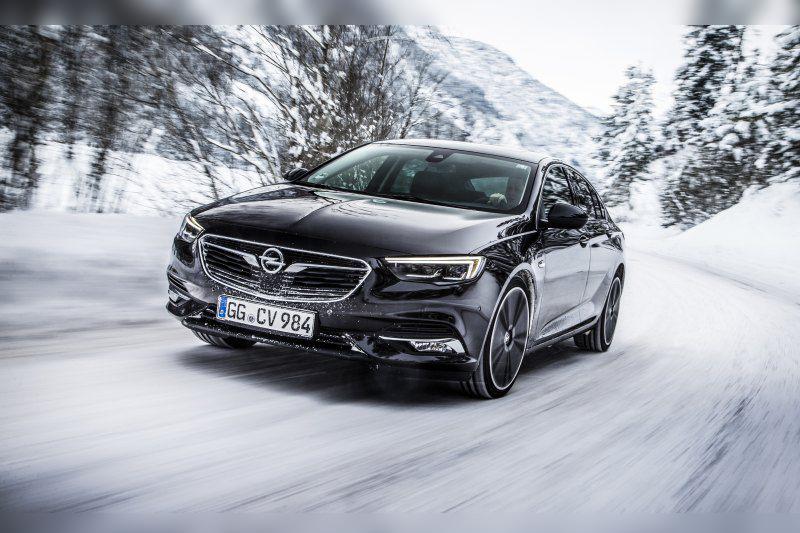
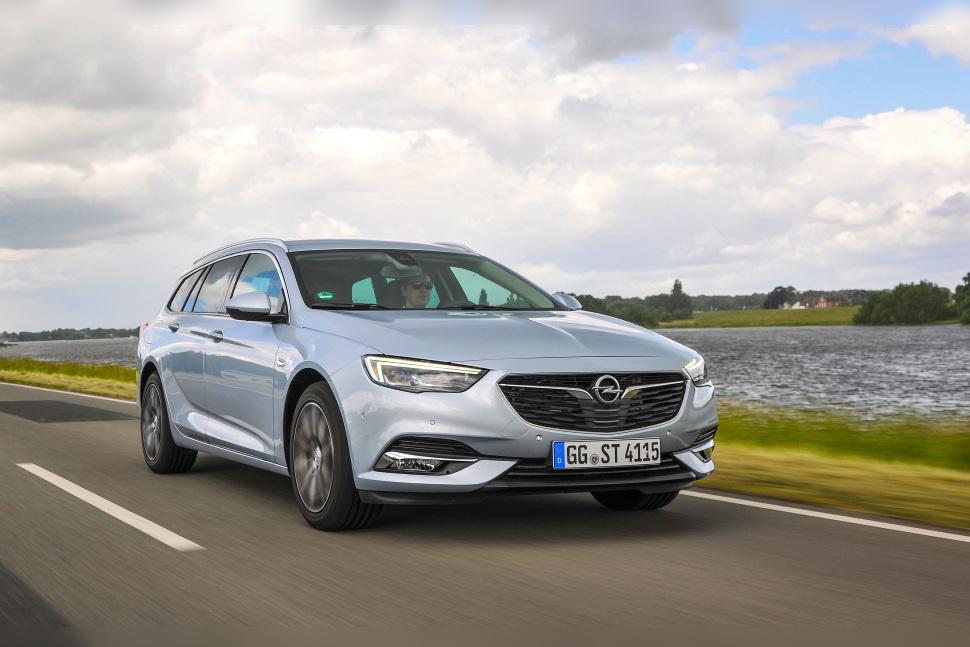
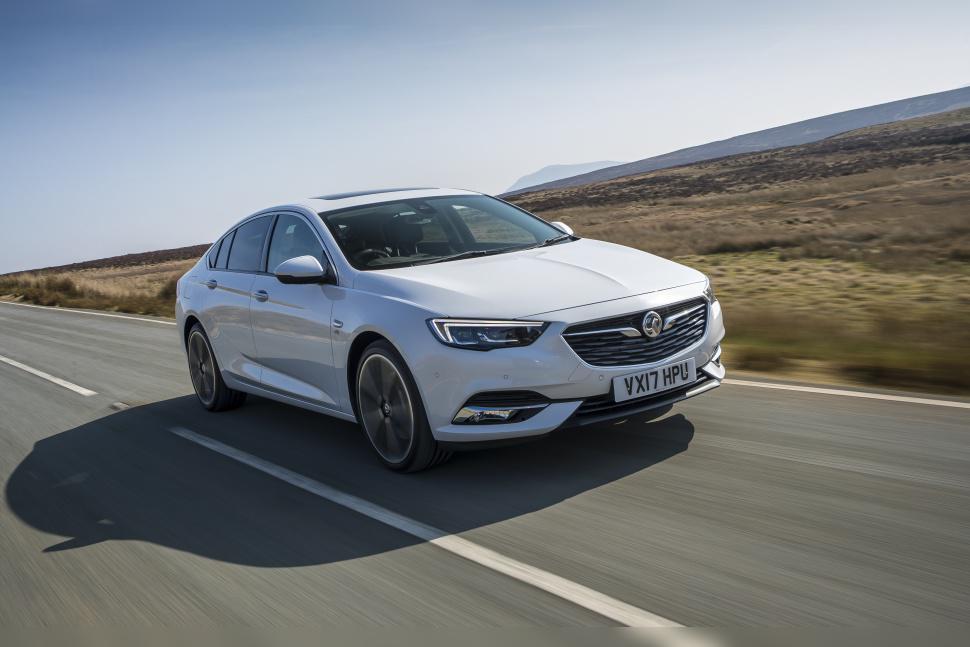
When Opel launched the second generation Insignia (Insignia B, also known as Grand Sport and Sports Tourer), one of the base petrol units was the new 1.5‑litre turbo engine with the internal code D15XFL. It belongs to GM’s Small Gasoline Engine family (SGE), replacing the older 1.4 and 1.6 turbo engines. It was designed to offer quieter operation, lower emissions and a smooth power delivery. It was fitted to both Opel and Vauxhall versions of the Insignia and represents the entry point into the petrol range of this large saloon.
Technical Specifications
| Specification | Data |
|---|---|
| Engine code | D15XFL (LFV) |
| Displacement | 1490 cc |
| Power | 103 kW (140 hp) |
| Torque | 250 Nm |
| Fuel type | Petrol (Gasoline) |
| Injection system | Direct injection (SIDI) |
| Induction | Turbocharger with intercooler |
Reliability and Maintenance
Timing belt or chain?
The D15XFL engine uses a timing chain. GM has learned from past mistakes, so the chain on this engine is much more robust than on older generations, but it is not indestructible. Chain life depends directly on oil quality and driving style. Rattling at cold start (the so‑called cold start rattle) is the first symptom that the chain tensioner is worn or that the chain itself has stretched. A major service, i.e. preventive replacement of the chain together with guides and tensioners, is in practice recommended after 150,000 to 180,000 km, or earlier if you hear a characteristic metallic noise from the timing area.
Most common failures
The biggest enemy of this engine is the phenomenon known as LSPI (Low-Speed Pre-Ignition). This is early ignition of the mixture at low rpm under load. Symptoms appear as engine hiccups under sudden throttle and rough running, and the consequences are catastrophic: broken rings, melted pistons and a destroyed engine block. Another common issue is build‑up of carbon deposits on the intake valves (a typical problem of all direct‑injection engines), which after around 100,000 km leads to rough idle and poorer throttle response. It is solved by mechanical intake cleaning (e.g. walnut shell blasting de‑carbonisation).
Oil: Quantity and specification
This engine takes about 4 litres of oil (with filter change). The recommended viscosity is usually 0W-20 or 5W-30. However, viscosity is not as critical here as the specification! To prevent the aforementioned LSPI, you MUST ONLY use oil approved to dexos1 Gen 2 (or newer Gen 3). Oil without this approval will lead to engine failure. Oil consumption between services is usually minimal on healthy engines. The manufacturer’s tolerance is up to 0.6 l/1000 km, but in reality any consumption above 0.2–0.3 litres per 1000 km points to problems with valve stem seals or stuck oil control rings. Oil must be changed at a maximum of every 15,000 km or once a year.
Spark plugs
As this is a petrol engine, regular spark plug replacement is critical due to the risk of insulator cracking under high turbo pressure. It is recommended to replace quality iridium spark plugs every 60,000 km. Delaying replacement puts extra strain on the ignition coils, which then burn out.
Specific Components (Costs)
Fuel injection system
As an engine with SIDI (Spark Ignition Direct Injection) technology, the D15XFL uses a high‑pressure fuel pump and direct injectors in the cylinders. The injectors are generally reliable, but sensitive to poor fuel quality. Sometimes the high‑pressure pump can produce a pronounced ticking sound, which is normal up to a point, but loud mechanical knocking may indicate wear of its cam follower. Injector replacement is quite an expensive item compared to old multipoint petrol engines.
Turbocharger
The engine has a single turbocharger. Its service life is quite good (easily over 200,000 km) if the engine is regularly serviced with the correct oil and is not switched off immediately after hard motorway driving, so that the oil can cool the turbo bearings. A sensitive part can be the wastegate actuator, which over time can seize, resulting in loss of power and an illuminated Check Engine light.
DPF, EGR and AdBlue – What this engine does (and doesn’t) have
Since this is a petrol engine, it naturally does not have an AdBlue system or a classic DPF (Diesel Particulate Filter) like diesels. However, newer models compliant with strict Euro 6 standards are equipped with a GPF (Gasoline Particulate Filter), also known as OPF. It traps soot particles. Unlike diesels, petrol engines reach regeneration temperature more easily, but constant short city trips can still lead to GPF clogging. The engine has an EGR system for exhaust gas recirculation, which can accumulate soot deposits, but this happens much less frequently than on diesel versions.
Fuel Consumption and Performance
City driving and real‑world consumption
In stop‑and‑go city traffic, an engine of this size has to move a saloon weighing almost a tonne and a half. Because of that, real‑world city consumption does not drop below 8.5 to 10 l/100 km, depending on how heavy your right foot is and traffic conditions. Do not expect miracles in terms of economy at traffic lights.
Power‑to‑weight ratio (Is the engine “lazy”?)
To be completely honest, 140 hp and 250 Nm are the bare minimum of dignity for a body this big. In everyday driving and when setting off, the engine behaves quite adequately thanks to turbo torque at low revs. However, once you load the car with family, luggage and turn on the air‑conditioning, you will feel that the engine is sluggish when overtaking on country roads. This is not a car for aggressive manoeuvres; it requires planning your overtakes.
Motorway behaviour
On the motorway, the Insignia with this engine shines as a true autobahn cruiser. Aerodynamics are excellent, and at 130 km/h in 6th gear the engine cruises at around 2500 to 2700 rpm, running quietly and smoothly. Motorway fuel consumption is around a respectable 6.5 to 7 l/100 km.
Additional Options and Modifications
Should you install LPG?
Short answer: It’s not worth it. Since the D15XFL has direct petrol injection straight into the combustion chamber, classic sequential LPG systems are not suitable here. Petrol is used to cool the injectors; if it is completely cut off, the injectors burn out. There are dedicated LPG systems with liquid phase injection or systems that inject a certain percentage of petrol (around 15–20%) alongside LPG. However, such systems are extremely expensive to install, require top‑notch mapping and significantly extend the payback period. Also, valve seats on modern turbo petrol engines are very sensitive to the elevated temperatures generated by gas.
Remapping (Stage 1)
With a Stage 1 remap this engine can usually be safely raised to around 165 to 175 hp, with torque increased to about 290–300 Nm. This will certainly reduce the feeling of sluggishness. However, be extremely careful: increasing turbo boost directly raises the risk of LSPI at low revs if the map is not done professionally or if you use poor‑quality fuel.
Gearbox
Types of gearboxes and issues
This engine is usually paired with a 6‑speed manual or 6‑speed automatic gearbox.
- Manual gearbox (most often from the M32 series): This gearbox has historically caused many headaches for Opel drivers. Although the Insignia B received newer, revised versions with better lubrication and larger bearings, the weakness is still there. The most common failure is mainshaft bearing wear, which the driver notices as a whining noise in 5th and 6th gear or slight movement of the gear lever when applying and releasing the throttle (the lever “waving”). Recommendation: MANDATORY gearbox oil change every 60,000 km to prevent build‑up of fine metal shavings that destroy the bearings.
- Automatic gearbox: This is a conventional automatic with a torque converter. Failures are mostly related to the electro‑hydraulic control unit (valve body) due to dirty oil, which causes jerking or hesitation when changing gears. Oil change (with flushing) is absolutely necessary at the latest every 80,000 km, even though the manufacturer often calls it “lifetime” fill.
Dual‑mass flywheel
Yes, if the car is equipped with a manual gearbox, it has a dual‑mass flywheel. Its job is to absorb engine vibrations and protect the gearbox from the strong torque shock from the turbo. Symptoms of failure are metallic rattling when switching off the engine and vibrations in the clutch pedal. A clutch kit with dual‑mass flywheel for this petrol model is not cheap and counts as a major repair.
Buying Used and Conclusion
Before you hand over your money for a used Insignia with the 1.5 Turbo D15XFL engine, make sure you do the following:
- Check service history: This is the most important point. If you do not have black‑and‑white proof that dexos1 Gen 2/3 oil was used and changed on time, walk away from that car. The engine has probably already started damaging its rings due to LSPI.
- Cold start: Ask the seller to keep the car completely cold. Listen carefully for chain rattle during the first 3 to 5 seconds of running. Rattle means an imminent expense for timing replacement.
- Gearbox test drive: In 3rd, 5th and 6th gear at low revs, apply throttle and pay attention to any whining noise (like a trolleybus) and whether the gear lever moves.
- Diagnostics: Read out fault codes and be sure to check the misfire counter, as it is the first to indicate carbon build‑up on the valves or spark plug issues.
Who is this engine for?
The Opel Insignia 1.5 Turbo with 140 hp is ideal for drivers who cover a moderate annual mileage, prefer relaxed driving, space and the comfort of a large saloon on the motorway, and want to avoid the headaches (and potential city‑centre bans in European cities) that come with older diesels. If you approach maintenance diligently, respect the oil specifications and change it regularly, this engine can serve you faithfully and quietly for hundreds of thousands of kilometres. If you enjoy sporty driving – look for the 2.0 Turbo.