Opel 1.6 CDTi (D16DTH) – All About the Engine: Experiences, Problems, Fuel Consumption and Buying Used
- Timing chain location: The chain is located at the rear of the engine (next to the gearbox), which makes replacement labor-intensive and expensive.
- Elasticity and torque: With an impressive 320 Nm of torque, the engine copes very well with heavier bodies such as the Insignia and Mokka X.
- Fuel consumption: Extremely economical on open roads, ideal for long-distance driving.
- Gearboxes: Manual gearboxes (the well-known M32) require bearing inspection, while automatics are reliable with regular maintenance.
- AdBlue and emissions: A sensitive exhaust aftertreatment system, a common issue on vehicles driven exclusively in city conditions.
- Recommendation: An excellent purchase for drivers who cover high annual mileage on motorways, not recommended for short urban trips.
Contents
- Introduction: The Whispering Diesel from Rüsselsheim
- Technical Specifications
- Reliability and Maintenance
- Specific Parts and Costs
- Fuel Consumption and Performance
- Additional Options and Modifications
- Transmissions and Power Delivery
- Buying Used and Conclusion
Introduction: The Whispering Diesel from Rüsselsheim
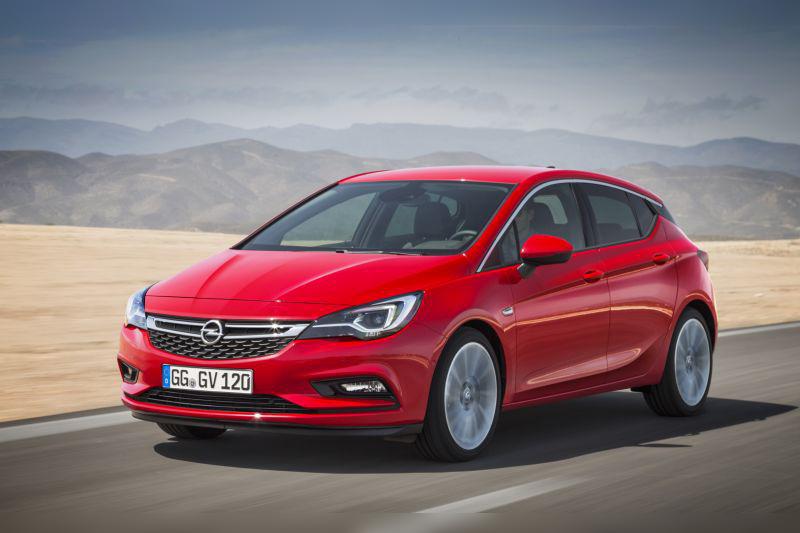
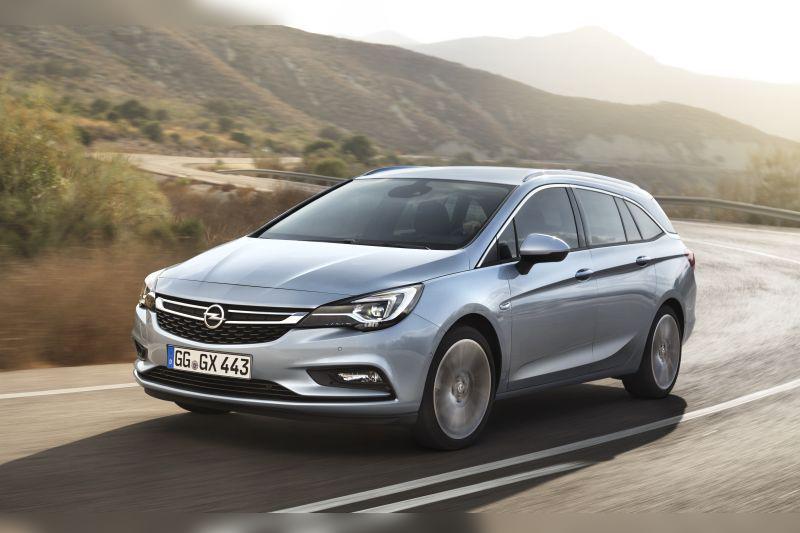
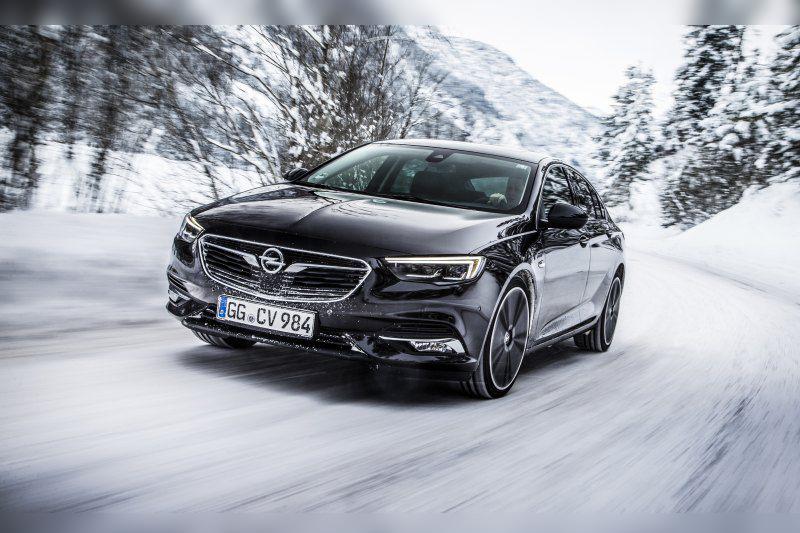
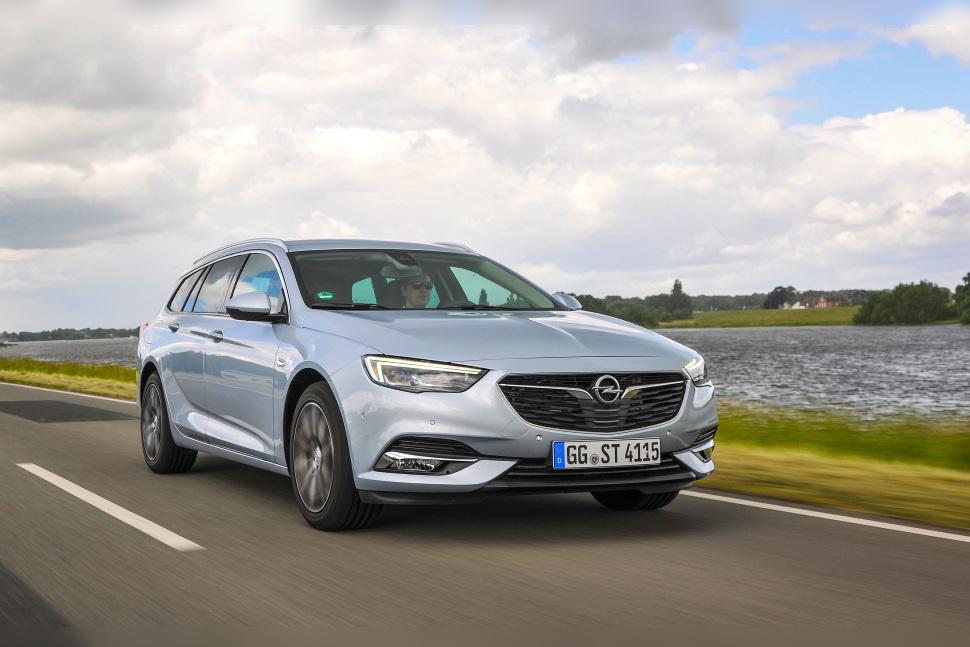
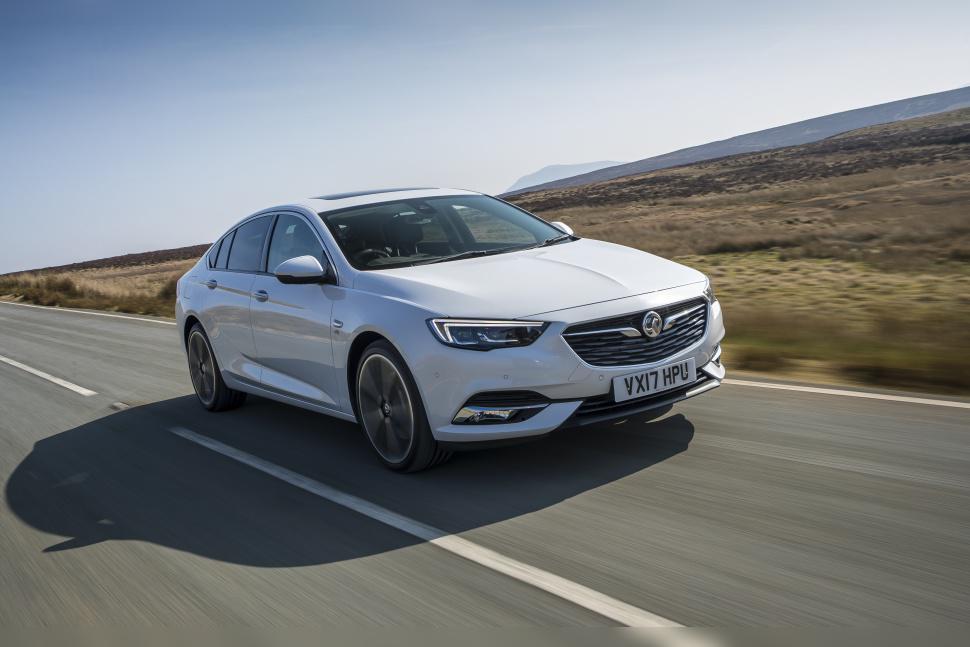
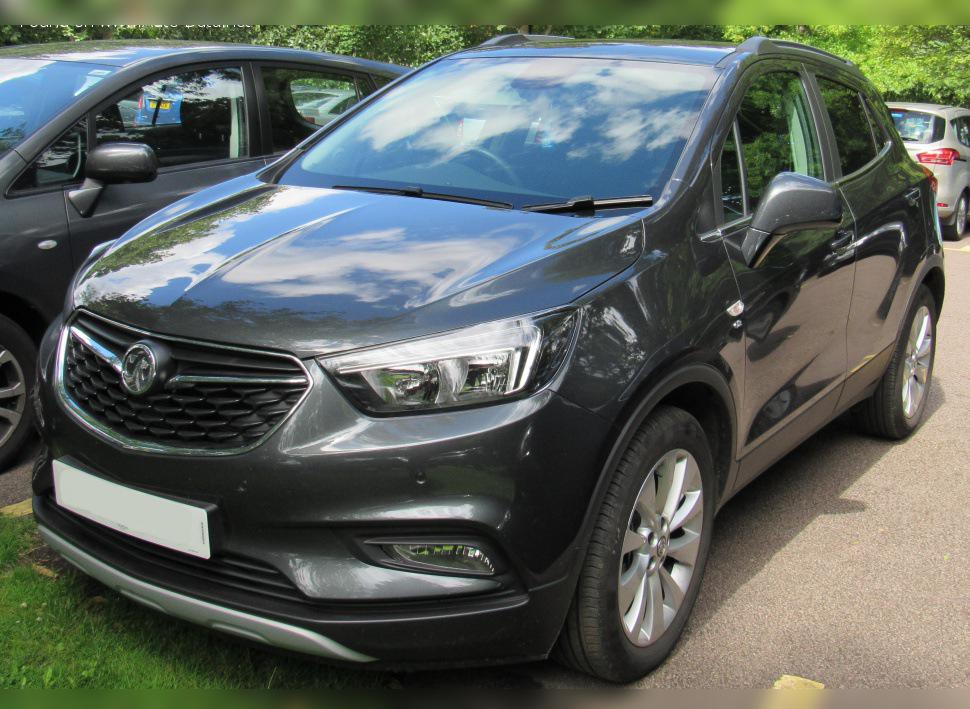
The engine designated as D16DTH (commercially known as 1.6 CDTi, and in Vauxhall models as 1.6 Turbo D) represented a major turning point for Opel. It was designed to replace the outdated, noisy 1.7 CDTi and older versions of the 2.0 CDTi units. Opel marketed it as the “whispering diesel” due to its significantly more refined operation, reduced engine block vibrations and better insulation. It was installed in a wide range of vehicles, from the compact Astra K, through the SUV Mokka X, all the way to the D‑segment sedan, the Insignia Grand Sport (B generation). Thanks to its aluminum block, the engine is lighter than its predecessors, which positively affected the weight balance on the front axle of the car.
Technical Specifications
| Parameter | Value |
|---|---|
| Engine displacement | 1598 cc |
| Engine power | 100 kW (136 hp) |
| Torque | 320 Nm |
| Engine codes | D16DTH (Euro 6d), B16DTH (Euro 6b/c) |
| Injection type | Common Rail (Denso) |
| Charging system | Variable-geometry turbocharger with intercooler |
Reliability and Maintenance
This unit relies on a timing chain to transfer power from the crankshaft to the camshafts. The design solution that causes headaches for many owners is the chain’s position – it is located at the rear of the engine, i.e. between the engine block and the gearbox. Because of this, any work on the timing system requires removing the engine or taking off the gearbox. The most common issue on this engine is precisely the chain tensioner. The symptom is a sharp, metallic rattling noise on cold start that lasts a few seconds until the system builds up oil pressure. If the chain stretches, the noise becomes constant.
The manufacturer did not strictly define a classic “major service” interval (timing chain replacement), but in practice it is done when the first audible symptoms appear, usually between 150,000 and 200,000 km. Not postponing this service is crucial, because if the chain skips, it leads to catastrophic damage to valves and pistons.
For regular servicing, the D16DTH takes exactly 5 liters of engine oil. The recommendation is to strictly use fully synthetic oil of grade 5W-30 that meets the Dexos 2 (or newer Dexos D) standard due to the DPF filter. Although the manufacturer optimistically suggests a 30,000 km oil change interval, any experienced mechanic will tell you to shorten it to a maximum of 10,000 to 15,000 km. A healthy engine does not consume oil between services. Any noticeable consumption (over 0.5 l per 10,000 km) points to a potential problem with piston rings or a leak in the turbocharger.
The injection system uses advanced components, and the injectors have proven to be very durable, provided you use quality Euro-diesel. Denso injectors can easily exceed 250,000 km. The first symptoms of worn injectors are rough idling (as if the engine is “stumbling”), difficult first morning starts and black smoke when you suddenly step on the throttle (if the DPF fails to trap it).
Specific Parts and Costs
As a modern turbo-diesel, this engine is equipped with a dual mass flywheel. Its service life depends mostly on driving style (hard acceleration from low revs destroys it). On average it lasts around 180,000 km. Symptoms of a worn flywheel are strong vibrations in the cabin while the car is stationary, knocking when starting and harsh jolts when switching the engine off. The cost of replacing the complete clutch kit with the dual mass flywheel falls into the “very expensive” category (depends on the market).
Air supply is handled by a single variable-geometry turbocharger (VGT). The life of the turbo is directly linked to regular oil changes. Clogged lubrication channels quickly lead to wear of the turbo shaft. Whistling under load and loss of power accompanied by a lit “Check Engine” light are clear indicators of failure. Rebuilding is possible and is relatively affordable compared to buying a new unit.
Emission systems: DPF, EGR and AdBlue
The D16DTH is strictly emissions-oriented. The EGR valve and DPF filter are prone to fouling and clogging if the car is driven predominantly in stop‑and‑go city traffic. In such conditions, the DPF often does not get hot enough to perform regeneration, which leads to diesel mixing with engine oil (the oil level on the dipstick rises). The EGR valve gets clogged with soot and sticks in the open position, causing loss of power and rough engine operation.
Newer series of this engine (to meet Euro 6 standards) are equipped with an AdBlue system (SCR). This system is a source of numerous frustrations. The most common failures are the pump module inside the AdBlue tank or the fluid heater. The driver gets a countdown message on the instrument cluster (e.g. “No engine start in 800 km”). Repair or replacement of the entire tank module is very expensive (depends on the market). Prevention means regularly topping up AdBlue fluid and using additives that prevent crystallization of the fluid in winter conditions.
Fuel Consumption and Performance
In real-world use, the performance of the engine with 136 hp and 320 Nm is excellent. In the Astra K and the lighter Mokka X, this engine offers surprisingly brisk acceleration and excellent in‑gear pull when overtaking. It is anything but “lazy”. In the larger, heavier Insignia, the engine still copes quite decently; it is not a racer, but you will not feel a lack of power in normal driving conditions.
Fuel consumption is one of the strongest points of the D16DTH unit. In harsh city conditions with the air conditioning on, consumption ranges from 6.5 to 7.5 l/100 km. On country roads, with moderate driving, it drops below 4.5 l/100 km. On the motorway, at 130 km/h in sixth gear, the engine cruises at a relaxed ~2,200 rpm, and consumption is around 5.0 to 5.5 l/100 km. Cabin insulation is excellent, so engine noise at those speeds is barely audible.
Additional Options and Modifications
Software power optimization, the popular chiptuning (Stage 1), is very well tolerated by this engine. The standard 136 hp and 320 Nm can be safely raised to 160 to 165 hp with a simple ECU remap, with torque increasing to around 370 to 380 Nm. If the turbo and DPF filter are in good condition, this increase will not drastically shorten the life of the mechanical components, while the driver will enjoy much more relaxed overtaking with a fully loaded car.
Transmissions and Power Delivery
The D16DTH is most commonly paired with two types of gearboxes:
- 6‑speed manual gearbox (mainly the M32 generation): Known for problems with the bearings on the upper gear shaft (fifth and sixth gear suffer the most). The symptom of failure is a characteristic whining and humming while driving, and sometimes the gear lever moves by itself when you press and release the throttle. Overhauling this gearbox is quite expensive (depends on the market). Changing the oil in the manual gearbox (about 2 liters of the correct specification) every 60,000 km drastically reduces the risk of this failure. This gearbox is paired with the aforementioned dual mass flywheel.
- 6‑speed automatic gearbox (Aisin series): This is a conventional automatic with a torque converter. It is considered extremely reliable and offers very smooth gear changes, although it is not as fast as dual‑clutch transmissions. Its reliability depends solely on regular servicing – oil changes are strongly recommended every 60,000 to 80,000 km. The automatic gearbox does not have a conventional dual mass flywheel and clutch, so you avoid that specific replacement cost.
Buying Used and Conclusion
When buying a used car equipped with the 1.6 CDTi (D16DTH) engine, you must focus on several critical points:
- Cold start: Insist that the seller does not start the car before you arrive. Listen to the engine immediately after turning the key. Any scraping or metal‑on‑metal knocking indicates a stretched chain, and an expensive replacement is just around the corner.
- Clutch condition: Press the clutch pedal halfway; if you feel pulsation in the pedal and a change in engine sound, the dual mass flywheel is nearing the end of its service life.
- Diagnostics (OBD): Be sure to check the DPF filter saturation level and the mileage since the last successful regeneration. Also check for stored fault codes related to the AdBlue exhaust injection system.
- Gearbox check: During a test drive with the manual gearbox, accelerate in fifth and sixth gear on an open road and listen for humming from underneath the floor.
Final verdict: Who is the D16DTH for? This is an excellent engine for drivers who cover 20,000 km or more per year, primarily on regional roads and motorways. It offers a great balance of performance, low fuel consumption and reasonable registration costs. On the other hand, if you are buying a car primarily for everyday city driving on short commutes to work and back, problems with the DPF, EGR valve and AdBlue system will drain your wallet. For urban use, it is wiser to look for a petrol alternative from Opel’s range.