Experiences, issues, fuel consumption and buying used: Chevrolet 6.6 Duramax L5P V8 (445 hp)
Key points in short (TL;DR)
- No timing belt: The camshaft is driven by a massive gear train, which means drive failure is practically impossible.
- Previous design flaw fixed: The notorious Bosch CP4 pump has been replaced with the reliable Denso HP4 high‑pressure pump.
- Emissions systems are the biggest enemy: EGR, DPF and AdBlue (DEF) systems cause the most headaches for owners, especially in winter or in city driving.
- Expensive regular maintenance: The engine takes almost 10 liters of synthetic oil, and the filters are large.
- Force of nature: With 1234 Nm of torque, this is not a city engine but a true workhorse for towing heavy loads.
- Indestructible transmission: Allison automatic transmissions (6 or 10 speeds) are top‑tier, but require regular oil and filter changes.
Contents
- Introduction: An American titan for heavy duty
- Technical specifications
- Reliability and maintenance
- Specific parts and failures
- Fuel consumption and performance
- Additional options and modifications
- Transmission and drivetrain
- Buying used and conclusion
Introduction: An American titan for heavy duty
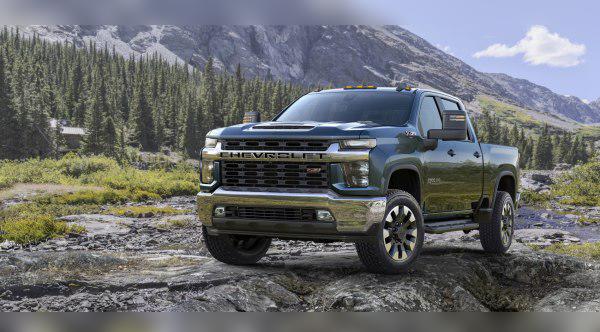
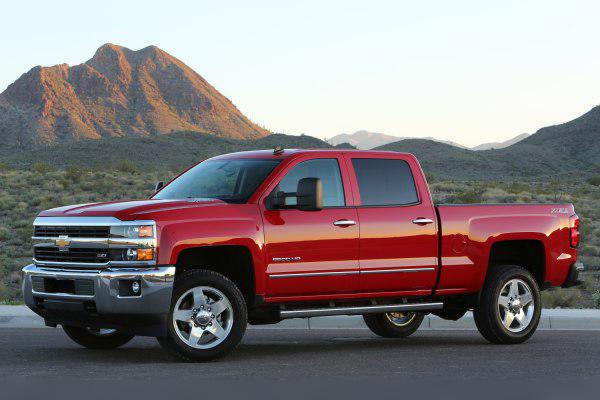
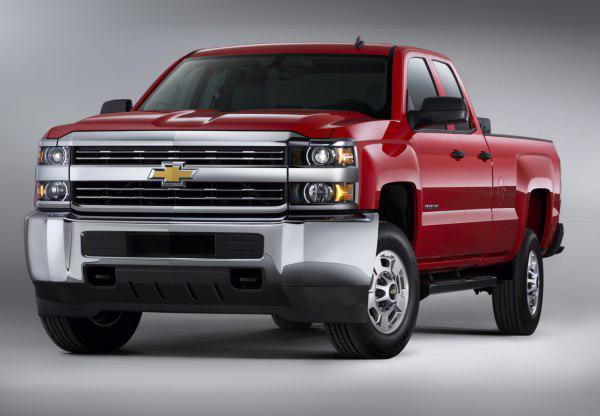
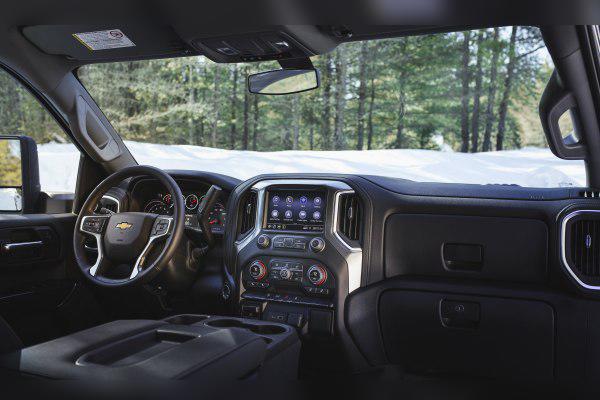
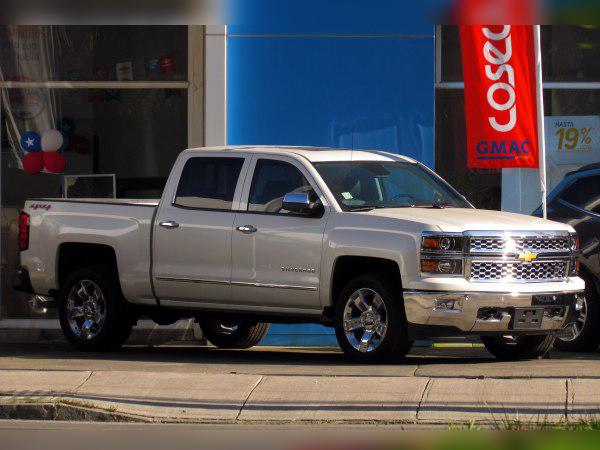
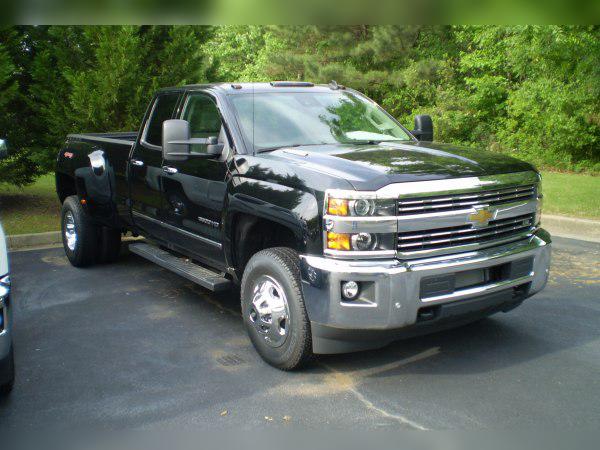
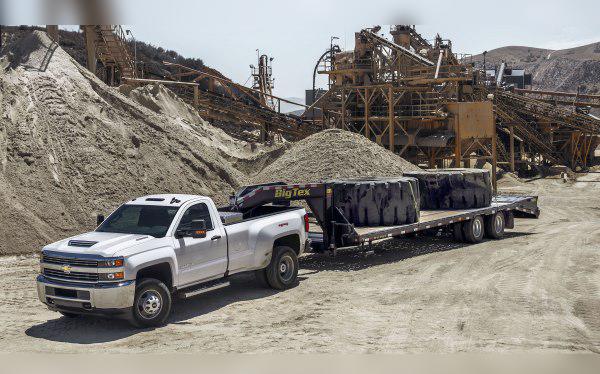
When talking about engines that move mountains, the 6.6L Duramax V8 (engine code L5P) sits at the very top of the lineup. Introduced for 2017‑onward models, this powerplant drives heavy‑duty trucks and work vehicles, primarily the Chevrolet Silverado 2500 HD and 3500 HD third (K2XX) and fourth (T1XX) generations. General Motors launched this engine as a direct response to the competition, completely redesigning the engine block, heads, turbo system and fuel injection. This is not an engine for a Sunday run to the supermarket – it is an industrial machine stuffed under the hood, designed to pull trailers weighing over 10 tons uphill without overheating.
Technical specifications
| Parameter | Value |
|---|---|
| Engine displacement | 6604 cc (6.6L) |
| Configuration | V8 |
| Power | 332 kW (445 hp) |
| Torque | 1234 Nm |
| Engine code | L5P |
| Injection type | Common‑rail direct (Denso system) |
| Aspiration | Turbo (VGT – variable geometry) + intercooler |
Reliability and maintenance
Does this engine have a timing belt or chain?
This is an old‑school heavy‑duty engine, which means it has neither a timing belt nor a long chain to drive the camshaft. Instead, it uses an extremely robust gear train that links the crankshaft and camshaft. This system is practically lifetime and requires no maintenance. There is only a small chain that drives the oil pump, but it does not snap and does not cause issues. Auxiliary components are driven by a massive serpentine belt.
At what mileage is the “major service” done?
Since there is no timing belt, the classic “major service” is not done here in the usual sense. It is recommended to inspect and replace the serpentine belt, idlers, tensioner, thermostat (the engine has two thermostats) and water pump at around 150,000 to 160,000 km. Replacing the water pump can be demanding due to the huge fan (viscous clutch) and the radiator up front.
Oil and regular services
Maintaining this heavyweight is not cheap. The oil pan holds a massive 9.5 liters of oil (with filter change). It is recommended to use premium synthetic oil of grade 15W‑40 (for warmer climates and extreme towing) or 5W‑40 (for extremely low winter temperatures). The oil must meet strict CK‑4 specifications because of the DPF. Under ideal conditions, an oil change is done at around 15,000 km, but the ECU itself determines the optimal replacement interval based on engine hours, load and regenerations (it often calls for an earlier change, at around 10,000 km).
Oil consumption and injectors
Oil consumption is normal for an engine of this displacement that is constantly under load. A loss of 0.5 to 1 liter per 10,000 km is considered completely harmless. As for injectors, the L5P uses Denso solenoid injectors which have proven to be incredibly reliable, unlike more sensitive piezo systems. With good‑quality diesel and regular fuel filter replacement (it must be changed at every or every other service), the injectors last over 300,000 km without being touched.
Specific parts and failures (costs)
Fuel injection system
The biggest change and relief with the L5P engine is the switch to the Denso HP4 high‑pressure pump. Older generations (LML) used the Bosch CP4 pump which, when it failed, would shred tiny metal particles and destroy the entire injection system, costing a small fortune. The HP4 is fantastically reliable and rarely fails, which dramatically increases the overall reliability of the engine. If an injector does fail due to bad fuel, replacement is expensive (depends on market), because each injector requires coding into the ECU.
Turbocharger
The engine is fitted with a massive BorgWarner electronically controlled variable‑geometry turbo (VGT). Its service life is extremely long (often over 250,000 km). The most common issue is not the turbo itself, but the vane control mechanism, which can stick due to soot buildup if the vehicle idles too much or is driven only gently in the city. The driver will notice this as a loss of power and a “Check Engine” light. Cleaning or replacing the actuator solves the problem.
Emissions: DPF, EGR and AdBlue – the biggest enemies
If the L5P has weaknesses, they are in the exhaust system:
- MAP sensor: It often clogs with soot from the EGR system. Symptoms are sluggish engine response and entering “limp mode” (reduced‑power safety mode). Cleaning it with spray solves the issue; the procedure is not expensive.
- DPF filter: It is huge. If you drive only short trips, it will clog because the engine does not reach the temperature needed for regeneration. Once it is completely saturated, a forced regeneration via diagnostics or a DPF cleaning is required.
- AdBlue (DEF) system: This is by far the most common source of frustration. The DEF (AdBlue) tank has a heater to prevent the fluid from freezing in winter. This heater very often fails or burns out. When the system detects a fault, the truck warns you that you have a limited number of kilometers before speed is restricted. The pump module can also fail. Replacing the entire module or heater is very expensive (depends on market).
Fuel consumption and performance
Real‑world consumption and city driving
Expecting low fuel consumption from a vehicle weighing over 3 tons with 6.6 liters of displacement is unrealistic. In city stop‑and‑go driving, consumption ranges from 18 to 22 l/100 km. The engine does not struggle at low speeds, but the DPF fills up quickly.
Performance and towing
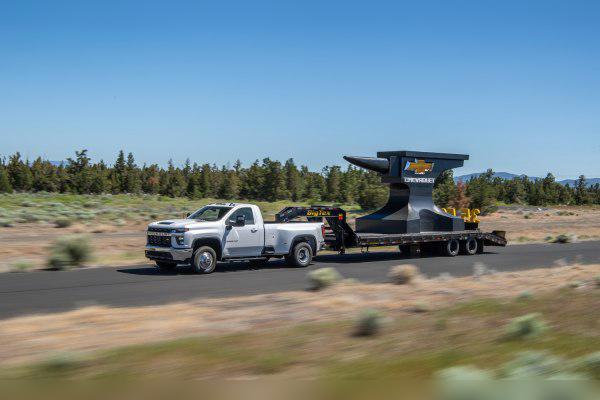
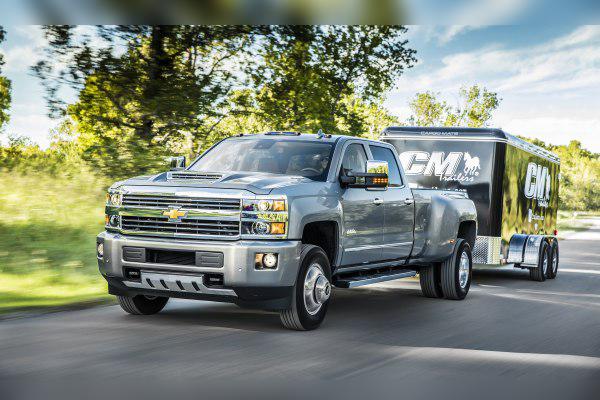
Is the engine “lazy” for this body? Absolutely and categorically – NO. With 1234 Nm of torque available very early (from just 1600 rpm), this engine catapults the heavy pickup forward. Throttle response is dramatically improved compared to previous generations. Towing heavy loads (excavators, yachts, horses) is virtually unnoticeable for the engine, with phenomenal engine braking downhill (exhaust brake).
Highway behavior
On the open road, a Silverado with this engine cruises calmly. Thanks to the huge torque and good transmission ratios, at 130 km/h the engine spins at a relaxed 1800–1900 rpm (depending on transmission version). In this mode, under light load and without a trailer, real‑world highway consumption can drop to a more reasonable 11.5 to 13.5 l/100 km.
Additional options and modifications (tuning)
The Duramax L5P is extremely well protected electronically from the factory (locked ECU). General Motors invested a lot of effort to prevent modifications due to emissions regulations. To perform a classic “Stage 1” tune, the ECU has to be removed and sent to specialized companies for unlocking, which in itself is quite costly.
After unlocking, the engine can safely handle an extra 50 to 80 hp (reaching around 500–520 hp and over 1450 Nm of torque) without any mechanical reinforcement of the block or rods. However, extreme power increases without transmission upgrades are not recommended, as the massive torque surge will shorten the transmission’s lifespan in the lower gears.
Transmission: A drivetrain built for torture
Types of transmissions
Manual transmissions are not factory‑fitted with this generation paired to the L5P engine. It would be nearly impossible to build a conventional clutch for everyday use that can handle over 1200 Nm without slipping and still be comfortable to drive. Instead, you get the famous Allison automatic transmission:
- From 2017 to 2019 (and early T1XX): Allison 1000 (6‑speed). Massive, proven over decades.
- From 2020 onward: Allison 10L1000 (10‑speed). Co‑developed closely with Ford. Shorter ratios keep the engine constantly in the optimal band and reduce fuel consumption.
Transmission failures, torque converter and servicing
Does this model have a dual‑mass flywheel? It does not have a dual‑mass flywheel. These transmissions use a classic torque converter. Transmission failures are extremely rare unless the vehicle has been abused with heavy tuning. The most common complaint with the older 6‑speed is slight oil seepage at the transmission cooler line connections, which is a cheap fix. Rebuilding the converter or transmission due to severe clutch pack burn‑up inside is very expensive (depends on market).
Transmission maintenance is crucial. Allison requires replacement of the specific ATF and the external so‑called “spin‑on” oil filter (which looks like a small engine oil filter mounted on the outside of the transmission) every 70,000 to 80,000 km. If the truck is constantly used for heavy towing, this interval should be shortened to 45,000 km.
Buying used and conclusion
What you MUST check before buying
- Cold start: The engine must not crank for long. A brief metallic click or whirring until it builds oil pressure (a few seconds) is acceptable, but any prolonged knocking indicates an oil pressure issue.
- Diagnostics (golden rule): Do not buy this truck without reading live data. Ask for a report of the last 10 DPF regenerations. Check the soot load level. If it is constantly requesting regeneration, you are looking at an expensive DPF removal and cleaning.
- AdBlue faults: If the “Check Engine” light is on and the truck displays “Exhaust fluid quality poor”, be aware that the NOx sensor or DEF heater needs attention before the truck goes into full speed‑limiting mode.
- Visual inspection of fluids: Check for red ATF around the coolant radiator, and for engine oil leaks at the junction between engine and transmission (rear main seal seepage).
- Front suspension carries a ton: Even though the engine and transmission can handle 10 tons, inspect the front suspension. The engine’s weight destroys ball joints and tie rods on bad roads.
Final conclusion
The Duramax L5P V8 is not a vehicle for posing at fancy locations. It is a brutal, impressive tool for people who need a truck to haul a speedboat to the coast, an excavator to a construction site, or a forest of raw timber from one end of the continent to the other. Compared to older versions, it has corrected the critical high‑pressure pump flaw and is now considered an extremely durable mechanical package. If you can live with higher maintenance costs, sort out the minor emissions‑related sensor gremlins and do not skimp on fuel – the 6.6 Duramax L5P is an engine that will outlive the body it is installed in.