Opel F15DVH 1.5d (122 hp): Experiences, issues, fuel consumption and used-car buying tips
- Extremely economical: A three-cylinder diesel engine with impressively low fuel consumption, ideal for long-distance driving.
- Timing chain: Uses a timing chain, which in theory reduces the frequency of major services, but requires strict adherence to oil change intervals.
- Specific engine behavior: Due to its three-cylinder architecture, there are mild vibrations on cold start, despite the presence of balance shafts.
- Ecology as a challenge: The presence of a DPF filter, EGR valve and a sensitive AdBlue system means this engine is not a fan of exclusively city driving.
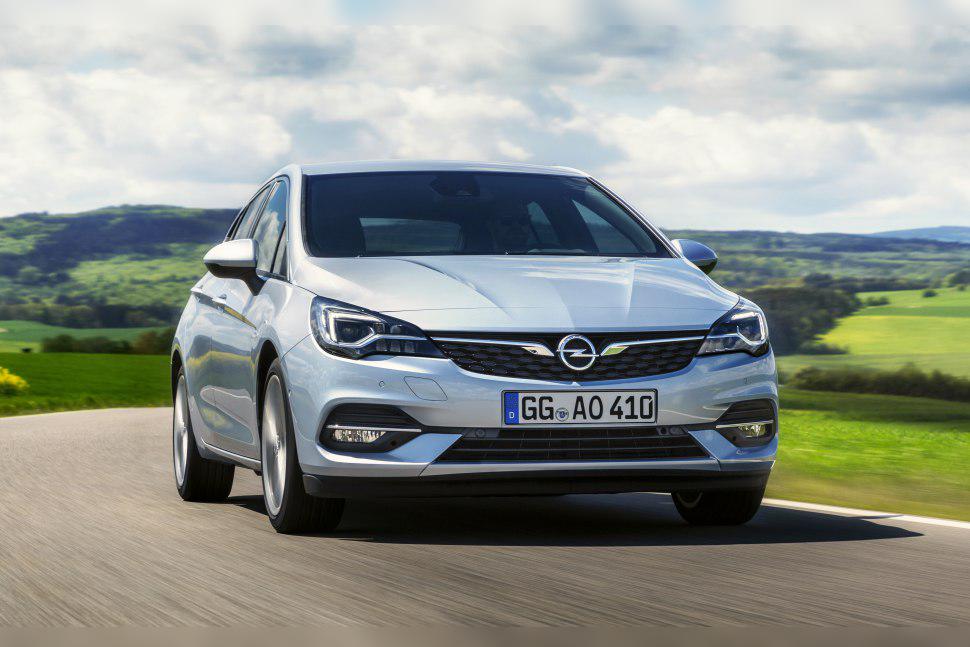
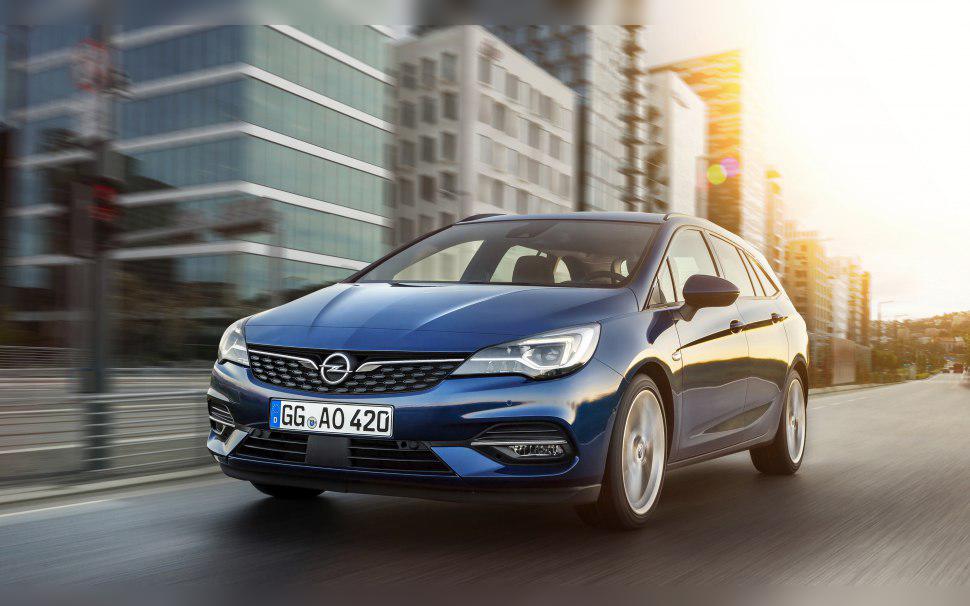
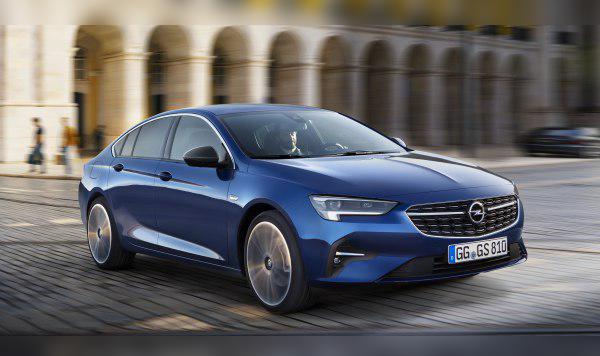
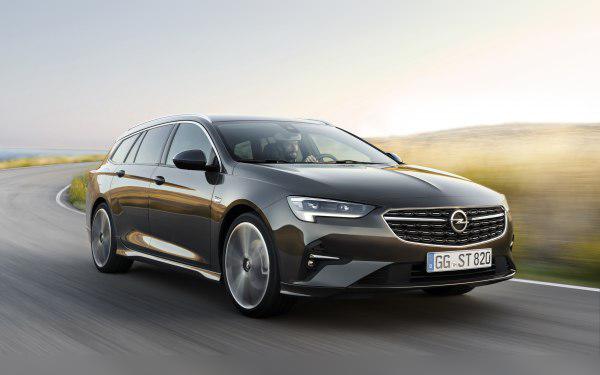
- Performance and body style: In the Astra K it feels agile and lively, while in the heavier Insignia B it can at times feel sluggish under full load.
- Efficient automatic: Versions with the 9-speed automatic gearbox offer excellent comfort and keep revs to a minimum at high speeds.
Contents
- Introduction: About the F15DVH engine
- Technical specifications
- Reliability and maintenance
- Specific components and emissions systems
- Fuel consumption and performance
- Additional options and modifications
- Gearbox and drivetrain
- Buying used and conclusion
Introduction: About the F15DVH engine
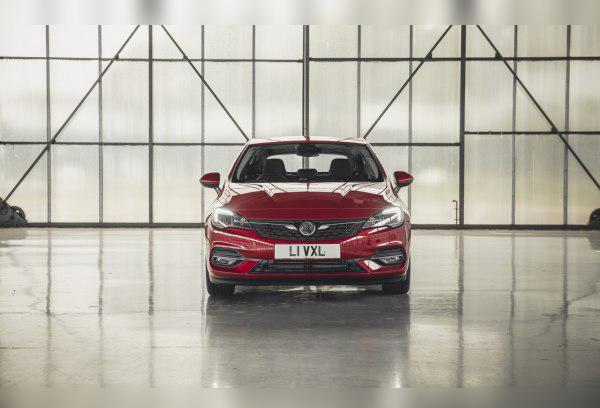
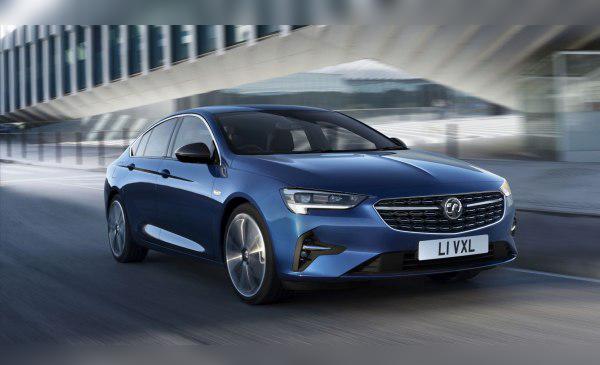
The engine designated F15DVH is one of the last iterations of diesel technology developed by General Motors before Opel was taken over by the PSA Group. Introduced in the facelift versions of the Opel Astra K (2019) and Opel Insignia B (2020), this 1.5-liter diesel stands out with its specific three-cylinder configuration. The engineers’ goal was to drastically reduce weight, internal friction and harmful emissions while maintaining solid torque. Because of its architecture, this engine delivers a completely different driving feel compared to the older 1.6 CDTI (four-cylinder) units.
Technical specifications
| Specification | Data |
|---|---|
| Engine displacement | 1496 cc |
| Configuration | 3 cylinders in-line |
| Power output | 90 kW (122 hp) |
| Torque | 300 Nm (at 1750–2500 rpm) |
| Engine code | F15DVH / LXD |
| Injection type | Direct injection (Common Rail) |
| Charging system | Variable-geometry turbocharger (VGT), intercooler |
| Emissions standard | Euro 6d (DPF + SCR / AdBlue) |
Reliability and maintenance
Timing belt or chain?
This engine uses a timing chain to drive the camshafts. In theory, the chain is designed to last the lifetime of the engine, but in practice it can stretch after 150,000 to 200,000 km, especially if oil change intervals are skipped. Symptoms of a worn chain include metallic rattling on cold start (until the tensioner builds up oil pressure). A traditional major service (regular belt replacement) does not exist here; instead, the chain kit, tensioners and water pump are replaced only when needed, once the first signs of noise appear. The cost of replacing the chain kit falls into the category: expensive (depends on the market).
Oil and oil consumption
The engine takes around 4.0 to 4.5 liters of oil. Due to strict emissions standards and narrow oil passages in the turbocharger, a very thin synthetic oil of grade 0W-20 (specification OV0401547) is recommended. Because of this low viscosity, it is completely normal for the engine to "drink" a bit of oil between services. Consumption of up to 0.5 liters per 10,000 km is considered technically acceptable. If you notice higher consumption, the cause usually lies in worn valve stem seals or leakage at the turbocharger shaft.
Injectors and fuel injection system
As a modern diesel, it uses a high-pressure Common Rail system with piezo injectors. The injectors are of good quality and, with proper fuel, easily exceed 200,000 km. The first symptoms of injector issues (due to poor fuel quality or water in the tank) are rough idling (particularly noticeable on a 3-cylinder), increased "knocking" noise from the engine and darker smoke from the exhaust under hard acceleration. Injector refurbishment is usually the solution, and the cost can be: quite expensive (depends on the market).
Specific components and emissions systems
Dual-mass flywheel
Yes, the F15DVH is equipped with a dual-mass flywheel (DMF). Since this is a three-cylinder engine, the flywheel has a very demanding job of damping the inherent strong vibrations of this block before they reach the gearbox. Because of this, its service life is somewhat shorter compared to smoother four-cylinder engines. Symptoms of a worn flywheel include strong vibrations when switching the engine off, juddering when moving off in first gear, and metallic noises from the clutch area at idle. Replacement is necessary before vibrations damage the crankshaft or the bearings in the gearbox.
Turbocharger
The engine is fitted with a single variable-geometry turbocharger (VGT). The turbo’s lifespan largely depends on driving style. Problems arise when the engine is switched off immediately after hard motorway driving, as the oil in the overheated turbo can carbonize and damage the bearings. Symptoms of a failing turbo include loss of power (so-called "limp mode"), a high-pitched siren-like whistle under acceleration, and the presence of oil in the intake system.
Emissions: DPF, EGR and AdBlue
As a Euro 6d engine, this unit features all modern emissions components. The DPF (diesel particulate filter) and EGR valve are very sensitive to frequent short city trips where the engine does not reach operating temperature (usually around 90 °C) required for regeneration. A clogged EGR valve manifests itself as loss of power at low revs and jerking, while a blocked DPF triggers a warning light and puts the car into a restricted operating mode.
In addition, there is an SCR (AdBlue) system. The most common issues include failure of the AdBlue pump or the heaters integrated into the tank itself, as well as failure of the NOx sensors. When the system detects a fault, a warning appears on the dashboard showing the remaining mileage before the ECU permanently prevents the engine from starting. Replacing the entire AdBlue tank falls into the category: very expensive (depends on the market).
Fuel consumption and performance
Real-world consumption and city driving
The three-cylinder design works wonders for fuel economy. In pure stop-and-go city traffic, real-world consumption is around 5.5 to 6.5 l/100 km. On the other hand, engine vibrations in heavy stop-start use tend to wear out the engine mounts earlier than usual, so you may occasionally feel slight shuddering in the cabin.
Power and vehicle weight
The driving feel depends heavily on the model. In the relatively light Astra K, this engine offers great response; the 300 Nm of torque comes in early, so the car is anything but "lazy" and overtaking is easy. However, in the more massive Insignia B (Grand Sport / Sports Tourer), 122 hp is just about acceptable. The Insignia is a heavy cruiser and, although the engine will cope, when driving uphill with a full boot and family on board you will clearly feel the lack of reserve power (the engine will need higher revs and will occasionally feel out of breath).
Open road (motorway)
On the open road and on the motorway, this engine really shines. Cabin sound insulation (especially in the Insignia) does a great job of masking the characteristic three-cylinder thrum. At 130 km/h in top gear, the engine cruises at very low revs (usually below 2000 rpm), which results in fuel consumption of around 4.5 to 5.0 l/100 km. A true mile-eater.
Additional options and modifications
Many owners, especially of the Insignia, try to compensate for the modest performance through software tuning. A Stage 1 remap (chip tuning) can safely raise power to around 145 to 150 hp and torque to about 340–350 Nm. However, keep in mind that excessive tuning increases exhaust gas temperatures. Since the engine is small and inherently highly stressed, extreme maps can accelerate the melting of the DPF core or overload the dual-mass flywheel. The best advice is a mild, conservative remap carried out by a reputable tuning shop, and only after confirming that the injectors and turbo are in good condition.
Gearbox and drivetrain
Manual and automatic gearboxes
This engine was paired with two types of gearboxes. The manual is a conventional 6-speed unit that is reasonably precise but requires regular attention to the clutch assembly (whose repair falls into the category: expensive, depending on the market). The automatic option is the excellent 9-speed automatic (9T45). This gearbox always keeps the engine in its optimal rev range and is a huge step forward compared to the old 6-speed automatics from earlier Opel models.
Gearbox failures and maintenance
The manual gearboxes are mechanically durable but suffer if the dual-mass flywheel is in poor condition. As for the 9-speed automatic, it provides "silky-smooth" shifts as long as the oil is clean. The biggest misconception is that the gearbox oil is "lifetime fill". In reality, the automatic absolutely requires an oil change (and filter, if accessible) every 60,000 to 80,000 km. If this is neglected, the valve body (the gearbox’s "brain") becomes contaminated with metal particles, leading to harsh engagement when selecting D or R, delayed shifts or slipping under acceleration.
Buying used and conclusion
What you must check before buying
- Cold start: Ask the seller not to start the car before you arrive. Listen carefully to the right side of the engine for 3 to 5 seconds after starting. Any "click-clack" or sharp chain-like noise is a sign that a service is due soon.
- Condition of engine mounts and flywheel: On a 3-cylinder, vibrations are slightly stronger by default, but if the steering wheel shakes or you feel thumps through the floor when revving, the mounts or dual-mass flywheel are worn.
- Diagnostics (OBD): Always connect a diagnostic tool and check the soot mass and ash mass (clogging level) in the DPF, as well as the fault history in the AdBlue system. Avoid cars where warning lights have been artificially cleared just before sale.
Final verdict
Who is the 1.5d F15DVH engine for? If you cover a lot of kilometers on the open road every day and want a modern car with ridiculously low fuel consumption, this Opel engine is an excellent choice. It is particularly recommended in the Astra K when paired with the automatic gearbox.
On the other hand, if your daily routine is heavy city traffic on a commute of less than 10 kilometers, avoid it. In this kind of use, a modern diesel will only bring headaches with clogged EGR valves, frequent DPF regenerations and AdBlue component failures. Likewise, drivers who enjoy more aggressive driving and dynamic overtaking on uphill sections should look for more powerful two-liter engines in the heavy Insignia.