L3B 2.7 Turbo Engine (310 hp): Experiences, Problems, Fuel Consumption and Used-Buying Tips
Key points (TL;DR)
- Performance above expectations: Although it’s a 4‑cylinder in massive vehicles, 473 Nm of torque available at low revs gives a driving feel similar to a much stronger V8.
- Timing chain: The engine uses a robust timing chain, which eliminates the need for a classic major timing-belt service, but demands top-quality oil.
- Carbon buildup: Due to direct injection, the intake valves are prone to carbon buildup, which requires decarbonization after around 100,000 km.
- Transmission specifics: It’s paired exclusively with automatic transmissions, and the 8‑speed automatic can show shuddering symptoms if the oil is not changed regularly.
- LPG (autogas) conversion: Very uneconomical and technically risky due to direct injection and the cylinder deactivation system.
- No diesel headaches: Being a gasoline engine, there are no issues with DPF filters or AdBlue systems.
Contents
- Introduction and basic information
- Technical specifications
- Reliability and maintenance
- Specific parts and costs
- Fuel consumption and performance
- Additional options and modifications
- Transmission and power delivery
- Buying used and conclusion
Introduction and basic information
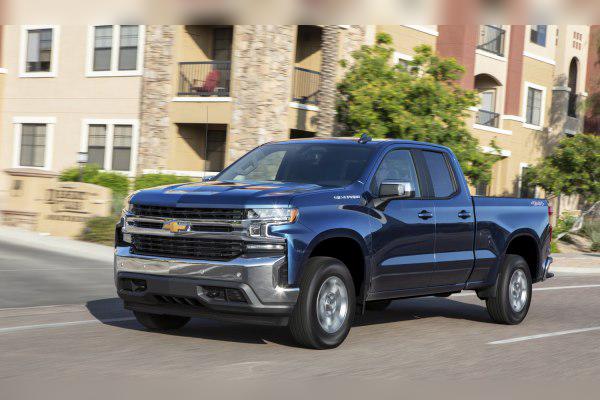
When a four‑cylinder engine ends up under the hood of massive pickups like the Chevrolet Silverado and Colorado, the driver’s first instinct is usually skepticism. However, the L3B engine with a displacement of 2.7 liters is an engineering achievement by General Motors, designed exclusively for “heavy artillery.” With an impressive 228 kW (310 hp) and truck‑like 473 Nm of torque, it replaces older naturally aspirated V6 units, offering better performance and reduced front‑end weight. This engine is important because it proves that smart turbocharger design and direct injection can effectively replace displacement without sacrificing pulling power.
Technical specifications
| Parameter | Value |
|---|---|
| Displacement | 2727 cc |
| Engine power | 228 kW (310 hp) |
| Torque | 473 Nm |
| Engine code | L3B |
| Injection type | Direct injection (SIDI) |
| Induction | Turbocharger (dual‑volute), intercooler |
Reliability and maintenance
Timing drive: chain or belt?
This engine uses a massive timing chain instead of a belt. In practice, this means there is no classic “major service” at a fixed mileage in the traditional sense. The chain is designed to last as long as the engine itself, and replacement is done only based on symptoms – when diagnostics report a timing phase deviation or when the chain starts rattling on a cold start. This rarely happens before 200,000 to 250,000 km, provided maintenance has been impeccable.
Most common failures and symptoms
As a modern gasoline engine, the L3B has several specific weak points. The main issue is carbon buildup on the intake valves. Due to direct injection, gasoline does not wash the valves. Symptoms include rough idle, loss of power and increased fuel consumption. The solution is physical cleaning (decarbonization) every 80,000 to 100,000 km. There are also occasional issues with turbo pressure sensors, which can put the engine into limp mode (protective reduced‑power mode).
Oil and regular servicing
The L3B’s oil pan holds about 5.7 liters of engine oil. It is mandatory to use very high‑quality oil, most commonly grade 5W‑30 that meets GM Dexos1 Gen 2 or Gen 3 standards, in order to prevent LSPI (Low Speed Pre‑Ignition), which is fatal for modern turbo gasoline engines. Oil changes should be done at a maximum of every 10,000 to 12,000 km. As for oil consumption, in heavy use the engine can consume up to 0.5 liters per 1,000 km under full load or when towing, which the manufacturer considers normal, although in everyday driving it should not require significant top‑ups between services.
Spark plugs and ignition
Since this is a high‑performance engine with high boost pressure, spark plugs are replaced at around 90,000 to 100,000 km. If you feel hesitation or misfire during hard acceleration, that’s the first sign that the spark plugs are worn out or that one of the ignition coils is breaking down.
Specific parts and costs
Injection system and injectors
The fuel system is SIDI (Spark Ignition Direct Injection). The injectors operate at very high pressure (up to 200 bar) and inject fuel directly into the cylinder. They are not known for widespread failures, but they are sensitive to poor‑quality fuel. Replacing high‑pressure injectors falls into the category: very expensive (depends on market).
Turbocharger
The L3B relies on an innovative dual‑volute turbocharger integrated directly into the exhaust manifold. This design drastically reduces turbo lag and enables that 473 Nm already at around 1,500 rpm. Turbo lifespan is usually excellent (over 200,000 km), unless engine cooldown after hard driving is neglected. In case of failure, replacing the entire unit is extremely expensive (depends on market), as it requires serious work under the hood and genuine GM parts.
Flywheel, DPF, EGR and AdBlue
Since the L3B is a pure gasoline engine, you can forget about DPF and AdBlue headaches – it doesn’t have them! However, the engine does have an EGR valve for emissions, and the PCV valve (positive crankcase ventilation) should be checked regularly because if it clogs, it can cause oil leaks at the crankshaft seals.
Fuel consumption and performance
How much does it really use?
Although it’s a four‑cylinder, it has to move bodies weighing over 2 tons. Real‑world city consumption is between 13 and 15 l/100 km, especially in stop‑and‑go traffic. However, on the open road the situation is much better, with consumption dropping to 9 to 11 l/100 km.
Is this engine “lazy”?
Not at all. Thanks to 473 Nm of torque available almost from idle, this engine delivers brutal in‑gear acceleration. Drivers switching from naturally aspirated 5.3 V8 engines are often surprised at how much more eager the L3B feels at traffic lights and during overtaking, without showing any signs of lacking power despite the vehicle’s size.
Highway driving
On the highway the engine behaves fantastically. Thanks to modern transmissions with many gears, at a cruising speed of 130 km/h the engine hums along at a relaxed 1,800 to 2,000 rpm, depending on final drive and transmission model. In the cabin it is exceptionally quiet by pickup standards.
Additional options and modifications
LPG (autogas) conversion
Although many drivers in our region dream of LPG in big gasoline engines, for the L3B an LPG conversion is not recommended. The reason is the direct‑injection system, where the gasoline injectors also serve to cool the cylinders, so running solely on gas would lead to their overheating and melting. There are liquid LPG systems for DI engines, but they are extremely expensive and, due to the cylinder deactivation system (Active Fuel Management), the electronics often conflict. The cost is: very expensive (depends on market) and not worthwhile in the long run.
Chiptuning (Stage 1)
The engine has huge potential for chip tuning. With a Stage 1 remap it easily reaches around 350–360 hp and a serious 550 Nm of torque. This is safe for the engine block itself, but you must be careful – that much torque puts enormous stress on the automatic transmission, so aggressive driving with a fully loaded trailer after tuning is not recommended.
Transmission and power delivery
Types of transmissions
Manual transmissions are not offered with this engine. The L3B is paired exclusively with automatic transmissions, most commonly the 8‑speed automatic (8L90), and in some later and premium versions with a more advanced 10‑speed automatic.
Transmission failures and flywheel
Since these are exclusively automatics, this setup does not use a classic dual‑mass flywheel with a clutch disc (as seen in manuals). Instead, it uses a hydrodynamic torque converter (wandler). The best‑known issue of the 8‑speed automatic is a “shudder” sensation during light acceleration, which drivers often describe as driving over a “speed bump” or rippled asphalt. The cause is usually inadequate factory oil that absorbs moisture. The solution is a machine flush of the transmission and switching to the improved fluid (Mobile 1 Synthetic LV ATF HP). If a major failure occurs, transmission repair is: very expensive (depends on market).
Transmission service
To avoid catastrophic failures, the transmission service interval on L3B vehicles (oil and filter change) must be strictly observed at every 60,000 to a maximum of 80,000 km.
Buying used and conclusion
What to check before buying?
When buying a used vehicle with the L3B 2.7 Turbo engine, make sure to do the following:
- Cold start: Listen carefully during the first 5 seconds after startup. Any metallic rattling indicates a loose timing chain or tensioner issues.
- Automatic transmission test drive: Drive the vehicle in city conditions with light throttle at speeds between 50 and 80 km/h. If you feel shuddering or vibrations, the transmission needs servicing and potentially a new torque converter.
- Exhaust check: Black smoke under full throttle may indicate failing direct‑injection injectors or severe carbon contamination in the intake.
- Diagnostics: Read the fault‑code history – turbo pressure or camshaft phase sensor errors are a reason to negotiate a serious price reduction.
Who is this engine for?
The L3B 2.7 Turbo engine is ideal for drivers who need a pickup for versatile everyday use, occasional cargo hauling and comfortable long‑distance trips, without the brutal fuel costs that come with big V8 gasoline engines. It is not for diesel fans or LPG enthusiasts, and it requires an owner who will not skimp on frequent oil changes and professional maintenance. With meticulous servicing, this unit is tough, surprisingly potent and a long‑lasting workhorse.