Engine L61 (2.2 Ecotec): Experiences, problems, fuel consumption and used-car buying tips
Key points in short (TL;DR)
- Old school: Naturally aspirated, large-displacement engine (2.2 liters), no turbo, very unstressed and long-lasting.
- Timing system: Uses a timing chain which is generally reliable, but requires inspection of the tensioners and guides at higher mileage.
- Easy maintenance: No dual-mass flywheel, no sensitive high-pressure injectors and no expensive emission systems like a DPF.
- Fuel consumption: Larger displacement means higher fuel consumption in city driving, easily exceeding 10 liters.
- LPG: This engine is an ideal candidate for LPG conversion, which significantly reduces running costs.
- Transmissions: Automatic transmissions paired with this engine are robust, but only with regular oil changes.
Contents
- Introduction: Meet the GM Ecotec L61
- Technical specifications
- Reliability and maintenance
- Specific parts and costs
- Fuel consumption and performance
- Additional options and modifications
- Transmission and drivetrain
- Buying used and conclusion
Introduction: Meet the GM Ecotec L61
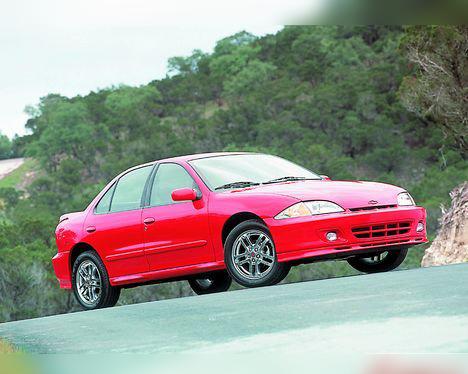
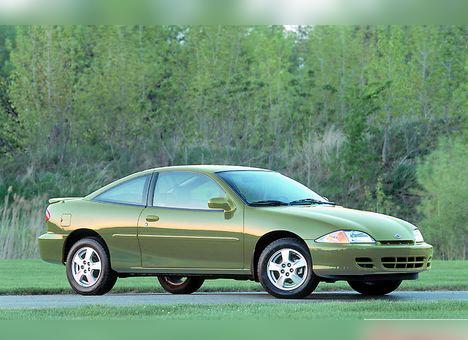
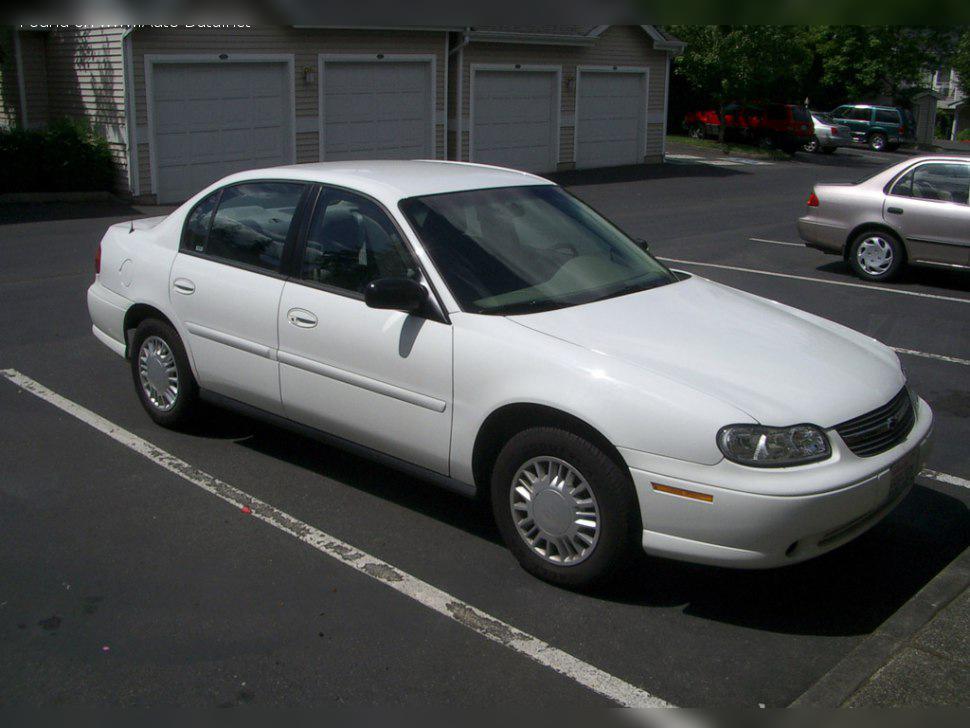
The engine designated L61 is a well-known unit from General Motors’ Ecotec family. It was designed to be reliable, cheap to produce and extremely durable. As a classic naturally aspirated 2.2‑liter petrol engine, it is a true “workhorse” that was installed in a large number of Chevrolet models, including the Cavalier, Classic, Cobalt and the retro‑styled HHR. Its construction with an aluminum block and head, dual overhead camshafts (DOHC) and four valves per cylinder provides a nice balance between smooth operation and decent power. In today’s world dominated by small turbo engines, the L61 represents true old‑school mechanics, ideal for drivers who want to minimize the risk of expensive failures.
Technical specifications
| Specification | Data |
|---|---|
| Displacement | 2198 cc |
| Power | 104 kW (141 hp) |
| Torque | 210 Nm |
| Engine codes | L61 (GM Ecotec 2.2L) |
| Injection type | Multi-port fuel injection (MPI) – indirect |
| Turbo / NA | Naturally aspirated |
Reliability and maintenance
Timing chain and major service
To drive the camshafts, the L61 uses a timing chain. This means that the classic “major service” (which involves replacing a timing belt every 60–90,000 km) does not exist here in that form. However, the chain is not eternal. Its typical lifespan is between 150,000 and 200,000 km. The problem usually does not lie in the chain itself, but in the tensioners and plastic guides. If they start to fail, the chain begins to rattle on cold start. If the driver ignores this symptom, the chain can jump a tooth, causing serious engine damage. Replacing the full chain kit is not excessively expensive, but it is mandatory if you notice a metallic rattle.
Oil and service intervals
This engine takes about 4.7 liters of engine oil. The manufacturer recommends 5W‑30 (ideally with GM dexos1 specification). An oil change service should be done at a maximum of 15,000 km, although conscientious mechanics recommend shortening the interval to 10,000 km so that the timing chain system is always optimally lubricated. As for oil consumption, the L61 is well sealed from the factory. Consumption of about half a liter per 10,000 km is considered completely normal. If the engine consumes significantly more oil and emits bluish smoke, the problem usually lies in the valve stem seals (they harden from heat) or, due to poor maintenance, in stuck piston rings.
Ignition system and failures
Since this is a petrol engine, the spark plugs play a key role. Standard plugs should be replaced every 40,000 to 60,000 km, while iridium plugs can last up to 100,000 km. The most common issue in the ignition system is with the ignition coils. When a coil fails, the engine starts to run rough (misfires), loses power, triggers the “Check Engine” light and noticeably shakes at idle. Replacing the coils is straightforward, and the part is generally inexpensive (depends on the market).
Specific parts and costs
Gearbox, flywheel and clutch
Good news for used‑car buyers: since this is a naturally aspirated petrol engine with relatively smooth power delivery, the manual versions of this engine do not use a dual‑mass flywheel. A simple, solid flywheel is fitted instead. This means that clutch replacement (pressure plate, disc, release bearing) is quite affordable (depends on the market) and is a routine job for any mechanic.
Fuel injection and emissions
The engine uses classic MPI (multi‑port) indirect injection. These injectors operate at low pressure, are very resistant to poorer fuel quality and rarely fail. If they become clogged, ultrasonic cleaning is quick and inexpensive. Since this is a naturally aspirated engine, there is no turbocharger, which automatically eliminates one of the most expensive maintenance items on modern cars. Also, being a petrol engine, it has no DPF filter and does not use AdBlue.
In terms of emission systems, the L61 is equipped with an EGR valve. Over years of city driving, the EGR valve can accumulate soot. Symptoms of a clogged EGR include rough idle and jerking at low revs. Cleaning the valve usually solves the problem and is not expensive (depends on the market).
Fuel consumption and performance
City vs highway driving
You can’t cheat physics: a 2.2‑liter non‑turbo engine cannot be economical in stop‑and‑go traffic. Real‑world city fuel consumption ranges from 10 up to 12 l/100 km, especially when paired with an automatic transmission. However, on open roads and highways, consumption drops significantly to around 6.5 to 7.5 l/100 km.
Performance and driving characteristics
With 141 hp and 210 Nm of torque, the engine has more than enough pull for models like the Chevrolet Cavalier and Cobalt. However, in the HHR (which is boxier and heavier), it can feel slightly “lazy” during hard overtakes. To get the most out of this engine, you need to rev it higher than you would a modern turbo petrol. On the motorway it behaves like a true cruiser. At 130 km/h in fifth gear (manual), the engine usually spins at around 3,000 to 3,200 rpm, with decent sound insulation and smooth operation.
Additional options and modifications
LPG conversion
This is one of the best engines for an LPG conversion. Indirect injection and durable cylinder head materials make it a perfect candidate for a sequential LPG system. It does not require any special or expensive valve lubrication systems, and the high city fuel consumption is effectively halved in terms of cost. If the system is properly mapped, the power loss is negligible.
ECU remap (Stage 1)
If you are thinking about an ECU remap, save your money. On naturally aspirated engines, Stage 1 modifications bring almost no real benefit. The maximum gain on this engine would be only about 5 to 8 hp, which is completely unnoticeable in everyday driving. Any noticeable power increase would require serious mechanical modifications (cams, intake, exhaust), which is economically pointless for a daily‑driven car.
Transmission and drivetrain
The L61 was offered with two main transmission options: a conventional 5‑speed manual (most often Getrag) and a 4‑speed automatic (the well‑known GM 4T45‑E).
- Manual gearbox: A very reliable mechanism. The most common “failures” are worn synchros in second and third gear after around 250,000 km, which makes shifting into gear more difficult. As mentioned, the clutch is simple and cheap to replace.
- Automatic gearbox (4T45‑E): Although it has only four gears and seems outdated, this transmission is almost indestructible – under one condition: regular oil changes. The most common issues, such as harsh shifting or “slipping”, occur almost exclusively because owners do not change the ATF oil.
Transmission service intervals: On the manual gearbox, the oil level and condition should be checked every 60,000 km and replaced if necessary. On the automatic, ATF oil and filter must be changed strictly every 60,000 to 80,000 km. Due to the nature of the torque converter, a static oil change does not replace all of the fluid, so a full machine flush is sometimes recommended.
Buying used and conclusion
What to check on the lot before buying?
When buying a car with this engine, pay attention to the following points:
- Cold start: Ask the seller not to start the car before you arrive. As soon as you crank it, listen to the right side of the engine. If you hear a sharp chain rattle lasting a few seconds, the tensioners are due for replacement.
- Oil condition: Pull out the dipstick. If the oil is black and sticky like tar, the engine has not been serviced regularly, and the VVT system (on later revisions) and chain may be damaged.
- Test drive (automatic): The automatic must shift smoothly, without jolts, both under acceleration and deceleration. If the gearbox bangs or “jerks” from first to second, the valve body needs an overhaul, which is very expensive (depends on the market).
- Diagnostics: Scan for fault codes. Misfire codes (P0300) usually point to worn spark plugs or coils, which is an easy fix.
Final verdict: Who is it for?
The GM Ecotec L61 2.2 is a real treat for drivers who hate the expensive failures of modern technology. This car will not leave you stranded because of a blown turbo, clogged DPF or overpriced injectors. Its only real downsides are a slightly rougher operation and higher fuel consumption, which can be effectively addressed with a quality LPG system. If you find a car with a well‑documented service history, you will get an extremely durable sedan or wagon (HHR) that will serve you faithfully for years with minimal routine maintenance costs.