L83 5.3 V8 EcoTec3 Engine: Experiences, Problems, Fuel Consumption and Used-Buying Tips
Key points in short (TL;DR)
- Great performance and sound: A true naturally aspirated V8 engine with 355 hp delivers linear power and an impressive 519 Nm of torque.
- Achilles’ heel – AFM system: The cylinder deactivation system (Active Fuel Management) often causes lifter failure and camshaft damage.
- Direct injection creates carbon buildup: Because the intake valves are not washed by gasoline, carbon deposits are inevitable.
- Fuel consumption is high: Despite cylinder deactivation, you can expect up to 20 l/100 km in city driving.
- Issues with the 8-speed transmission: Models with the 8L90 automatic are known for shuddering and torque converter problems.
- No dual-mass flywheel: It relies exclusively on automatic transmissions with a torque converter.
- Maintenance is crucial: Strict oil change intervals are absolutely mandatory if you want the engine to reach high mileage.
Contents
- Introduction and basic information
- Technical specifications
- Reliability and maintenance
- Specific components and failures
- Fuel consumption and performance
- Additional options and modifications
- Transmission and clutch
- Buying used and conclusion
Introduction and basic information
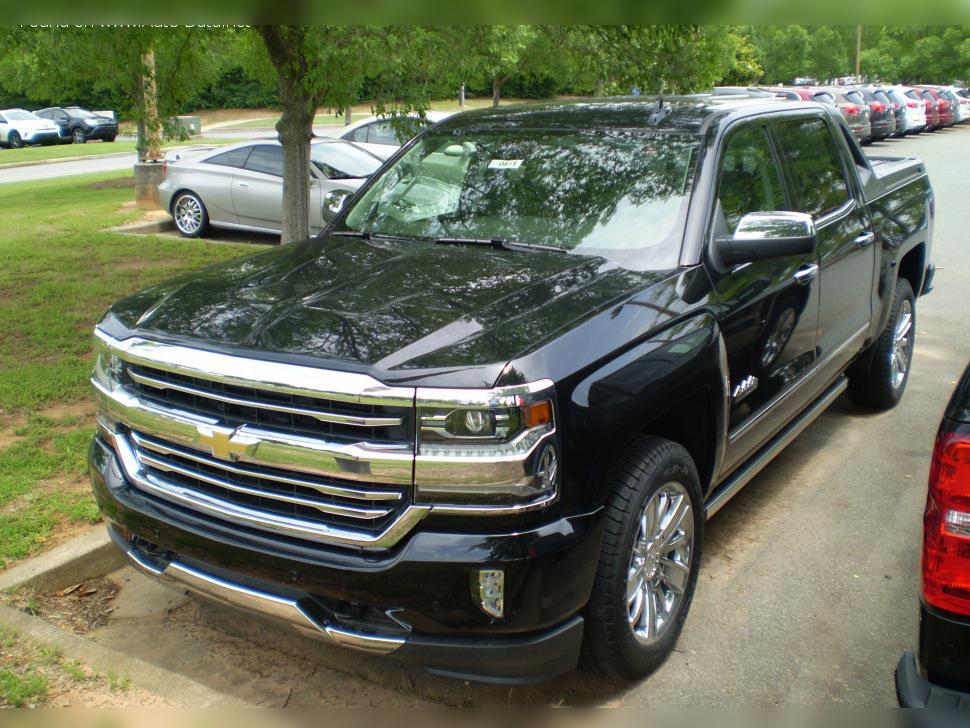
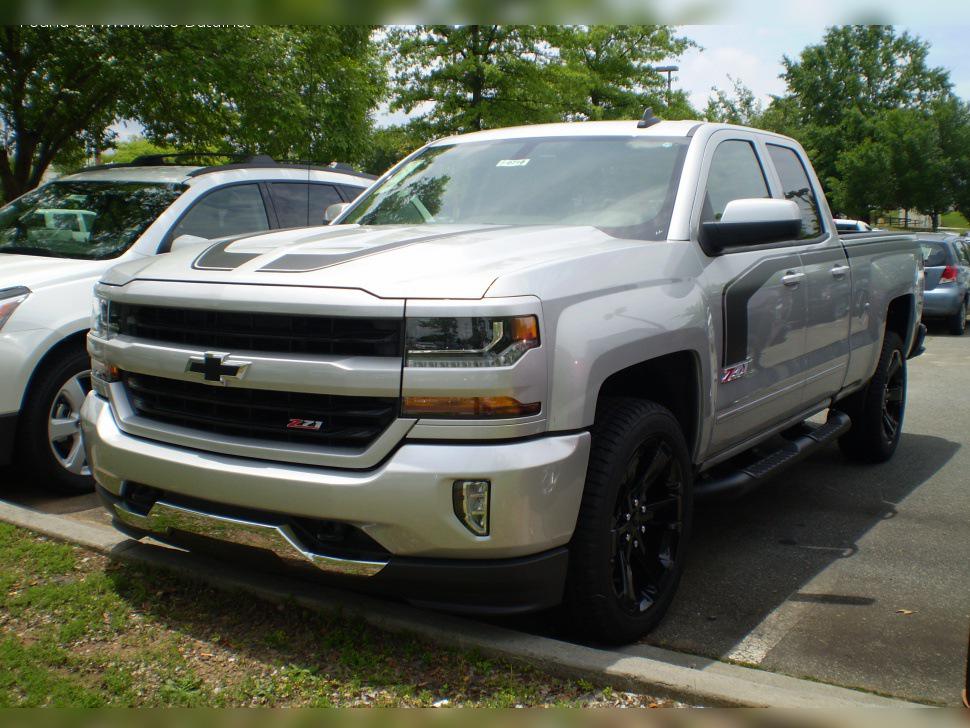
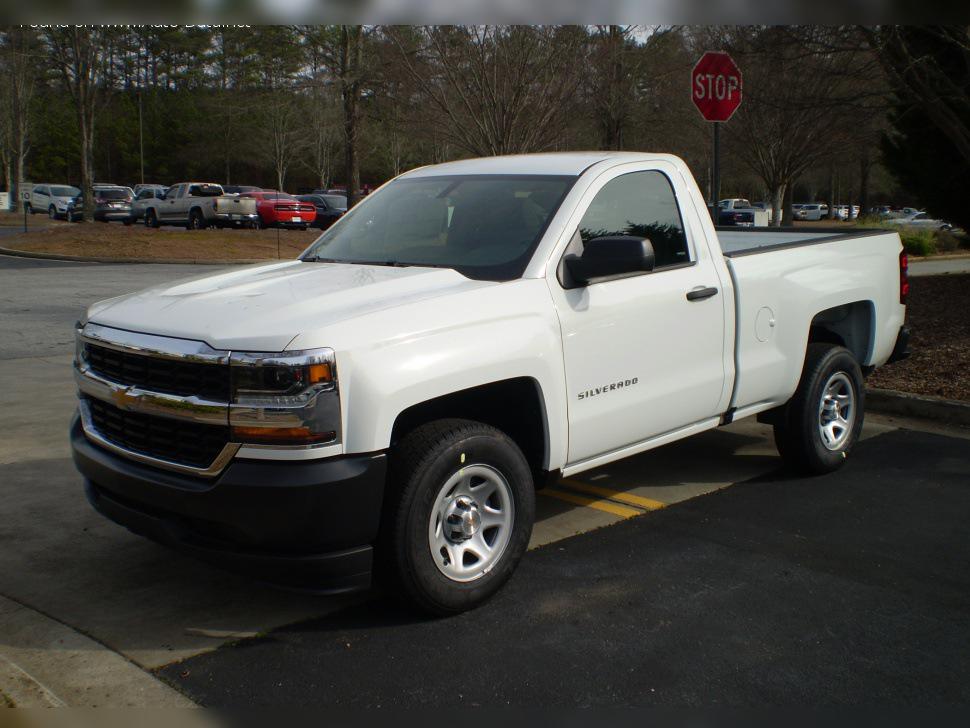
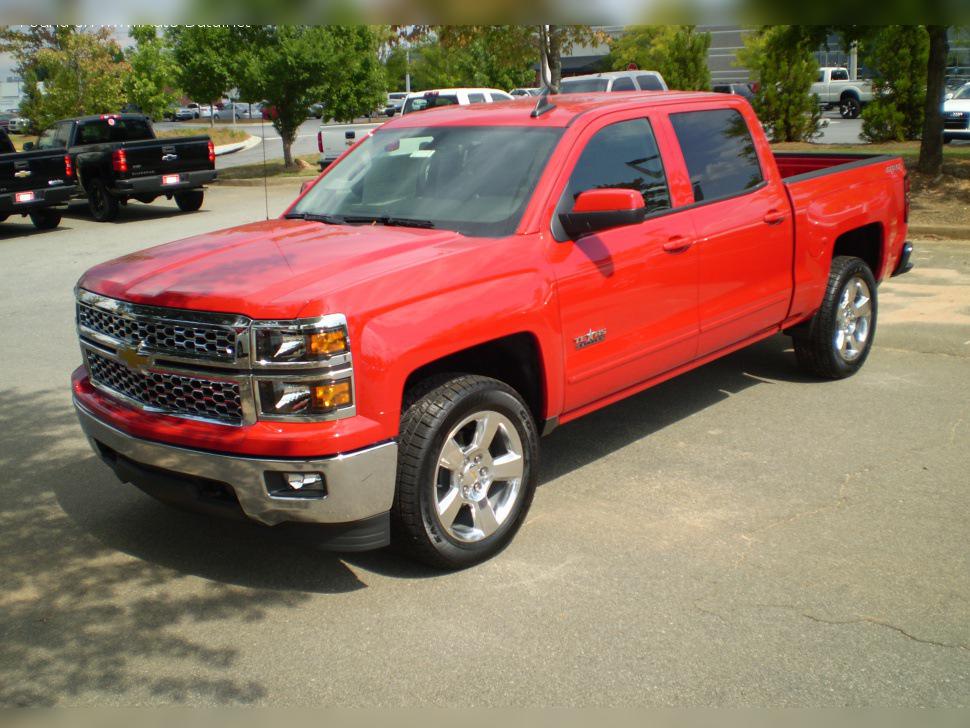
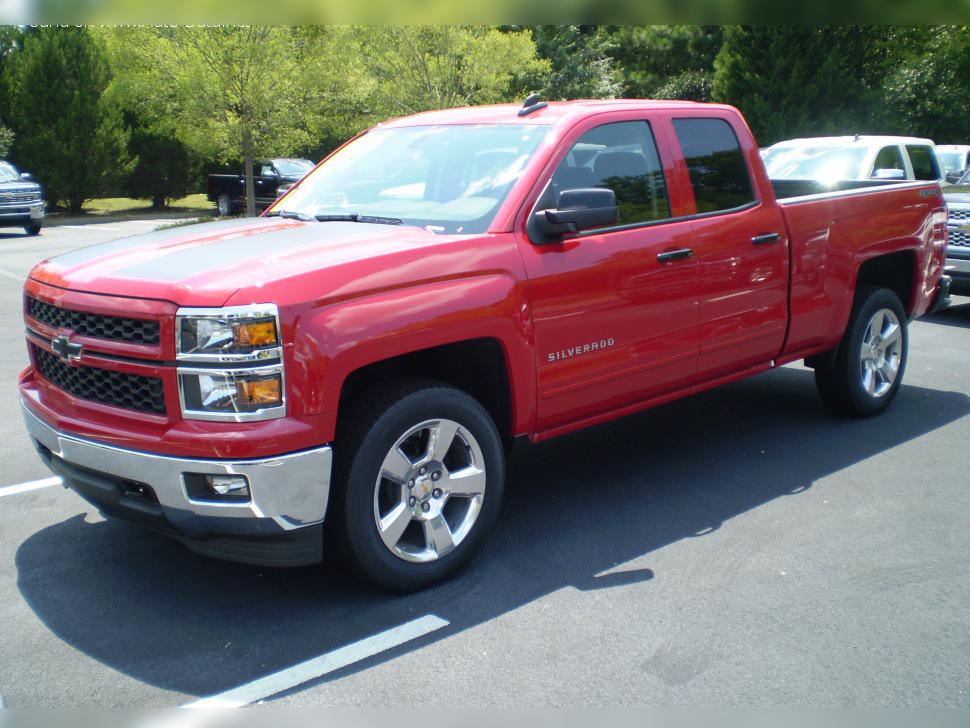
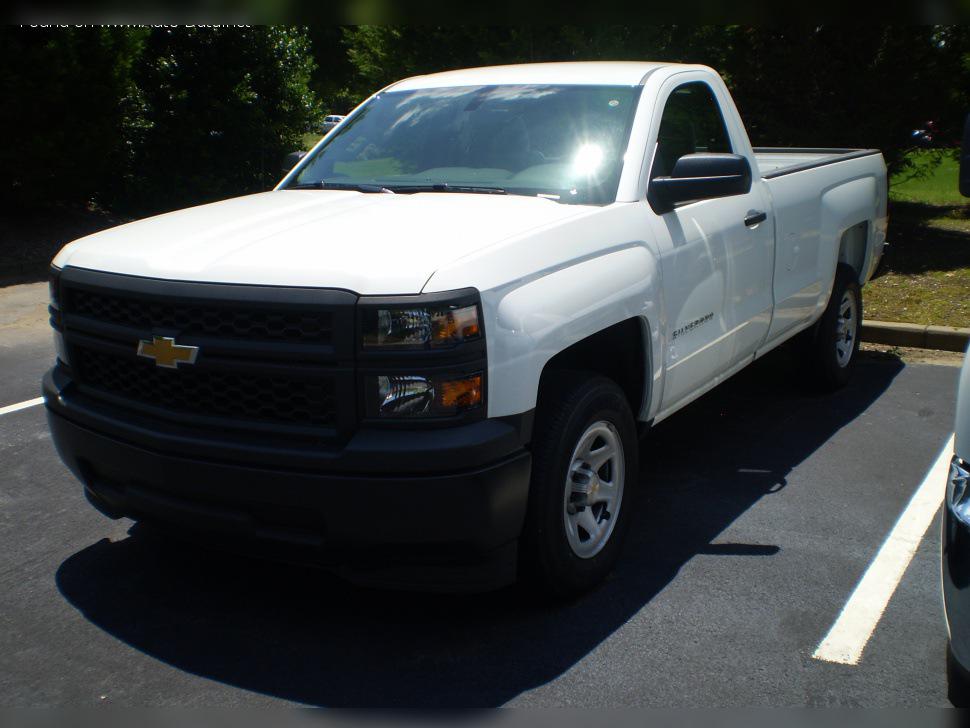
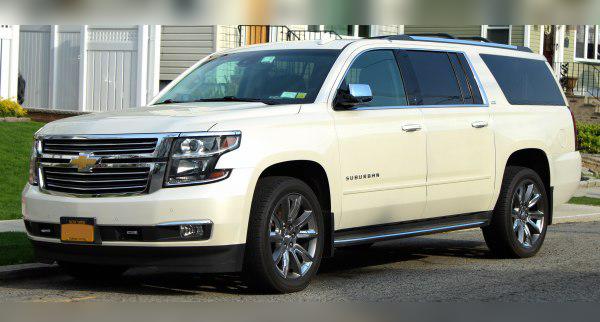
With the fifth generation of its Small Block engines, General Motors made a serious technological leap. The engine designated as L83 (5.3 V8 EcoTec3) became the heart of the most popular American trucks and SUVs such as the Chevrolet Silverado 1500, Suburban and Tahoe. Its task was anything but easy: it had to preserve the classic longevity of V8 blocks while meeting increasingly strict emissions regulations.
To achieve this, engineers implemented direct injection, variable valve timing (VVT) and a cylinder deactivation system (AFM – Active Fuel Management). Although in theory this is a winning combination that saves fuel on the highway, in practice it has caused certain headaches for mechanics and owners. The core of this engine has proven to be incredibly durable, but the peripherals and emissions control systems require the attention of an experienced technician.
Technical specifications
| Parameter | Specification |
|---|---|
| Engine displacement | 5326 cc (5.3 liters) |
| Power | 265 kW (355 hp) at 5600 rpm |
| Torque | 519 Nm at 4100 rpm |
| Engine code | L83 (Gen V Small Block) |
| Injection type | Direct injection |
| Aspiration | Naturally aspirated |
| Timing drive | Chain |
Reliability and maintenance
When you pop the hood and look at this V8, the first thing every driver wants to know is the type of timing system. This engine uses a massive timing chain, not a timing belt. The chain is generally very robust and does not require regular replacement like a belt, but due to the specifics of the VVT system and oil pressure, its condition directly depends on regular servicing. A “major service” in the classic sense (chain replacement) is usually done only when needed, most often after 250,000 to 300,000 km, if a characteristic rattling noise appears during cold start. However, the serpentine belt, idler pulleys, tensioners and water pump should be replaced at around 150,000 km.
Oil changes and oil consumption
Maintaining this engine is mostly about top-quality, uncompromising lubrication. The L83 takes about 7.6 liters of oil (8 US quarts). The recommended viscosity is 0W-20 that must meet the GM dexos1 Gen 2 (or newer Gen 3) standard. Because of the cylinder deactivation system, the engine is extremely sensitive to dirty and old oil. I recommend changing the oil every 8,000 to 10,000 km, regardless of what the vehicle’s trip computer suggests.
Does it burn oil? Yes. Due to the AFM system and the PCV valve (crankcase ventilation valve), it is normal for the engine to “drink” between 0.5 and 1 liter of oil per 5,000 km. If consumption exceeds 1 liter per 2,000 km, this is a sign of a clogged PCV system or worn piston rings caused by improper AFM operation.
Spark plugs and ignition
Since this is a pure gasoline engine, the replacement interval for iridium spark plugs is specified at 100,000 to 160,000 km. However, due to direct injection and potentially lower fuel quality in some markets, it is recommended to inspect and replace the spark plugs already around 100,000 km to avoid coil failures, as the coils are mounted directly on each cylinder.
Specific components and failures
Problems with lifters and the AFM system
The most serious and most expensive issue affecting the L83 engine is related to the AFM (Active Fuel Management) system. This system shuts down 4 cylinders under light load using special valve lifters. Over time, these lifters can stick or collapse. When that happens, the engine starts to misfire, you can hear pronounced metallic ticking (valve tapping), and in the worst cases a stuck lifter damages the camshaft. Repairing this fault requires removing the cylinder heads and replacing the camshaft, which is very expensive (depends on the market), typically ranging from 2,500 to 4,000 euros.
Direct injection and carbon buildup
The L83 uses a direct injection system. This means that fuel is injected directly into the cylinder at very high pressure (driven by a mechanical high-pressure pump actuated by the camshaft). The downside of this system is that gasoline no longer washes the intake valves. The result is carbon buildup on the intake valves, usually noticeable after 100,000 km. Symptoms include loss of performance, rough idle and harder starting. The solution is periodic valve cleaning using the “walnut blasting” method, which represents a moderate maintenance cost.
The injectors themselves are durable, but sensitive to contamination in the fuel tank. If they fail, replacement requires removing the intake manifold, and the DI injectors themselves fall into the expensive category (depends on the market).
Turbo, DPF, EGR and AdBlue
This engine is a pure naturally aspirated unit, which means it does not have a turbocharger (or two). Therefore, you don’t have to worry about turbo overhauls that often drain the wallets of modern engine owners. Since it’s a gasoline engine, the system does not have a DPF filter and does not use AdBlue, which is a huge relief for owners. As for the EGR valve, this engine does not use a traditional external EGR system with pipes that get clogged, but instead uses the VVT system (variable valve timing) for internal exhaust gas recirculation and emissions reduction.
Fuel consumption and performance
An empty Chevrolet Silverado or Tahoe with this engine weighs well over 2.3 tons, but thanks to 519 Nm of torque, the L83 doesn’t feel “lazy” at all. It delivers power smoothly and has plenty of pull for heavy trailers. Throttle response is sharp and immediate, typical of large-displacement naturally aspirated V8s.
However, physics cannot be cheated when it comes to fuel consumption. In stop-and-go city driving, real-world consumption ranges between 16 and 20 liters of gasoline per 100 km. In winter conditions, it can go even higher. The situation is drastically better on open roads and highways. At a cruising speed of 130 km/h, the transmission keeps the engine at a relaxed ~1900–2100 rpm. Thanks to the AFM system, which deactivates 4 cylinders, highway fuel consumption can drop to a surprising 10 to 13 l/100 km, depending on the vehicle’s aerodynamics (the Silverado as a pickup is less aerodynamic than the Tahoe).
Additional options and modifications
LPG (autogas) conversion
Since the L83 engine has direct injection, installing an LPG system is neither as simple nor as cheap as on older V8 engines (e.g. Vortec). It is possible to install specialized “Direct Injection LPG” systems that periodically inject gasoline as well to cool the injectors. However, these systems are complex, significantly more expensive than conventional ones, and their cost-effectiveness depends on annual mileage. The price of a quality LPG system for a DI V8 engine is high (depends on the market), from 1,200 to 2,500 euros.
Chiptuning
Since this is a naturally aspirated engine (no turbo, so boost pressure cannot be increased), a classic Stage 1 remap brings negligible power gains – realistically you can expect an extra 15 to at most 25 hp, which you won’t really feel in a 2.5-ton vehicle. However, owners very often do a software modification to permanently disable the problematic AFM system and avoid later lifter failures. This is highly recommended if you are buying a used vehicle out of warranty, but you will give up the slightly lower highway fuel consumption.
Transmission and clutch
With this engine and these models, forget about manual gearboxes and dual-mass flywheels like in European diesels. Power is transmitted exclusively through automatic transmissions with a hydraulic torque converter. Depending on model year and trim (pre-facelift and facelift versions), two main options are installed:
- 6L80 (6-speed automatic): An older and more reliable design. Its downside is that, with fewer gears, it has a harder time keeping the engine in the optimal rev range, but it rarely suffers from serious technical issues.
- 8L90 (8-speed automatic): Installed extensively from 2015/2016 onward. Unfortunately, this gearbox is notorious. The most common issues with the 8L90 include harsh shuddering under light acceleration and torque converter damage. Repairing or replacing the converter is expensive to very expensive (depends on the market).
The critical factor is transmission maintenance. The factory often suggests long intervals, but real-world experience shows that the oil in these automatic transmissions must be flushed and replaced (together with the filter) every 60,000 to 80,000 km. For the 8-speed in particular, there is a specific GM revised fluid (Mobil 1 Synthetic LV ATF HP) intended to address the shudder problem.
Buying used and conclusion
When looking at a used Chevrolet with the L83 engine, you need to put emotions aside and pay attention to specific details:
- Listen to the engine when cold: Before starting it, keep the hood open. Any metallic rattling, chain noise or pronounced valve knocking at startup is a sign that the lifters or camshaft are close to failing.
- Watch the exhaust gases: Bluish smoke when you suddenly step on the gas indicates oil consumption due to worn piston rings.
- Test the transmission at low speeds: During the test drive, drive slowly and apply the throttle gently on an uphill. If the vehicle shudders as if you’re driving over rumble strips, the torque converter in the 8-speed automatic is ready for replacement or the oil is full of metal shavings.
- Diagnostics are mandatory: Hook the vehicle up to a diagnostic tool and check the fault history – look for codes related to P0300 (Random Misfire), which are usually the first sign of an AFM system starting to fail.
Conclusion
Who is the L83 5.3 V8 EcoTec3 for? This is an engine for people who need a high-capacity workhorse, a tow vehicle or a serious off-roader that also serves as a long-distance highway cruiser. In essence, it is an outstanding engineering achievement that offers incredible block robustness, power and a reliable base. However, it is not a “drive and forget” engine in the sense of neglecting service intervals. Buying this engine means being ready to regularly use top-quality oil, maintain it preventively and have a budget for potential transmission work (if you choose the 8L90) and AFM lifter repairs. If you find an example with a good service history, you will get an engine capable of covering enormous mileage with that unmistakable V8 soundtrack.