Chevrolet 5.3 V8 EcoTec3 L84 (355 hp): Owner Experiences, Problems, Fuel Consumption and Used-Buying Tips
- A classic and robust V8 foundation, but burdened with a modern cylinder deactivation system (DFM) that can cause serious headaches.
- The engine uses a reliable timing chain instead of a timing belt, which drastically reduces the risk of catastrophic failure.
- As a naturally aspirated gasoline engine, it’s free from worries about fragile turbochargers, but it brings high fuel consumption in city driving.
- Maintaining the automatic transmissions (especially the 8-speed) and using only the recommended 0W-20 oil are absolute priorities.
- LPG (autogas) conversion is possible, but requires expensive systems due to direct fuel injection.
- Direct injection eventually leads to carbon buildup on the intake valves, which requires periodic cleaning.
Contents
- Introduction to the L84 Engine
- Technical Specifications
- Reliability and Maintenance
- Specific Components and Costs
- Fuel Consumption and Performance
- Additional Options and Modifications
- Transmission and Drivetrain
- Buying Used and Conclusion
Introduction to the L84 Engine
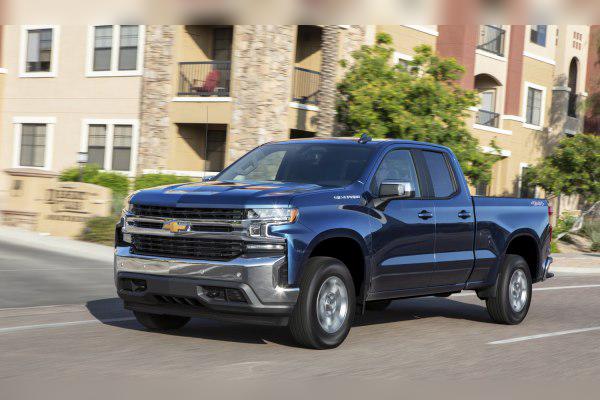
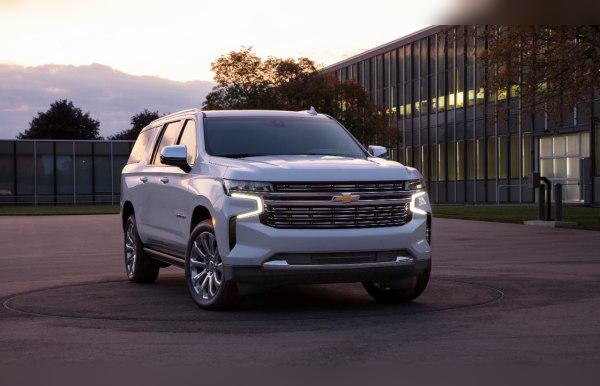
The L84 engine is an evolution of GM’s well-known EcoTec3 family of powerplants. It is a thoroughbred 5.3‑liter V8 producing 355 hp, found under the hood of true American giants such as the Chevrolet Silverado 1500, Tahoe and Suburban. This unit combines classic architecture with a camshaft in block (OHV) and lifters, but is enhanced with advanced technologies like direct injection and the Dynamic Fuel Management (DFM) system. DFM allows the engine to shut off certain cylinders during low-load driving to save fuel. It is crucial because it carries the burden of an entire line of heavy SUVs and trucks, offering a compromise between the massive torque needed for towing and the attempt to meet modern emissions standards.
Technical Specifications
| Parameter | Value |
|---|---|
| Displacement | 5328 cc |
| Power | 265 kW (355 hp) |
| Torque | 519 Nm |
| Engine code | L84 |
| Injection type | Direct injection |
| Turbo/NA | Naturally aspirated engine |
Reliability and Maintenance
To transfer power from the crankshaft to the camshaft, this engine uses a timing chain, not a timing belt. GM V8 engines are known for long chain life, so the classic “major service” in the sense of replacing a belt and tensioners every 100,000 km simply doesn’t exist here. However, the chain, chain guides and tensioners are usually inspected or replaced only at high mileages, most often above 250,000 km, when the chain can stretch, which manifests as rattling on cold start.
When it comes to the most common failures, the absolute Achilles’ heel of the L84 is the aforementioned DFM (Dynamic Fuel Management) system. The valve lifters are designed to collapse and disable valve operation when a cylinder is not needed. Unfortunately, these lifters can stick or fail, which leads to bent pushrods. The symptoms are obvious: the driver will hear a very loud metallic ticking from the top of the engine, notice a loss of power, rough idle, and the “Check Engine” light will come on due to misfires. The repair requires removing the cylinder head and falls into the category: expensive to very expensive (depending on the market).
The oil pan of this engine holds about 7.6 liters of engine oil, and the manufacturer strictly specifies a 0W‑20 grade with full synthetic specifications (such as dexos1 Gen 2 or Gen 3). Precisely because of the DFM system, the oil must be extremely thin and impeccably clean so that the tiny oil passages and valves can function without sticking. As for oil consumption, these engines tolerate slight usage, and a loss of about 0.5 to 1 liter per 10,000 km is considered normal. However, if the PCV (Positive Crankcase Ventilation) valve fails, oil consumption can suddenly spike, so it should be checked regularly.
Since this is a gasoline engine with direct injection, the spark plugs play a vital role in smooth operation. Although the factory specifies long intervals, in practice it is recommended to replace the spark plugs (iridium type) every 90,000 to 100,000 km. Worn plugs will cause poorer combustion, rougher engine operation and will unnecessarily stress the ignition coils (which sit directly above each cylinder).
Specific Components and Costs
This engine is paired exclusively with automatic transmissions and a robust torque converter, so there is no traditional dual‑mass flywheel or clutch kit like you find on manual transmissions in Europe.
The fuel injection system is direct. The gasoline injectors are mounted under high pressure directly into the combustion chamber. The injectors themselves rarely fail and are quite reliable. However, the inevitable problem with every direct‑injection engine is carbon buildup on the intake valves. On older engines where fuel passed over the valves (port injection), the gasoline would also wash the valves. Here, that’s not the case. After around 150,000 km, deposits on the valves can narrow the intake ports, resulting in a loss of power and unstable idle. The solution is physical cleaning of the valves with walnut shell blasting, a service whose price varies: not cheap, but not outrageous either (depending on the market).
The engine does not have a turbocharger, supercharger or intercooler, which is great news for used buyers because it eliminates a whole range of potential and expensive failures (burst boost hoses, leaking turbos, stuck variable geometry). Also, as a gasoline engine, the L84 has absolutely no DPF filter or AdBlue system, sparing you the pain of regenerations and NOx sensors that are a nightmare on modern diesels. There is an EGR system for exhaust gas recirculation, and it can eventually clog with carbon deposits, so if the vehicle starts to “hesitate” under light throttle, that’s one of the first places to check.
Fuel Consumption and Performance
Installing this engine in huge, aerodynamically inefficient bodies weighing over 2.5 tons takes its toll at the gas station. Real‑world city fuel consumption rarely drops below 16–18 l/100 km, especially with frequent stop‑and‑go traffic and idling, despite DFM shutting off cylinders under light load.
Is the engine “lazy”? Absolutely not. With its 355 hp and a massive 519 Nm of torque available mostly in the low and mid rev range, the L84 moves vehicles like the Chevrolet Silverado with ease. Acceleration is fairly linear and strong, accompanied by a deep, resonant V8 soundtrack. Of course, this is not a sports car, but a workhorse built for towing heavy trailers and relaxed cruising.
The engine shows its true character on the highway. Cruising at 130 km/h in top gear (whether with the 8‑ or 10‑speed automatic), the engine runs at a very low and smooth 1700–1900 rpm. Under these conditions, the DFM system regularly deactivates some cylinders, so highway fuel consumption drops to a more acceptable 11–12 l/100 km.
Additional Options and Modifications
Faced with high gasoline consumption, many owners wonder whether LPG (autogas) conversion is possible. It is, but it’s not simple. Due to direct injection, you can’t install a classic sequential gas system; instead, you need a special direct‑injection LPG system that also uses a small amount of gasoline in parallel (to cool the gasoline injectors), or an even better option – a liquid‑phase LPG system. Given the 8 cylinders, such a modification falls into the category: very expensive (depending on the market) and only pays off in the long run if you cover very high annual mileage.
When it comes to ECU remapping (Stage 1), naturally aspirated gasoline engines don’t offer room for huge gains. A remap on the L84 will yield at most around 15–25 hp and a slightly sharper throttle response. However, the real appeal of “chipping” this engine lies in reprogramming the electronics to permanently disable the DFM system (DFM delete). This returns the engine to operating permanently on all 8 cylinders, which in the opinion of many mechanics extends the life of the lifters (although for a complete solution the lifters should also be replaced with so‑called non‑AFM/DFM components).
Transmission
This engine was fitted exclusively with automatic transmissions. Earlier models and base trim levels are most often paired with GM’s 8‑speed automatic (code 8L90), while later and higher‑end versions received the more advanced 10‑speed automatic (10L80), developed in cooperation with Ford.
The most common issues are related precisely to the 8‑speed automatic. It is known for the so‑called “shudder” – characteristic jerks and vibrations similar to driving over a rumble strip at the edge of the road. This occurs due to problems with the torque converter and degradation of the transmission fluid. Harsh shifting from first to second when cold is also a standard weakness of the 8‑speed. The 10‑speed has proven in practice to be much smoother and more resistant to failures.
As mentioned, there is no dual‑mass flywheel, but in the event of a serious failure, replacing the torque converter or overhauling the automatic transmission is a job that can be described as: very expensive (depending on the market). To ensure long life, changing the transmission fluid and filter is absolutely essential and should be done every 70,000 to 90,000 km, depending on how the vehicle is used (if you tow heavy trailers, the interval should be halved).
Buying Used and Conclusion
When buying a used Chevrolet Silverado, Tahoe or Suburban with the L84 engine, your primary focus must be the engine sound. Insist that the engine be completely cold when you come to inspect the vehicle. Ask the seller to start it, open the hood and listen carefully. If you hear pronounced ticking or rattling from the top of the block in the first few seconds to a minute of operation, there is a high chance the lifters are worn or failing. On diagnostics, be sure to check the fault history – look for misfire codes on specific cylinders.
As for the transmission, during the test drive, drive gently and pay attention to upshifts. Any slipping, harsh engagement or vibrations under the body are warning signs, especially if it’s the 8‑speed gearbox.
Conclusion: The L84 5.3 V8 is an impressive engine for drivers who need a lot of power and durability for long‑distance highway cruising or towing serious loads. The glorious V8 sound, massive block and comfort these vehicles offer are priceless. However, it is absolutely not intended for squeezing through narrow city streets and doing short daily trips, both because of the huge fuel consumption and because such use wears out systems that are sensitive to short distances. Find an example with a verifiable service history, feed it only top‑quality 0W‑20 oil at regular intervals, and it will serve you very well.