GM L86 6.2 V8 EcoTec3: Experiences, issues, fuel consumption and used-buying tips
Key points (TL;DR)
- The engine demands top-notch maintenance: It is sensitive to oil quality and viscosity because of the cylinder deactivation system (AFM).
- Main problem – lifters: Lifter failure can damage the camshaft, which is the best-known weakness of this engine.
- Driving characteristics: Brutal power of 420 hp with 621 Nm of torque; the body hardly feels the load.
- Fuel consumption: Very high in city driving, while on the highway the cylinder deactivation system somewhat saves the day.
- Transmission: Automatic transmissions (especially the 8-speed) require specific fluid to avoid shuddering.
- LPG conversion: Possible, but very expensive due to direct fuel injection.
Contents
- Introduction: American muscle in work clothes
- Technical specifications
- Reliability, maintenance and failures
- Specific components and fuel injection
- Fuel consumption and real-world performance
- LPG conversion and remapping (tuning)
- Transmission and drivetrain
- Buying used and conclusion
Introduction: American muscle in work clothes
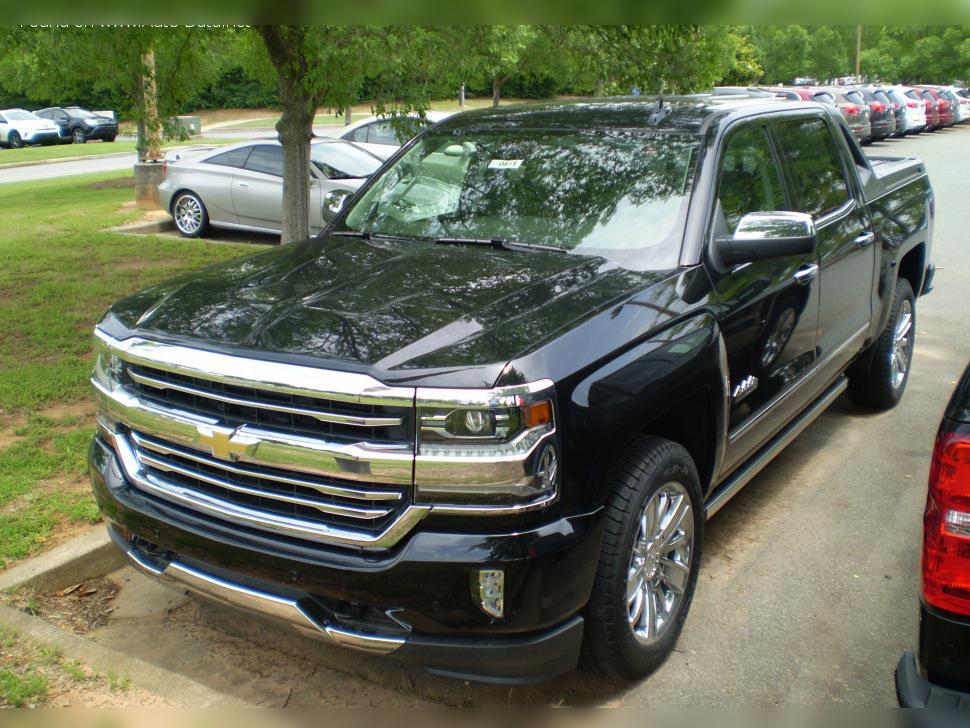
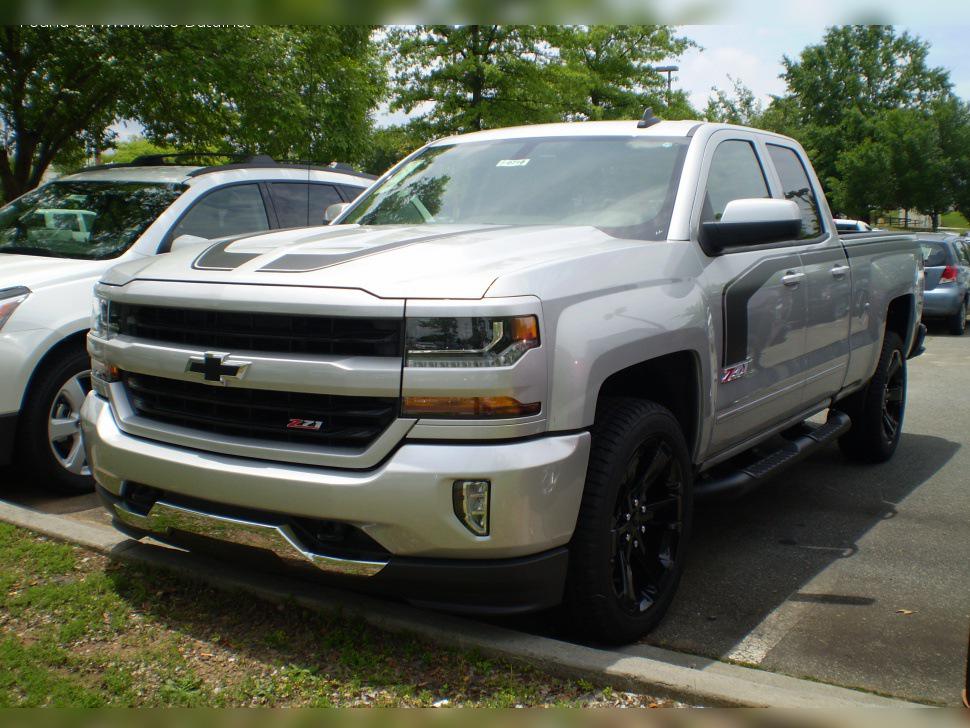
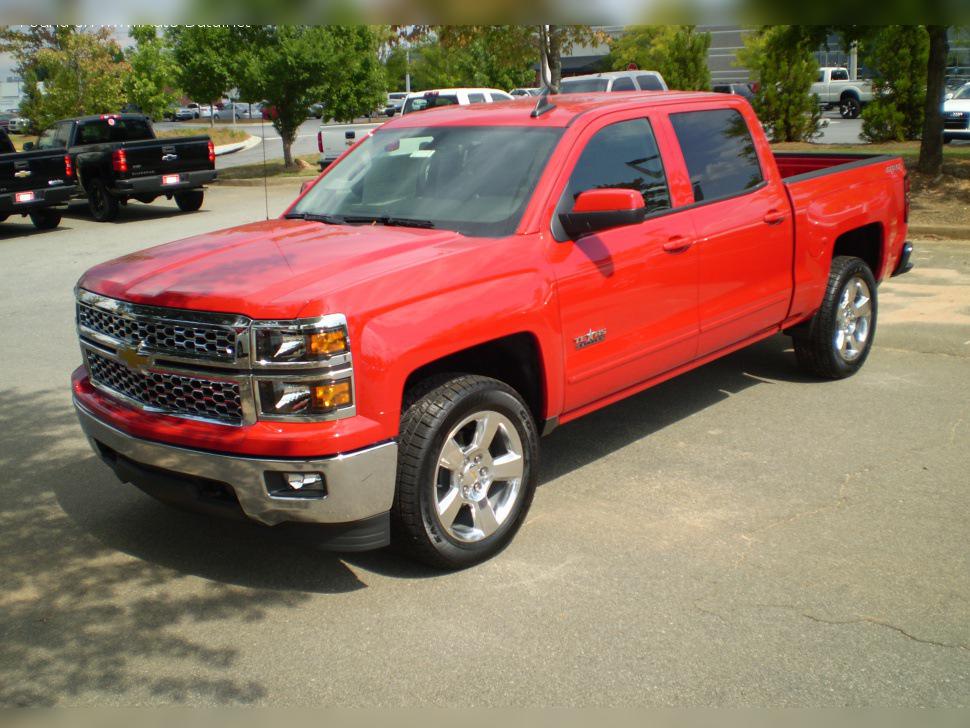
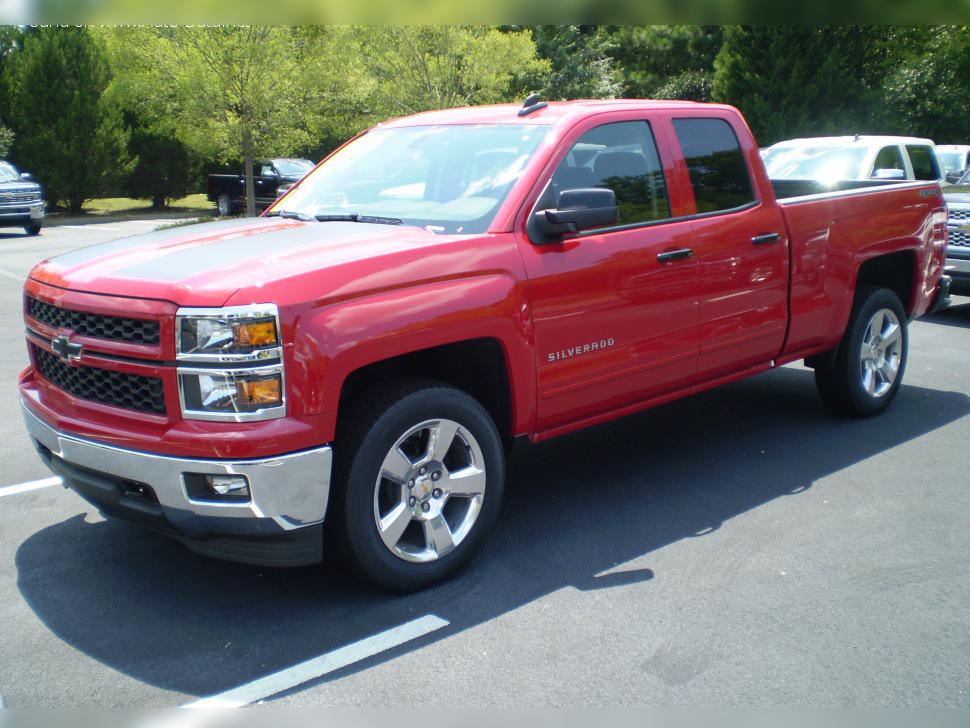
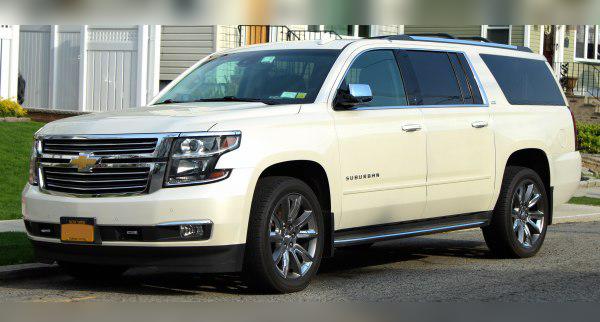
The engine with the code L86 belongs to General Motors’ Gen V Small Block family, commercially known as EcoTec3. The massive 6.2-liter displacement in a V8 configuration delivers an impressive 313 kW (420 hp) and a hefty 621 Nm of torque. This naturally aspirated petrol engine is designed to move mountains, so it was used exclusively in “heavy artillery” – the Chevrolet Silverado 1500 (from work-truck versions to well-equipped Crew Cab and Double Cab models), as well as in luxury SUVs such as the Chevrolet Suburban and Tahoe. Although it carries old-school DNA at its core (naturally aspirated), it is equipped with modern technologies such as direct injection, variable valve timing (VVT) and Active Fuel Management (AFM) cylinder deactivation, which makes it both fascinating and demanding to maintain.
Technical specifications
| Specification | Data |
|---|---|
| Engine code | L86 (Gen V EcoTec3) |
| Displacement | 6162 cc (6.2L) |
| Power | 313 kW (420 hp) |
| Torque | 621 Nm |
| Configuration | V8, OHV (2 valves per cylinder) |
| Injection type | Direct Injection (DI) |
| Aspiration | Naturally aspirated |
Reliability, maintenance and failures
This 6.2 V8 uses a timing chain rather than a timing belt. The chain is massive and generally does not require replacement as part of a classic “major service” at a set mileage. It is replaced only when necessary, if it stretches or starts rattling on cold start, which usually does not happen before 250,000 to 300,000 km, provided the engine has been properly maintained.
Most common issues and lifters (AFM system)
The absolute number one weak point of the L86 engine is the Active Fuel Management (AFM) system. This system deactivates four cylinders under light load to save fuel. The mechanism relies on specific lifters that collapse and re-enable valve operation. If the oil is not changed on time, these lifters can seize. Symptoms include loud ticking from the engine (metallic noise), loss of power and the Check Engine light on the dash. If ignored, a stuck lifter will literally “eat” the camshaft. The repair is very expensive (depends on the market), because it requires removing the cylinder heads and replacing the camshaft.
Service intervals and oil
The sump of this giant holds an impressive 7.6 liters of oil (8 quarts). The manufacturer strictly recommends full synthetic oil with a 0W-20 grade. Due to the sensitivity of the lifters, experienced mechanics recommend performing an oil change every 8,000 to a maximum of 10,000 km. Extending the interval beyond that is like playing Russian roulette with the camshaft.
As for oil consumption, the L86 is known to “sip” some oil through the PCV system (crankcase ventilation). Consumption of about 0.5 to 1 liter per 5,000 km is considered acceptable. If it consumes more than that, the problem may be in the PCV valve or, in more serious cases, in the piston rings.
Spark plugs and ignition
Since this is a conventional petrol engine, the factory spark plug replacement interval is around 150,000 km, but in practice it is smartest to replace them at around 100,000 km. If the spark plugs weaken, the ignition coils (there are eight of them, one per cylinder) are subjected to higher stress and fail. Symptoms of bad spark plugs or coils include hesitation under acceleration and rough idle.
Specific components and fuel injection
Unlike old American V8 engines that used multipoint injection, the L86 uses Direct Injection into the cylinders. Fuel is delivered at extremely high pressure by a high-pressure pump located under the intake manifold and driven by the camshaft.
The injectors are reliable, but extremely sensitive to poor fuel quality and contamination. Replacing them is expensive (depends on the market). In addition, a drawback of direct injection is that petrol no longer washes over the intake valves. Over time, carbon deposits build up on the valves. Symptoms include rough idle, reduced power and increased fuel consumption. Intake valve cleaning (so-called walnut blasting) is recommended every 100,000 km.
The engine does not have a turbocharger (nor two of them), because all the power comes from the sheer displacement. This means you are spared costly turbo and intercooler repairs.
Since this is a pure petrol engine, this model does not have a DPF filter and does not use AdBlue. However, it does have vapor recirculation systems, and the catalytic converters can fail if the engine is driven for a long time with bad spark plugs (unburned fuel ignites in the exhaust and melts the catalyst substrate).
Fuel consumption and real-world performance
There is no way to sugarcoat this: the L86 is thirsty. We are talking about vehicles (Silverado, Tahoe) that weigh between 2.4 and 2.7 tons and have the aerodynamics of a brick.
- City driving: Real-world city consumption ranges between 18 and 22 l/100 km, depending on how heavy your right foot is and how bad the traffic is.
- Highway: This is where the L86 shines. Thanks to the AFM system (it shuts down four cylinders) and a modern multi-speed automatic, at 130 km/h the engine is spinning at a very relaxed 1,600 to 1,800 rpm. Highway consumption can drop to a very reasonable 11 to 13 l/100 km.
Is the engine “lazy”? Absolutely not. With 420 hp, a Silverado or Tahoe equipped with this engine accelerates frighteningly quickly for its mass (0–100 km/h in just over 6 seconds). Throttle response is linear and strong, and the torque pins you to the seat even when you are carrying hundreds of kilos of gear in the bed.
LPG conversion and remapping (tuning)
Is the L86 suitable for LPG?
Yes, but it is a technically demanding job. Because of the direct injection system, you cannot install a regular sequential LPG system. You need a specific setup that either injects liquid LPG directly through the petrol injectors (which is very expensive), or a system that constantly uses a certain percentage of petrol (around 10–15%) to cool the petrol injectors located inside the combustion chamber. LPG conversion requires a top-level specialist and the equipment is expensive (depends on the market).
Remapping (Stage 1)
Since the L86 is a naturally aspirated engine, a Stage 1 remap does not bring dramatic power gains like on turbo engines. The realistic increase you can expect is about 20 to 25 hp and around 30 Nm of torque. However, the purpose of a remap on this engine is not just raw power. Tuners most often perform a software modification to permanently disable the AFM system (preventing cylinder deactivation and thus protecting the lifters) and to improve throttle response and the shift logic of the automatic transmission.
Transmission and drivetrain
This generation of vehicles with the L86 engine came with automatic transmissions only. A manual gearbox was not available from the factory. Because of that, this engine does not use a conventional dual-mass flywheel or clutch disc, but a torque converter.
Types of transmissions and their issues
Depending on model year and trim (and whether the vehicle is a 2016+ facelift), there are two transmissions:
- 8-speed automatic (8L90): Installed in most pre-facelift models and the first facelift years. This transmission is notorious for harsh shifts, clunks on deceleration and pronounced shudder at cruising speeds. The problem usually lies in the torque converter itself and in the type of fluid originally used by the factory. The solution is a complete transmission flush and filling with the latest revision of synthetic fluid (Mobil 1 Synthetic LV ATF HP). If that does not help, the torque converter must be replaced, which is expensive (depends on the market).
- 10-speed automatic (10L80): Available in later model years (developed in cooperation with Ford). A far better, smoother and more reliable transmission that makes the most of the engine’s torque and reduces fuel consumption.
Transmission service: For the automatic to survive, the transmission fluid and filter must be changed every 60,000 to 80,000 km. With the 8L90, neglecting this rule almost guarantees torque converter failure.
Buying used and conclusion
When you go shopping for a used Chevrolet with the 6.2 L86 engine, these are the things your mechanic must check:
- Cold start: Start the engine completely cold. Listen carefully to both the right and left side of the engine. If you hear a metallic ticking that follows engine speed (clack-clack-clack), it is a sign that the lifters and camshaft are close to failing. Walk away from that vehicle.
- Test drive under light throttle: Drive on an open road gently at around 80 km/h. Try to feel for vibrations through the seat and steering wheel. If the vehicle shudders as if you are driving over a rumble strip, the transmission (torque converter) is in trouble.
- Diagnostics: Check the history of cylinder misfires. Diagnostics will also reveal whether the intake or catalytic converter is clogged.
- Oil condition: Pull out the dipstick. The oil level must be correct and it must not smell strongly of raw petrol. Oil pressure on the gauge (on the dash) with a hot engine must be stable.
Who is this engine for?
The GM L86 6.2 V8 EcoTec3 is a perfect choice for those who need uncompromising power, serious towing capacity and the unmatched sound of a classic V8. It is comfortable for long highway cruises and offers top-tier performance. However, this is not an engine for someone who cuts corners on maintenance. Its thirst for petrol and tendency toward lifter issues when poorly maintained mean you must have a serious budget ready for emergencies. If you find a car whose owner regularly changed the oil every 8,000 km, you will get a reliable workhorse that will serve you for hundreds of thousands of kilometers.