Chevrolet 6.6 V8 L8T engine: Experiences, problems, fuel consumption and used-buying tips
Key points (TL;DR)
- Old-school layout, new technology: This is a massive working V8 with a cast-iron block, designed for towing and harsh, heavy-duty use.
- No cylinder deactivation: Unlike many modern GM engines, the L8T has no cylinder deactivation system (AFM/DFM), which drastically increases the lifespan of lifters and the camshaft.
- Chain-driven: It uses an extremely reliable timing chain, with no need for classic “big timing belt services”.
- Pure naturally aspirated engine: No turbochargers, intercoolers, DPF filters or AdBlue systems – fewer parts means fewer potential, expensive failures.
- Fuel consumption: Huge. This is an engine for work trucks weighing over 3 tons, so double-digit fuel consumption is an everyday reality.
- Transmission: Paired exclusively with virtually indestructible automatic transmissions (GM six-speed or Allison ten-speed).
Contents
- Introduction: Old-school workhorse
- Technical specifications
- Reliability and maintenance
- Specific parts and costs
- Fuel consumption and performance
- Additional options and modifications
- Transmission and drivetrain
- Buying used and conclusion
Introduction: Old-school workhorse
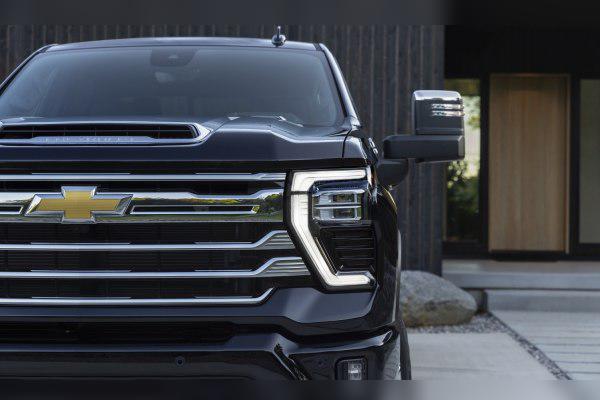
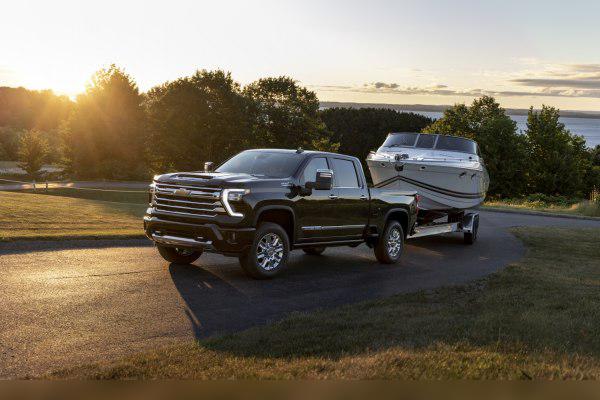
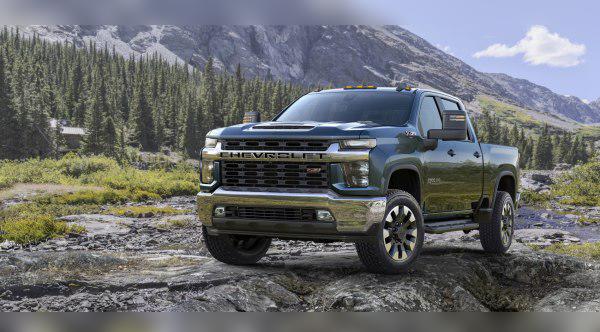
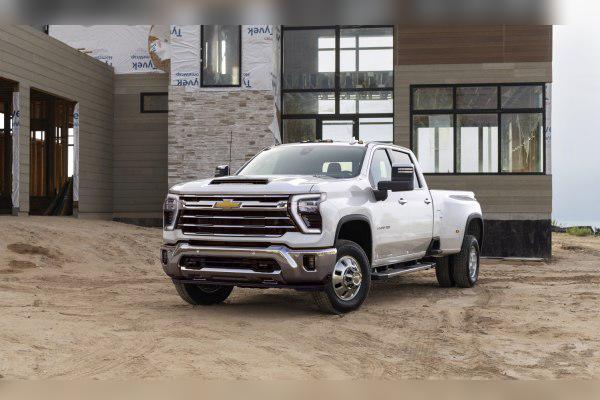
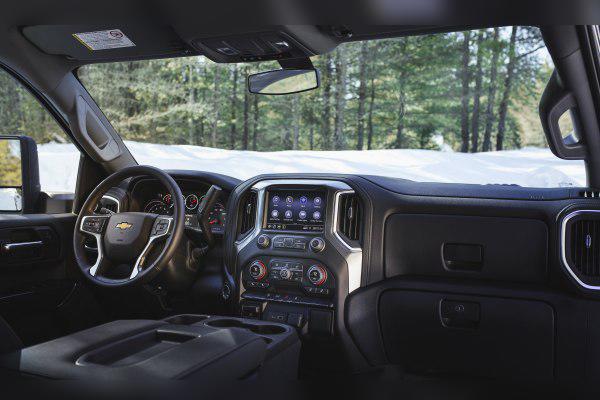
The L8T engine is General Motors’ answer to market demand for an indestructible gasoline engine in the Heavy Duty segment. It was introduced as a replacement for the proven 6.0-liter L96 V8 and is installed in heavy-duty trucks such as the Chevrolet Silverado 2500 HD and 3500 HD (T1XX generation, including the 2024 facelift). It was built with a clear philosophy: torque available at low rpm and reliability under maximum load. The block is made of cast iron, the heads are aluminum, and the layout is a classic OHV (pushrod) with two valves per cylinder. What makes it special nowadays is the complete absence of “eco-complications” such as cylinder deactivation or Start/Stop systems, which mechanics around the world greatly appreciate.
Technical specifications
| Parameter | Value |
|---|---|
| Engine displacement | 6564 cc (6.6L) |
| Engine power | 299 kW (401 hp) at 5200 rpm |
| Torque | 629 Nm at 4000 rpm |
| Engine code | L8T |
| Injection type | Direct injection (SIDI) |
| Aspiration | Naturally aspirated |
Reliability and maintenance
Does this engine have a timing belt or a chain?
This massive V8 uses a timing chain. Since it’s an OHV architecture (camshaft in the engine block), the chain is extremely short, heavy-duty and very rarely causes headaches. It doesn’t stretch easily and in practice lasts as long as the engine itself.
What are the most common failures on this engine?
The L8T is fairly new in the automotive world (introduced in 2020), but it’s based on the proven GM LS/LT architecture. Failures are minimal, but here’s what to watch out for:
1. Exhaust manifold bolt breakage: A classic issue on GM V8 engines. Due to thermal expansion of the cast-iron block and the manifold itself, the rear bolts can break. The driver will notice this as a “ticking” sound when the engine is cold, which diminishes as the engine warms up. The repair is labor-intensive.
2. Carbon buildup on intake valves: Since the engine uses high-pressure direct fuel injection, the fuel doesn’t wash the intake valves. At higher mileage, the intake tract needs to be de-carbonized. Symptoms include slight idle fluctuation and a drop in performance.
3. Water pump: Due to heavy-duty operation and the huge cooling fan, the water pump bearing can fail after around 150,000 km, which shows up as coolant leaks or noise from the front of the engine.
At what mileage is the “big service” done?
There is no classic big timing service because the engine uses a chain. Maintenance comes down to replacing the serpentine belt, tensioner, idler pulleys and water pump when they show signs of wear. It’s recommended to thoroughly inspect these components at around 150,000 km. The cost of replacing the serpentine belt set falls into the category: not expensive (depends on the market).
How many liters of oil does this engine take and which grade is recommended?
The L8T oil pan holds exactly 7.6 liters of oil (with filter). GM requires full synthetic oil with dexos1 Gen 3 (or newer) specification. The recommended viscosity for most climates is 5W-30. If the vehicle is used exclusively for maximum towing in very hot climates, some mechanics suggest switching to a more robust grade, but the factory oil pressure recommendations must be respected.
Does it burn oil and what is considered normal?
Due to the tolerances of the forged crankshaft and strong piston rings designed for heavy-duty use, the L8T can consume some oil. Consumption of up to 1 liter per 5,000 to 7,000 km under heavy load (towing heavy trailers) is considered normal. Regular dipstick checks are therefore mandatory practice for owners of these vehicles.
At what mileage should the spark plugs be replaced?
For this gasoline engine, the manufacturer specifies replacement of iridium spark plugs at 150,000 to 160,000 km. If the vehicle constantly tows heavy loads, the interval should be shortened to 100,000 km. Thanks to easy access to the cylinder heads, replacing all 8 spark plugs is simple and the cost is in the range: not expensive (depends on the market).
Specific parts and costs
Does the engine have a dual-mass flywheel?
Since Chevrolet Silverado 2500/3500 HD models are delivered EXCLUSIVELY with automatic transmissions, this engine does not have a dual-mass flywheel. Power is transmitted via a torque converter. This eliminates the well-known mechanic’s nightmare of flywheel replacement.
Fuel injection system and injectors
The L8T uses a SIDI (Spark Ignition Direct Injection) system, i.e. direct fuel injection into the cylinder. The system consists of a high-pressure fuel pump (HPFP) driven by the camshaft and extremely precise injectors. Injectors are not problematic if quality fuel is used, but they are very sensitive to contamination. The cost of replacing high-pressure injectors falls into the category: expensive (depends on the market).
Turbochargers, DPF and AdBlue systems
This is the best news for reliability fans. The L8T is a huge gasoline engine that breathes naturally. There are no turbochargers that could overheat under load. Since it runs on gasoline, it also has no DPF filter or AdBlue system, which regularly cause problems on modern diesel engines (such as its Duramax V8 diesel sibling). It does have an EGR valve and massive catalytic converters, which are long-lasting but can be damaged if the vehicle suffers prolonged misfires due to bad spark plugs.
Fuel consumption and performance
What is the real fuel consumption in city driving?
You can’t cheat physics. Getting a vehicle weighing over 3 tons moving, especially in dual rear wheel (DRW) versions, requires a huge amount of energy. In stop-and-go city traffic, the engine gulps down serious amounts of gasoline. Real-world city consumption ranges from 22 to over 26 liters per 100 km. If this is unacceptable, you simply shouldn’t be considering American heavy-duty pickups.
Is this engine “lazy” for such a heavy vehicle?
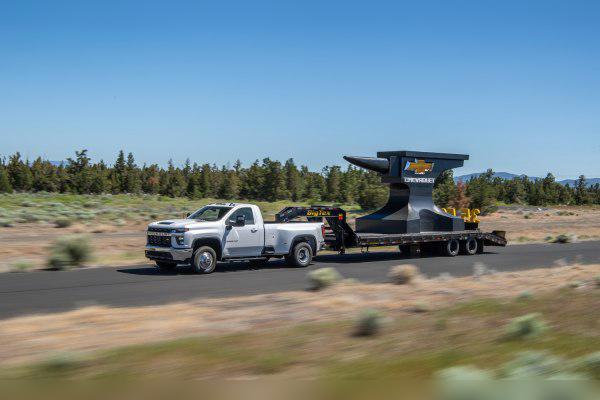
Not at all. Its 401 hp is great, but the real magic is in the 629 Nm of torque. Almost all of that torque is available at surprisingly low rpm for a gasoline engine, giving it a feeling of unstoppable force. Throttle response is brutal thanks to the displacement. It’s not a sports car screamer, but it tows trailers of up to 8 tons with ease.
Highway cruising
On the highway, the L8T is in its element despite brick-like aerodynamics. At 130 km/h, thanks to excellent multi-speed automatic transmissions (especially the 10-speed), engine speed drops to a relaxed 1,800–2,000 rpm. Highway consumption without a trailer then drops to a somewhat more “reasonable” 14 to 17 l/100 km.
Additional options and modifications
Is this engine suitable for LPG conversion?
Because of the direct injection (SIDI), LPG conversion is complicated and extremely expensive. It’s impossible to install a classic sequential LPG system. A specialized system is required that injects liquid gas at high pressure, or a system that uses both gasoline and LPG at the same time (to cool the factory gasoline injectors in the cylinder). Installing a quality system falls into the category: very expensive (depends on the market) and only pays off in the long run for those who use the vehicle daily for commercial transport.
How much power can you gain with a “Stage 1” tune?
Since this is a naturally aspirated engine, the room for power gains through remapping (Stage 1) is limited. Power increase is at most around 20 to 25 hp and about 30 Nm of torque. Still, owners often do tuning not for sheer horsepower, but to change the throttle response map (removing factory “lag”) and to adjust shift points for more aggressive driving or work use.
Transmission and drivetrain
Which transmissions are used?
As mentioned, a manual gearbox is not an option. Depending on model year, you have two fantastic choices:
1. 6L90 (6-speed): GM’s heavy-duty six-speed automatic, used before the facelift. A proven, robust unit.
2. Allison 10L1000 (10-speed): From the 2024 facelift onward, GM installs the legendary Allison ten-speed automatic. This transmission always keeps engine rpm in the optimal range, which greatly eases towing and slightly reduces highway fuel consumption.
Most common transmission issues and maintenance
Failures are very rare if the vehicles are used properly. The most common problem is ATF overheating when towing trailers heavier than the allowed limit on steep climbs. There’s no clutch, but if the torque converter fails, overhaul or replacement is very expensive (depends on the market). To avoid this, changing the transmission fluid and filter is mandatory. Mechanics recommend changing them every 70,000 to a maximum of 90,000 km for heavily used vehicles, even if the factory manual suggests longer intervals.
Buying used and conclusion
What should you check in detail before buying?
When buying a used Chevrolet Silverado with the L8T V8, focus on the following:
- Cold start (noise): Get up early and make sure the truck is completely cold. Listen for a sharp, rhythmic ticking coming from the exhaust manifolds. If bolts are missing or broken, you’ll need a skilled mechanic to extract the broken bolts from the block.
- Condition of the ATF: Pull the transmission dipstick (if the model has one) or ask for an inspection at a shop. The fluid should be reddish/pink. If it’s dark brown or smells burnt, the transmission has been seriously abused.
- Diagnostics: Read the key parameters of the high-pressure fuel pump and check the misfire history (misfire count). A high misfire count points to dirty valves or bad spark plugs/coils.
- Undercarriage inspection: These trucks are used in mud, snow and on tough construction sites. Check the rear differential and driveshaft for damage and leaking seals.
Conclusion: Is the L8T engine for you?
The L8T 6.6L V8 is an engineering relic – in the most positive sense of the word. It’s a cast-iron brute that will run for hours at full throttle without you having to worry that some “smart” fuel-saving tech will self-destruct inside the engine. This is not a vehicle for quick runs to the shopping mall, nor for someone who counts every drop of fuel at the pump. It’s an uncompromising machine for professionals who need to move huge loads and don’t want to fight with insanely expensive failures of modern DPF/AdBlue diesel systems. If the company pays for the fuel and your livelihood depends on reliability, the L8T is easily one of the safest bets on the used off-road and work-vehicle market.