Chevrolet Colorado 3.6 V6 LGZ (308 HP) – Experiences, issues, fuel consumption and used-buying guide
- Powerful and reliable V6 engine: Excellent performance and 308 HP make it perfect for the heavy pickup body.
- Problematic automatic transmission: The notorious GM 8-speed gearbox (8L45) often suffers from vibrations (“shudder”), which requires specific maintenance.
- Direct injection (DI): Over time, carbon buildup forms on the intake valves, which requires decarbonization.
- Timing chain drive: There is no classic timing belt, but the timing system requires regular oil changes so the chain does not fail prematurely.
- Fuel consumption: Be prepared for high fuel consumption in city driving, which is to be expected for this displacement and vehicle weight.
- Not ideal for LPG: Due to direct injection, LPG installation is expensive and complex.
Contents
- Introduction and basic information
- Technical specifications
- Reliability and maintenance
- Specific parts and costs
- Fuel consumption and performance
- Additional options and modifications
- Transmission and drivetrain
- Buying used and conclusion
Introduction and basic information
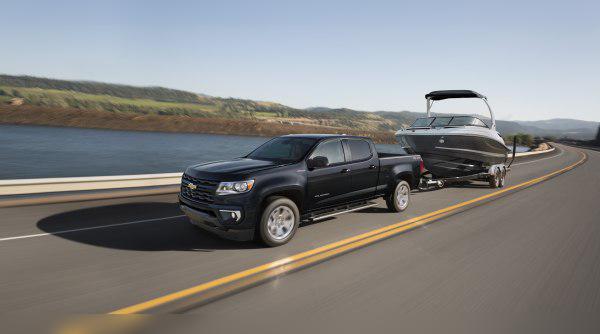
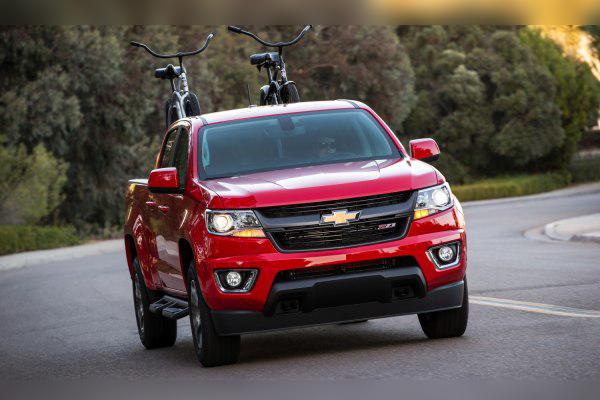
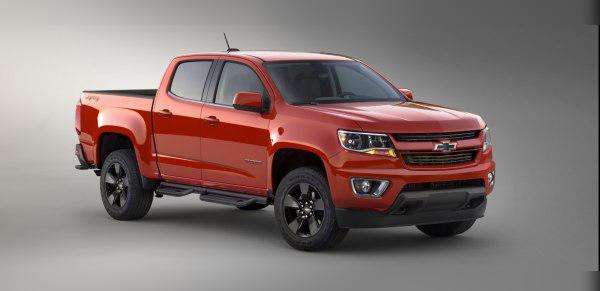
The engine designated as LGZ represents the second generation of GM’s well-known “High Feature” series of V6 engines. Installed predominantly in the Chevrolet Colorado II (including the 2021 facelift models) and its twin, the GMC Canyon, this engine was designed to provide an optimal balance between the power needed for towing and driving characteristics suitable for everyday use. The 3.6-liter displacement combined with direct injection and an advanced variable valve timing system delivers a respectable 308 horsepower. As a mechanic, I can tell you this is a robust machine, but it requires an owner who understands the importance of preventive maintenance, especially when it comes to oil quality and transmission servicing.
Technical specifications
| Parameter | Value |
|---|---|
| Displacement | 3564 cm³ (3.6L) |
| Power | 230 kW (308 HP) at 6800 rpm |
| Torque | 373 Nm at 4000 rpm |
| Engine code | LGZ |
| Injection type | Direct injection (SIDI) |
| Induction | Naturally aspirated (No turbo) |
Reliability and maintenance
Timing system and major service
This engine uses a timing chain, not a timing belt. On this generation of engines, GM improved the timing system design compared to older V6 units (such as the LY7), which were notorious for chain stretch. A classic “major service” at a fixed mileage does not really exist. However, the chain, guides and tensioners can show signs of fatigue (rattling on cold start) at around 200,000 km, depending on maintenance. Replacing the timing chain set is quite expensive (varies by market), as it requires serious labor and disassembly of the front of the engine.
Oil and the most common failures
The LGZ engine takes about 5.7 liters of oil (including the filter). Only full synthetic 5W-30 that meets the “dexos1 Gen 2” or “Gen 3” specification is recommended. For the chain and the variable valve timing (VVT) system to last, the oil change interval should never exceed 10,000 to a maximum of 15,000 km. The engine is known to consume a bit of oil, especially under higher loads (towing a trailer). Consumption of around 0.5 liters per 3,000 km is considered normal, but it is essential to check the dipstick regularly.
The most common issues include carbon buildup on the intake valves. Since this is a direct injection engine, fuel does not wash the valves. Symptoms are rough idle, loss of power and an illuminated Check Engine light. The solution is mechanical valve cleaning (decarbonization) every 80,000 to 100,000 km. The engine also features a cylinder deactivation system (AFM), where the lifters can fail due to poor oil quality, resulting in a characteristic ticking noise from the cylinder head.
Spark plugs
Since this is a gasoline engine, iridium spark plugs are, according to factory specifications, replaced at around 100,000 km. It is not advisable to postpone this replacement, because worn spark plugs overload the individual coil-on-plug ignition coils and lead to misfires.
Specific parts and costs
Fuel injection system
The fuel system uses a high-pressure pump and direct injection injectors. The injectors are generally not too problematic, but they are very sensitive to poor fuel quality and contamination. If an injector starts leaking, it can wash the oil off the cylinder walls, which directly damages the piston rings and the combustion chamber. Replacing these injectors is very expensive (varies by market) compared to classic MPI injectors.
Turbo, DPF, EGR and AdBlue
Good news for fans of simpler engines: This engine does not have a turbocharger. It is a purely naturally aspirated unit, which eliminates a whole range of potentially expensive failures. Since it is a gasoline engine, it does not have a DPF filter and does not use AdBlue fluid. It does have a PCV valve (crankcase ventilation system), which is cheap, but should be replaced preventively, because when it clogs, crankcase pressure pushes out seals and crankshaft oil seals.
Fuel consumption and performance
Driving characteristics and fuel consumption
With its 308 HP, this engine is definitely not sluggish. Throttle response is excellent thanks to the absence of turbo lag, and it pulls a vehicle weighing over two tons very convincingly. However, the maximum torque of 373 Nm is delivered only at a higher 4000 rpm, so for serious acceleration it needs to be revved, unlike a diesel.
The price you pay for performance and weight is at the pump. In stop-and-go city driving, real-world fuel consumption is between 14 and 16 liters per 100 km. If you have a heavy right foot, that figure will go even higher.
On the open road the situation is much better thanks to the 8-speed transmission and aerodynamics that are relatively decent for a pickup. At a cruising speed of 130 km/h on the highway, the engine turns at a very relaxed 2000 to 2200 rpm, and fuel consumption drops to a more acceptable 10 to 11 liters per 100 km.
Additional options and modifications
LPG installation
Although LPG conversions are popular on many V6 engines, on the LGZ it is neither a simple nor a cheap option. Due to the direct injection system, standard sequential LPG systems are not suitable. A specific system for DI engines is required, which, while running on LPG, also injects a certain amount of gasoline (usually 10–20%) to cool the gasoline injectors located in the combustion chamber. Such a system is very expensive (varies by market), and its long-term cost-effectiveness is questionable unless you cover very high annual mileage.
ECU remap (Stage 1)
Since this is a naturally aspirated engine, “chipping” (ECU remapping – Stage 1) provides very marginal gains. Power gains are usually in the range of 15 to a maximum of 20 HP, with a slight increase in torque. Because of this, software modification on this engine is usually not worth it, unless it is a matter of transmission recalibration and disabling the cylinder deactivation system (AFM delete) to improve engine longevity.
Transmission
Types of transmissions and common failures
In the Chevrolet Colorado, this engine is paired with the GM 8L45 8-speed automatic transmission. Manual gearboxes are not available in these configurations with the 3.6 V6 engine. Therefore, the engine does not have a conventional dual-mass flywheel or clutch kit that require replacement, but uses a hydraulic torque converter.
Unfortunately, the automatic transmission is the weakest point of this powertrain. The most well-known issue is the so-called “Chevy shudder” – pronounced vibrations under light load (as if you were driving over a rumble strip). The cause lies in the factory-fill transmission fluid, which absorbs moisture and damages the friction material inside the torque converter.
Because of this, General Motors issued a technical bulletin requiring a complete transmission flush and filling with a specific new Mobil 1 synthetic ATF fluid. If the problem is ignored, the transmission can suffer catastrophic damage, and replacing the torque converter or rebuilding the transmission is extremely expensive (varies by market).
The recommended interval for servicing the transmission and regular fluid changes should not exceed 60,000 km. Regular servicing drastically extends the life of this transmission.
Buying used and conclusion
What to check before buying?
When looking at a used Chevrolet Colorado with this engine, focus on the following:
- Cold start: Ask the seller to keep the engine completely cold before you arrive. When starting, listen carefully for chain rattle lasting a few seconds. If you hear it, that is a sign that the chain or tensioners are near the end of their life.
- Transmission test drive: Drive the vehicle gently, simulating city driving. Pay attention to vibrations under light acceleration between 50 and 80 km/h. Any shuddering is a red flag.
- Visual inspection under the vehicle: On 4WD models (four-wheel drive), be sure to check the front and rear differentials and the transfer case for oil leaks, as well as the condition of the CV joint boots and the entire front suspension.
- Service history: Use diagnostics to check the long-term fuel trims. If the values are heavily skewed, this indicates dirty injectors or severe carbon buildup in the intake.
Final conclusion
The LGZ 3.6 V6 engine is an impressive, traditionally American “workhorse” in a modern package. It is an excellent choice for drivers who need a strong pickup for towing trailers, frequent off-road use, and who want smooth operation and power without worrying about turbo and DPF failures that come with diesels. However, it is not intended for owners who neglect maintenance. Its reliability depends directly on meticulous engine oil changes (because of the chain and the sensitive VVT/AFM system) and on the necessary fluid changes in the automatic transmission. If you buy a well-maintained example, you will get an excellent machine capable of covering hundreds of thousands of kilometers.