LV3 4.3 V6 EcoTec3 Engine – Real-World Experience, Issues, Fuel Consumption and Used-Buying Guide
- Strong and flexible: Although it’s a V6, it delivers an excellent 414 Nm of torque, which makes it great for everyday driving and towing moderate loads.
- Chain-driven timing: There is no “major service” in the classic sense, but it requires strict oil-change intervals so that the chain and tensioners last.
- AFM system issues: The cylinder deactivation system (Active Fuel Management) is the biggest weak point of this engine; valve lifter failures are common.
- Direct injection (DI): Due to the injection layout, carbon buildup on intake valves is inevitable after around 100,000 km.
- Fuel consumption: Expect high fuel consumption in city stop‑and‑go traffic, regardless of fuel‑saving systems.
- Transmissions need attention: Automatic transmissions (especially the 8‑speed) suffer from shuddering if the oil is not changed on time.
- Ideal modification: Software deactivation of the AFM system significantly extends the engine’s service life.
Contents
- Introduction: About the LV3 4.3 V6 EcoTec3 Engine
- Technical Specifications
- Reliability and Maintenance
- Specific Components (Costs)
- Fuel Consumption and Performance
- Additional Options and Modifications
- Transmission and Drivetrain
- Buying Used and Conclusion
Introduction: About the LV3 4.3 V6 EcoTec3 Engine
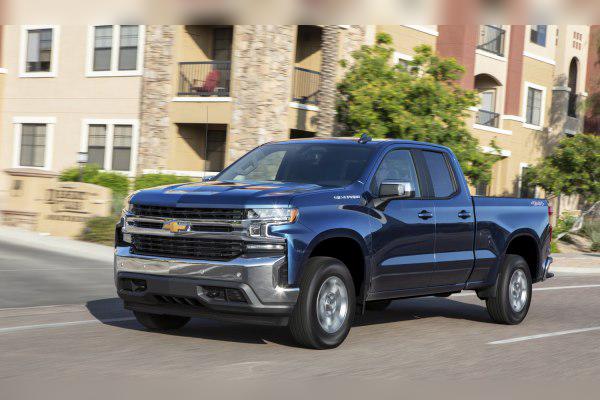
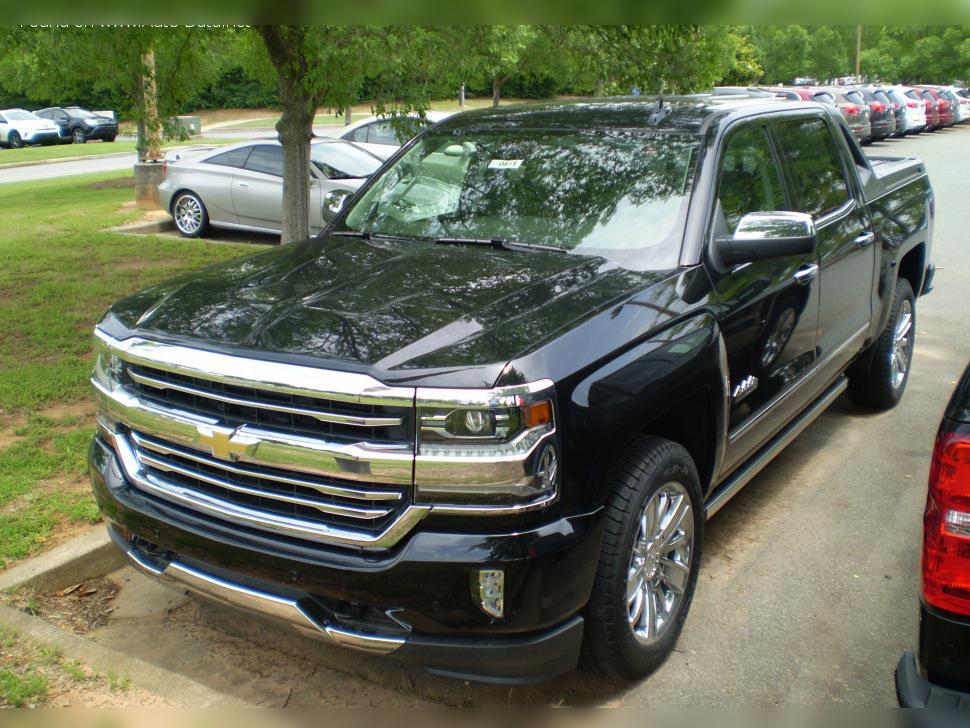
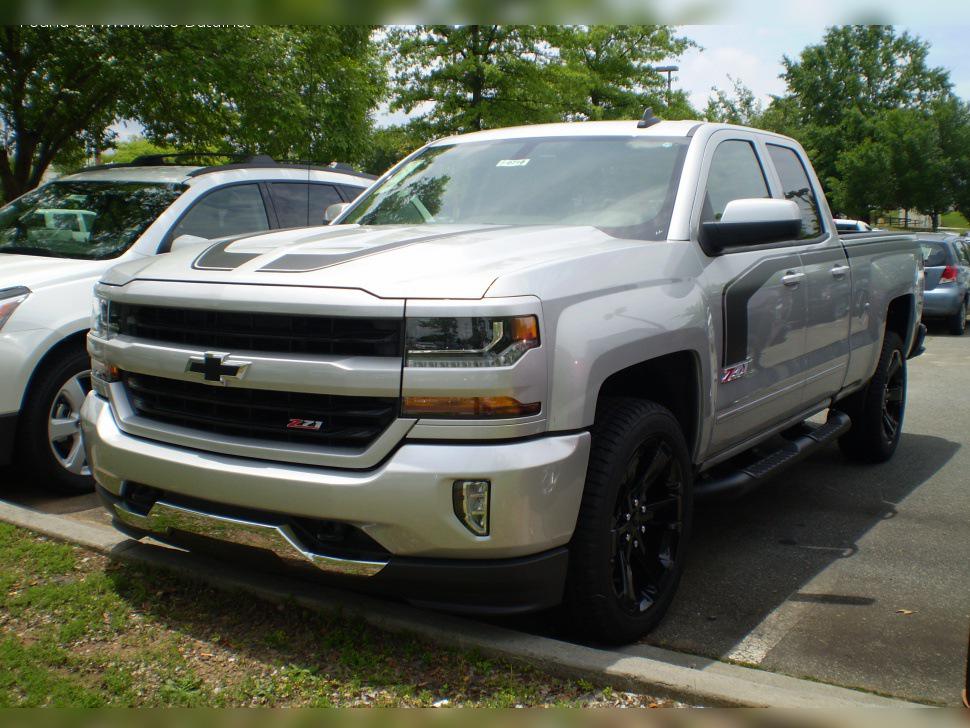
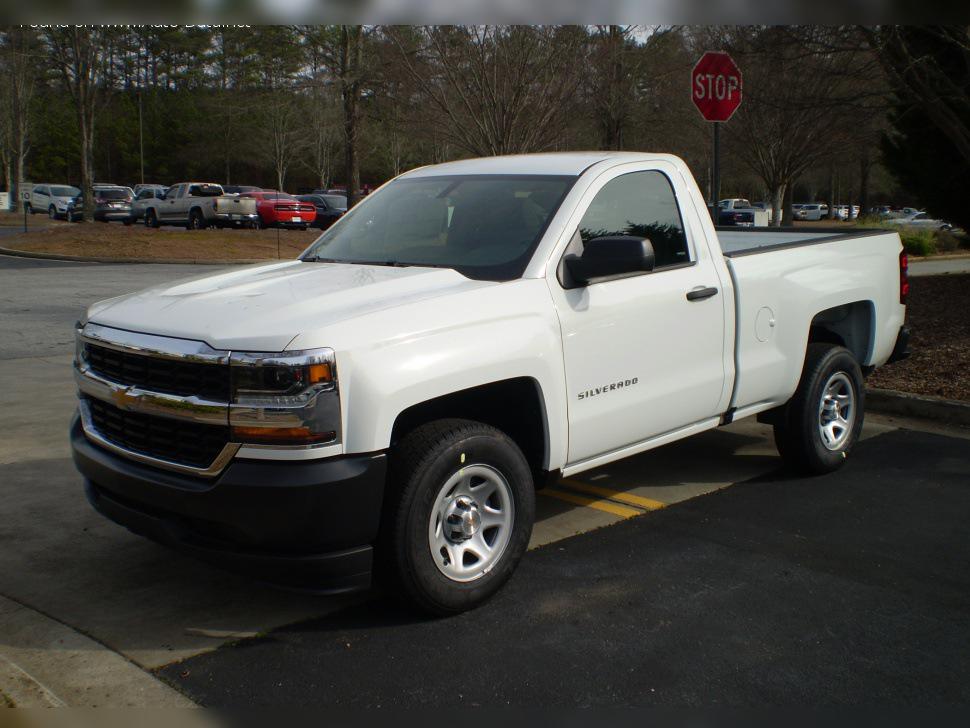
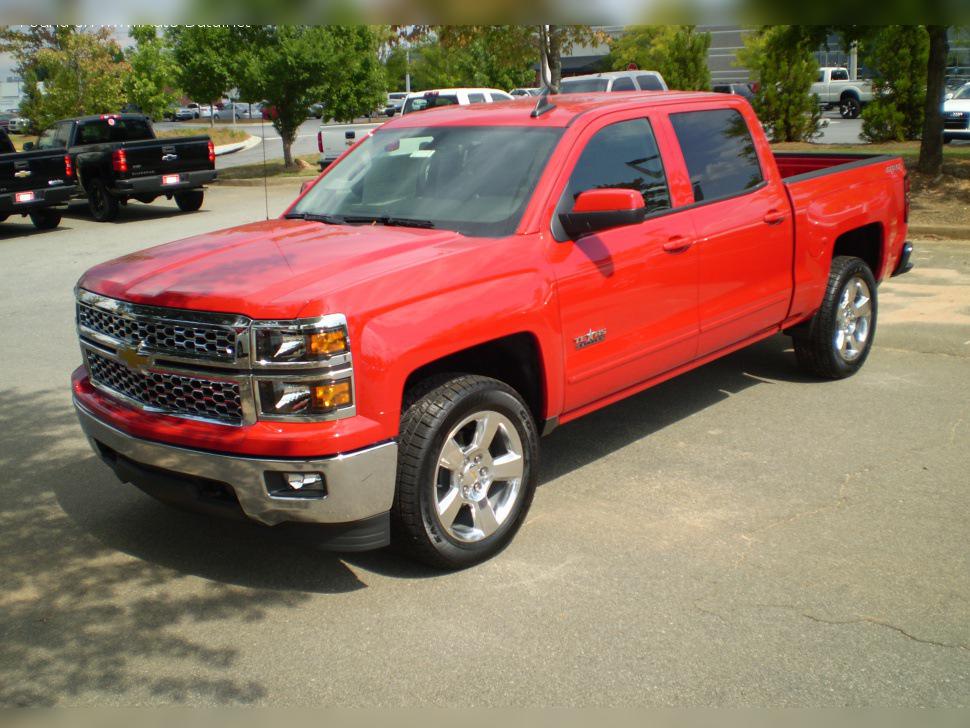
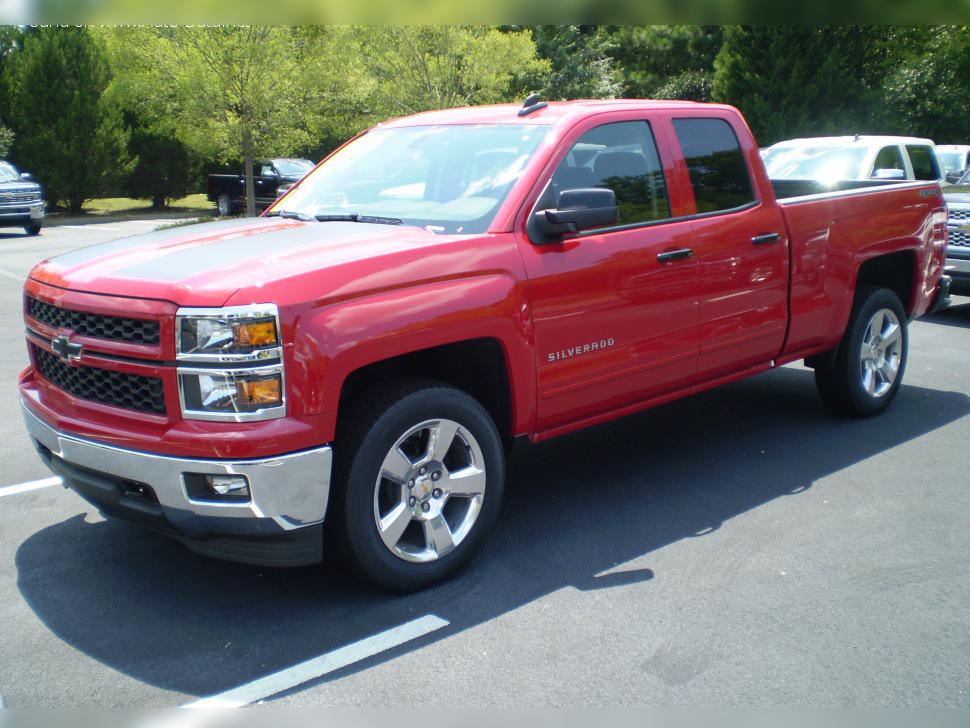
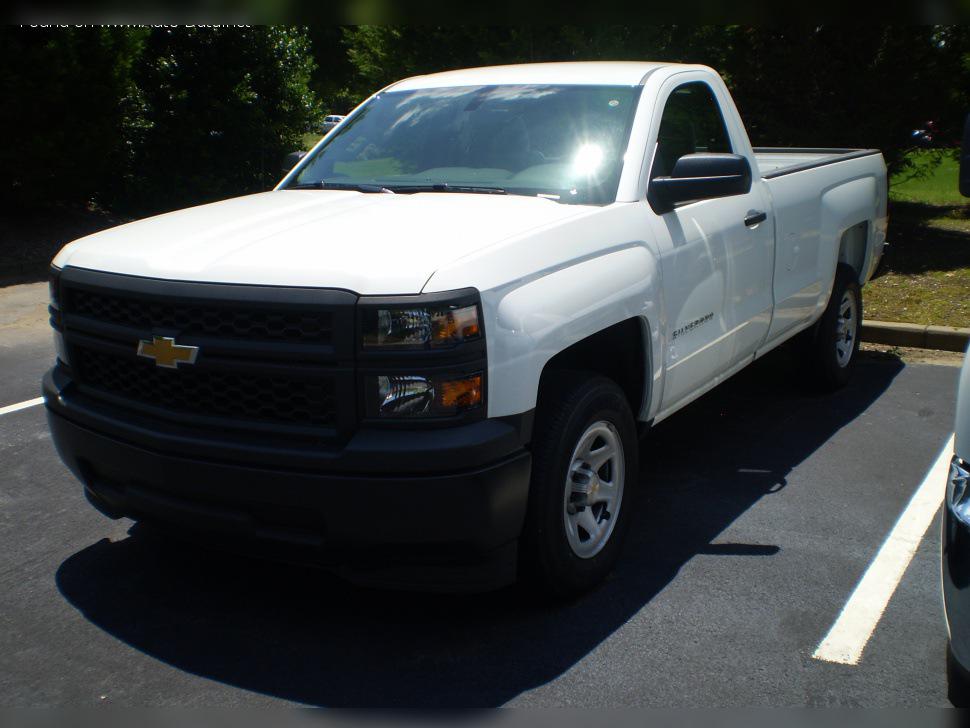
The engine designated as LV3, known as the 4.3L V6 EcoTec3, belongs to General Motors’ renowned fifth generation of Small Block engines. Although it has the same displacement as the old 4.3 Vortec engines, this is a completely new design based on the V8 Ecotec3 architecture, with which it shares as much as 80% of its components. It was primarily installed in the third (facelift) and fourth generation of the Chevrolet Silverado 1500. This engine was conceived as a “golden middle ground” – a workhorse meant to deliver torque similar to a V8, but with somewhat lower fuel consumption when the vehicle is not heavily loaded.
Technical Specifications
| Parameter | Specification |
|---|---|
| Displacement | 4293 cc (4.3 L) |
| Power | 212 kW (285 hp) |
| Torque | 414 Nm |
| Engine code | LV3 (L3B architecture / GM Gen V Small Block) |
| Injection type | Direct injection (SIDI - Spark Ignition Direct Injection) |
| Turbo / Naturally aspirated | Naturally aspirated |
Reliability and Maintenance
Timing system and scheduled services
This engine uses a massive timing chain instead of a timing belt. Because of that, there is no classic “major timing service” at a fixed mileage. The chain is designed to last as long as the engine itself, but in practice its longevity is directly tied to oil quality. Replacement of the water pump and the accessory drive belt is usually recommended preventively between 100,000 and 150,000 km.
Most common failures and symptoms
The main weakness of the LV3 engine is the system known as AFM (Active Fuel Management), which shuts down two cylinders when possible to save fuel. The valve lifters in this system often fail. The symptom a driver will notice is pronounced “ticking” from the top of the engine, especially on cold start, accompanied by loss of power and an illuminated Check Engine light. Ignoring this problem can lead to destruction of the camshaft. Another common issue is carbon buildup on the intake valves. Since this is a direct‑injection engine, fuel no longer washes over the valves. The driver will notice this as rough idle (stumbling) and a slight drop in performance.
Engine oil and routine maintenance
The engine takes about 5.7 liters of oil (with filter). The manufacturer strictly recommends 0W-20 oil with GM dexos1 Gen 2 or Gen 3 specification. Using thicker oil can damage the variable valve timing (VVT) system and the already sensitive lifters.
Does it burn oil? Yes. Due to the AFM system, it is completely normal for the engine to consume around 0.5 to 0.8 liters of oil per 5,000 km. If consumption exceeds 1 liter over the same distance, this usually points to stuck piston rings in the cylinders that are deactivated while driving, which is a well‑known drawback of this technology.
Spark plugs
Since this is a gasoline engine, a strong, clean spark is crucial. The manufacturer recommends replacing spark plugs at 160,000 km (100,000 miles), but due to poorer fuel quality in many markets, experienced mechanics advise replacement at around 100,000 km. If spark plugs are left in too long, they overload the ignition coils, which are expensive to replace.
Specific Components (Costs)
Fuel injection and intake
The injection system is direct (high pressure). Injectors are generally durable but sensitive to fuel contamination. If the injectors become clogged, symptoms include misfires, shuddering under acceleration, and black smoke from the exhaust at high rpm. Replacing high‑pressure injectors falls into the “very expensive” category (cost varies by market).
Emissions systems
The LV3 is a naturally aspirated gasoline engine. That means no turbochargers, no DPF filter and no AdBlue, which drastically reduces maintenance costs compared to modern diesels of similar power. However, the engine does have a sophisticated PCV system (crankcase ventilation) and an EGR valve. The PCV valve must be replaced regularly (every 60,000 km) – the part itself is inexpensive, but if it clogs, crankcase pressure rises, which leads to crankshaft seal failure and oil leaks.
Fuel Consumption and Performance
Fuel consumption
This is not an engine for those counting every liter. In urban stop‑and‑go driving, real‑world consumption ranges from 15 to 18 l/100 km, depending on whether you have a rear‑wheel‑drive or 4WD version. Even though it’s a V6, the vehicles it powers weigh over two tons.
Driving dynamics and highway behavior
A question many people ask: is the 4.3 V6 “sluggish” in such a big pickup? Empty or lightly loaded – absolutely not. The engine is very well calibrated, and 414 Nm provides strong pull from low revs. However, under full load in the bed or when towing a heavy trailer, the lack of power compared to the 5.3 V8 becomes noticeable. The engine has to rev higher, which further increases noise and fuel consumption.
On the highway, things are much more pleasant. At a cruising speed of 130 km/h, the engine runs in a relaxed “cruise” mode at about 2,000 to 2,200 rpm (depending on the differential ratio). On flat sections the AFM system activates, the engine runs on only four cylinders, and fuel consumption can drop to a very reasonable 10 to 12 l/100 km.
Additional Options and Modifications
LPG (autogas) conversion
Is the LV3 suitable for LPG? Because of direct injection, classic sequential LPG systems are not an option. You need a specialized system for DI engines (which also injects a small amount of gasoline to cool the gasoline injectors) or a liquid‑injection LPG system. Installing such systems is possible, but the cost is very high and only pays off for drivers who cover very large mileages (cost varies by market).
ECU remap (Stage 1)
Since this is a naturally aspirated engine, a typical Stage 1 remap brings very little in terms of raw power (gains are around 10–15 hp and 15–20 Nm). However, tuning on this engine is done for a completely different reason. The most popular modification is software deletion (deactivation) of the AFM system. With this change, the engine always runs on all 6 cylinders. This slightly increases fuel consumption on the highway, but dramatically protects the lifters and prevents catastrophic engine failures.
Transmission and Drivetrain
All models equipped with this engine come exclusively with automatic transmissions. A manual gearbox is not an option. Depending on model year and trim, it was paired with a 6‑speed (6L80) or the more modern 8‑speed (8L90) automatic.
Failures and torque converter
Since it has an automatic transmission, there is no classic dual‑mass flywheel or clutch kit. Torque is transferred via a hydraulic torque converter. Replacement or overhaul of the converter is only done when the transmission starts to fail, and the repair is quite expensive (cost varies by market).
The most common issue with the 6‑speed (6L80) transmission is torque converter failure, which manifests as a coarse shudder of the vehicle at around 60–80 km/h (the so‑called “shudder”). With the 8‑speed (8L90) transmission, early models (up to 2019) suffered from aggressive and jerky shifts from first to second gear. The usual solution involved a full fluid flush and filling with the exact specified new fluid (Mobil 1 Synthetic LV ATF HP).
Transmission maintenance
The transmission is not truly “sealed for life”, even though some manuals suggest this. It is essential to change the transmission fluid and filter every 60,000 to 80,000 km. If the vehicle is frequently used for towing, the interval should be shortened to 50,000 km.
Buying Used and Conclusion
What to check before buying?
- Cold start engine noise: Arrange an inspection only when the vehicle is completely cold. Listen carefully for sharp metallic ticking from the top of the engine in the first few minutes. This is the first sign that the AFM lifters are damaged.
- Oil condition and idle quality: Check the dipstick; the oil should be light in color. Sit in the cabin – if at idle you feel fine vibrations transmitted to the seat or steering wheel, there is a high chance that the intake valves are clogged with carbon (a de‑carbonizing procedure, commonly known as walnut blasting, is required).
- Test drive and transmission behavior: Gently accelerate up to 80 km/h on a flat road. If you feel a resonant vibration (as if you’re driving over rumble strips), the problem is in the transmission (torque converter), not in the suspension.
- Diagnostics: Always hook up an OBD scanner and check the misfire counter for each individual cylinder.
Who is this engine for?
The LV3 4.3 V6 EcoTec3 is a solid, somewhat old‑school chunk of iron (and aluminum) refined with modern technology. It’s not a racer, and it’s not the most economical engine in the world. However, as the heart of a work and family pickup, it does an excellent job. It is aimed at drivers who don’t really need a V8 because they don’t tow heavy trailers and boats every weekend, but who appreciate the longevity of a classic naturally aspirated gasoline engine. If you proactively deal with the AFM system via software and strictly adhere to oil‑change intervals with quality 0W‑20 oil, this engine is capable of covering very serious mileage without being opened.