Chevrolet Vortec L35 4.3 V6 (190 hp): Ownership impressions, issues, fuel consumption and used-buying guide
Key points in short (TL;DR)
- Outstanding mechanical base: This engine is based on the legendary American Small Block V8 with two cylinders “cut off”. The block and heads are made of cast iron.
- Fuel consumption: Extremely high, especially in city driving conditions.
- Most common weakness: Coolant leaks at the intake manifold gasket and issues with the specific “Spider” injection system.
- LPG (Autogas): LPG installation is highly recommended and the engine handles it very well.
- Gearbox: Most commonly paired with the 4L60-E automatic transmission, which requires regular maintenance and a gentle driving style.
- No expensive “modern” headaches: The engine has no dual-mass flywheel, no turbochargers, no DPF and no AdBlue systems.
Contents
- Introduction: The American workhorse
- Technical specifications
- Reliability, maintenance and servicing
- Specific components and most common failures
- Fuel consumption, performance and driving characteristics
- Extras: LPG and remapping
- Transmission: Automatic and manual
- Buying used and conclusion
Introduction: The American workhorse
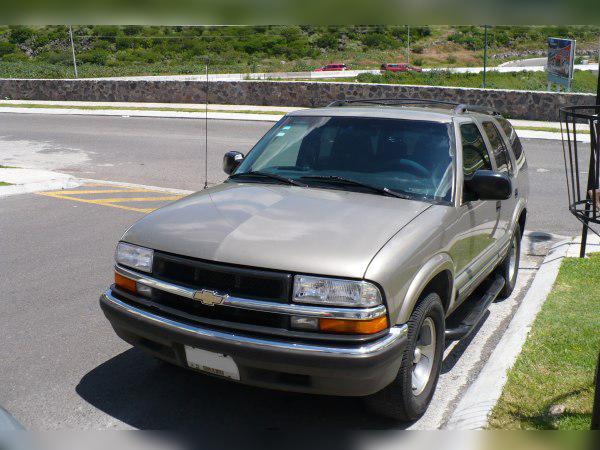
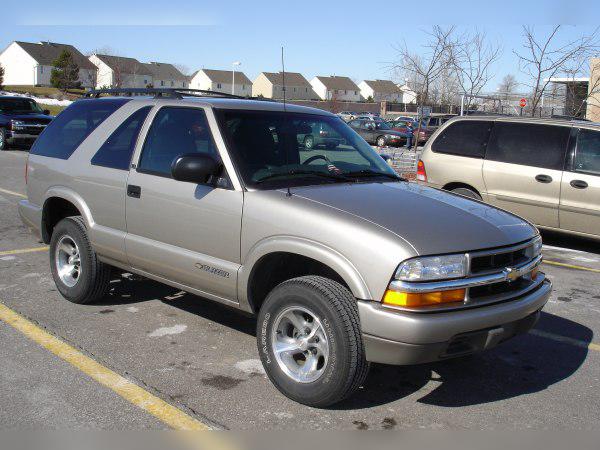
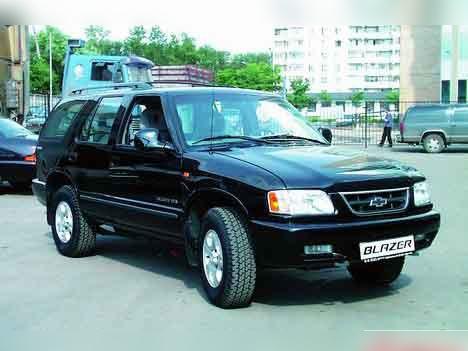
The Vortec L35 engine, better known simply as the Chevrolet 4.3 V6, is one of the most important powerplants in the history of the American automotive industry. It was installed for decades in pickup trucks and SUVs, and on European and global roads we most often see it under the hood of the Chevrolet Blazer II (especially in post-facelift versions after 1998). It is an old-school, robust, large-displacement engine designed to last, tow heavy trailers and withstand abuse off-road. However, due to its design and age, it comes with certain quirks every potential buyer needs to be aware of.
Technical specifications
| Specification | Data |
|---|---|
| Engine displacement | 4300 cc (4.3L) |
| Engine power | 140 kW (190 hp) |
| Torque | 339 Nm |
| Engine code | Vortec L35 (RPO L35) |
| Injection type | CPI / SFI (Central / Sequential Port Injection) |
| Aspiration | Naturally aspirated |
Reliability, maintenance and servicing
In terms of architecture, this engine uses a timing chain, not a timing belt. The chain is extremely massive, overengineered and rarely needs replacement before the engine block itself is due for a full rebuild. Because of that, the typical “major service” in the European sense (regular timing belt kit replacement) is not done here. Instead, every 100,000 to 120,000 km you should preventively replace the serpentine belt, idler pulleys, tensioners and the water pump.
The sump of this massive V6 holds about 4.3 to 4.5 liters of oil. The manufacturer’s recommended viscosity is usually 5W-30, although in warmer climates many mechanics use 10W-30. As for oil consumption, given the old-school engine design, some usage is acceptable. It is quite normal for the engine to consume around 0.3 to 0.5 liters per 1000 km, especially if the valve stem seals have hardened over time. If consumption exceeds this, it’s time to inspect the piston rings or cylinder heads.
Since this is a classic petrol engine with a distributor cap and rotor (on most models), the ignition system requires regular attention. Spark plugs should be replaced every 50,000 to 60,000 km. Do not ignore this interval, because worn plugs lead to misfires, which quickly destroy the catalytic converter and cause engine hesitation. Along with the plugs, it is recommended to check the ignition leads and the distributor cap itself for moisture or contact damage.
Specific components and most common failures
One of the best pieces of news for buyers is what this engine doesn’t have. It does not have a dual-mass flywheel (especially since it is mostly paired with an automatic), has no turbocharger, no DPF filter and no complicated AdBlue system. However, it does have its own specific weaknesses that can seriously drain your wallet.
Problematic “Spider” injection system
The biggest Achilles’ heel of the Vortec L35 is its fuel system. Unlike classic injectors that are mounted externally into the intake manifold, GM used the so‑called CSFI or CPI (Central Port Injection) system here. It sits inside the intake manifold itself and visually resembles a spider with small tubes (hence mechanics call it the Spider injector). Over time, the pressure regulator on this system starts leaking, or the plastic tubes crack due to heat and age. Symptoms include hard starting (especially when the engine is warm), a strong raw fuel smell from the exhaust, smoke, and fuel entering the sump (which thins the oil and can destroy the crankshaft). Upgrading to the improved MFI system solves the issue, but this job is expensive (depends on the market) because it requires removing the upper part of the engine.
Intake manifold gasket leaks
The second most common issue is leakage at the intake manifold gasket. The factory gaskets were plastic with silicone seals that coolant gradually eats away. Symptoms include coolant loss without any visible leak under the car. The problem is that coolant often leaks internally, directly into the oil, creating “mayonnaise” on the oil filler cap. If this goes unnoticed, the crankshaft and bearings suffer due to poor lubrication. The solution is to install higher-quality Fel‑Pro aluminum gaskets.
EGR valve
This engine uses a conventional EGR valve for exhaust gas recirculation. Over time it gets clogged with soot from the intake, sticks in the open position and causes rough idle, stalling and jerking while cruising. Fortunately, cleaning or replacing the EGR valve is not expensive (depends on the market) and solves the problem.
Fuel consumption, performance and driving characteristics
If you are planning to buy a vehicle with this engine, you must be prepared for frequent visits to the fuel station. Real-world city consumption rarely drops below 16 to 18 l/100 km, and in heavy traffic it can easily reach a round 20 liters. This is the price you pay for the old design, large displacement and heavy body of vehicles like the Blazer.
Although the vehicle weighs almost two tons, with 190 hp and a hefty 339 Nm of torque, this engine is anything but “lazy” at low revs. Acceleration from traffic lights is surprisingly brisk, and the engine shows impressive strength when towing a trailer or tackling difficult off-road terrain (the Autotrac 4x4 system helps a lot here). However, its construction (two valves per cylinder, cam-in-block) means it runs out of breath at high revs. There is no point in revving it into the red.
On the motorway, the Blazer fights the aerodynamics of a wardrobe. Due to the long gear ratios in the transmission, at 130 km/h the engine “cruises” at a fairly low 2200 to 2400 rpm (depending on the rear differential ratio). At these speeds on open roads, fuel consumption can drop to a more acceptable 11 to 13 l/100 km.
Extras: LPG and remapping
Because of the extreme fuel consumption, installing a sequential LPG system is absolutely recommended and very cost‑effective. These engines, with their cast-iron blocks and thick cylinder walls, tolerate LPG without any issues. They do not require additional valve lubrication systems. The only thing to watch for is that the vaporizer is properly sized for 140 kW of power and that the injectors are of good quality. Running on LPG drastically reduces running costs.
As for software tuning (remapping, Stage 1) – it is basically a waste of money. This is an old-generation naturally aspirated petrol engine. By modifying ignition maps you will gain at most 10 to 15 hp, which is completely unnoticeable in a vehicle weighing close to two tons. The engine simply does not respond to electronic tweaks like modern turbo engines do.
Transmission: Automatic and manual
The vast majority of these engines are paired with GM’s 4L60-E four-speed automatic transmission. A five-speed manual (usually NV3500) does exist, but is extremely rare on the market.
Automatic (4L60-E): This gearbox shifts smoothly, but it has its weaknesses, especially if the vehicle has been used for towing. The most common failures include loss of 3rd and 4th gear due to the so‑called “sun shell” breaking, or clutch pack wear. To make the transmission last, it is essential to change the ATF (Dexron III or newer) and filter every 60,000 km. Rebuilding this transmission is expensive to very expensive (depends on the market), so a thorough check before purchase is crucial.
Manual transmission: It is far more robust. There is no dual-mass flywheel; instead it uses a conventional solid flywheel with a clutch disc and pressure plate. The cost of clutch replacement is not expensive to moderate (depends on the market). Failures are mostly limited to worn synchros after very high mileage.
Buying used and conclusion
When you go to inspect a used Blazer or another SUV with this 4.3 V6 engine, be sure to take a flashlight and open the hood. What exactly should you check?
- Oil condition: Unscrew the oil filler cap. If you see grey/white emulsion (“mayonnaise”), the intake manifold gasket has likely failed and mixed coolant with oil. Walk away from such a vehicle.
- Starting and idle: The engine should start “on half a turn”, whether cold or hot. If it cranks for a long time or blows black smoke and smells strongly of fuel – the Spider injectors are leaking.
- Transmission (automatic): During the test drive, the gearbox must not jerk when shifting from P to R or D. The shift from first to second gear should not be accompanied by a strong thump.
- 4x4 system (Autotrac): Vacuum lines under the hood and the actuator under the battery that engages the front axle often fail. Check whether switching to 4HI lights up the indicator and whether the front wheels actually engage.
Who is this engine for?
The Chevrolet Vortec L35 4.3 V6 is not for people looking for an everyday city car, unless they have deep pockets for fuel or a well‑installed LPG system. This engine is made for true enthusiasts, hunters, off‑road drivers and people who regularly tow trailers (campers, boats). It offers incredible robustness, low‑end torque and simple mechanical maintenance, but it punishes neglect of the fuel and cooling systems. If you find a healthy example with the intake manifold issue solved and the injection system upgraded, you will get an engine that, with regular maintenance, will easily cover more than 400,000 kilometers.