GM Vortec LC8 6.0 V8: Experiences, Problems, Fuel Consumption and Used-Buying Guide
- Heavy-duty workhorse: Extremely durable engine designed for towing and harsh operating conditions.
- Factory-adapted for gas/CNG: The LC8 version has reinforced valve seats, which makes it perfect for CNG (compressed natural gas) and LPG.
- Old-school mechanics: No sensitive systems like cylinder deactivation (AFM), DPF filters or direct injection.
- Most common failure: Exhaust manifold bolts snapping due to thermal expansion – annoying, but solvable problem.
- Fuel consumption: Frightening by European standards, but justified by its purpose and vehicle weight of over 3 tons.
- Transmission: Almost exclusively paired with the indestructible 6L90 automatic transmission, which requires regular oil changes.
Contents
- Introduction: What is the Vortec LC8?
- Technical Specifications
- Reliability and Maintenance
- Specific Parts and Costs
- Fuel Consumption and Performance
- Additional Options and Modifications
- Transmission and Drivetrain
- Buying Used and Conclusion
Introduction: What is the Vortec LC8?
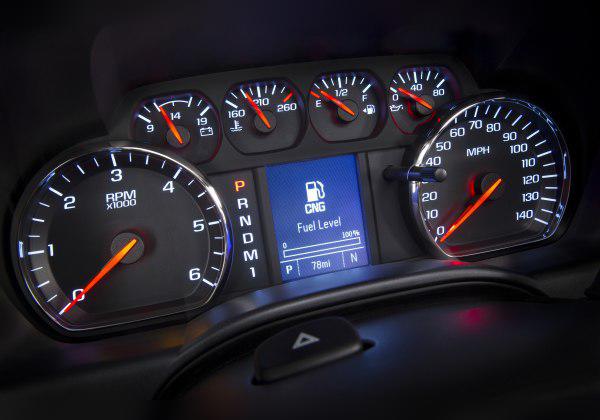
The Vortec LC8 6.0 V8 engine is a variation of GM’s famous L96 engine (from the legendary LS family), but with one key difference: the LC8 was designed from the ground up to run on CNG (compressed natural gas) or LPG in addition to traditional gasoline. To withstand the higher combustion temperatures of dry fuels like gas, GM equipped it with reinforced valves and valve seats.
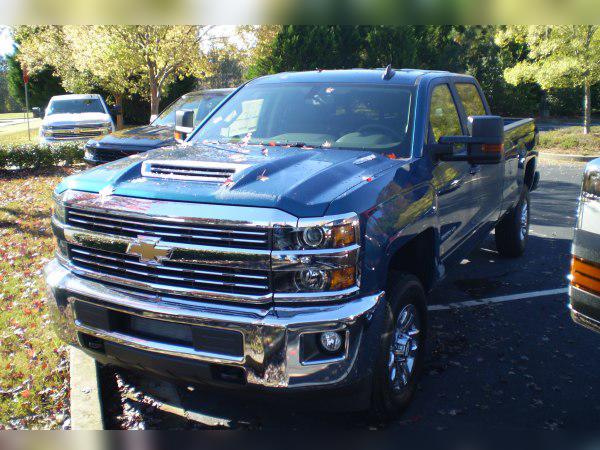
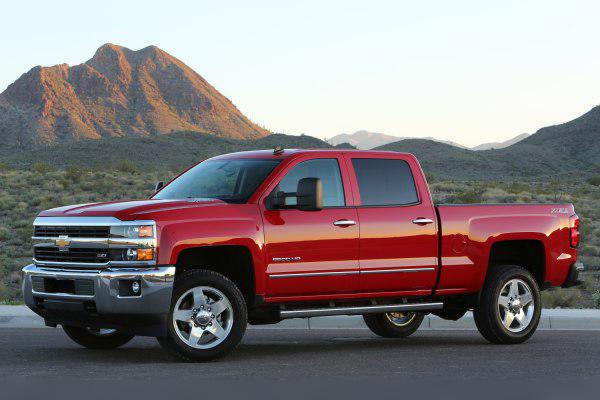
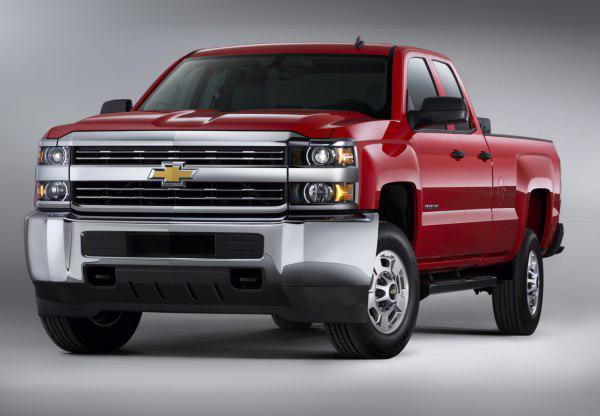
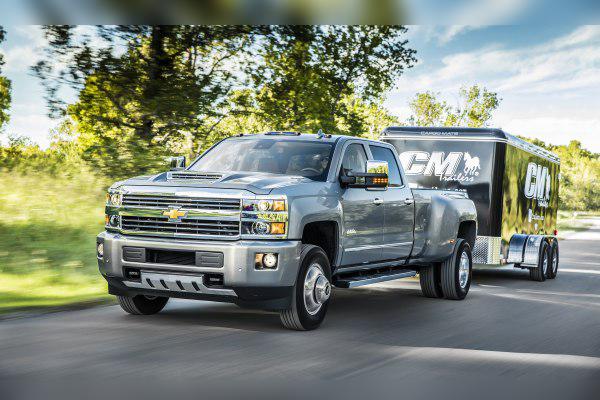
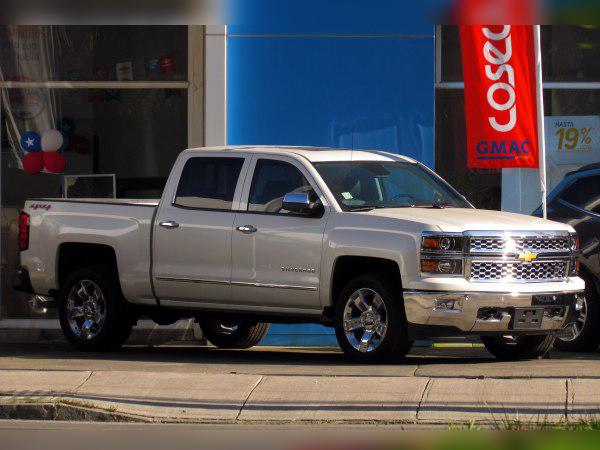
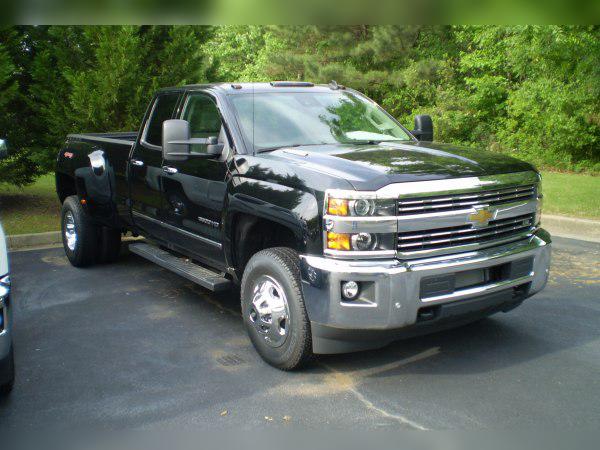
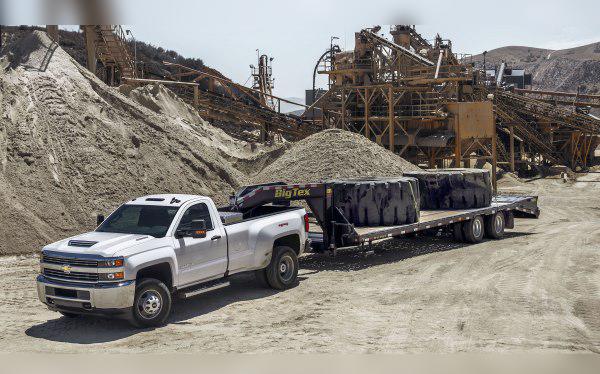
This powerplant was primarily installed in the “Heavy Duty” (HD) line of vehicles – the Chevrolet Silverado 2500HD and 3500HD. These are huge pickup trucks intended for construction sites, towing heavy trailers and farm work. Because of that, this engine was never expected to be economical or sporty, but to deliver nothing but raw power and indestructibility.
Technical Specifications
| Parameter | Value |
|---|---|
| Displacement | 5967 cc (6.0L) |
| Power | 224 kW (301 hp) |
| Torque | 452 Nm |
| Engine code | LC8 (Gen IV Small Block) |
| Injection type | MPI (Multi-Port Injection) – Indirect |
| Induction type | Naturally aspirated |
| Fuel type | Gasoline / CNG (Bi-fuel) |
Reliability and Maintenance
Timing belt or chain and Major service
This engine uses a timing chain inside the engine block (OHV design with a cam-in-block and lifters). The chain is extremely robust and practically never needs to be replaced during the engine’s lifetime unless there is a major failure, which is rare. The classic “major service” in the European sense (belt replacement every 90,000 km) does not exist here. Instead, at around 150,000 to 200,000 km it is recommended to replace the serpentine belt, idler pulleys, tensioner and, preventively, the water pump. The price of these parts varies, but in general: it’s not expensive (depends on the market).
Oil and Spark Plugs
The oil pan of this V8 holds about 5.7 liters of engine oil. GM strictly recommends 5W-30 (Dexos 1 specification). As for oil consumption, a completely healthy engine should not consume more than 0.5 to 1 liter per 10,000 km. However, if the vehicle is constantly towing 5-ton trailers over mountain passes, slightly higher oil consumption is a normal consequence of ring wear under heavy load.
Spark plugs are crucial on this engine, especially because it runs on CNG, where generating a spark is more difficult. It comes from the factory with iridium spark plugs with a replacement interval of about 100,000 km. If you notice misfires at idle or loss of power, especially when running on gas, first check the spark plugs and wires, which tend to “arc” due to the heat from the exhaust manifolds.
Most common issues
This engine is incredibly reliable because it does not have the problematic cylinder deactivation system (AFM), but it does have one legendary weakness: exhaust manifold bolts snapping. Due to large temperature differences (the cast-iron block and manifolds expand differently), the rear bolts often break. The symptom is a sharp “tick-tick-tick” sound when you start a cold engine, which disappears after a few minutes once the metal heats up and closes the gap. Drilling out and removing these bolts takes time and a very patient mechanic.
Specific Parts and Costs
Flywheel and Clutch
The engine is installed in massive trucks and is paired exclusively with an automatic transmission, so it does not have a dual-mass flywheel or a conventional clutch. It uses a flexplate flywheel for the starter and a torque converter for the transmission. Forget about the expensive dual-mass flywheel replacements that plague European diesel owners.
Fuel Injection System and Emissions
Unlike modern engines with sensitive direct injection, the Vortec LC8 uses MPI (indirect injection) for gasoline and separate injectors for CNG. These injectors are extremely durable and rarely clog because they are washed by fuel before the intake valve. Replacement injector costs are: not expensive (depends on the market).
The great news for maintenance is what this engine DOES NOT HAVE. Since it is a naturally aspirated gasoline/CNG engine, it has no turbochargers, no DPF filter, and absolutely no AdBlue system that would cause winter headaches with sensors and pumps. It does have an EGR valve and catalytic converters, which may require cleaning or replacement at mileages over 250,000 km, but that is negligible compared to the emissions-related costs of modern heavy-duty diesels.
Fuel Consumption and Performance
Is it sluggish?
On paper, 301 hp sounds like a lot, but when you consider that an empty Chevrolet Silverado 2500HD/3500HD weighs almost 3 tons, it becomes clear this is not a vehicle for traffic-light drag races. The engine is not “sluggish”; on the contrary, its 452 Nm of torque is delivered quite evenly and is focused purely on raw pulling power. It can tow a trailer as heavy as a house without overheating.
City and highway consumption
This is where we get to the painful part (for those who don’t know what they’re buying). Real-world fuel consumption in city driving is around 20 to 25 l/100 km on gasoline, and the equivalent applies to CNG in terms of volume, although it is incomparably cheaper financially due to the lower price of gas. Stop-and-go driving and weight kill fuel economy. On the highway, the situation is somewhat better. Thanks to the large displacement and transmission gearing, at 130 km/h the engine “cruises” at a low 2,000 to 2,200 rpm. Consumption then drops to 14 to 17 l/100 km (with an empty vehicle).
Additional Options and Modifications
LPG installation
Since LC8 is actually GM’s designation for an engine that is factory-reinforced for CNG, it is an absolutely perfect base for an aftermarket LPG conversion in markets where CNG is not available or LPG is more cost-effective. The engine handles gas without any issues, there is no valve seat recession, and the block itself is known to cover more than half a million kilometers with regular maintenance.
Chip tuning (Stage 1)
Is it worth doing a Stage 1 chip tune on a naturally aspirated V8 in a 3-ton vehicle? Honestly, no. The power gain you can get is at most about 15 to 20 hp and 20 to 30 Nm of torque. The driver will barely notice this increase relative to the vehicle’s total mass. On these engines, remapping is mostly done to adjust throttle response or to tweak shift points after changing wheel/tire sizes.
Transmission
Transmission types and reliability
This generation of Silverado HD was not offered with a manual transmission. The LC8 engine is factory-paired with GM’s mighty 6L90 6-speed automatic transmission. This gearbox is built for the toughest conditions, has a huge torque converter and is extremely resistant to heavy loads.
The most common failures on the 6L90 occur solely due to improper maintenance. If the previous owner did not change the fluid and constantly towed heavy loads, the clutch packs inside the transmission can start slipping (engine revs rise without acceleration) or you may feel harsh shifts from first to second gear. Rebuilding this transmission is a major job and the cost is: very expensive (depends on the market).
Transmission maintenance
For the 6L90 to last as long as the engine itself, it is necessary to replace the transmission fluid (ATF Dexron VI) and filter every 60,000 to 80,000 kilometers. If the truck is used daily for maximum towing, it is recommended to shorten this interval to 50,000 km.
Buying Used and Conclusion
What to check before buying?
- Cold start: Ask the seller not to start the vehicle before you arrive. Start the cold engine and listen for a sharp “ticking” sound near the wheels (broken exhaust manifold bolts) or knocking from the top of the engine (lifter problems due to infrequent oil changes).
- Transmission fluid condition: Pull out the transmission dipstick (if accessible). The fluid should be reddish, not black, and must not smell burnt.
- Suspension and driveshaft: On work trucks like this, always check for play in the driveshaft U-joints, ball joints and differentials, as these components are under constant stress.
- Running on CNG: Switch the vehicle to gas and observe idle. If it shakes or runs unevenly, a spark plug replacement or CNG injector overhaul is likely due.
Final verdict: Who is this engine for?
The Vortec LC8 6.0 V8 is not an engine for shopping trips and commuting. It is a brutal, raw work machine conceived in an era when absolute mechanical reliability was desired, without electronic “helpers” that fail every winter. It is intended for drivers who need to tow extremely heavy trailers, equipment or construction machinery and at the same time want to avoid the expensive failures of modern diesel engines (injectors, DPF, high-pressure pumps, AdBlue). High fuel consumption is simply the ticket price for driving one of the most durable V8 blocks General Motors has ever built.