Experiences, issues, fuel consumption and used-buying guide: Vortec LY6 6.0 V8 (360 hp)
Key points (TL;DR)
- Exceptional reliability: The cast-iron block and the absence of the problematic cylinder deactivation system (AFM) make this engine one of the most durable V8 units.
- Fuel consumption is huge: Expect over 20 l/100 km in city driving with the heavy trucks it is installed in.
- Ideal for LPG: Thanks to indirect (MPI) injection, installing a sequential LPG system is easy and highly cost-effective.
- Most common failures: Exhaust manifold bolts snapping (audible ticking when cold) and water pump leaks.
- Transmission maintenance is crucial: It is paired with the heavy-duty 6L90 automatic, which is virtually indestructible, provided you change the ATF regularly.
- No expensive components: No dual-mass flywheel, no turbocharger, and no sensitive piezo injectors.
Contents
- Introduction: Old-school workhorse
- Technical specifications
- Reliability, failures and maintenance
- Specific parts and repair costs
- Fuel consumption and real-world performance
- LPG and tuning options
- Transmission and power delivery
- Buying used and final verdict
Introduction: Old-school workhorse
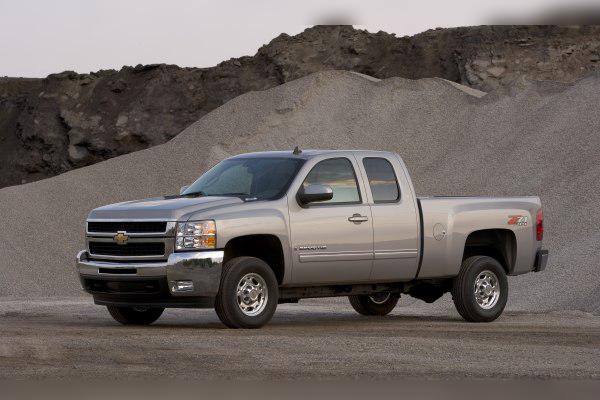
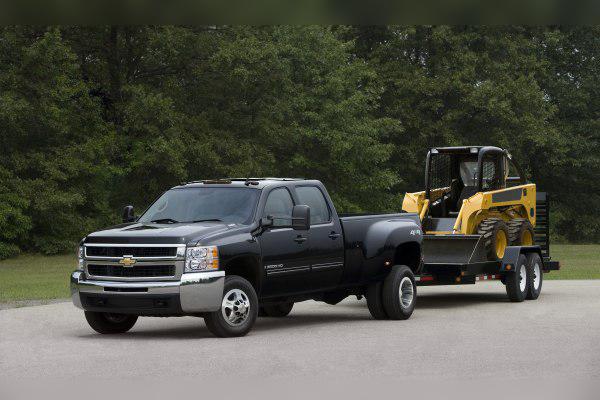
The Vortec 6000 engine with the LY6 code belongs to the fourth generation (Gen IV) of GM’s legendary small-block V8 family. This unit was primarily designed for heavy-duty work, which is why it was predominantly installed in Heavy Duty (HD) pickup series such as the Chevrolet Silverado 2500 HD and 3500 HD (GMT900 generation). What sets it apart in a sea of more modern engines is the absence of complex and troublesome systems aimed at reducing exhaust emissions. Its design with a cast-iron block (instead of aluminum) and high-flow aluminum cylinder heads gives it outstanding durability, the ability to tow massive loads, and resistance to overheating in extreme conditions.
Technical specifications
| Specification | Data |
|---|---|
| Displacement | 5967 cc (6.0L) |
| Power | 265 kW (360 hp) |
| Torque | 515 Nm |
| Engine codes | LY6 (Gen IV LS architecture) |
| Injection type | MPI (Port fuel injection) |
| Aspiration | Naturally aspirated (No turbo) |
| Camshaft drive | Chain |
Reliability, failures and maintenance
Timing system (Chain)
The Vortec LY6 uses a massive timing chain located inside the engine block. This system is extremely well engineered and does not require regular replacement at a set mileage like a timing belt. The chain rarely shows signs of stretching before the engine has covered 300,000–400,000 km. Any rattling noise from the chain is most often the result of poor oil pressure due to clogged oil passages, rather than a fault of the chain itself.
Most common failures and symptoms
One of the best-known weak points of this engine is exhaust manifold bolts snapping. Due to large thermal cycles, the end bolts loosen and break off in the cylinder head. The driver notices this as a specific ticking (“tick-tick-tick” sound) on a cold morning start, which disappears as soon as the engine warms up and the metal expands. Replacement is not expensive in terms of parts, but extracting the broken bolt is a real mining job. Repair cost: from cheap to expensive, depending on the mechanic’s labor time (varies by market).
In addition, the engine has VVT (Variable Valve Timing). The VVT actuator and cam phaser can fail if the previous owner ignored oil change intervals. Symptoms include rough idle, loss of power and a lit “Check Engine” light. Also, the water pump is a regular wear item on these engines and usually starts leaking around 150,000 km.
Service intervals and oil
This engine does not have a classic “major service” where a timing kit is replaced. Maintenance boils down to replacing the serpentine belt, tensioner, idler pulleys and coolant, which is done based on visual inspection, typically around 100,000–120,000 km. The system requires about 5.7 liters of oil (6 quarts). A high-quality synthetic oil of 5W-30 grade is recommended. Because of the hydraulic lifters and the VVT system, the oil change interval should not exceed 10,000–12,000 km.
As for oil consumption, unlike some other V8 engines from the GM group (which have AFM cylinder deactivation and burn huge amounts of oil past the rings), the LY6 is much better sealed. Still, consumption of about 0.5 to 1 liter of oil between services is considered completely normal for a working V8 of this displacement.
Spark plugs and ignition
As a conventional gasoline engine, the LY6 uses 8 spark plugs with individual ignition coils. The factory recommends iridium spark plugs. Replacement is advised at around 100,000–120,000 km. If the engine starts to misfire, loses power, or you notice the smell of unburnt fuel in the exhaust, the most common culprits are worn spark plugs or damaged coil wires (which are short, as the coils sit directly on the valve covers).
Specific parts and repair costs
If you are looking for technical simplicity in a sea of today’s complicated engines, you are in the right place. This engine does not have a dual-mass flywheel. It is paired with hydraulic automatic transmissions, so that expense simply does not exist.
The injection system is port fuel injection (Multi-Port Injection – MPI). The injectors spray fuel into the intake manifold, in front of the intake valves. This means the injectors are not exposed to the extreme temperatures of the combustion chambers as with direct injection. They are very durable and rarely clog, and the fuel constantly washes the intake valves, so there are no issues with carbon buildup. Injector replacement: not expensive (varies by market).
This engine has no turbocharger, no DPF filter, and no AdBlue system, as it is an old-school gasoline unit. It does have an EGR (exhaust gas recirculation) system which, unlike on diesels, very rarely causes problems and does not clog the intake manifold with oily soot.
Fuel consumption and real-world performance
To be brutally honest: this vehicle is not meant for people who worry about fuel prices. In city driving, a heavy Chevrolet Silverado 2500/3500 with this engine will on average consume between 20 and 25 l/100 km. In harsh winter conditions or stop-and-go traffic, that figure can go even higher.
In terms of performance, the engine is definitely not “lazy”. Even though the body weighs between 2.5 and over 3 tons, the 515 Nm of torque is available already at low revs. Throttle response is instant, and the deep V8 rumble gives the impression it could tow a building. When the truck is unloaded, acceleration is surprisingly brisk for such a heavy vehicle.
On the highway, the LY6 feels right at home. At 130 km/h, thanks to the appropriate gearing in the transmission and differential, the engine cruises at a very relaxed 2000–2200 rpm. Under these conditions, fuel consumption drops to around 14–18 l/100 km. The cabin remains quiet, and the engine runs completely unstressed.
LPG and tuning options
Should you install LPG?
Absolutely yes. This engine is a perfect candidate for an LPG conversion. Thanks to the MPI injection system and robust valve seats, LPG can be installed easily and cheaply. There is no need for expensive liquid-phase systems as with direct-injection engines. The key is for the installer to choose a vaporizer with sufficient capacity (able to support 265 kW) and fast, high-flow injectors so that the system does not switch back to gasoline under full throttle. With this level of fuel consumption, the investment in LPG pays off very quickly.
ECU remap (Stage 1)
Since this is a naturally aspirated engine, a typical Stage 1 remap will not deliver spectacular gains like on a turbo engine. By removing software restrictions and optimizing ignition timing, you can safely gain an extra 20–30 hp and up to 40 Nm of torque. The main benefit of tuning this engine is not raw power, but removing the so-called torque management limits and sharpening throttle response (the engine feels much more eager and pulls more readily).
Transmission and power delivery
On Heavy Duty GMT900 models with the Vortec LY6, you will almost exclusively find the legendary GM 6L90 6-speed automatic transmission. Manual gearboxes on these trucks are extremely rare and practically impossible to find on the used market.
The 6L90 automatic is a true mechanical fortress, designed for towing the heaviest trailers. Failures are very rare, and occur only if the vehicle constantly tows heavy loads in hilly terrain and the owner has never changed the oil. Overheating of the ATF is fatal for this transmission. Instead of a dual-mass flywheel, it transmits power via a torque converter. If the converter starts slipping or the clutches inside the transmission burn out, overhauling this massive gearbox is: very expensive (varies by market).
The rule for long transmission life: servicing (filter and ATF replacement) is mandatory every 60,000–80,000 km. If you frequently tow heavy loads, shorten that interval to 50,000 km.
Buying used and final verdict
What to look out for when buying?
- Cold start: Insist that the engine is completely cold when you start it for the first time. Listen carefully for ticking noises from the front wheel/inner fender area. If it “chirps” or ticks until it warms up, you are likely facing the job of drilling out broken exhaust manifold bolts.
- Oil pressure: There is usually an oil pressure gauge on the instrument cluster. When the engine is warm and idling, the pressure must not be critically low. A drop in pressure indicates a worn oil pump, worn crankshaft bearings, or a clogged oil filter passage around the VVT system.
- Transmission condition: Pull out the automatic transmission dipstick (if accessible under the hood). The fluid must be reddish and clear. If the fluid is black and smells burnt (like burnt toast), that transmission is on its last legs due to towing loads that were too heavy.
- Suspension and driveshafts: The weight of the engine and the vehicle itself takes a toll on suspension components. Check for play in tie rods and ball joints, and make sure the driveshaft carrier bearings are in good condition.
Who is this engine for?
The Vortec LY6 6.0 V8 is an engine for drivers who value durability over fuel economy. If you need a vehicle that will effortlessly tow a boat, a horse trailer, or heavy machinery, without having to worry about failing turbos, an EGR system choking the engine, or piezo injectors that cost a small fortune – this is one of the best choices on the market. By installing a quality LPG system, you eliminate the only real downside of this engine – brutal fuel consumption – and end up with a top-tier, virtually indestructible workhorse.