Z22SE 2.2 16V Engine (147 hp): Ownership Impressions, Common Issues, Fuel Consumption and Used-Buying Tips
Key points in short (TL;DR)
- Timing chain drive: The Z22SE uses a timing chain, but the problematic chain tensioner on early production runs is the absolute weak point of this engine.
- Oil consumption: Prone to increased oil consumption in later years due to worn piston rings and valve stem seals.
- No expensive diesel components: No turbocharger, no DPF filter and no AdBlue system, which makes long‑term maintenance dramatically cheaper.
- LPG (autogas): Works very well on LPG, but requires proper mixture calibration and occasional valve clearance checks.
- Fuel consumption: Quite thirsty in city driving (often over 11 l/100 km), especially in heavier bodies such as the Zafira or Vectra.
- Gearbox: Manual gearboxes are virtually indestructible, but the gear selector mechanism tends to develop play, while automatics require strict oil‑change intervals.
Contents
- Introduction and basic information
- Technical specifications
- Reliability and maintenance
- Specific parts and costs
- Fuel consumption and performance
- Additional options and modifications
- Gearboxes and drivetrain
- Buying used and conclusion
Introduction and basic information
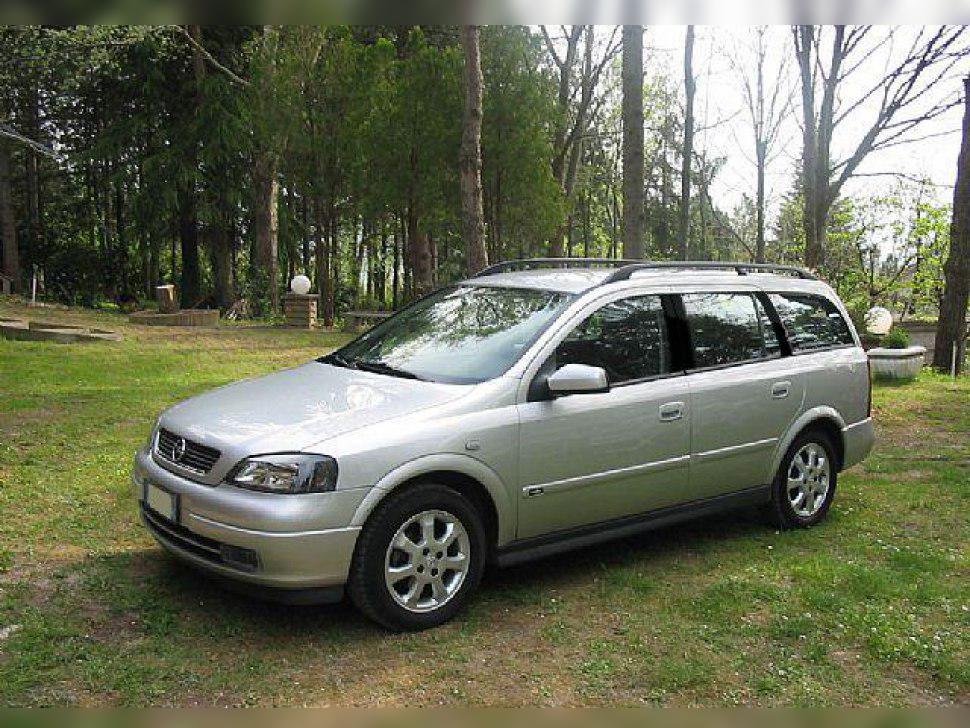
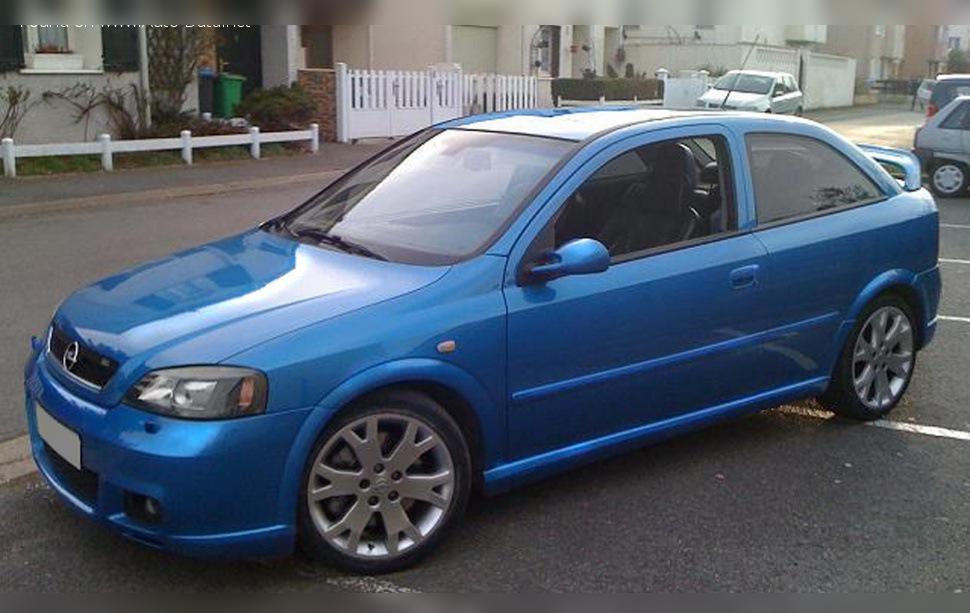
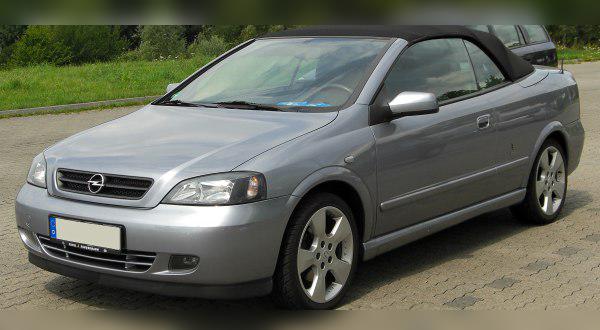
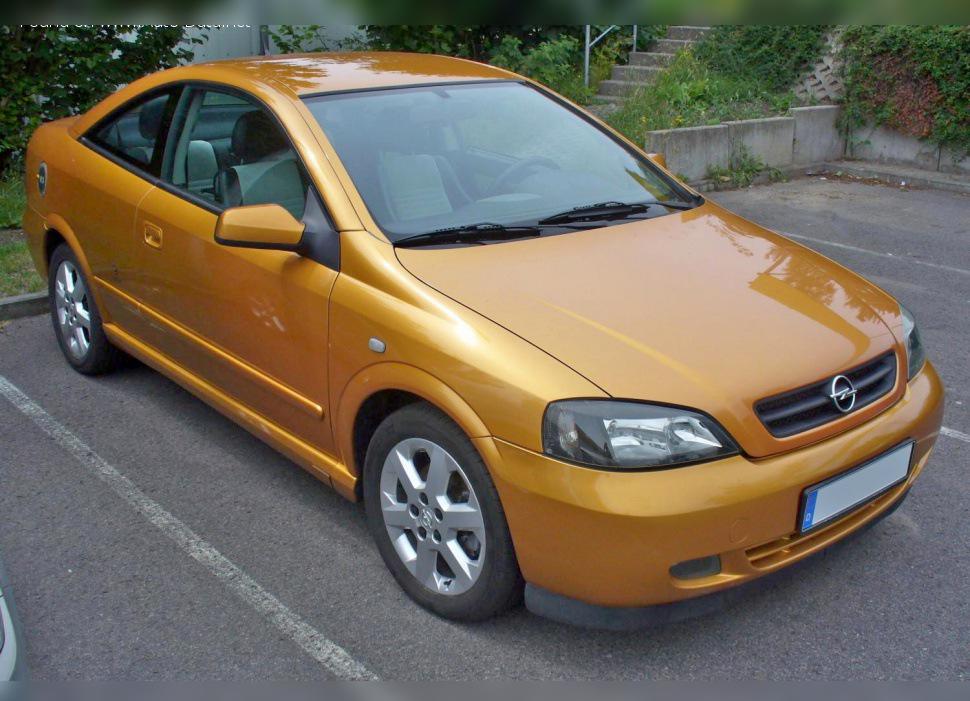
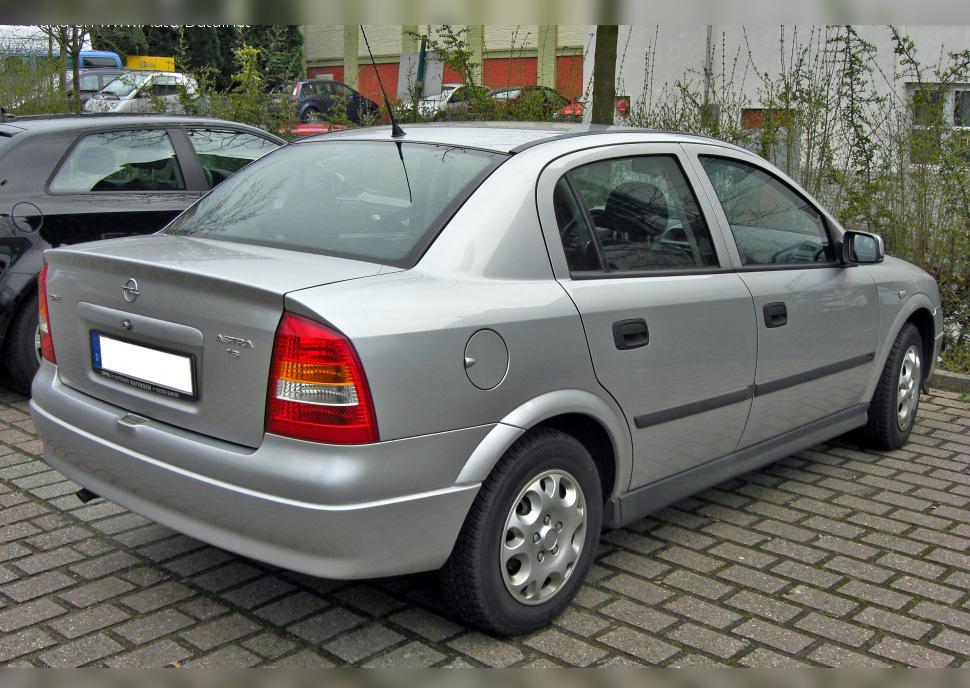
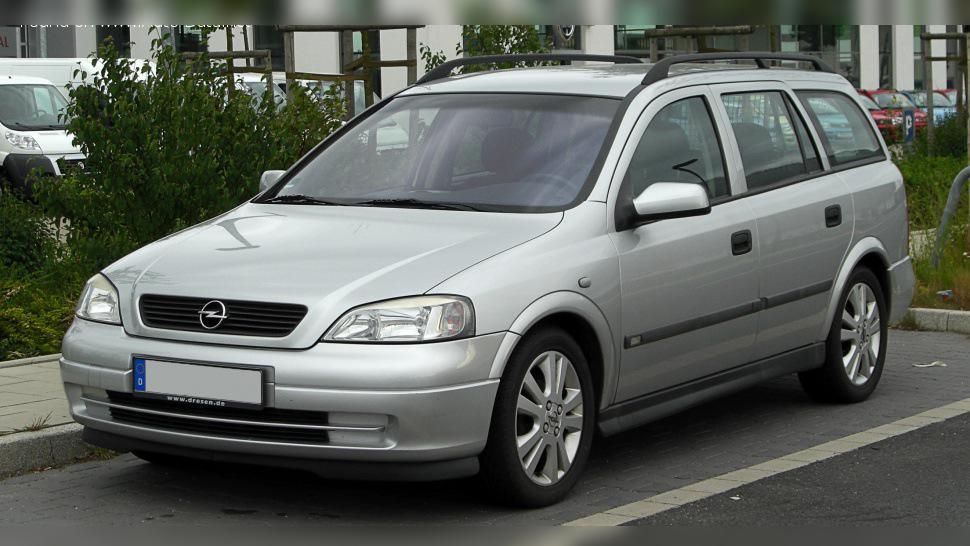
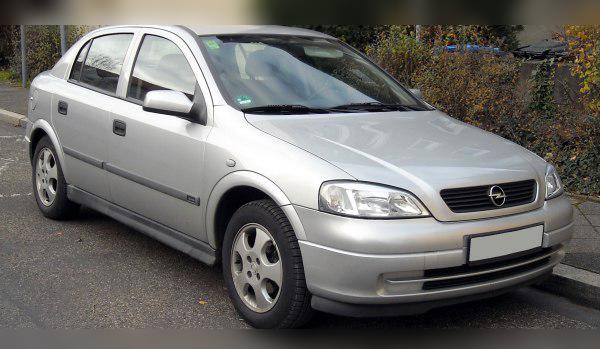
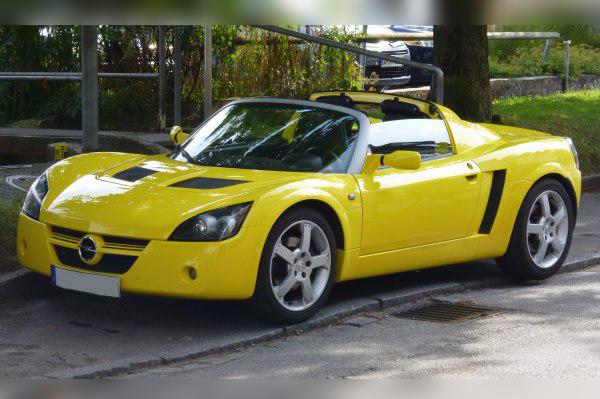
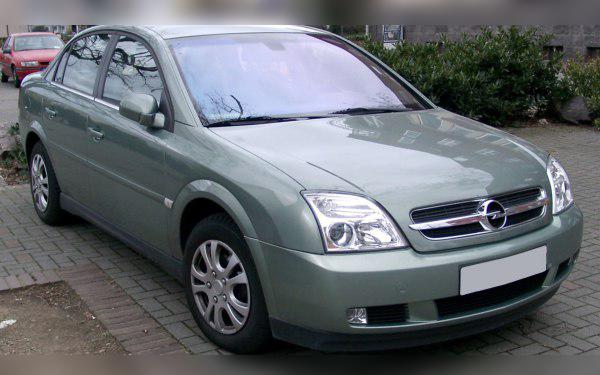
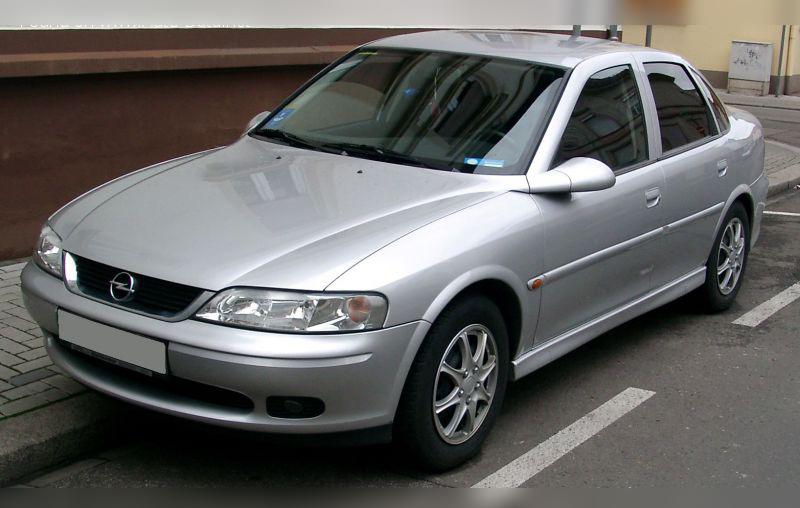
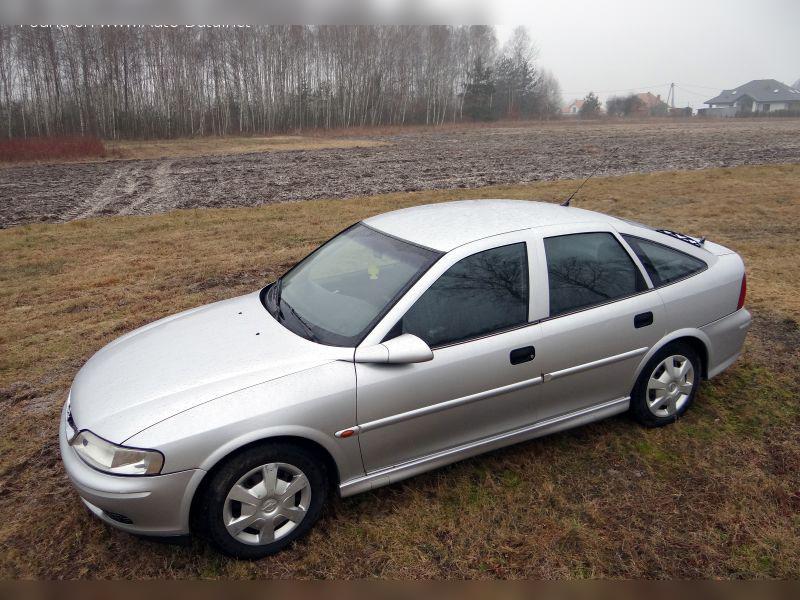
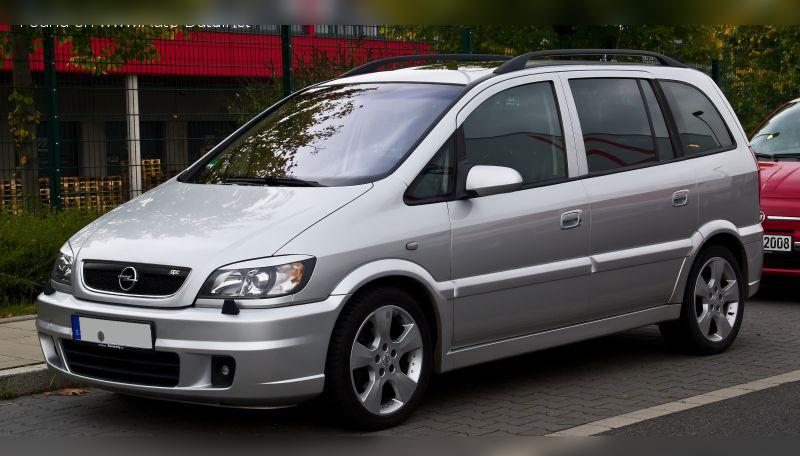
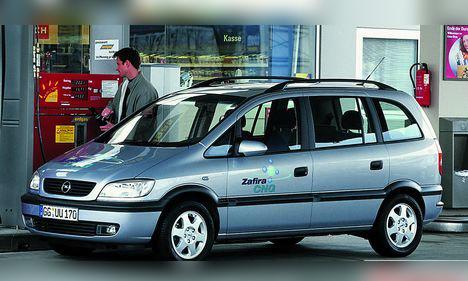
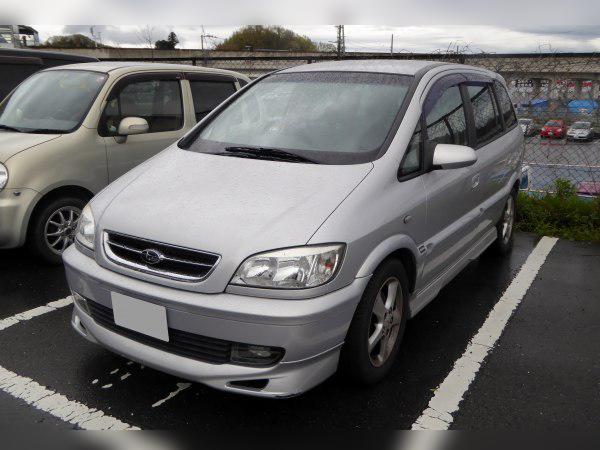
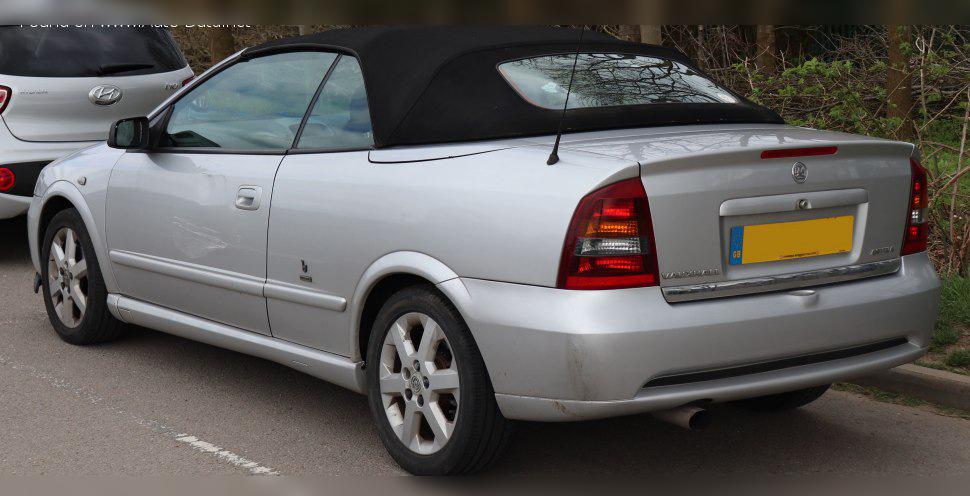
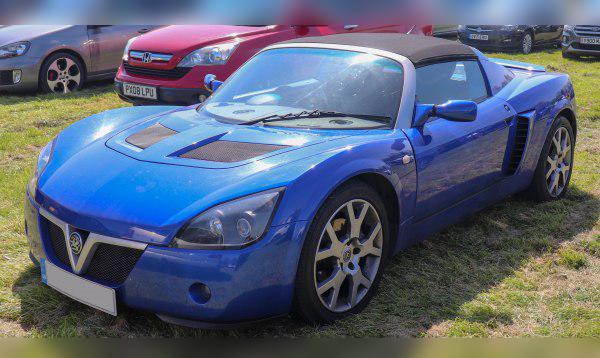
The engine designated Z22SE (GM Ecotec L850 family) is an all‑aluminium naturally aspirated petrol engine with a displacement of 2.2 litres. It was conceived as a global engine for mid‑size and larger vehicles and was installed in a wide range of cars from the late 1990s up to the mid‑2000s. You can find it in models such as the Astra G (including the beautiful Coupe and Cabrio), Vectra B and C, Zafira A, and even in the sporty two‑seater Opel Speedster and the exotic Subaru Traviq. Its main characteristic is its large displacement without the use of a turbocharger, which provides smooth operation, long block life and a very linear torque curve.
Technical specifications
| Engine displacement | 2198 cc |
| Power | 108 kW (147 hp) at 5800 rpm |
| Torque | 203 Nm at 4000 rpm |
| Engine code | Z22SE |
| Injection type | Indirect injection (MPI) |
| Turbo / NA | Naturally aspirated |
Reliability and maintenance
Does this engine have a timing belt or a chain and when is the major service due?
The Z22SE uses a timing chain. Although in theory a chain should last as long as the engine itself, in this case that is not how it works out in practice. The manufacturer did not specify a classic “major service” interval, but real‑world experience shows that the chain needs to be replaced at around 150,000 to 200,000 km. Symptoms of wear are metallic rattling and clattering noises from the front of the engine, especially on cold start.
Most common failures
The Achilles’ heel of this engine, especially in models produced before 2002, was the chain tensioner and the oil jet that lubricates it. Due to clogging or poor design, the tensioner loses oil pressure, the chain slackens, jumps a tooth and the result is total engine failure (pistons hitting valves). The manufacturer later released a revised chain kit. In addition, there are frequent issues with the EGR valve, which gets clogged with soot and causes jerking when you press the accelerator, as well as failures of the coil pack (cassette type), which manifests itself as the engine running on three cylinders and the “Check Engine” light coming on.
Oil and service intervals
The sump of this engine holds about 5.0 litres of oil. The recommended viscosity is 5W‑30 or 5W‑40, while strictly following the manufacturer’s specifications. Because the timing chain is sensitive to lubrication quality, it is recommended to change the oil at a maximum of every 10,000 km.
Oil consumption is another specific trait of the Z22SE. Over time, due to thermal stress, the piston rings lose their elasticity and the valve stem seals harden. As a result, the engine starts to consume oil. For a used example, up to 0.5 litres per 1000 km is considered normal. If the car emits bluish smoke on cold morning start‑up or when you suddenly lift off the throttle, oil consumption is already at a critical stage and a more serious mechanical intervention is needed (engine refresh).
Spark plugs
Since this is a petrol engine, spark plugs are usually replaced every 60,000 km. If the car runs on LPG, it is advisable to shorten this interval to 40,000 km in order to protect the coil pack, which is sensitive and expensive to replace.
Specific parts and costs
Dual‑mass flywheel
This is a naturally aspirated petrol engine and in most lighter bodies (Astra G, Vectra B) it uses a conventional (solid) flywheel. However, in some heavier models paired with certain manual gearboxes (e.g. Vectra C), the manufacturer sometimes fitted a dual‑mass flywheel to reduce vibrations. Even so, it rarely fails on this petrol engine compared to diesels. Whether your car has a dual‑mass flywheel depends on the market and equipment and needs to be checked via the VIN. If it has a solid flywheel, clutch replacement is not expensive (depends on the market).
Fuel injection system, turbo, DPF and AdBlue
The Z22SE uses conventional multi‑point indirect fuel injection (MPI) into the intake manifold. This system operates at low pressure and the injectors are extremely reliable, rarely needing anything more than occasional ultrasonic cleaning. In contrast, the newer Z22YH engine has direct injection and many issues. In this respect, the Z22SE is a joy to maintain.
The engine does not have a turbocharger. Also, as an older‑generation petrol engine, it does not have a DPF filter or an AdBlue system. These factors make basic maintenance extremely cheap, as there are no components that will cost thousands of euros to repair after 200,000 km.
An EGR valve is present and, as already mentioned, it very often gets dirty. Many owners resort to physically and electronically blanking it off, which is not in line with environmental standards but permanently solves the engine jerking issue.
Fuel consumption and performance
Real‑world consumption and driving behaviour
The Z22SE is not economical. Given its displacement, in city driving fuel consumption ranges from 10.5 to as much as 12.5 l/100 km, depending on vehicle weight (the Zafira and Vectra are heavier than the Astra). On the open road things are better, with consumption dropping to around 7.5 to 8 l/100 km.
Performance and cruising
The engine is by no means “sluggish”. With 203 Nm of torque available over a wide rev range, it pulls heavy bodies such as estates with ease. It delivers power linearly, without the “turbo lag” typical of modern turbo engines. On the motorway it is an excellent cruiser. At a speed of 130 km/h, in top gear (depending on whether it’s a 5‑speed manual or an automatic), the engine spins at a very comfortable 3200 to 3500 rpm. At that point it runs smoothly and more quietly than smaller engines that have to rev higher to maintain the same speed.
Additional options and modifications
LPG conversion
This engine is very suitable for LPG conversion because it uses MPI injection. Installing a sequential LPG system is straightforward and pays off quickly due to the somewhat higher fuel consumption. However, keep in mind that the valve seats on this generation of engines are more sensitive to the higher combustion temperatures of LPG. It is recommended to install a valve lubrication system (Flashlube) and to check it regularly. If the LPG system is properly calibrated, the engine will easily cover hundreds of thousands of kilometres without issues.
Remapping (Stage 1)
Since this is a naturally aspirated petrol engine without a turbo, a so‑called “Stage 1 remap” on the Z22SE is almost completely pointless. By changing the fuel and ignition maps you can gain at most 10 to 12 hp, which is barely noticeable in real driving. It is better to invest that money in regular maintenance or a new timing chain kit.
Gearboxes and drivetrain
Types of gearboxes and common issues
This engine was most commonly paired with a 5‑speed manual gearbox (the well‑known F23 gearbox) and an automatic gearbox (usually Aisin‑Warner designs such as the AF22 or AW55‑50, depending on the vehicle model).
The manual F23 gearbox is robust and durable. The gearbox itself rarely fails. However, a very common issue is the gear selector and linkage/cable system. Over time, the plastic bushings develop play, so the gear lever becomes imprecise and it becomes harder to engage first and second gear. The repair is simple and not expensive (depends on the market).
Automatic gearboxes are classic hydraulic torque‑converter units, very comfortable but dependent on proper servicing. The most common failures are related to the valve body and occur due to old, dirty oil. Symptoms include a harsh jolt when shifting from ‘P’ to ‘R’ or ‘D’, as well as shuddering when changing from second to third gear.
Gearbox maintenance
For manual gearboxes, the manufacturer declares the oil to be “lifetime”, which experienced mechanics ignore. It is recommended to change the oil in the manual gearbox every 80,000 to 100,000 km. For the automatic gearbox, regular servicing (oil and filter change) is absolutely essential every 60,000 km. If you are buying a used car with an automatic and there is no proof of oil changes, be very cautious.
Buying used and conclusion
What to check before buying?
When buying a car with the Z22SE engine, focus on three things:
- Engine noise on a completely cold start: Open the bonnet and ask the seller to start a car that has been standing overnight. Listen around the timing area (passenger side). If you hear a sharp metallic rattle (like marbles in a glass jar) that lasts for a few seconds or longer, the chain tensioner is bad and the chain is due for immediate replacement.
- Exhaust smoke colour: Let the engine warm up. Ask someone to suddenly rev it and then suddenly release the throttle. Watch the exhaust. Blue smoke means it is burning oil (rings or valve stem seals) – you are looking at a partial rebuild.
- Diagnostics: Clear all fault codes and take the car for a test drive. Pay attention to idle smoothness (if the revs are unstable, the EGR valve is usually clogged with soot).
Conclusion: Who is it for?
The Z22SE is a robust, old‑school engine. It is not for racers or those seeking brutal acceleration. It is perfect for drivers who want a comfortable, reliable, large‑displacement naturally aspirated engine without the risk of extremely expensive failures of high‑pressure injectors, dual‑mass flywheels (in most cases) and turbochargers. Although petrol consumption is higher, an LPG conversion solves that problem and makes running costs very reasonable. If you find an example with the chain replaced by the revised tensioner kit and without oil‑consumption issues, it will serve you excellently for hundreds of thousands of kilometres.