DA465Q 1.1i Experiences, Issues, Fuel Consumption and Buying Used
Key points in short (TL;DR)
- Simple construction: Technology based on older Suzuki solutions, which means cheap maintenance and good availability of basic parts.
- Performance: With 53 hp, this is a very slow car. Overtaking requires serious planning.
- Fuel consumption: Not as low as you’d expect from a 1.1 engine – because you have to “wring its neck” in the city, it can drink quite a bit.
- Gearbox (AMT): Avoid the automatic (robotized) gearbox in the Chery QQ/Sweet. Prone to actuator failures and jerky operation.
- Head gasket: The engine is sensitive to overheating; check the cooling system.
- Electronics: Sensors (such as the idle air control stepper motor) are a common weak point that causes unstable running.
- Ideal for: Strict city centers and beginner drivers who don’t go on the highway.
Contents
Introduction: About the DA465Q Engine
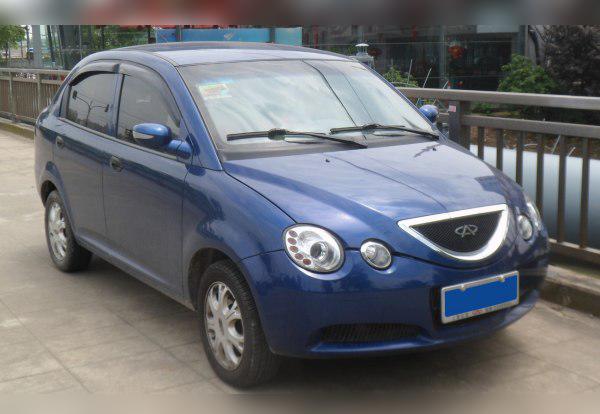
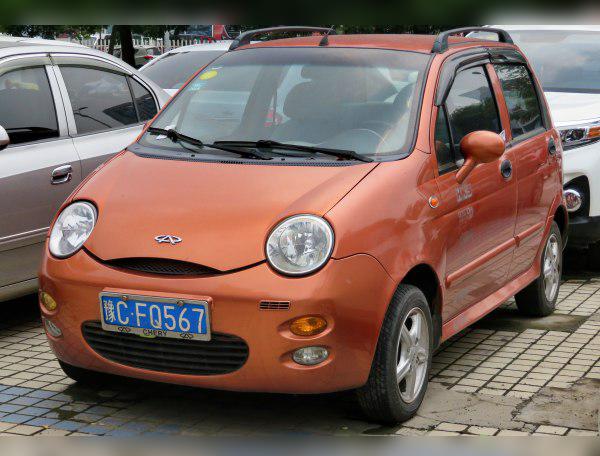
The engine designated as DA465Q is the heart of the entry-level models of Chinese manufacturer Chery, primarily the QQ (Sweet) and the unusually styled sedan QQ6. It is a power unit derived from older Japanese designs (Suzuki F series), adapted for mass production in China. This is a classic “old-school” petrol engine – simple, fundamentally robust, but sometimes imprecisely manufactured. Its main role is to move passengers from point A to point B at minimal cost, with no pretensions toward sporty driving or high comfort. It’s important to understand that this is an engine for the urban jungle, not for open-road cruising.
Technical Specifications
| Characteristic | Value |
|---|---|
| Displacement | 1051 cc (1.1 l) |
| Power | 38.5 - 39 kW (53 hp) @ 5200 rpm |
| Torque | 83 - 87 Nm @ 3000-3500 rpm |
| Engine code | DA465Q / DA465Q-1A2/D |
| Cylinder layout | Inline 4 cylinders |
| Injection type | MPI (Multipoint Injection) |
| Valves | 8 valves (SOHC) |
| Aspiration | Naturally aspirated |
Reliability and Maintenance
Timing belt or chain?
The DA465Q engine uses a timing belt to drive the valvetrain. This is important to know because, unlike a chain, a belt doesn’t give audible warning signs before it snaps. It’s recommended not to gamble with replacement intervals.
Major and minor service
A major service on this engine is recommended every 50,000 to 60,000 km, or every 4–5 years, whichever comes first. Due to the varying quality of aftermarket parts, many owners proactively replace it even at 40,000 km.
As for the oil, the sump holds a relatively small amount, usually around 3 to 3.5 liters (always check on the dipstick). The most commonly recommended grade is 10W-40 semi-synthetic, which is more than adequate for this engine design.
Most common failures and symptoms
- Overheating and head gasket: A small radiator and sometimes unreliable thermostats can lead to overheating. If that happens, the cylinder head gasket fails quickly. Symptoms include oil and coolant mixing (“mayonnaise” on the filler cap) or rock-hard coolant hoses.
- Idle air control stepper motor (IAC): A very common issue. Symptoms are unstable idle, stalling at traffic lights, or uncontrolled rev flare. Sometimes cleaning helps, but often it needs to be replaced.
- Sensors (MAP sensor, crankshaft sensor): Chinese electronics from that period can be temperamental, so “Check Engine” lights may come on without drastically affecting drivability, but with increased fuel consumption.
- Oil leaks: The crankshaft seals and valve cover gasket are typical spots where this engine likes to “mark its territory.”
Oil consumption and spark plugs
When in good condition, this engine shouldn’t consume a significant amount of oil. However, on older examples with worn valve stem seals, consumption of up to 0.3–0.5 liters per 1,000 km can be tolerated before opening the engine. Spark plugs are standard and cheap, and are replaced every 20,000 to 30,000 km (regular copper plugs).
Specific Parts (Costs)
Dual-mass flywheel and clutch
Good news: This engine DOES NOT have a dual-mass flywheel. It uses a classic solid flywheel which is practically lifetime. The clutch kit (pressure plate, disc, release bearing) is relatively inexpensive (falls into the “not expensive” category).
Fuel injection system and turbo
The engine is naturally aspirated, so there is no turbocharger, which eliminates one of the most expensive failures on modern cars. Injection is MPI (Multipoint). The injectors are robust and rarely fail unless extremely dirty fuel is used. If problems do occur, symptoms include uneven acceleration and jerking, and ultrasonic cleaning usually solves the issue.
DPF, EGR and emissions
Since it’s a petrol engine, it has no DPF filter and no AdBlue system. However, it does have an EGR valve (depending on Euro standard and market). The EGR can clog with soot (especially in city driving), which leads to engine choking. Cleaning is simple and cheap. The catalytic converter can be an issue on older models, showing up as loss of power and a “Check Engine” light.
Fuel Consumption and Performance
Real-world city consumption
Don’t be fooled by the small 1.1-liter displacement. To get the body moving (especially in the heavier QQ6), you have to press the accelerator deeper. Real-world city consumption is between 7 and 9 liters per 100 km. In winter and heavy traffic it can go up to 10 liters, which is a lot for such a small car, but it’s a consequence of old technology and low torque.
Is the engine “sluggish”?
Yes. With 53 hp and only 83 Nm of torque, the engine is adequate only for flat urban streets. Hills, air conditioning and a full load of passengers drastically “kill” performance. In the Chery QQ (Sweet) it’s just about acceptable, while in the heavier QQ6 this engine is right on the edge of usability. Acceleration to 100 km/h takes an “eternity” (around 18–20 seconds).
Behavior on the highway
The highway is not this engine’s natural habitat. At 130 km/h, the engine is spinning at very high revs (often over 4000–4500 rpm), cabin noise is high, and fuel consumption rises exponentially. Overtaking at speeds above 90 km/h requires a long straight and a lot of patience.
Additional Options and Modifications
LPG installation
The DA465Q is an excellent candidate for LPG conversion. Thanks to its simple MPI design and metal/aluminum intake manifold (on most models), it handles LPG well. A sequential system is recommended. Because petrol consumption is already relatively low, the investment only pays off if you cover higher mileages, and you should bear in mind that the LPG tank further reduces an already small boot.
Chipping (Stage 1)
Forget about chipping. On a naturally aspirated 1051 cc petrol engine, remapping the software brings virtually no gain (maybe 2–3 hp, which you won’t feel). It’s a waste of money.
Gearbox: Manual and Automatic (AMT)
Types of gearboxes
With this engine you get two options: 1. 5-speed manual gearbox. 2. AMT (Automated Manual Transmission) – a robotized gearbox, which is actually a manual gearbox operated by electro-hydraulic actuators.
Gearbox issues
- Manual gearbox: Generally the more reliable choice. Gear lever throws are often vague and long. The most common failures are related to the shift cables (difficult gear engagement) and the second-gear synchronizer, which can grind. An oil change in the gearbox is recommended every 60,000 km.
- Automatic (AMT) gearbox: A major source of problems. These gearboxes are known for slow and jerky shifting. Actuator (robot) failures are frequent and expensive to repair (depending on the market, parts can be hard to find). It often happens that the gearbox “gets stuck” in neutral or refuses to engage reverse. The gearbox electronics are also prone to glitches.
Clutch replacement costs
Both the manual and the AMT use a clutch kit. On the manual, replacement is straightforward and cheap. On the AMT, after clutch replacement, calibration with diagnostic equipment is required so that the robot “knows” where the clutch bites. If this is not done, the car will jerk.
Buying Used and Conclusion
When buying a car with the DA465Q engine, pay attention to the following:
- Cooling system: Open the oil cap and coolant reservoir. If you see an emulsion the color of milky coffee, walk away – the head gasket has failed.
- Idle quality: The engine must idle smoothly when warm. If revs fluctuate, you’re likely in for a game of chasing sensors or cleaning the throttle body.
- Gearbox: If you’re buying an automatic, it should start moving as soon as you release the brake (creep) and must not bang when changing gears. Still, the recommendation is to look for a manual.
- Corrosion: Although not part of the engine, the bodywork around the engine bay often rusts; check the strut towers.
Final verdict
The DA465Q engine is intended for drivers whose absolute priority is budget and who use the car exclusively for short city trips. Parts are cheap (components from older Suzukis or Daewoo models often fit with minor modifications), but the build quality means you should be prepared for small, annoying faults. If you’re looking for Japanese-level reliability – you won’t fully find it here, but for the money these cars cost, this engine offers fair value, provided you go for the manual gearbox.