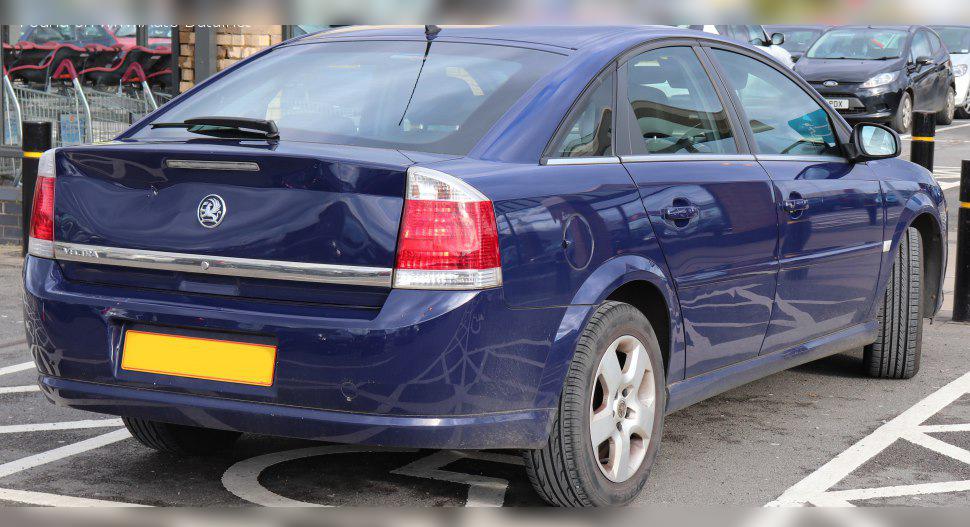
Opel 2.8 V6 Turbo (Z28NEL) 230 HP: Experiences, problems, fuel consumption and used-car buying tips
- Performance: Powerful, flexible and fast engine; with it, the Vectra and Signum become true cruisers.
- Timing drive: Uses a timing chain that is prone to stretching – this is the most expensive potential failure.
- Fuel consumption: Extremely thirsty in city driving (often over 14 l/100 km).
- Maintenance: Requires a deeper pocket; regular changes of high‑quality oil and spark plugs are an absolute must.
- Tuning potential: Excellent; this is a detuned version of the engine from the OPC models, so a Stage 1 remap brings serious results.
- Gearbox: The automatic (Aisin) requires regular oil changes, otherwise the valve body fails.
Contents
- Introduction: About the Z28NEL engine
- Technical specifications
- Reliability, failures and maintenance
- Specific components and fuel injection
- Fuel consumption and driving performance
- LPG and chiptuning
- Gearboxes and power transfer
- Buying used and conclusion
Introduction: About the Z28NEL engine
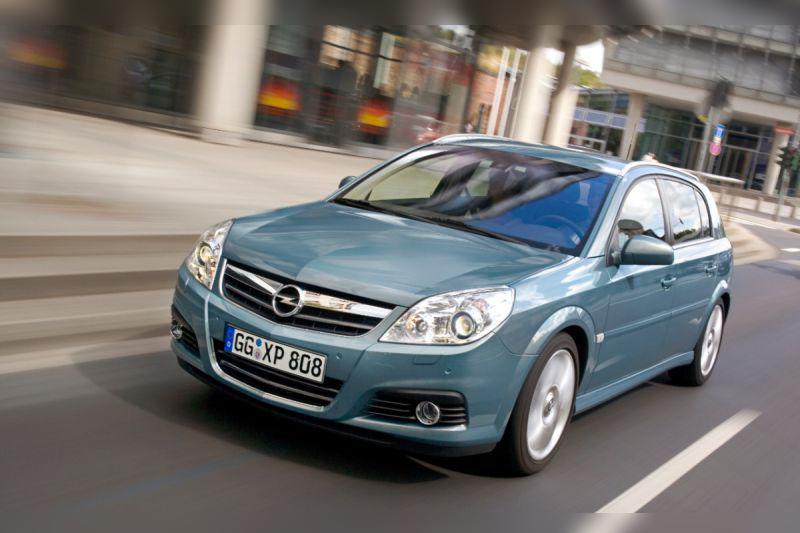
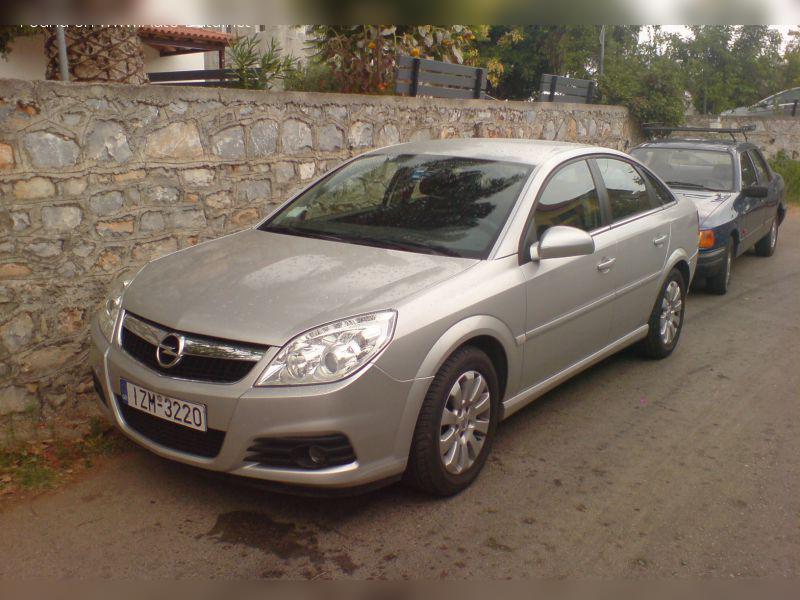
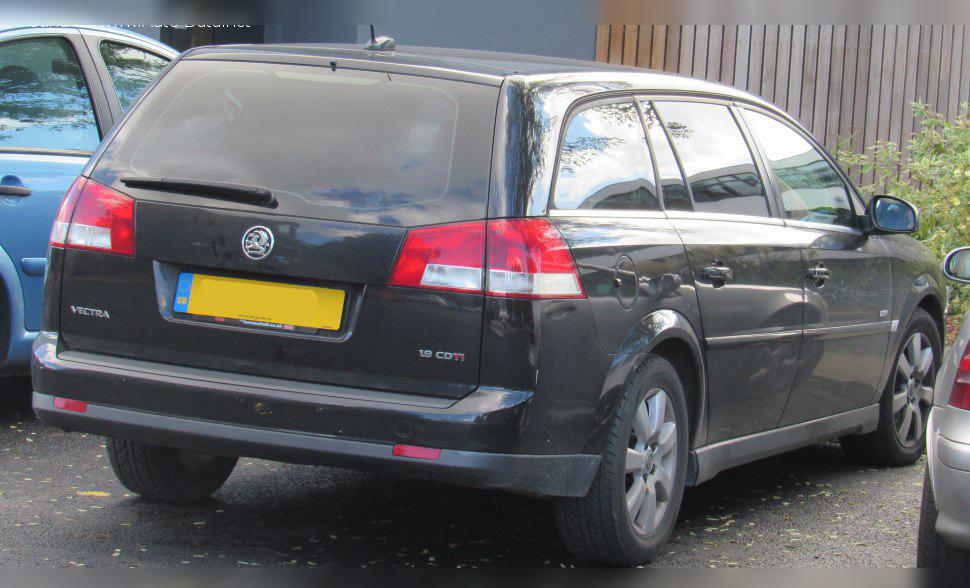
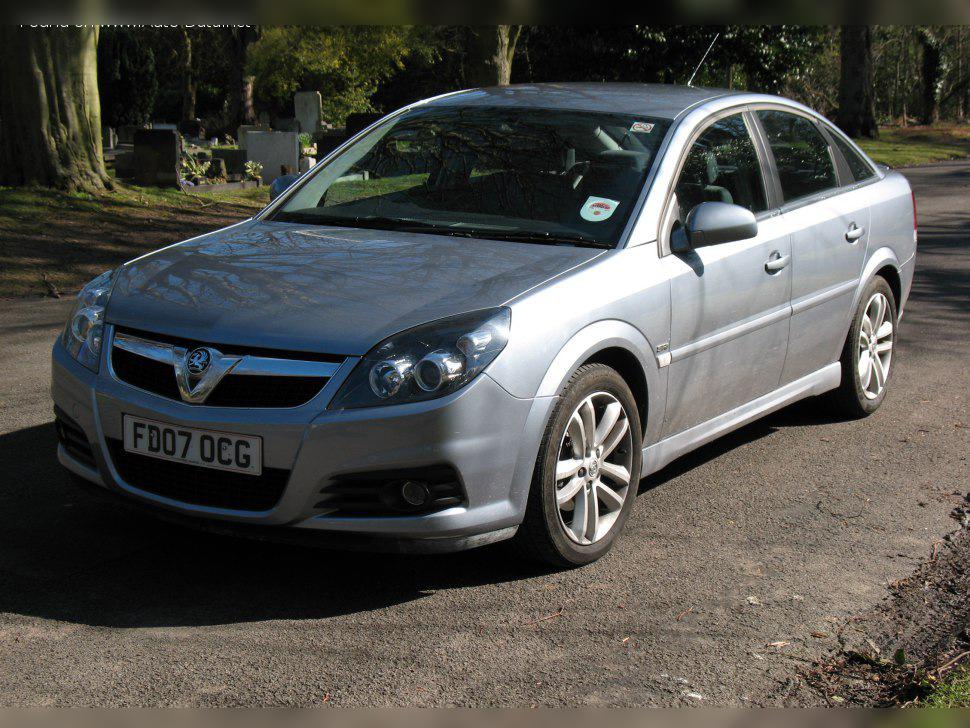
The engine designated as Z28NEL is General Motors’ 2.8‑liter V6 unit, developed in cooperation with Australian Holden (part of the well‑known High Feature V6 series). It was installed primarily in Opel (and Vauxhall) Vectra C and Signum models after the 2005 facelift. With its 169 kW (230 HP) and 330 Nm of torque, this is not a track racing engine, but a serious powerplant for comfortable, fast and effortless gobbling up of hundreds of highway kilometers. It is considered the tamer version of the beast used in the Vectra OPC models (code Z28NET).
Technical specifications
| Specification | Value |
|---|---|
| Engine code | Z28NEL |
| Displacement | 2792 cc |
| Power | 169 kW (230 HP) |
| Torque | 330 Nm |
| Injection type | Indirect injection (MPI) |
| Charging | Turbocharger (twin‑scroll), intercooler |
| Timing drive | Timing chain |
Reliability, failures and maintenance
The chain as the biggest weak point
This V6 engine uses a complex timing chain system to drive the camshafts (actually three chains with their respective tensioners and guides). Although in theory the chain should last as long as the engine itself, practice has shown otherwise. Chain stretch is the most common and most expensive problem with this engine. Symptoms include rattling on cold start (until the tensioners build up oil pressure), and at a later stage the “Check Engine” light coming on due to a synchronization error between the crankshaft and camshaft sensors. There is no strictly prescribed interval for a “major service” in the sense of chain replacement, but in practice it is done between 150,000 and 200,000 km. The cost of this job is very high (depends on the market), because it requires removing the engine or using special tools and many labor hours.
Oil and regular servicing
The Z28NEL takes about 6.0 liters of oil, and the recommended grade is 5W‑30 or 5W‑40 that meets the GM Dexos 2 standard. Due to the high temperatures generated by the turbocharged V6 architecture under the bonnet, oil quality degrades quickly. The service interval should by no means exceed 10,000 to a maximum of 15,000 km. Oil consumption between services is normal. The manufacturer tolerates up to 0.6 l/1000 km, but in reality a healthy engine will use about 0.2 to 0.3 liters per 1000 km. If it consumes more, the cause may be valve stem seals, piston rings or the turbocharger itself leaking oil into the intake.
Spark plugs and coils
Since this is a powerful petrol engine, a strong, clean spark is crucial. It is recommended to use only iridium or platinum spark plugs, which should be replaced every 60,000 km. Failures of the ignition coils (individual coils for each cylinder) are quite common, mainly due to the enormous heat in the V‑angle of the engine block. Symptoms are jerking under acceleration and loss of power (misfire).
Specific components and fuel injection
Injection system and emissions
The injection system is a classic Multi‑Point Injection (MPI), i.e. indirect petrol injection into the intake manifold. This is great news for reliability – the injectors are extremely robust, do not foul easily and very rarely fail. Since this is an older‑generation petrol engine, there is no DPF filter or AdBlue system, which saves you from the typical headaches of modern diesels. There is an EGR system, but it does not cause severe clogging issues like on diesel units; occasional cleaning is quite sufficient.
Turbocharger
The engine has a single turbocharger, but it uses twin‑scroll technology (most often a Mitsubishi TD04). Thanks to this design, the so‑called turbo lag is minimal, and the engine pulls linearly from low revs. The life span of the turbo largely depends on regular oil changes and driving style (cooling the turbo at idle after spirited driving is mandatory). On average, the turbocharger lasts around 200,000 km before it requires a rebuild due to shaft play and oil leaks. The cost of a rebuild ranges from moderate to high (depending on the market).
Fuel consumption and driving performance
This is definitely not an engine for drivers who count every cent at the fuel pump. The Vectra C and Signum are heavy cars (often over 1.6 tons with equipment and passengers), which, combined with the 2.8‑liter displacement and turbocharger, results in high fuel consumption. In city driving, real‑world consumption is between 14 and 16 l/100 km. If the car is equipped with an automatic gearbox, in rush‑hour traffic it can reach as much as 18 liters.
However, this engine is made for open roads. Thanks to the abundant torque (330 Nm) available from around 2000 rpm, the engine is absolutely not lazy. In‑gear acceleration is lightning fast, and overtaking is completely safe. On the motorway, at 130 km/h in sixth gear, the engine “cruises” at about 2,400 to 2,600 rpm (depending on the gearbox ratios). In such relaxed conditions, fuel consumption drops to a much more acceptable 8.5 to 9.5 l/100 km.
LPG and chiptuning
LPG conversion
Thanks to the MPI injection system, this engine is very suitable for LPG conversion. Still, the savings do not come without compromises. Due to the high power output and the presence of a turbocharger, it is necessary to install a top‑quality sequential system (e.g. BRC, Prins) with a powerful vaporizer and extremely fast gas injectors. Cheap systems will result in a lean mixture at full throttle, which raises combustion chamber temperatures and can lead to melted pistons or burnt valves. Installing a quality system is expensive (depends on the market).
Chiptuning (Stage 1)
The Z28NEL is a “detuned” version of the engine from the OPC series, which means it hides huge potential. The engine hardware can withstand significantly more power. With a simple software remap (Stage 1), power can be safely raised from 230 HP to around 265 to 280 HP, while torque jumps to over 400 Nm. The car then becomes a serious sports machine. Naturally, before any tuning, the chain, coils and turbocharger must be in perfect condition.
Gearboxes and power transfer
This engine came paired with two types of gearboxes:
- 6‑speed manual gearbox (F40): Considered virtually indestructible. The gearbox itself almost never causes problems, but it is fitted with a massive and expensive dual‑mass flywheel. With a powerful V6 engine, the flywheel is under heavy load. Symptoms of wear are vibrations at idle, clunks when starting/stopping the engine and a heavy clutch pedal. A clutch kit with dual‑mass flywheel is very expensive (depends on the market). It is recommended to change the gearbox oil every 100,000 km.
- 6‑speed automatic gearbox (Aisin AF40 / TF‑80SC): A conventional automatic with a torque converter. Very comfortable, but requires strict maintenance. Oil changes (Aisin AW‑1 specification) are mandatory every 60,000 km. The most common failure on this gearbox is valve body wear, which manifests itself as harsh jolts when shifting from P to D or R, as well as thumps when downshifting while the vehicle is coming to a stop. Valve body repair is an expensive procedure (depends on the market). The automatic does not have a classic dual‑mass flywheel like the one used with the manual gearbox.
Buying used and conclusion
What must be checked before buying?
When inspecting a car with the Z28NEL engine, forget about “cosmetics” and focus on the mechanics:
- Cold start: Ask the seller not to start the car before you arrive. At the first start, listen carefully to the right side of the engine. If you hear chain rattling that lasts a few seconds and then stops, it is time for a “major service”.
- Exhaust smoke: Bluish smoke when you press the throttle or when pulling away from a traffic light after a longer idle indicates worn valve stem seals or failing turbo seals.
- Test drive: With an automatic, be sure to warm the car up to operating temperature (gearbox problems usually show only when the oil is properly hot) and watch for any jerks when shifting gears. With a manual, floor the throttle in a higher gear from low revs – if you feel slipping or vibrations, the clutch and flywheel are at the end of their life.
- Diagnostics: Always hook up an OBD scanner to check the “misfire” counters (issues with coils/spark plugs) and any camshaft/crankshaft correlation errors (stretched chain).
Who is this engine for?
The Opel 2.8 V6 Turbo (Z28NEL) is not a car for someone looking for an economical means of commuting. It is a car for performance enthusiasts who appreciate brutal in‑gear acceleration, the quietness of a V6 on the motorway and a serious sleeper character (a car that looks ordinary but goes like a sports car). If you are prepared to pay more for fuel and maintenance (especially chain replacement and registration for a 2.8‑liter engine), this powerplant will reward you with a smile every time you press the accelerator a bit harder.