Engine Alpha II / G4ED (1.6 112 HP): Experiences, problems, fuel consumption and used-car buying tips
- Old-school mechanics: Simple naturally aspirated petrol engine without complicated systems.
- Low running costs: No dual-mass flywheel, no turbocharger, repairs are cheap (Depends on the market).
- Ideal for LPG: MPI injection makes it a perfect candidate for cheap driving.
- Weak point on the highway: Short gearbox ratios mean high revs and more noise at 130 km/h.
- Maintenance: The most important thing is regular replacement of the timing belt and spark plugs.
Contents
- Introduction: Get to know the G4ED engine
- Technical specifications
- Reliability and maintenance
- Specific parts (Costs)
- Fuel consumption and performance
- Additional options and modifications
- Gearbox and power delivery
- Buying used and conclusion
Introduction: Get to know the G4ED engine
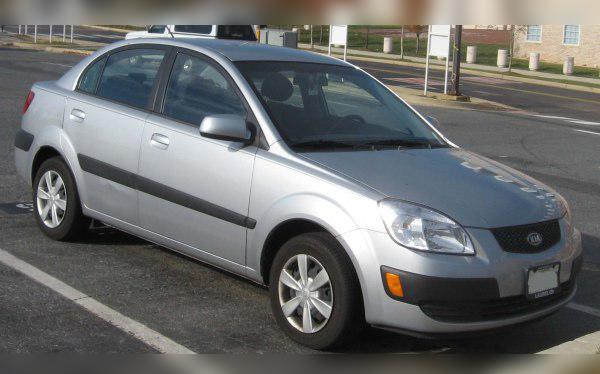
The engine with the code G4ED belongs to the well-known Alpha II generation of power units from the Hyundai-Kia group. It is a classic naturally aspirated 1.6-liter petrol engine with 16 valves (DOHC), delivering 82 kW (112 HP). This engine was the backbone of the powertrain range in C and B segment models in the mid-2000s, such as the Hyundai Accent, Hyundai Verna and Kia Rio II generation. What sets it apart is its brutal simplicity – this is the kind of engine built to last and not give mechanics too many headaches. If you’re looking for transport from point A to point B with minimal stress about expensive failures, you’re in the right place.
Technical specifications
| Specification | Data |
|---|---|
| Engine code | Alpha II / G4ED |
| Engine displacement | 1599 cc |
| Power | 82 kW (112 HP) |
| Torque | 146 Nm |
| Injection type | MPI (Multi-Point Injection) |
| Induction | Naturally aspirated |
Reliability and maintenance
Timing belt or chain?
This engine uses a timing belt. The timing system is classic, but doesn’t tolerate improvisation. Skipping or snapping of the belt inevitably leads to contact between pistons and valves (bent valves and potentially damaged crankshaft), which means a full engine rebuild. The major service (replacement of the timing belt, tensioner, idler pulleys and water pump) is mandatory every 60,000 km or at most every 5 years, whichever comes first.
Most common failures and symptoms
Generally speaking, the G4ED is extremely reliable, but it does suffer from a few “childhood diseases”:
- Ignition coils and spark plug wires: They often fail due to heat. Symptoms are jerking while driving, loss of power when you press the accelerator and an illuminated Check Engine light (misfire error).
- Dirty throttle body (idle control): Due to dirt from the intake, the car may start to fluctuate in revs at idle, or even stall at a traffic light when you press the clutch. Cleaning solves the problem and is very cheap (Depends on the market).
- Oil leak from the valve cover gasket: The rubber hardens over time, so oil runs down the engine block. The symptom is a burning smell in the cabin when oil drips onto the hot exhaust manifold.
Oil and oil consumption
The sump holds about 3.3 liters of oil. Fully synthetic oil of grade 5W-30 or 5W-40 is recommended, depending on the climate, while on high-mileage cars mechanics often use 10W-40 to reduce consumption. A healthy G4ED should not consume much oil. However, on cars that have covered more than 200,000 km, consumption of up to 0.3 to 0.5 liters per 1000 km appears due to hardened valve stem seals or worn oil control rings. If you see bluish smoke from the exhaust on cold start, the valve stem seals are due for replacement.
Spark plugs – key to smooth running
Since this is a petrol engine, spark plugs should be replaced every 30,000 to 40,000 km (if you use standard nickel plugs). If you ignore this interval, the gap increases, which puts excessive strain on the coils and leads to their premature failure.
Specific parts (Costs)
Dual-mass or solid flywheel?
Great news for your wallet – this engine does not have a dual-mass flywheel. It uses a classic solid flywheel, so the clutch kit (pressure plate, disc, release bearing) is easy to replace and that job is not expensive (Depends on the market).
Fuel injection system
The engine uses multi-point MPI injection into the intake manifold. The injectors are extremely simple and rarely cause problems. If clogging occurs, the cause is usually poor fuel quality, and ultrasonic cleaning solves the issue in 99% of cases, after which the engine runs smoothly again.
Turbo, DPF, EGR, AdBlue – are they present?
This is the essence of the low maintenance cost of this engine:
- No turbocharger. It’s a naturally aspirated engine, so there is no risk of an expensive turbo rebuild.
- No DPF filter. That’s reserved for newer diesels.
- No AdBlue. You don’t have to top up additives, nor do you risk a failure of the AdBlue pump or tank.
- The engine doesn’t have the typical problematic EGR valve found on modern diesels, but a PCV valve (positive crankcase ventilation) which can occasionally get dirty, yet is easy to clean or replace for very little money.
Fuel consumption and performance
City consumption
Let’s be honest – this is an old-design engine. Even though 1.6 is not a large displacement, in stop-and-go city traffic (especially with the A/C on), real-world consumption ranges from 8.5 to 10 l/100 km. On models with the ancient 4-speed automatic gearbox, that figure easily exceeds 11 l/100 km.
Is it “lazy” to drive?
For the bodies it’s installed in (Kia Rio, Hyundai Accent weighing around 1100–1200 kg), 112 HP and 146 Nm are perfectly adequate. The engine is not lazy at all. On the contrary, it is very lively in low and mid revs. It responds very promptly to the accelerator pedal (there is no “turbo lag” because there is no turbo), which makes it excellent for city driving and quick lane changes.
On the highway
This is where its biggest drawback shows. The gearbox has short ratios. At a cruising speed of 130 km/h, the engine with a manual gearbox in fifth gear spins at around 3800 to 4000 rpm. That means two things: pronounced noise in the cabin and increased fuel consumption on the open road (over 7.5 l/100 km). If you often drive long highway distances, you’ll need a bit of tolerance for noise.
Additional options and modifications
Is it suitable for LPG?
Absolutely yes! The G4ED is one of the best engines for installing a sequential LPG system. Thanks to the simple MPI injection, there is no need for expensive liquid injection. With a quality LPG kit you won’t feel any loss of power, and consumption will be the same or up to 1 liter higher than on petrol. The only note is more frequent inspection and replacement of spark plugs (the LPG mixture offers greater resistance to the spark).
Chip tuning (Stage 1)
Don’t waste your time or money. Since this is a naturally aspirated engine, the so-called “Stage 1” chip tuning will bring you almost nothing. You’ll gain at most 5 to 8 HP, which is absolutely unnoticeable in real driving. The stock 112 HP is the optimum for this hardware.
Gearbox: Manual and automatic
Types of gearboxes
With the G4ED engine, a classic 5-speed manual gearbox was fitted, as well as an old 4-speed automatic gearbox with a hydraulic torque converter.
Most common failures
- Manual gearbox: It is very reliable, but at higher mileage the reverse or first gear synchros wear out. Symptom: the gearbox grinds when you engage reverse or it’s hard to engage first gear while stationary. The shift cables can become stiff, so the gear lever may feel imprecise.
- Automatic gearbox: The gearbox itself is mechanically “indestructible”, but it is technologically very old and slow (lazy when changing gears). Failures most often occur due to dirty and old oil in the gearbox, which leads to blockages in the valve body. Symptoms: jerking when shifting from 1st to 2nd gear or delayed upshifts with excessively high engine revs.
Costs and servicing
As already mentioned, the manual gearbox uses a solid flywheel, so the clutch kit is very affordable – from 100 to 200 euros (Depends on the market). As for maintenance, the oil in the manual gearbox should be changed every 60,000 to 80,000 km, while for the automatic, replacement of ATF oil together with the filter is mandatory every 60,000 km to extend its service life.
Buying used and conclusion
What to check before buying?
During a test drive and inspection of a car with this engine, focus on the following:
- Cold start: The engine should start “on half a turn”. Listen for any ticking from the hydraulic lifters in the first few seconds. Slight ticking at the beginning is normal until the oil pump builds up pressure, but if they keep ticking even after a minute of running – the engine has been driven with old oil or is low on oil.
- Smooth running: Wait for the engine to reach operating temperature and feel the vibrations at idle. If it shakes or the rev counter fluctuates, you’re looking at checking the spark plugs, coils or cleaning the throttle body.
- Condition of suspension and body: Although the engine can easily cover 300,000 km without issues, the cars it’s installed in (Accent, Rio) often show signs of corrosion on the wheel arches, sills and suspension components, depending on the climate of the country they were imported from.
Conclusion
The G4ED (Alpha II 1.6 112 HP) is a hassle-free engine, perfect for drivers on a limited budget who don’t want unpleasant surprises in the form of expensive repairs that come with modern diesels and turbo petrol engines. Although it’s a bit noisy on the highway and likes to “drink” in the city, its tolerance for LPG systems makes it an excellent investment for economical everyday use and urban duties.