Hyundai 2.0 Beta (G4GF) 139 HP – Experiences, problems, fuel consumption and buying used
- Old-school engineering: A very reliable naturally aspirated petrol engine without complicated systems.
- Wallet-friendly (parts): No dual-mass flywheel, no turbocharger, maintenance is not expensive (Depends on the market).
- Gas station lover: City fuel consumption is high, often over 10 liters.
- Ideal for LPG: Handles LPG systems very well thanks to classic MPI injection.
- Transmissions: Manual gearboxes tend to suffer from worn synchros under spirited driving, while the old automatics are slow but indestructible.
- Checks before buying: Pay attention to oil consumption and leaks at the valve cover gasket.
Contents
- Introduction: About the engine and models
- Technical specifications
- Reliability and maintenance
- Specific parts and costs
- Fuel consumption and performance
- Additional options and modifications (LPG and remap)
- Gearbox and drivetrain
- Buying used and conclusion
Introduction: About the engine and models
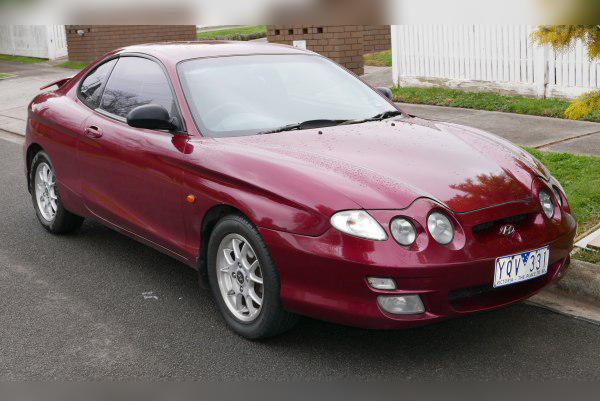
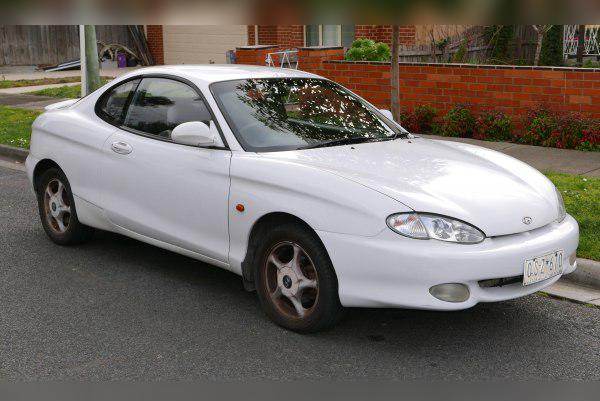
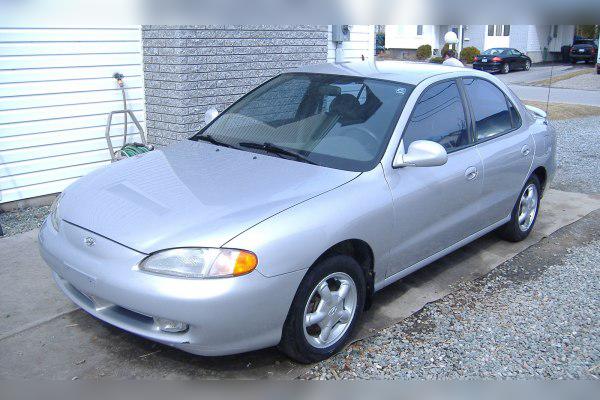
The engine designated as G4GF belongs to Hyundai’s well-known “Beta I” engine family. Designed in the late nineties, this 2.0-liter 16-valve petrol engine was the heart of many models that needed reliability with decent performance. You’ll most often find it in sportier models such as the Hyundai Coupe I (RD/RD2), Tiburon and Tuscani I, but also in the family-oriented Elantra II (sedan and wagon). This is a powerplant from a time when engines were built to last, without the strict emission standards that today choke performance and drain owners’ wallets.
Technical specifications
| Parameter | Data |
|---|---|
| Engine displacement | 1975 cc |
| Engine power | 102 kW (139 HP) |
| Torque | 182 Nm |
| Engine code | G4GF (Beta series) |
| Injection type | MPI (Multi-Point Injection) |
| Aspiration | Naturally aspirated |
Reliability and maintenance
This engine uses a timing belt to drive the camshafts. Because of that, regular major service is an absolute must. It is recommended to do the major service (replacement of belt, tensioner, idler pulleys and water pump) every 60,000 to 80,000 km or at most every 5 years, whichever comes first. A snapped belt on this engine will cause serious damage to the cylinder head, and repairs are very expensive (Depends on the market).
As for lubrication, the engine takes just over 4 liters of oil (usually around 4.3 l with the filter). The factory and real-world practice recommend 10W-40 or 5W-40 synthetic oil, depending on the climate you drive in. Considering we’re talking about engines that are now more than two decades old, oil consumption between services (done every 10,000 km) is completely normal. An amount of around 0.5 to 1 liter per 10,000 km is considered acceptable. If it consumes more than that, the problem usually lies in hardened valve stem seals or worn piston rings. Therefore, before buying, always check the oil level on the dipstick and whether the engine emits bluish smoke on cold start.
The most common failures on the G4GF engine are mostly peripheral. Owners regularly report oil leaks at the valve cover gasket, which is not expensive to fix. Failures of the spark plug wires and ignition coils also occur, which show up as jerking while driving and loss of power. Spark plugs should be replaced every 30,000 to 40,000 km if you use standard copper-nickel plugs, while iridium plugs can last well over 60,000 km.
Specific parts and costs
If you’re switching from a more modern car to this one, you’ll be delighted by the absence of expensive components. First of all, the engine does not have a dual-mass flywheel – it uses a classic solid flywheel. Because of this, clutch kit replacement is very affordable (Depends on the market) and doesn’t put much strain on your budget.
The fuel system is good old MPI (indirect injection into the intake manifold). The petrol injectors on these engines are incredibly robust. They very rarely fail, and even when they get dirty due to poor fuel quality, a routine ultrasonic cleaning is usually enough to restore them to factory condition.
As a classic naturally aspirated engine, it does not have a turbocharger, which means you avoid all the failures and worries related to turbo cooling and whining bearings. Since this is an older petrol engine, there is no DPF filter and no AdBlue system whatsoever. Some models, depending on the original market they were sold in (due to local emission standards), may have an EGR valve, but it rarely causes serious trouble and can be cleaned relatively easily.
Fuel consumption and performance
Here we come to the sore point of old 2.0 naturally aspirated engines – fuel consumption. In city driving conditions, real-world consumption is between 10 and 12 liters per 100 km, and with an automatic gearbox it can easily exceed 13 liters in heavy traffic. On open roads and highways, consumption drops to a decent 7 to 8 liters.
When it comes to performance, the 139 HP engine in the Elantra behaves quite respectably and you’ll hardly call it “sluggish”. It pulls the body with ease, even when the wagon is fully loaded. However, in the sporty Hyundai Coupe, although the car looks aggressive, 139 HP by today’s standards does not deliver impressive acceleration. The advantage is a solid torque figure of 182 Nm, available relatively low in the rev range, so the car doesn’t always have to be revved high to keep up with traffic.
On the motorway, the situation is such that the gearboxes are geared with somewhat shorter ratios. At a speed of 130 km/h in fifth gear (manual gearbox), the tachometer sits relatively high, around 3,500 to 3,800 rpm. Because of this, the engine becomes noisier in the cabin and fuel consumption noticeably increases.
Additional options and modifications (LPG and remap)
Good news for those who want to cut running costs: Beta engines are fantastic candidates for LPG conversion. The MPI system allows easy and inexpensive installation of a sequential LPG system. The valve seats are strong enough, so with a properly tuned LPG map you won’t have issues with burnt valves. Given the fuel consumption, investing in LPG pays off very quickly.
On the other hand, if you’re planning a “chip tune” (Stage 1 remap) – don’t bother. Since this is a naturally aspirated engine without a turbo, changing the fuel and ignition maps can give you only about 5 to 8 HP, which is absolutely imperceptible in real driving. Any money spent on software tuning of this engine is a wasted investment. Instead, put that money into a better exhaust system or higher-quality suspension components.
Gearbox and drivetrain
The G4GF engine was paired with a classic 5-speed manual or an old-school 4-speed automatic gearbox.
The manual gearbox is generally reliable, but suffers from one common issue (especially in Coupe models) – crunching synchros in second and third gear. Because of the car’s sporty looks, many previous owners shifted aggressively, which directly destroys the synchros. Clutch replacement is very cheap (Depends on the market) because there is no complicated dual-mass flywheel. The oil in the manual gearbox should definitely be changed every 60,000 to 80,000 km to extend the life of the transmission.
The automatic gearbox (4-speed) uses a classic torque converter. It is extremely durable, but completely “kills” the engine’s sporty character and significantly increases fuel consumption. If you’re buying an automatic, check whether the gearbox jerks when shifting from P to R or D. Servicing the automatic (draining the old oil, replacing the filter in the transmission pan and filling with new ATF) must be done strictly every 60,000 km. If this is followed, the gearbox will outlive the car’s bodywork.
Buying used and conclusion
When inspecting a used car with this engine, start it completely cold. Listen to how it runs – the hydraulic lifters can “tick” for a few seconds until oil pressure builds up, which is forgivable, but if they keep ticking once the engine is warm, prepare for repairs. Check the color of the coolant and pay attention to the radiator – the plastic end tanks become brittle over time and can crack, causing coolant leaks.
Hook the car up to diagnostics and check for error codes related to the crankshaft and camshaft sensors, as they can sometimes fail after many years of use.
Conclusion: The Hyundai 2.0 Beta (G4GF) is an old-school workhorse. Who is it for? For someone looking for a reliable and cheap car to maintain, who doesn’t mind slightly higher fuel consumption. It’s an excellent choice for a first sporty car (Coupe) that won’t bankrupt a young driver with expensive failures, or as a very dependable work wagon (Elantra), provided that a quality LPG system is installed.