1.6 CRDi Engine (D4FB) 110 HP – Experiences, Problems, Fuel Consumption and Used-Car Buying Tips
Key points (TL;DR)
- Reliable timing chain drive: No classic major service with a timing belt; the chain is durable and reliable.
- Injection system: Equipped with Bosch injectors that can handle high mileage and are not insanely expensive to refurbish.
- ECO systems (DPF and EGR): Sensitive to exclusively city driving where the engine doesn’t reach proper operating temperature, which leads to clogging.
- Gearboxes: Manual gearboxes are virtually indestructible, while the popular 7-speed DCT automatic requires strict maintenance and can be very expensive to repair.
- Fuel consumption: A very economical unit; in mixed driving it rarely exceeds 6 l/100 km.
- Recommendation: One of the most reliable diesel engines in its class, ideal for drivers who cover serious mileage.
Contents
- Introduction
- Technical specifications
- Reliability and maintenance
- Specific parts and costs
- Fuel consumption and performance
- Additional options and modifications
- Gearbox and drivetrain
- Buying used and conclusion
Introduction
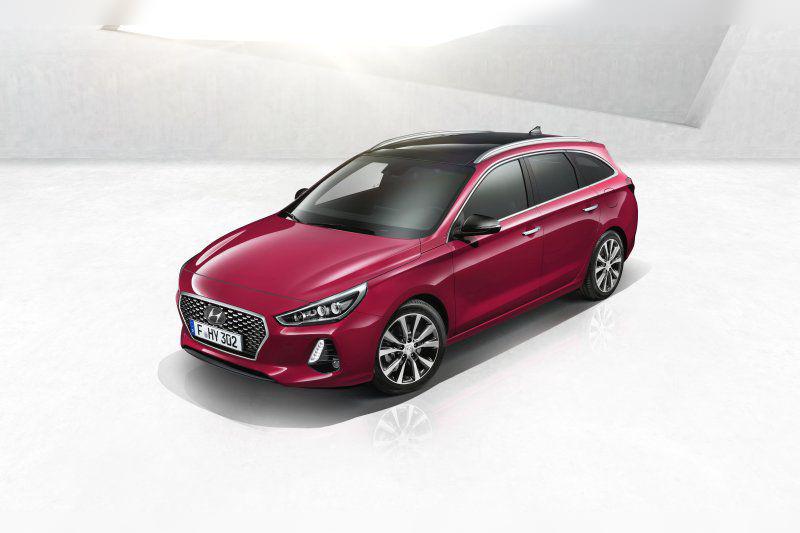
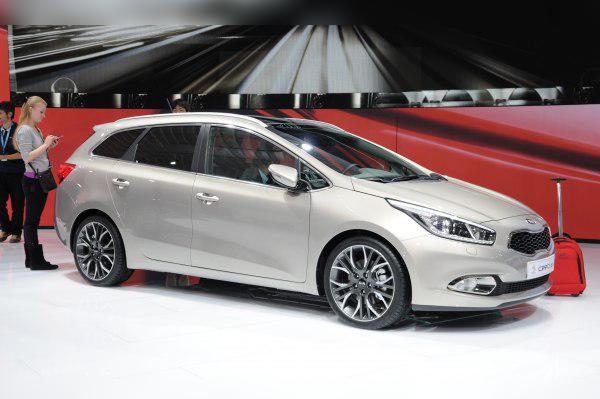
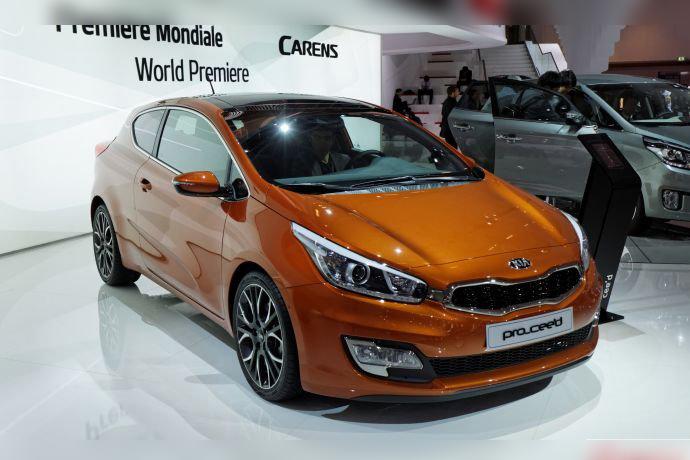
The Korean auto industry has been refining its powertrains for years, and the D4FB (1.6 CRDi) is the crown of that work in the compact segment. This 110 HP engine represents the “golden middle” in the Hyundai and Kia lineup. It was installed in a wide range of models, including all versions of the Hyundai i30 (hatchback, wagon, coupe), Kia Cee’d, Pro Cee’d, as well as crossovers like the Kia Stonic. Among mechanics and owners it is known as an exceptional workhorse, capable of swallowing hundreds of thousands of kilometers with regular maintenance, without a tendency toward major failures that plague some European rivals.
Technical specifications
| Parameter | Value |
|---|---|
| Engine code | D4FB |
| Displacement | 1582 cc |
| Power | 81 kW (110 HP) |
| Torque | 260 Nm |
| Injection type | Common Rail (Bosch) |
| Charging | Turbocharger (VGT), Intercooler |
| Fuel | Diesel |
Reliability and Maintenance
Does this engine have a timing belt or a chain?
This is one of the best pieces of news for future owners – the 1.6 CRDi (D4FB) engine uses a timing chain. The timing drive design is very robust, which means you won’t have frequent and expensive replacements like with engines that use a timing belt.
At what mileage is the major service done?
There is no classic “major service” with a fixed interval. The chain, tensioners and guides are replaced only when the chain starts to stretch and produces a recognizable “rattling” sound (usually on cold start). In practice, this typically happens at over 200,000 to 250,000 km. Replacing the chain is a moderate hit to the budget but, considering the mileage, it’s not dramatic (expensive – depends on the market).
What are the most common failures?
The unit itself has no factory defects that would cause the crankshaft to snap or the engine to lose compression. The main issues are related to emissions systems. Oil leaks from the valve cover and oil pan are quite common, which is more of a visual than a mechanical problem. Also, the fuel rail pressure sensor sometimes fails, resulting in jerking or stalling while driving.
Oil: Capacity and consumption
The system holds exactly 5.3 liters of oil. It is mandatory to use fully synthetic oil of 5W-30 grade that meets the ACEA C3 standard because of the DPF filter. This engine is not known as an “oil burner”. A loss of up to half a liter of oil per 10,000 km is considered completely normal. If you have to top up more than a liter between services, be sure to check the condition of the turbocharger and valve stem seals.
How long do the injectors last and how do they hold up?
The injection system is supplied by Bosch. These injectors have proven to be extremely durable, often surpassing 250,000 km before showing the first signs of wear. When they are worn, symptoms include harder cold starts, rough idle and black smoke when you press the accelerator. Refurbishment is always possible and (not expensive – depends on the market).
Specific Parts and Costs
Does the engine have a dual-mass flywheel?
Yes, the 110 HP version is equipped with a dual-mass flywheel, whether it is paired with a manual gearbox or a DCT dual-clutch automatic. Symptoms of wear include strong vibrations at idle, thumps when switching the engine off and a dull knock when releasing the clutch.
Turbocharger
The engine uses a single variable-geometry turbocharger (VGT). Its service life is generally over 200,000 km. To make it last longer, do not push the engine hard until the oil reaches operating temperature, and always let the car idle for about 30 seconds after aggressive highway driving before switching it off.
EGR valve and DPF filter
Like every modern diesel, the 1.6 CRDi is “choked” by emissions equipment. The EGR valve tends to accumulate soot and stick if the car is driven constantly in stop-and-go city traffic. The symptoms are loss of power (safe mode) and jerking. The DPF filter regenerates regularly while driving, but city use slowly and surely fills it with ash. If you notice the oil level rising on the dipstick (diesel entering the sump due to interrupted regenerations), urgently take the car on the highway or to a mechanic for a forced regeneration.
AdBlue system
Older versions (Euro 5 and early Euro 6) do not have an AdBlue system. However, newer versions of this engine, sold in the last years of production or in newer i30 models, are equipped with an SCR catalyst and an AdBlue tank. The system generally works without major issues, but the pump in the tank can fail and is usually replaced as a complete unit (very expensive – depends on the market).
Fuel Consumption and Performance
City fuel consumption
In heavy city traffic, the 110 HP D4FB consumes between 6.5 and 7.5 liters per 100 kilometers. If paired with an automatic gearbox, add about half a liter to that. This is an excellent result for a vehicle as heavy as the Hyundai i30 CW (wagon).
Is the engine “lazy”?
Despite body weight often exceeding 1.3 tons, the 260 Nm of torque, available from low revs (around 1500 rpm), make this car very flexible. It is not intended for drag racing from traffic lights, but for normal, safe overtaking on country roads it has more than enough power.
Highway driving
At 130 km/h in 6th gear, the engine cruises at around 2,300 to 2,500 rpm (depending on the specific model’s gear ratios). It behaves smoothly and quietly, while highway fuel consumption ranges from 5.5 to 6.0 l/100 km.
Additional Options and Modifications
Engine remap (Stage 1)
The D4FB engine also leaves the factory in more powerful versions (128 HP and 136 HP), which means the engine block itself is capable of more. With a standard map optimization (Stage 1), power can be safely raised from 110 HP to 135–140 HP, while torque goes to over 310 Nm. The car will become noticeably more responsive, but before the remap it is crucial to check the condition of the turbocharger and dual-mass flywheel, as they are the first to suffer from the increased torque.
Gearbox
This engine is most often paired with the proven 6-speed manual gearbox or the modern 7-speed DCT automatic gearbox with a dual clutch (commonly but incorrectly referred to as DSG by users, which is Volkswagen’s term, while Hyundai uses the DCT designation).
Gearbox failures and maintenance
The manual gearbox is mechanically excellent and rarely causes trouble. Replacing the clutch kit and dual-mass flywheel on the manual is a repair that is typically done once every 200,000 km (expensive – depends on the market).
On the other hand, the 7-DCT gearbox offers great comfort and fast gear changes, but requires rigorous maintenance. The most common DCT failures are rapid wear of the clutch packs (especially in city driving) and problems with the mechatronics (actuators that change gears). Symptoms include harsh shifts from 1st to 2nd gear, hesitation when setting off or jerking. Replacing the clutch on a DCT gearbox and repairing the actuators is (very expensive – depends on the market).
Service intervals: The oil in the manual gearbox should be changed every 80,000 km. For the DCT gearbox, an oil change is mandatory every 60,000 km, and this is a rule you must not compromise on.
Buying Used and Conclusion
When buying a used car with the 1.6 CRDi (110 HP) engine, pay the most attention to the following:
- Cold start: Ask the seller not to start the car before you arrive. At the first morning start, listen carefully to the right side of the engine. If you hear a loud metallic rattle lasting longer than 2–3 seconds, the chain is due for replacement.
- Diagnostics (OBD): Always check the DPF filter saturation level and see when the last regeneration was performed.
- DCT test drive: If you are buying an automatic, simulate heavy city driving. Drive slowly, stop-and-go uphill. Jerking under light throttle means the dual-clutch pack is near the end of its life.
- Checking for leaks: Inspect the oil pan joint and valve cover; oil often seeps at these points.
Conclusion
With the D4FB 1.6 CRDi 110 HP engine, Hyundai and Kia have done an excellent job. This is not an engine that will blow you away with performance, but it will save your nerves and your money. It is intended for drivers who cover more than 15,000 to 20,000 kilometers per year and need reliable transport on open roads and regular routes. If you find a well-maintained example with a clear service history, you can be confident you’ve bought a piece of excellent, long-lasting engineering.