Hyundai/Kia 1.6 CRDi (D4FB) 136 HP: Experiences, problems, fuel consumption and used-car buying tips
Most important in short (TL;DR)
- Timing chain drive: There is no conventional timing belt, which reduces regular maintenance costs, and the chain has proven to be extremely durable.
- Fuel consumption and performance: With 136 HP this is the optimal engine for the i30 and Cee'd, with real-world city fuel consumption of around 6.5–7.5 l/100 km.
- Injector and turbo reliability: The Bosch injection system and variable-geometry turbo (VGT) easily exceed 250,000 km without major issues with regular servicing.
- DPF and EGR: Sensitive to exclusively city driving. The EGR valve tends to clog with soot, which causes jerking.
- Gearboxes: The manual is “indestructible”, while the 7-speed DCT automatic offers comfort but requires expensive replacement of the dry clutches.
- Dual-mass flywheel: Present on both the manual and DCT gearboxes, replacement is costly but it usually lasts over 200,000 km.
Contents
- Introduction: Korean long-distance worker
- Technical specifications
- Reliability and maintenance
- Specific components (costs)
- Fuel consumption and performance
- Additional options and modifications
- Gearbox: Manual vs DCT automatic
- Buying used and conclusion
Introduction: Korean long-distance worker
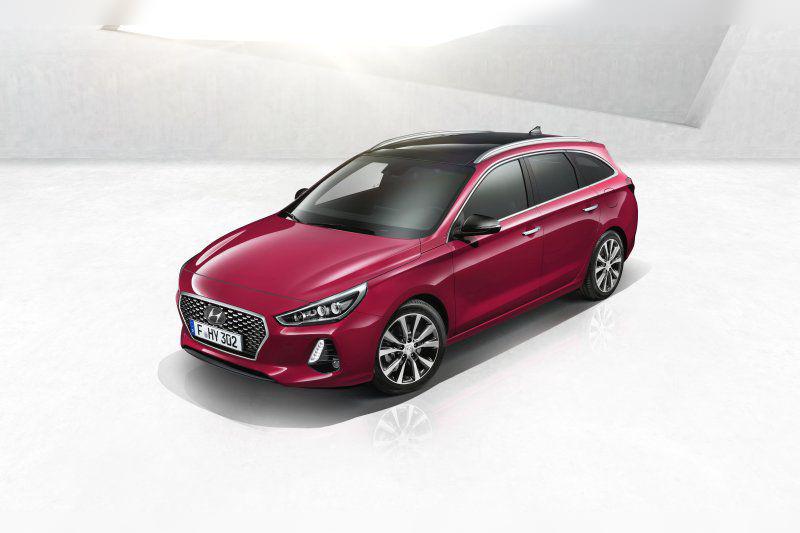
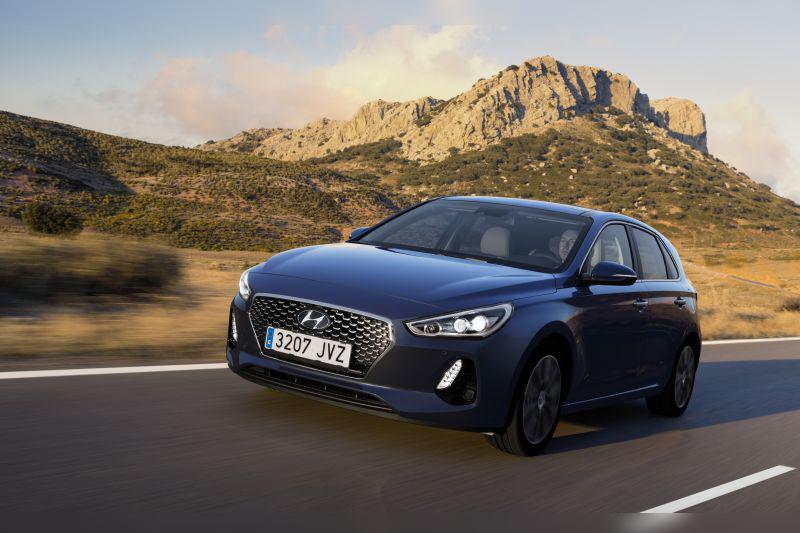
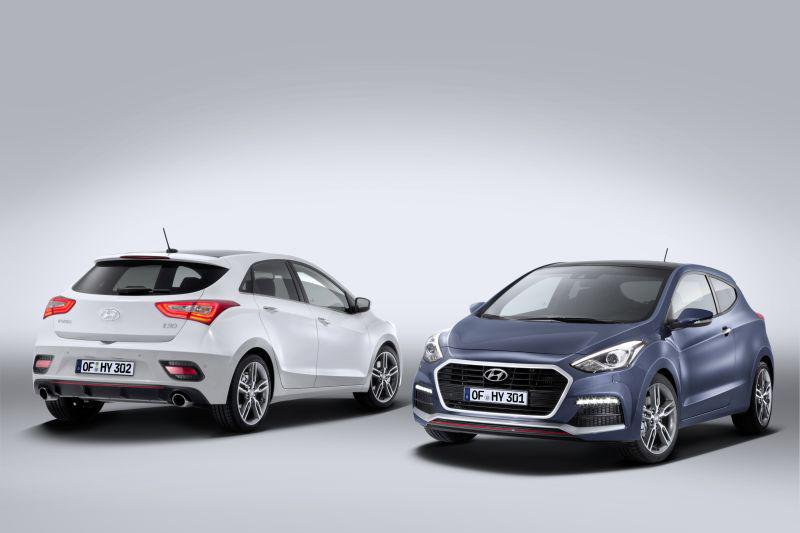
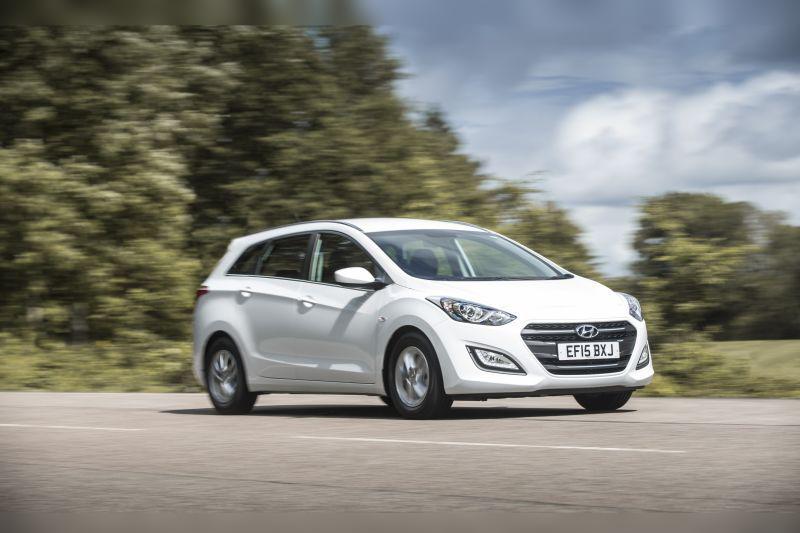
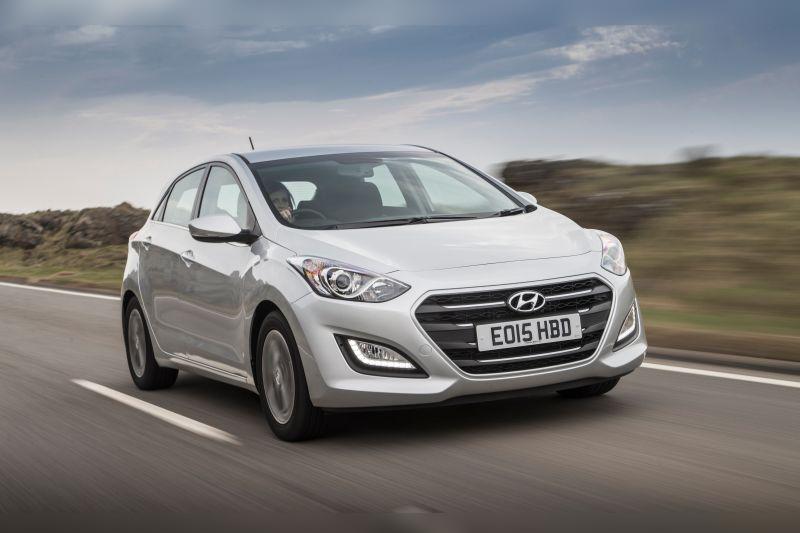
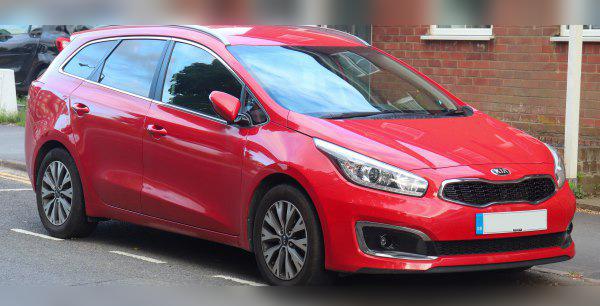
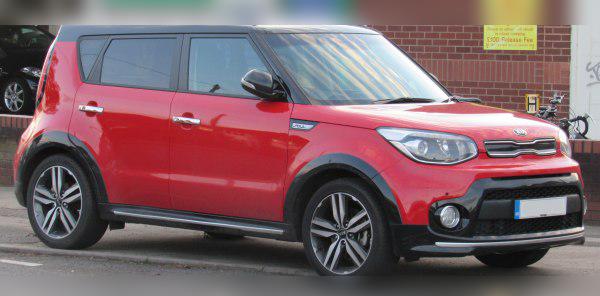
The engine with the code D4FB belongs to the well-known “U2” family of diesel units from the Hyundai-Kia group. The version with 100 kW (136 HP) was mostly introduced during the 2015 and 2016 facelifts in order to meet stricter Euro 6 standards. It was installed in very popular models such as the Hyundai i30 (second facelift and third generation), Kia Cee'd (second facelift generation) and Kia Soul. Whether fitted in the standard hatchback or CW (wagon) version, this engine was designed for the European market, where buyers demanded efficiency, durability and strong in-gear acceleration on motorways. Today it is one of the safest choices when buying a used car in its class, but like every modern diesel it carries certain risks if it has been driven mostly in the city.
Technical specifications
| Parameter | Specification |
|---|---|
| Displacement | 1582 cc |
| Power | 100 kW (136 HP) |
| Torque | 260 Nm (up to 280–300 Nm on DCT versions) |
| Engine code | D4FB (U2) |
| Injection type | Common Rail (Bosch) |
| Charging | Turbocharger (VGT), intercooler |
Reliability and maintenance
Timing system and servicing
Unlike many European rivals, the D4FB engine uses a chain rather than a timing belt to drive the camshafts. This is great news for owners because it means there is no conventional and expensive “major service” every 100,000 km. The chain is robust, rarely snaps and usually lasts over 250,000 km. Still, its condition must be monitored; if you hear metallic rattling or “clattering” on a cold start until oil pressure builds up, it is time to replace the chain kit with tensioners. Regular maintenance comes down to replacing the auxiliary belt, tensioner and water pump at around 90,000 to 120,000 km, which is quite cheap (depends on the market).
Oil and routine service
This unit takes 5.3 litres of engine oil. High-quality synthetic oil of grade 5W-30 is recommended, and it must meet ACEA C2 or C3 standards because of the DPF filter. The factory change interval of 30,000 km is overly optimistic; experienced mechanics strongly advise changing the oil every 10,000 to 15,000 km to protect the turbo and the chain. A healthy engine does not consume oil between services. A loss of a few hundred millilitres is acceptable, but if the engine uses more than half a litre per 1,000 km, this clearly indicates worn piston rings or damaged turbo bearings.
Most common failures
This is a mechanically very robust engine. The most common problems are not related to the “engine block” itself but to peripheral components. Soot often builds up in the EGR valve and intake manifold, causing rough idle, lack of power and jerking under light acceleration. Another known issue is clogging of the strainer in the fuel tank, which can cause the engine to stall while driving due to a drop in fuel pressure. The solution is simply to clean the tank. The glow plugs tend to seize in the cylinder head over time, so great care and special tools are required when replacing them on higher-mileage engines.
Specific components (costs)
Dual-mass flywheel and clutch
Like every modern high-power, high-torque turbo diesel, the D4FB uses a dual-mass flywheel, regardless of whether it is paired with a manual or automatic (DCT) gearbox. On the manual gearbox the flywheel easily goes beyond 200,000 km if the driver does not “lug” the engine at low revs. A clutch kit with a dual-mass flywheel is expensive (depends on the market), so when buying a car pay attention to vibrations in the clutch pedal and dull thuds when switching the engine off – these are the first signs of wear.
Injection system and injectors
The injection system is supplied by Bosch (Common Rail). The injectors are of very high quality and are not as problematic as on some older engine generations. Their expected lifespan is over 250,000 km, provided you refuel at reputable stations. Poor-quality fuel will quickly damage the precise injector tips, which shows up as black smoke from the exhaust, hard starting and increased fuel consumption.
Turbocharger
The engine uses a single variable-geometry turbocharger (VGT). The turbo’s lifespan depends entirely on regular oil changes. In practice, the turbo easily exceeds 200,000 km without overhaul. Symptoms of failure include loud whistling (siren-like noise), bluish smoke from the exhaust and a sudden loss of power (entering “limp mode”).
Emissions: DPF, EGR and AdBlue
This model is standardly equipped with a DPF filter and an EGR valve. The DPF rarely causes headaches if the car is regularly driven on open roads where exhaust gas temperatures reach around 600 °C, allowing passive regeneration. If you use the car only for short trips from traffic light to traffic light, the DPF will clog quickly. As for the AdBlue fluid, the situation depends on the production year: most 136 HP versions from 2015 and 2016 (Euro 6b) do not have AdBlue (they use the so-called LNT catalyst), which is a big advantage for owners because it saves money on costly SCR system failures. Only the very last engines from the end of this model’s production (Euro 6d-Temp) received AdBlue, and their tank pumps are prone to failure.
Fuel consumption and performance
On-road behaviour
With its 136 HP and 260 Nm of torque, the D4FB engine is definitely not “lazy”. In the hatchback and wagon bodies of the i30 and Cee'd it feels very agile. Maximum torque is available from just 1,500 rpm, which makes it pleasant to drive in the city because it does not require frequent gear changes. In the heavier and more “boxy” Kia Soul, aerodynamics take their toll, so on the motorway it feels slightly more sluggish and noisier compared to the i30.
Real-world consumption and motorway cruising
In city driving conditions, real fuel consumption ranges between 6.5 and 7.5 l/100 km, depending on traffic and driving style. On open roads it can drop below 4.5 litres. Once you get onto the motorway and shift into 6th gear (on the manual), at a speed of 130 km/h the engine cruises at a very relaxed 2,200 to 2,400 rpm. At this speed, consumption is around 5.5 to 6.0 l/100 km, and cabin noise is kept to a minimum.
Additional options and modifications
Remapping (Stage 1)
The Hyundai/Kia 1.6 CRDi with 136 HP has proven to be an excellent base for a so-called Stage 1 remap. Since the engine block and turbo are engineered with plenty of reserve, the engine can be safely tuned to around 160 to 165 HP with torque increased to about 320 to 340 Nm. One important note: if you have a model with the DCT automatic gearbox, you must be very careful when increasing torque because the dry clutches are designed to withstand a maximum of around 300 to 340 Nm, and aggressive maps can quickly burn out the clutch plates in the gearbox.
Gearbox: Manual vs DCT automatic
Options and characteristics
This engine was most commonly paired with an excellent 6-speed manual gearbox or an advanced 7-speed DCT (Dual Clutch Transmission) automatic with twin dry clutches.
Gearbox failures and maintenance
The manual gearbox is extremely precise and reliable. The most common issues are rare and boil down to slight wear of the first or second gear synchros on high-mileage cars. Although the manufacturer claims that the oil in the manual gearbox is “sealed for life”, good practice is to replace it every 60,000 to 80,000 km. The cost is negligible compared to the benefits.
The 7-speed DCT gearbox is a story of its own. It shifts quickly and smoothly, improving driving feel and reducing fuel consumption. However, since it uses dry clutches, they are sensitive to creeping in city traffic (stop-and-go driving). The clutches usually wear out between 120,000 and 150,000 km. Replacing the clutch kit and mechatronics on a DCT gearbox is very expensive (depends on the market). Symptoms of failure include shuddering when moving off, hesitant gear changes or metallic noises when shifting. Servicing the automatic gearbox and changing the gear oil is required every 60,000 km.
Buying used and conclusion
What you must check before buying
If you are buying a used Hyundai or Kia with the 136 HP D4FB engine, make sure to check the following:
- Cold start: Ask the seller not to start the car before you arrive. Listen carefully for chain rattle during the first two seconds of running.
- Condition of EGR and DPF: Always hook up a diagnostic tool and read the DPF saturation parameters (soot mass) and regeneration history.
- Exhaust gases: Blue smoke under revs points to turbo or piston ring problems, while black smoke suggests faulty injectors or a leak in the intercooler piping.
- Automatic test drive: If you are buying a DCT, find a long uphill section, stop and pull away gently. If the car “shudders” or jerks, the dry clutch set is due for replacement.
Final verdict
The Hyundai/Kia 1.6 CRDi with 136 HP (D4FB) is a fantastic engine for the average European driver. It offers an excellent compromise between maintenance costs, fuel consumption and performance. It is not a race car, but it is not an agricultural workhorse that will make your ears ring either. If you buy it with a manual gearbox, you get one of the most reliable family cars in its class. If you opt for the DCT automatic, set some money aside for a potential clutch replacement. It is ideal for those who drive more than 15,000 kilometres per year with frequent trips on open roads, while for exclusively city use you should still consider a petrol alternative because of the DPF.