Engine 1.7 CRDi (D4FD) 141 HP: Experiences, problems, fuel consumption and buying used
- Timing chain drive: The classic timing belt is eliminated, but the chain requires inspection at higher mileage.
- Decent power: With 141 HP and 340 Nm, it offers an excellent balance for family sedans and SUVs, although under full load it can feel slightly strained.
- DPF and EGR sensitivity: The engine does not cope well with exclusively city driving due to rapid soot buildup.
- Transmissions: Available with a 6-speed manual and a 7-speed DCT (dual-clutch transmission), which requires careful maintenance.
- Reliable Common Rail: The injection system is long-lasting, provided that quality fuel is used and the filter is changed regularly.
Contents
- Introduction: The Korean group’s workhorse
- Technical specifications
- Reliability and maintenance
- Specific parts and costs
- Fuel consumption and performance
- Additional options and modifications
- Transmission and drivetrain
- Buying used and conclusion
Introduction: The Korean group’s workhorse
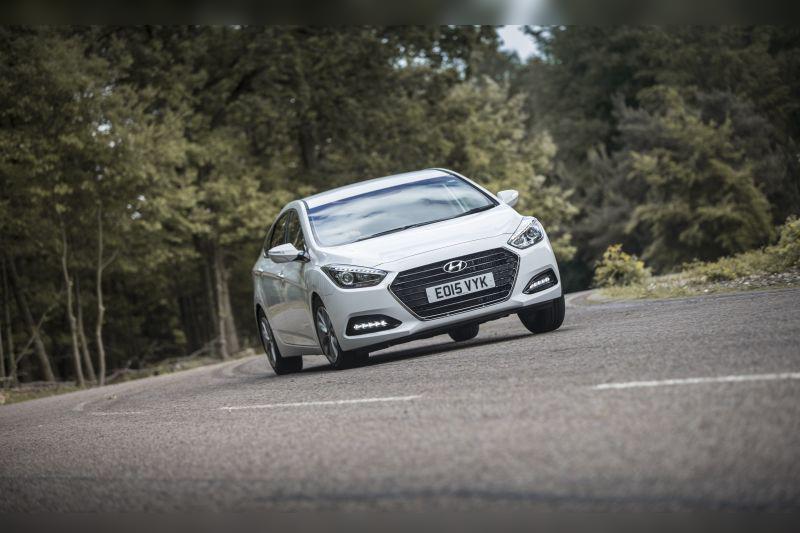
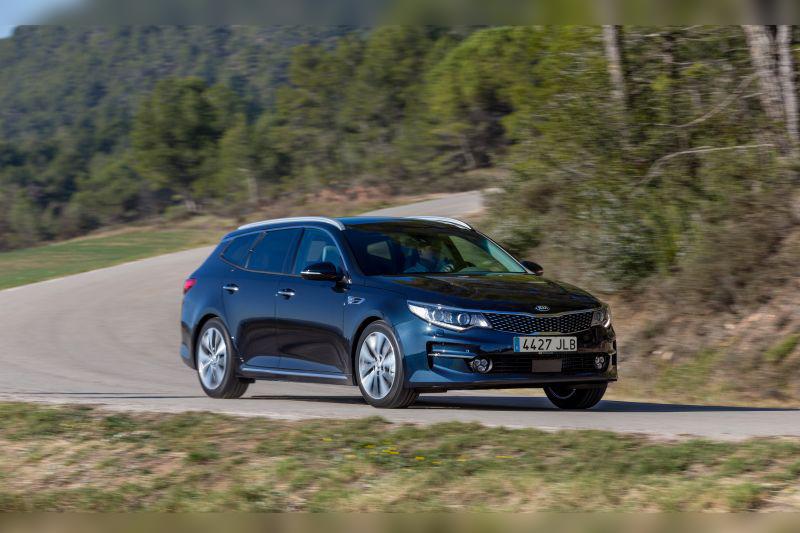
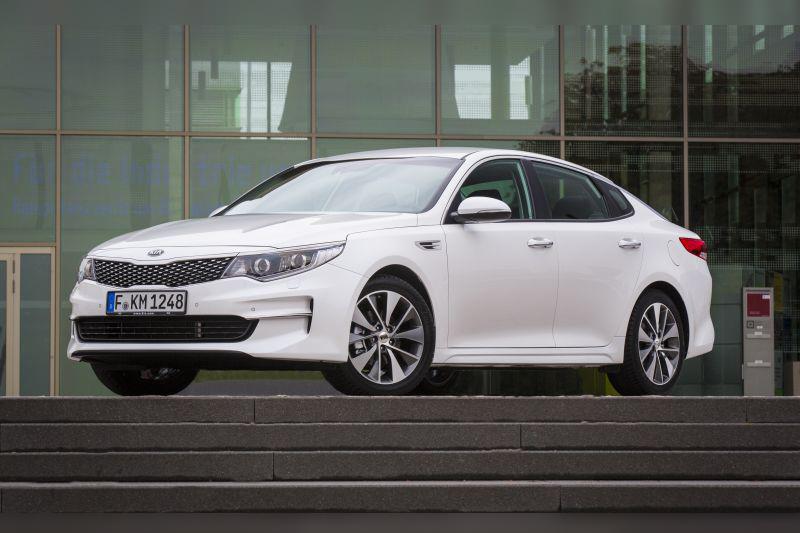
The 1.7 CRDi engine with the D4FD code is an upgraded version of the well-known Korean diesel. With the power raised to 104 kW (141 HP) in models from 2015 onwards, Hyundai and Kia positioned it as the ideal choice for heavier vehicles such as the Hyundai Tucson, i40, Kia Carens and Optima. This engine is designed to swallow miles on open roads and is an excellent choice for drivers who cover serious annual mileage. However, like every modern diesel, it has its weaknesses that surface due to inadequate maintenance or improper use.
Technical specifications
| Engine displacement | 1685 cc |
| Power | 104 kW (141 HP) |
| Torque | 340 Nm |
| Engine code | D4FD |
| Injection type | Common Rail direct injection |
| Charging type | Variable geometry turbocharger (VGT) + intercooler |
Reliability and maintenance
This unit uses a chain for the timing system, not a belt. That changes the maintenance philosophy from the outset. A classic major service in the sense of timing belt replacement does not exist, but at around 120,000 to 150,000 km it is recommended to inspect and replace the auxiliary drive (serpentine belt, tensioners, rollers and water pump). The chain is generally reliable, but around 200,000 km it may start to stretch. The first symptom the driver notices is a specific metallic rattle on cold start that lasts a few seconds until the tensioner gets oil pressure. If rattling is heard even at operating temperature, replacement of the chain set is urgent.
The oil sump of this engine holds about 5.3 liters of oil, and the recommended grade is 5W-30 with ACEA C3 specification, which is absolutely necessary because of the DPF filter. Normal oil consumption is considered to be around 0.5 liters between two services (every 10,000 to 15,000 km). If the engine consumes more than one liter of oil per 10,000 km, the problem usually lies in worn turbo seals, and less often in the piston rings themselves, since the bottom end of the engine (crankshaft, pistons) is very robust.
As for the injection system, the injectors in this Common Rail system are quite durable and rarely cause serious problems before 200,000 to 250,000 km. However, they are sensitive to the presence of water in the fuel. The first symptoms of worn injectors are uneven idle, increased black smoke under full throttle and more difficult morning starts. Injector repair costs vary depending on the fault, but complete overhaul and replacement of internals can range from moderately expensive to very expensive (depends on the market).
Specific parts and costs
Power transfer is unimaginable without a dual-mass flywheel, whether you drive a model with a manual or automatic transmission (the DCT also has its own specific version of the flywheel). When the dual-mass flywheel wears out, the driver will feel strong vibrations at idle, jerking when moving off from a standstill and a thud (dull sound) when switching the engine off. Replacing the clutch set and dual-mass flywheel for this engine falls into the “expensive” category (depends on the market).
The engine is equipped with a single variable geometry turbocharger (VGT). The turbo’s lifespan largely depends on regular oil changes. The most common problem is not mechanical failure of the turbo itself, but the “sticking” of the variable geometry vanes due to soot deposits. The symptom of this is an “overboost” error – the vehicle loses power and goes into limp mode (protective operating mode). Cleaning the geometry is not too expensive, but a full turbocharger overhaul is a costly item (depends on the market).
EGR valve and DPF filter are the usual culprits if you drive the car exclusively on short city trips. The EGR easily clogs, which leads to jerking at low revs and lack of power until it passes 2000 rpm. The DPF filter regenerates while driving, but if it does not get the chance to complete the process (engine too often switched off in city traffic), the oil level in the sump rises (due to unburnt diesel) and the Check Engine light comes on. As for the AdBlue system, most D4FD 141 HP Euro 6 variants rely on an LNT (Lean NOx Trap) catalyst without fluid, but this can depend on the exact production year and emission standard. Therefore, the data varies – it is necessary to check by VIN whether the specific vehicle has an SCR system and AdBlue tank.
Fuel consumption and performance
With its 340 Nm of torque, the D4FD carries D-segment bodies (i40, Optima) very well. It is not “lazy” at all in everyday driving, but expectations should be realistic – in heavier vehicles such as the Hyundai Tucson or Kia Carens loaded with luggage, you cannot expect sporty acceleration on uphill sections; it does run out of breath there compared to the more powerful 2.0 CRDi engine.
Real-world fuel consumption is sensitive to the type of vehicle. In sedans, city consumption is around 7 to 7.5 l/100 km, while in the Tucson it can easily exceed 8.5 l/100 km in stop-and-go conditions. On the motorway, this engine is in its element. At 130 km/h it cruises quietly, holding about 2200 to 2400 rpm in sixth or seventh gear. On open roads, consumption drops to an excellent 5.5 to 6 liters.
Additional options and modifications
Owners of these vehicles often consider remapping the ECU (chiptuning). This engine can be tuned to a so-called Stage 1 very safely. With software modifications, power is usually raised from 141 HP to a safe 165 to 170 HP, and torque goes close to 400 Nm. Such an intervention gives the engine noticeably more punch when overtaking, without overloading the gearbox, provided you do not lug it at very low revs. An important warning: before chiptuning, always check the condition of the DPF and turbo, because increasing power also means higher pressures, which will quickly finish off already weakened components.
Transmission and drivetrain
The 1.7 CRDi 141 HP comes with two transmission options: a 6-speed manual and a 7-speed automatic DCT (Dual Clutch Transmission).
The manual gearbox is extremely reliable and rarely suffers mechanical failures. As a preventive measure, the oil in it should be changed every 60,000 to 80,000 km, even though manufacturers often do not list this in the official service booklet. The main expense here remains the clutch and dual-mass flywheel, whose lifespan depends solely on driving style (on average they last from 150,000 to 200,000 km).
The 7-speed DCT offers great comfort, but also carries risk. The most common failures are related to the dry clutch set and the mechatronics unit. If during a test drive you notice that the gearbox jerks when moving off uphill, hesitates when shifting from second to third gear, or shifts harshly, be prepared for a very expensive repair (depends on the market). For dual-clutch automatic transmissions, regular servicing – changing the oil and filter in the gearbox strictly every 60,000 km – is a matter of life and death for the unit itself.
Buying used and conclusion
When buying a used car with the D4FD engine, diagnostics is your best friend. What exactly should you check?
- Chain rattle when cold: Insist that the car is not started before you arrive and listen to the engine during the first few seconds.
- DPF filter condition: Use diagnostics to check the remaining ash capacity and when the last regeneration was performed.
- Injector corrections: Pay attention to injector parameters at idle and at 2000 rpm.
- Dual-mass flywheel noise: Starting and stopping the engine with the clutch pedal pressed and released will reveal the condition of this component.
Final conclusion: The 1.7 CRDi 141 HP engine is an excellent, reliable workhorse intended for drivers who spend most of their time on main roads and motorways. It is an ideal fit for family drivers and business users in the D segment (Optima, i40), where it offers outstanding long-distance comfort with reasonable fuel consumption. However, if you are looking for a car exclusively for commuting through dense city centers, you should rather consider a petrol engine, because DPF and EGR issues with this diesel will cost you both nerves and money.