D4FE 1.6 CRDi Engine (136 HP): Experiences, Issues, Fuel Consumption and Used Car Buying Guide
- Key points in short (TL;DR):
- The D4FE engine (Smartstream generation) uses a timing belt, unlike older generations that had a chain.
- Extremely low fuel consumption, ideal for highway driving and long trips.
- The notorious 7DCT gearbox (with dry clutches) must be checked; it can jerk when setting off if the car was driven mostly in the city.
- Equipped with AdBlue system, DPF filter and EGR valve – strictly avoid exclusively city driving because it chokes the engine.
- A dual-mass flywheel is present on both manual and automatic gearboxes; replacement is not cheap.
- Often comes in a 48V Mild-Hybrid variant which reduces turbo lag, but adds electronic components that require maintenance.
Contents
- Introduction: Meet the D4FE Smartstream engine
- Technical specifications
- Reliability and Maintenance
- Specific Components and Failures
- Fuel Consumption and Performance
- Additional Options and Modifications
- Transmissions: Manual vs Automatic (DCT)
- Buying Used and Conclusion
Introduction: Meet the D4FE Smartstream engine
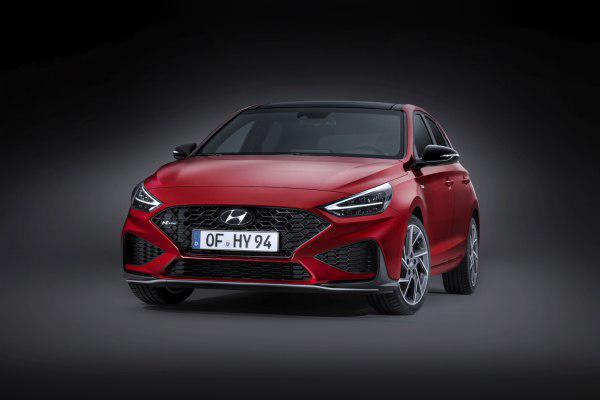
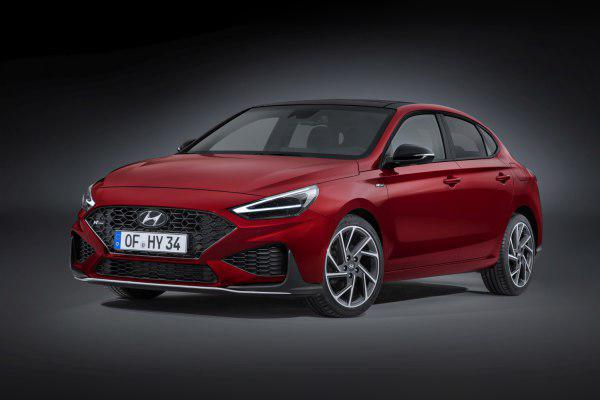
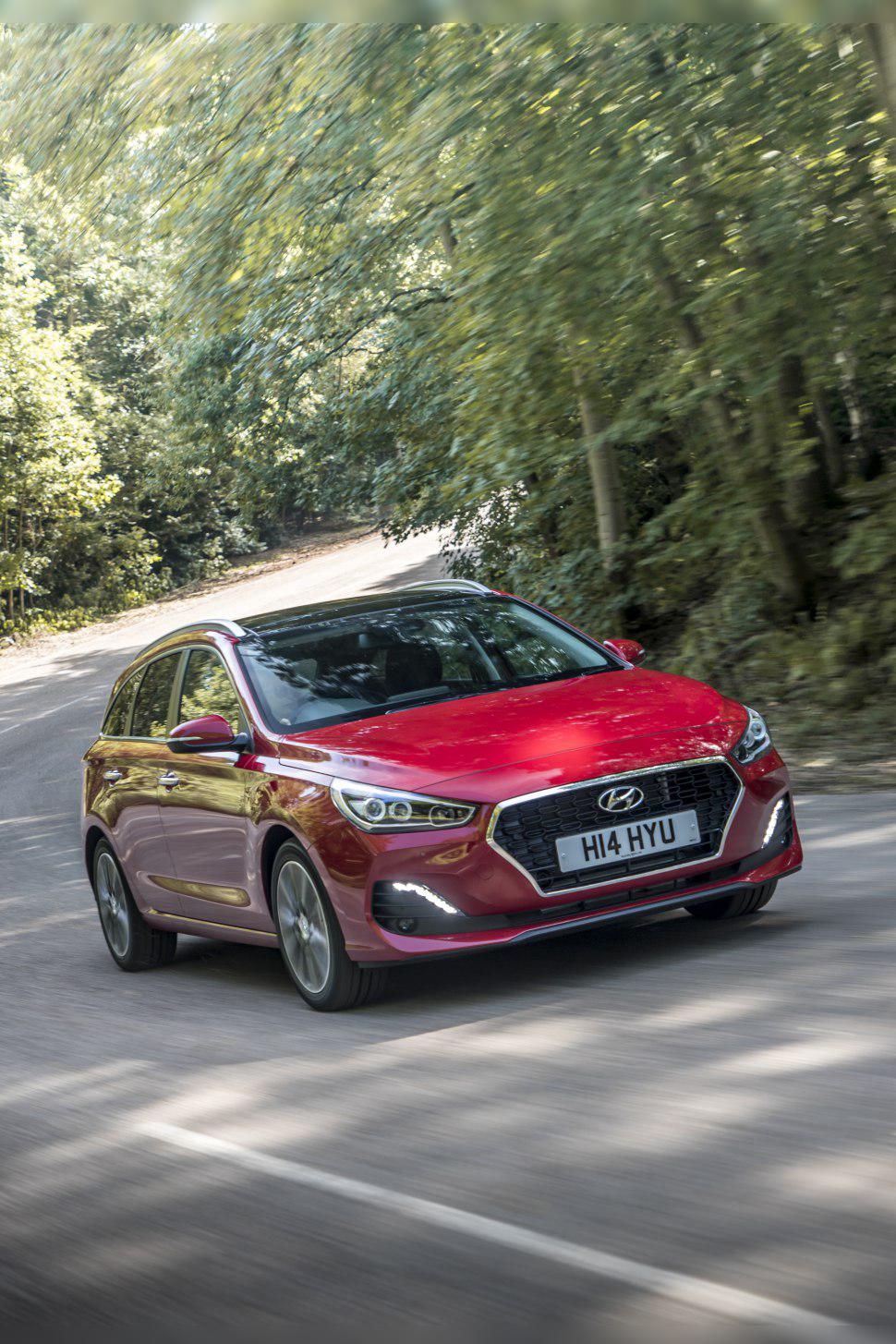
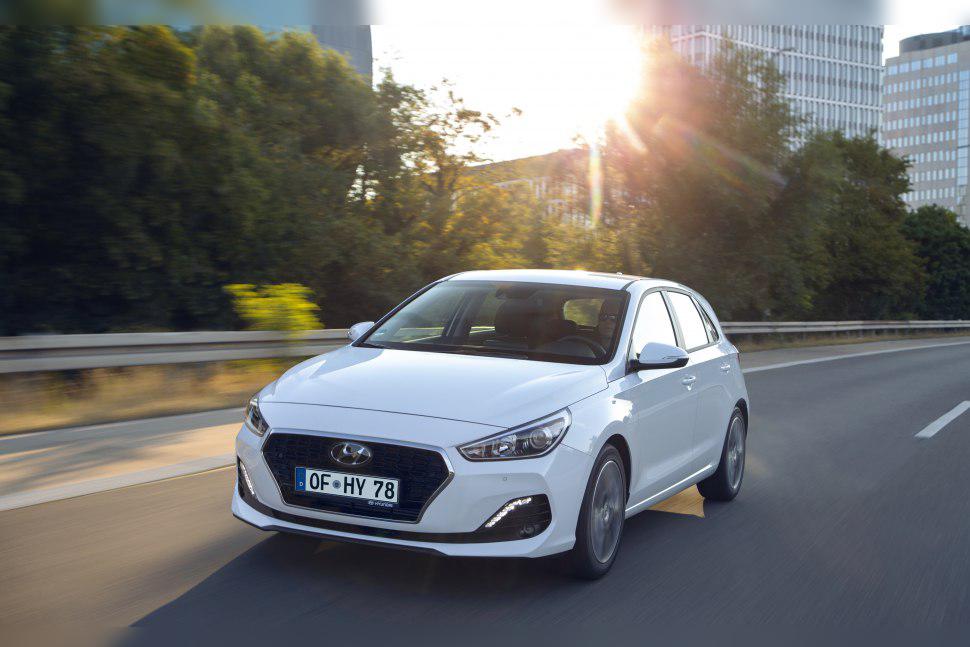
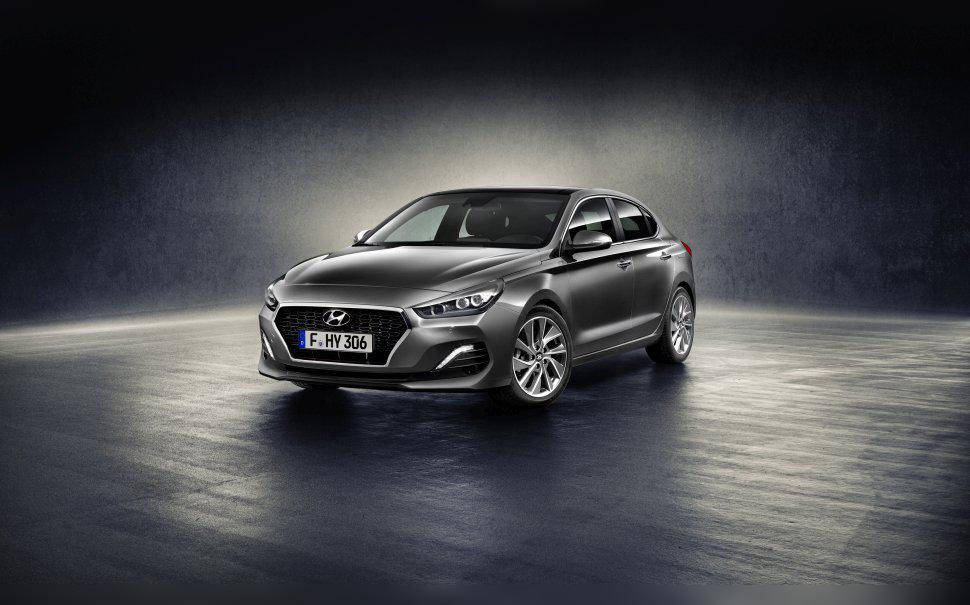
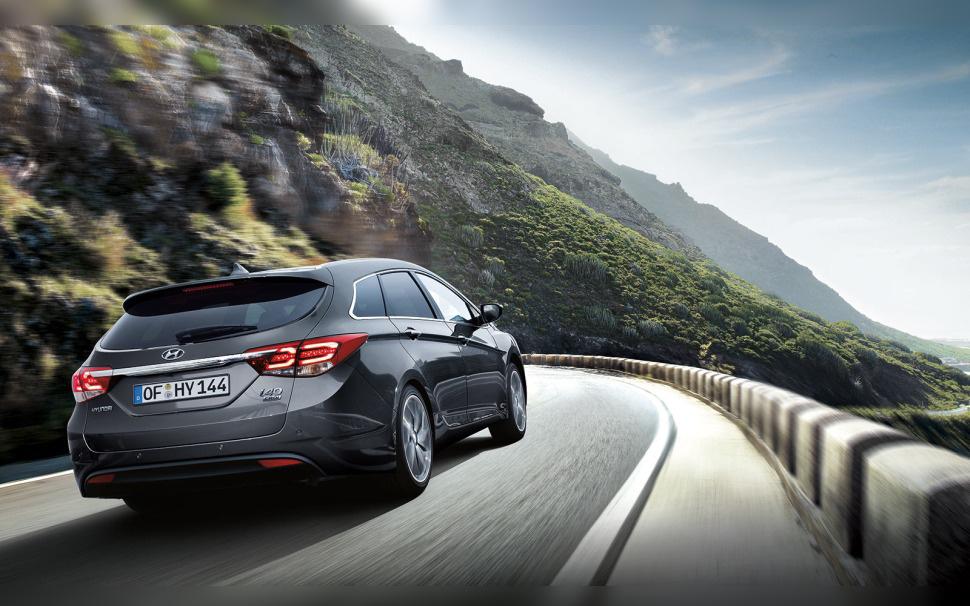
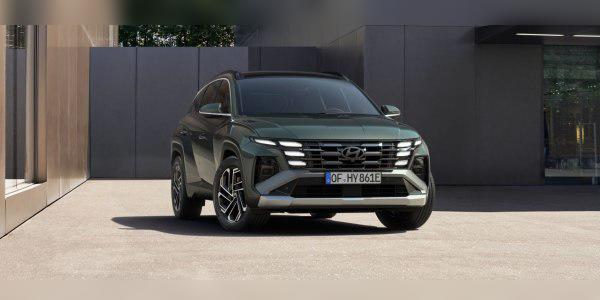
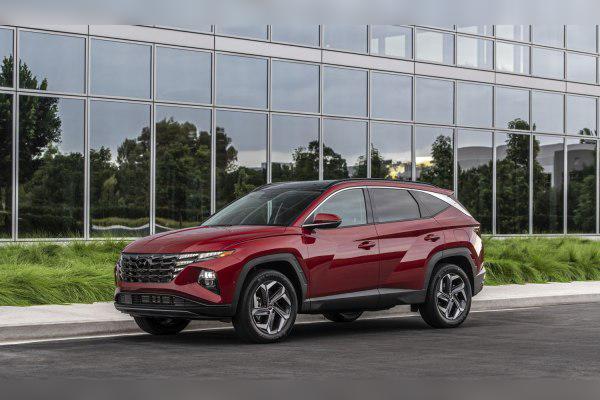
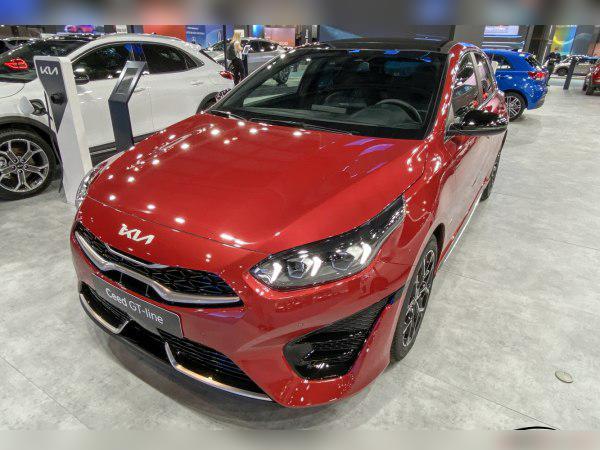
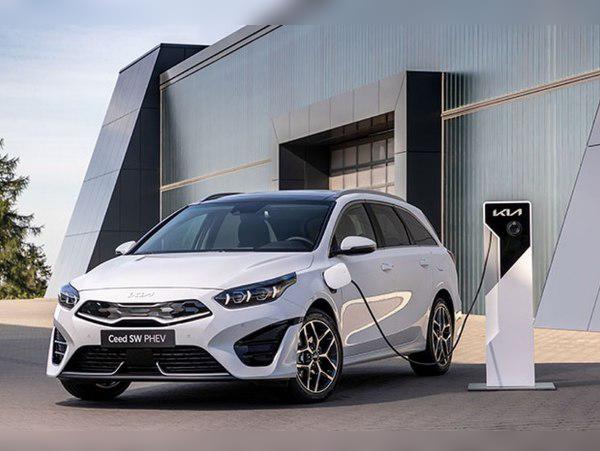
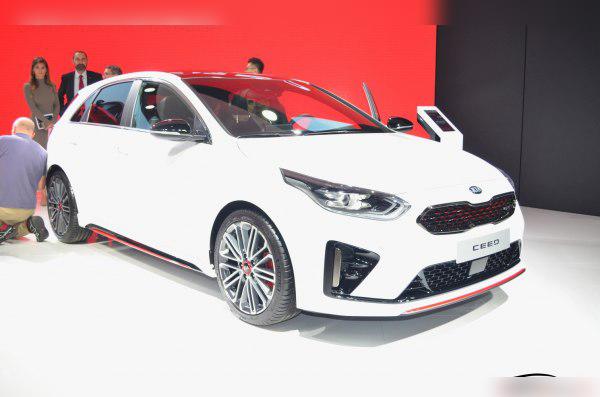
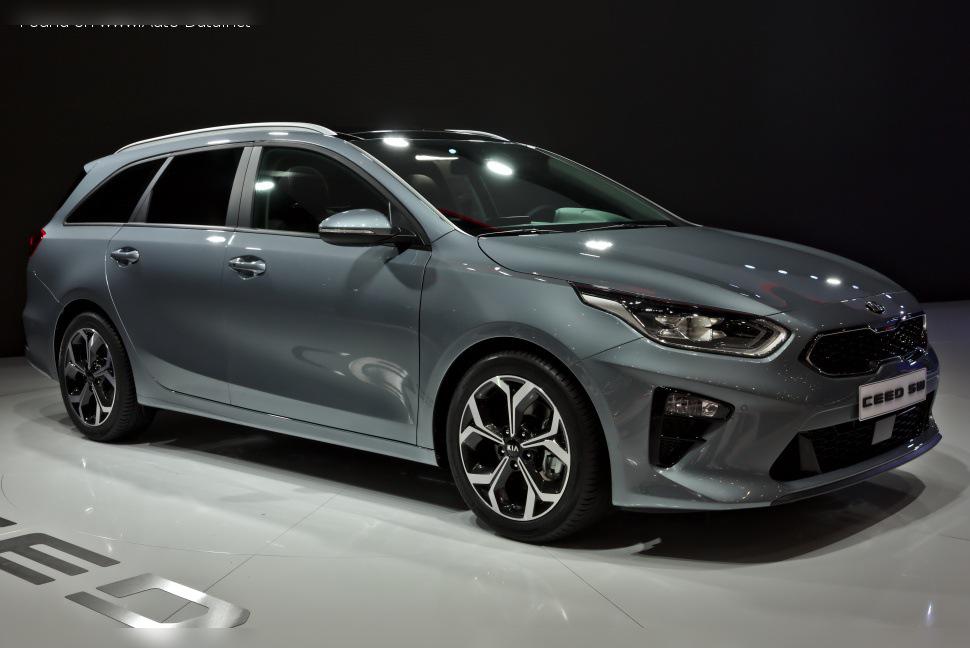
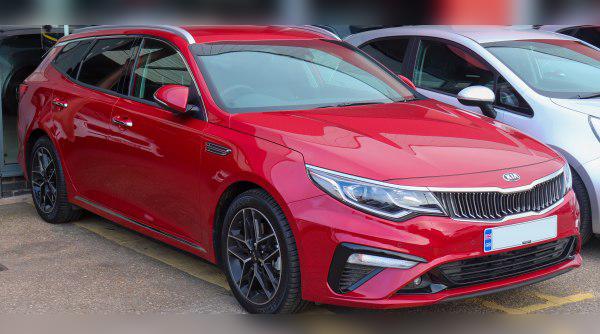
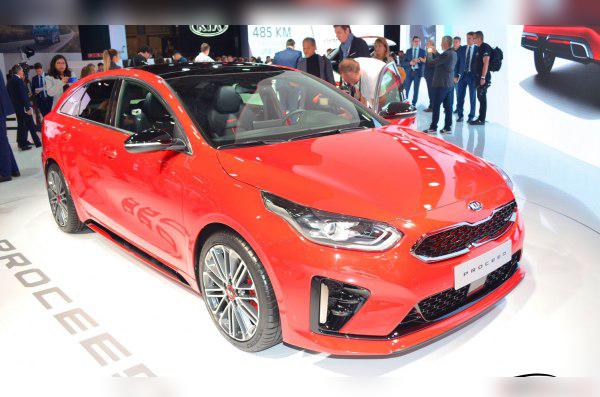
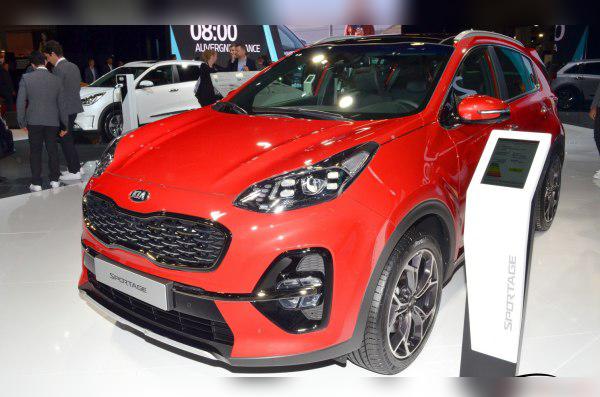
The engine with the code D4FE represents a new generation of Hyundai/Kia diesel units known as Smartstream (successor to the well-known U2 series). Its main task was to reduce exhaust emissions, lighten the engine block by using aluminum, and integrate with modern 48V Mild-Hybrid systems. This engine is installed in a wide range of models – from compact hatchbacks such as the Hyundai i30 and Kia Ceed, to heavier SUVs like the Hyundai Tucson and Kia Sportage. Although it carries the reliability badge of its predecessors, it is a significantly more complex piece of engineering that requires more careful maintenance.
Technical specifications
| Parameter | Specification |
|---|---|
| Displacement | 1598 cc |
| Power | 100 kW (136 HP) |
| Torque | 280 Nm (up to 320 Nm with DCT) |
| Engine code | D4FE (Smartstream U3) |
| Fuel type | Diesel (Euro 6d-Temp / Euro 6d) |
| Injection type | Common Rail Direct Injection (CRDi) |
| Charging | Turbocharger (VGT), Intercooler |
Reliability and Maintenance
Timing belt or chain?
Unlike the older U2 1.6 CRDi engines that used a chain which tended to stretch, the D4FE switched to a timing belt. This was done primarily to reduce friction and make the engine run more quietly. The timing belt has proven to be very reliable, provided that you follow the service intervals.
Major service, oil and oil consumption
The major service is usually done at 120,000 to 150,000 km or every 8 to 10 years, depending on the regulations of the specific market (check by VIN required). The system requires replacement of the complete timing kit and the water pump.
This engine takes about 4.7 to 5.0 liters of oil. Due to very strict environmental standards, an extremely thin oil of grade 0W-20 or 0W-30 (ACEA C5 specification mandatory) is recommended in order to protect the DPF filter. These engines generally do not consume much oil. A loss of 0.3 to 0.5 liters per 10,000 km is considered completely normal, especially if driven more aggressively on the highway. If you notice higher consumption, the first suspects are the turbo seals or piston rings.
How long do the injectors last and how reliable are they?
The injectors are high-pressure (over 2000 bar) piezo or solenoid type. They have proven to be very durable and usually last for over 200,000 km without signs of fatigue. However, they are sensitive to the presence of water and dirt in diesel fuel. Symptoms of bad injectors include rough idling, "knocking" on cold start and increased black smoke (which the DPF then traps and clogs the filter).
Specific Components and Failures
Dual-mass flywheel
Yes, this engine has a dual-mass flywheel in almost all configurations. Its job is to dampen strong diesel vibrations. Its service life is around 150,000 km to 200,000 km. Symptoms of a worn flywheel are strong vibrations at idle, metallic rattling when switching off the engine and jerking when setting off. The cost of replacing the clutch kit and dual-mass flywheel ranges from expensive to very expensive (depends on the market).
Turbocharger
The system uses a variable geometry turbocharger (VGT). Its lifespan is above average if you change the oil regularly. The biggest enemy of the turbo on the D4FE engine is switching off a hot engine immediately after hard highway driving. You need to let the engine idle for a minute or two so that the oil can cool the turbo shaft. Turbocharger rebuilding is available and the price ranges from moderate to expensive (depends on the market).
EGR, DPF filter and AdBlue system
This is the holy trinity of problems for drivers who use their diesel only for 5-kilometer home-to-work commutes. The EGR valve quickly gets clogged with soot due to low operating temperature, which results in poorer throttle response and the Check Engine light coming on. The DPF filter regularly needs regeneration cycles on open roads.
This engine is also equipped with an AdBlue (SCR) system. Urea injection drastically reduces NOx particles, but brings headaches. The most common issues include crystallization of the AdBlue fluid in the tank and on the injector, especially in winter or if the fluid sits for a long time. Failure of the AdBlue pump is a known problem and replacement is very expensive (depends on the market). Maintenance involves filling with fresh, high-quality AdBlue and occasionally using anti-crystallization additives.
Fuel Consumption and Performance
Real-world consumption and city driving
The engine is incredibly economical. In lighter bodies such as the Kia Ceed or Hyundai i30, city consumption is around 5.5 to 6.5 l/100km. In heavier SUV models (Tucson, Sportage), with all-wheel drive, expect between 6.8 and 7.8 l/100km in the city.
Is the engine "lazy"?
With 136 HP and 280–320 Nm of torque, in an i30 or Ceed this engine offers quite lively performance. However, when installed in a heavier Tucson or Sportage loaded with family and luggage, it can feel a bit "lazy" on climbs or during aggressive overtaking. In newer versions, the 48V Mild-Hybrid system helps a lot because the small electric motor delivers additional torque from low revs, effectively masking turbo lag before the turbo spools up to working pressure.
On the highway
The D4FE was made for highway driving. Thanks to well-chosen gear ratios, at a cruising speed of 130 km/h the engine runs at a very pleasant 2,200 to 2,400 rpm (depending on whether it has a manual or 7DCT gearbox). In this mode, cabin noise is minimal and fuel consumption drops to about 5 to 5.5 l/100km.
Additional Options and Modifications
When it comes to increasing power (remapping), this engine block can safely handle a Stage 1 remap up to about 160–165 HP and around 340 Nm of torque. However, a big warning: if the car has the 7DCT automatic gearbox, you must be very careful with torque because the dry clutches in that gearbox are very sensitive to extra power. If you have a manual gearbox, it will cope with it more easily, although the service life of the dual-mass flywheel will be proportionally shortened.
Transmissions: Manual vs Automatic (DCT)
Types of gearboxes and failures
The D4FE is paired with 6-speed manual gearboxes (in Mild-Hybrid versions this is the iMT gearbox with an electronic clutch) and a 7-speed dual-clutch automatic gearbox (7DCT).
The manual gearbox is extremely robust and rarely causes problems. On the other hand, the 7DCT gearbox (which uses dry clutches) is a well-known weak point if the car is driven a lot in the city ("stop-and-go" traffic). The clutches overheat, which over time leads to "shuddering" when setting off from a standstill or hesitant shifting from first to second gear. Replacing the dry clutch kit on the 7DCT is very expensive (depends on the market).
Gearbox servicing
Although the manufacturer often states that the oil in the manual gearbox is "lifetime", any serious mechanic will recommend changing it at around 100,000 km. For the 7DCT gearbox, changing the oil in the gear set and calibrating the actuators every 60,000 km is mandatory if you want to protect it from premature failure.
Buying Used and Conclusion
What to check before buying?
- Cold start: Listen to the engine in the morning. There should be no long cranking, metallic rattling or harsh vibrations.
- Gearbox condition (7DCT): Be sure to test the car in city traffic. Release the brake on a slight incline without adding throttle – the car should move off smoothly without any body shudder. If it shudders, prepare serious money for a new clutch pack.
- DPF and AdBlue diagnostics: Before buying, connect the car to a professional OBD diagnostic tool. Check the DPF soot/ash load level and the error history for NOx sensors or the urea pump.
- Mild-Hybrid system operation: If you are looking at an MHEV version, check whether the car coasts and shuts the engine off smoothly (sailing mode) and restarts instantly when you press the accelerator. Jerking may indicate a problem with the starter-generator or loss of capacity of the 48V battery.
Who is the D4FE engine for?
This unit is a perfect choice for drivers who cover more than 20,000 km per year and whose routes are mostly main roads and highways. It offers phenomenal fuel economy, excellent noise insulation and low fuel costs. On the other hand, it is absolutely not recommended for people whose driving is limited exclusively to city traffic jams – in that type of use, the EGR, DPF, AdBlue and 7DCT gearbox will very quickly drive you to mechanical despair.