G3LC 1.0 T-GDI Engine (120 HP) – Experiences, Problems, Fuel Consumption and Used-Car Buying Tips
Key points in short (TL;DR)
- Three-cylinder turbo petrol: Offers an excellent balance between performance and efficiency, ideal for city and highway driving.
- Timing chain: The engine uses a chain instead of a timing belt, which is generally reliable if the oil is changed regularly.
- Direct injection (GDI): Prone to carbon buildup on intake valves, which requires periodic cleaning.
- Dual-mass flywheel: Present in most models to reduce three-cylinder vibrations, which increases clutch replacement costs.
- Not suitable for LPG: Due to direct injection, LPG installation is very expensive and often not cost-effective.
- Transmissions: Manual gearboxes are reliable, while the 7DCT automatic requires careful inspection before purchase and regular oil changes.
Contents
- Introduction: Meet the G3LC 1.0 T-GDI
- Technical specifications
- Reliability and maintenance
- Specific parts and costs
- Fuel consumption and performance
- Additional options and modifications
- Transmission and drivetrain
- Buying used and conclusion
Introduction: Meet the G3LC 1.0 T-GDI
The G3LC engine is part of Hyundai/Kia’s “Kappa II” family of power units. It is a modern three-cylinder 1.0 T-GDI (Turbo Gasoline Direct Injection) engine developed as a response to the downsizing trend – reducing displacement while using a turbocharger to achieve the power of larger naturally aspirated engines, but with lower exhaust emissions.
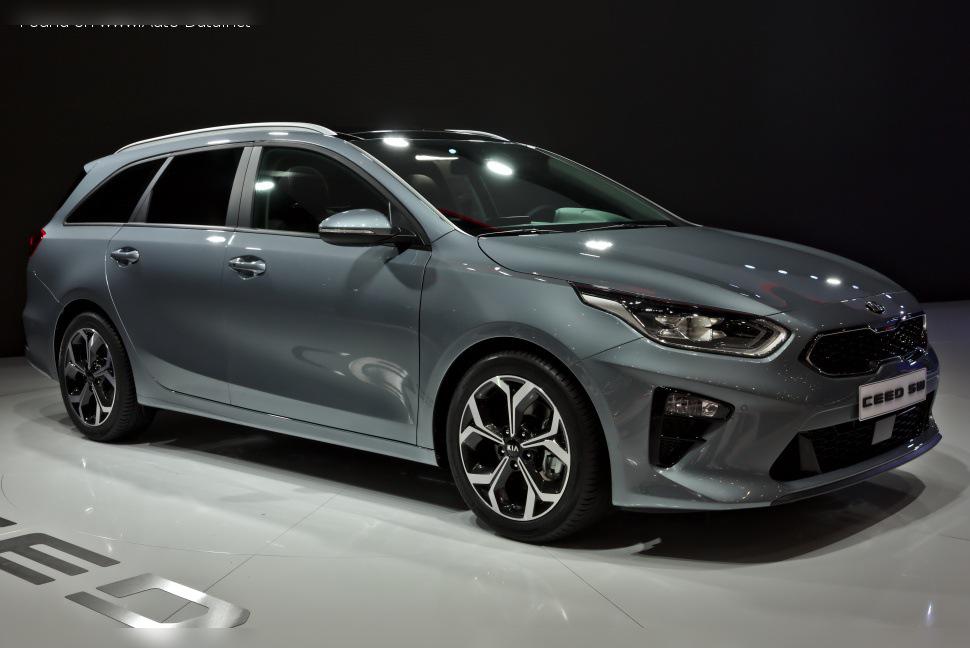
With its 120 horsepower, this engine is installed in a wide range of vehicles, from lighter B-segment models (Kia Rio, Stonic) to heavier C-segment compacts (Kia Ceed, XCeed, ProCeed). Its popularity lies in the fact that it offers a very lively driving feel, but it requires specific maintenance typical of modern turbo petrol engines with direct injection.
Technical specifications
| Parameter | Specification |
|---|---|
| Displacement | 998 cc |
| Power | 88 kW (120 HP) at 6000 rpm |
| Torque | 172 Nm at 1500–4000 rpm |
| Engine code | G3LC |
| Injection type | Direct (GDI) |
| Intake system | Turbocharger with intercooler |
| Number of cylinders/valves | 3 cylinders / 12 valves |
Reliability and maintenance
Timing belt or chain and major service
The G3LC engine uses a timing chain rather than a belt. In theory, the chain is designed to last as long as the engine itself. Because of this, there is no classic “major service” with a strict chain replacement interval. However, in practice it is advisable to check the condition of the chain, tensioner and guides after 150,000 km. A rattling noise on cold start is a clear symptom of a stretched chain. At around 90,000–100,000 km the auxiliary (serpentine) belt, water pump (driven by the serpentine belt) and pulleys should be replaced, which is a sort of reduced major service.
Most common failures
This is generally a reliable engine, but it suffers from the typical issues of modern units. The main problem is carbon buildup on the intake valves. Due to direct injection, petrol does not wash the valves. Symptoms include rough idle, loss of power and jerking. Valve cleaning (usually by walnut shell blasting) is recommended every 80,000–100,000 km.
There are also occasional issues with ignition coils, resulting in misfires, loss of power and a Check Engine light. The turbocharger actuator (wastegate) can start rattling or sticking, which directly affects boost pressure and performance.
Oil capacity and consumption
The engine holds about 3.6 litres of engine oil. The manufacturer requires synthetic oil of grade 0W-20 or 5W-30 (most often ACEA C2/C5 specification, suitable for engines with particulate filters). It is extremely important to change the oil every 10,000–15,000 km. The turbocharger and chain do not tolerate old, degraded oil. Oil consumption is generally low, but around 0.1–0.2 litres per 1000 km is considered acceptable. If the engine consumes more than that, the problem may be worn piston rings, valve stem seals or the turbocharger itself.
Spark plugs
Since this is a turbo petrol engine operating under high pressures and temperatures, a strong, clean spark is crucial. Iridium spark plugs should be replaced every 60,000 km. This replacement should not be postponed, because worn plugs overload the coils and cause them to fail, and irregular combustion can damage the catalytic converter.
Specific parts and costs
Clutch system and dual-mass flywheel
Because the inherent design of a three-cylinder engine creates more vibration than a four-cylinder, this engine uses a dual-mass flywheel in most models (especially in heavier bodies such as the Ceed and XCeed). Its role is to protect the gearbox from shocks and ensure smoother operation. Symptoms of a worn flywheel include judder when setting off, vibration in the clutch pedal and metallic rattling when switching the engine off. The cost of replacing the complete set (flywheel, clutch disc, pressure plate, release bearing) is considered very high (depends on the market).
Fuel injection system
The direct fuel injection system operates at extremely high pressure. The injectors themselves are reliable, but very sensitive to poor fuel quality. Symptoms of clogged injectors include difficult starting and rough running. In addition to the injectors, the high-pressure fuel pump (HPFP) can weaken over time or allow petrol to leak into the engine sump. If you notice a strong smell of petrol on the dipstick, this is a sign that the system needs to be checked urgently.
Turbocharger
This engine uses a single, very compact low-inertia turbocharger (which means it responds quickly and reduces turbo lag). Its service life is usually over 150,000 km, provided that the oil is changed regularly and the engine is properly “cooled down”. After spirited driving (e.g. on the motorway), you should always let the engine idle for about 30 seconds before switching it off, so that the oil can cool the turbo bearings and prevent oil coking inside the shaft.
Emissions: DPF/GPF and EGR
This engine does not have an AdBlue system, as that technology is reserved for diesel engines. However, since this is a direct-injection petrol engine that must meet strict Euro 6 standards (especially facelift models), it is equipped with a GPF (Gasoline Particulate Filter) – the petrol equivalent of a diesel DPF. The GPF is generally much less problematic than its diesel counterpart because petrol engines produce higher exhaust gas temperatures, so passive regeneration is easier. As for EGR function, older versions rely on variable valve timing (VVT) to retain part of the exhaust gases in the cylinder, while some newer versions have an external EGR valve that can be prone to carbon clogging.
Fuel consumption and performance
City driving and engine “laziness”
Real-world fuel consumption in stop-and-go city traffic is between 7 and 8.5 l/100 km, depending on driving style and model. In cars such as the Kia Rio and Stonic, this engine feels extremely lively and quick, because the 172 Nm of torque is available from as low as 1500 rpm. In heavier bodies, such as the Kia Ceed SW (estate) or XCeed, the engine is by no means “lazy” for everyday normal driving, but under full load (5 passengers, full boot, air conditioning) the limited displacement becomes noticeable.
On the motorway
On the motorway the engine performs adequately. At a cruising speed of 130 km/h in sixth gear, the engine runs at around 2800–3000 rpm. Cabin noise is well isolated, but the three-cylinder sound is noticeable during acceleration. Due to aerodynamic drag and the small engine having to work harder, fuel consumption at 130 km/h usually rises to about 6.5–7.5 l/100 km.
Additional options and modifications
LPG conversion
Is the G3LC suitable for LPG? The short answer is: No. Since this is a GDI engine (direct petrol injection into the cylinder), the tips of the petrol injectors would melt from the temperature if petrol did not flow through them to cool them. LPG installation is only possible with very expensive liquid injection systems or “blend” systems that constantly use a certain percentage of petrol alongside LPG. This investment is expensive (depends on the market) and usually not worthwhile for the average driver.
Chiptuning (Stage 1 remap)
This turbo engine can be relatively easily “chipped” via software modification (Stage 1). A safe power increase is around 15–20 HP, bringing total output to about 135–140 HP, while torque rises to an impressive 200–210 Nm. This significantly improves in-gear acceleration. However, caution is advised: aggressive tuning considerably shortens the lifespan of the turbocharger and dual-mass flywheel.
Transmission and drivetrain
Types of gearboxes
The G3LC 1.0 T-GDI is most commonly paired with two types of gearboxes:
- 6-speed manual gearbox (6MT)
- 7-speed dual-clutch automatic gearbox (7DCT)
Most common gearbox issues and maintenance
The manual gearbox is reliable. The most common issue is worn clutch discs due to aggressive city driving. As mentioned, clutch replacement often involves replacing the dual-mass flywheel as well, which is a major expense. It is recommended to check the level and condition of the oil in the manual gearbox every 100,000 km.
The 7DCT automatic (Dual Clutch Transmission) offers fantastic comfort in the city and fast gear changes, but comes with certain risks. The system uses dry clutches that are prone to overheating in stop-and-go traffic. The most common symptoms of failure are shuddering or judder when setting off or when shifting from first to second gear. Replacing the clutch pack in a 7DCT gearbox is very expensive (depends on the market), and mechatronic units also occasionally fail. For long DCT life, it is strongly recommended to change the gearbox oil every 60,000 km, even though the manufacturer sometimes calls it “fill-for-life”.
Buying used and conclusion
What to check before buying?
If you are buying a used car with the G3LC 1.0 T-GDI engine, make sure the engine is completely cold before you start it.
- Chain noises: Listen carefully during the first few seconds of operation. Any sharp rattling or scraping noise from under the bonnet is a sign of a stretched chain.
- Idle quality: If the engine shakes or runs unevenly when warm, the intake valves are probably clogged with carbon, or the spark plugs and coils are due for replacement.
- Turbocharger: A siren-like whine under load or bluish smoke from the exhaust indicate a worn turbo.
- Gearbox and suspension: Try setting off uphill without adding too much throttle. In a manual, feel whether the pedal vibrates (flywheel), and in a DCT pay attention to any shuddering.
- Oil condition: Pull out the dipstick. Thick, black oil points to poor maintenance. A smell of fuel on the dipstick warns of injection system issues.
Conclusion: Who is it for?
The 1.0 T-GDI (120 HP) engine is a smart choice for drivers who cover most of their mileage in the city, suburbs and on regional roads. It offers noticeably better acceleration and quieter running at low revs than older naturally aspirated 1.4 engines. It is not intended for drivers who constantly tow trailers, regularly drive at maximum load or cover very high annual mileage (over 30,000 km) on the motorway at high speeds. If you find a car with a properly documented service history (proof of regular oil changes at a maximum of 15,000 km intervals), you should not face major headaches and you will get a very agile and modern car.