Hyundai/Kia 1.0 T-GDi (G3LE) engine – Experiences, issues, fuel consumption and used-car buying tips
- Agile and modern three-cylinder: With its 100 hp, this engine is very well suited for city driving, while still offering solid flexibility on open roads.
- Chain-driven timing: Instead of a timing belt it uses a timing chain, which is generally reliable but requires strictly regular oil changes.
- Direct injection (GDi): Brings better performance and lower fuel consumption, but over time causes carbon buildup on the intake valves.
- Turbocharger and sensitivity: The engine uses a small turbocharger with an intercooler. It needs careful warm-up before hard driving and cool-down after aggressive driving if you want it to last.
- Transmissions: Versions with the 7‑DCT automatic gearbox (with dry clutches) require special attention when buying used, as they are prone to wear in stop‑and‑go traffic.
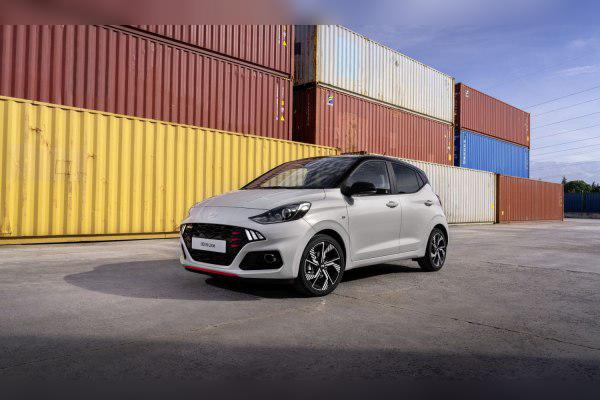
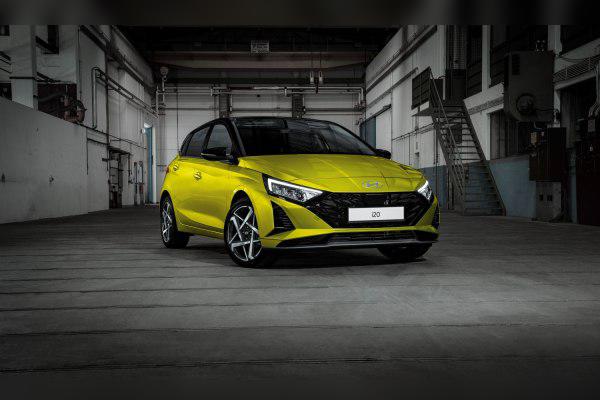
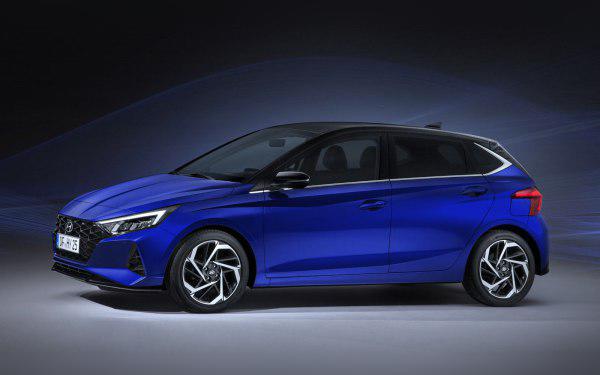
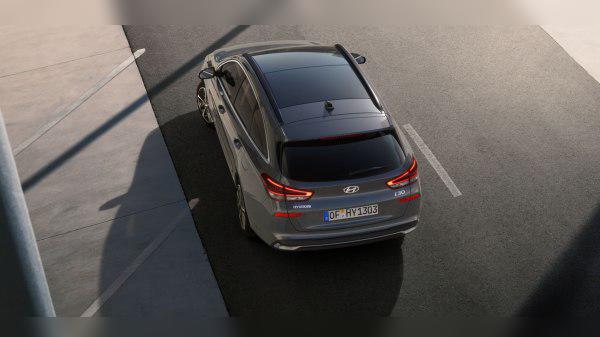
- Body style shapes the impression: In the i10, i20 and Stonic the engine feels very lively. In heavier bodies like the i30 Wagon (CW) and Kona, the lack of power becomes noticeable when the car is fully loaded.
Contents
- Introduction: About the G3LE engine
- Technical specifications
- Reliability and maintenance
- Specific parts (costs)
- Fuel consumption and performance
- Additional options and modifications
- Transmissions and power delivery
- Buying used and conclusion
Introduction: About the G3LE engine
The G3LE engine is a modern unit from Hyundai/Kia’s Smartstream engine family. It is a three‑cylinder 1.0‑liter turbo petrol with direct injection, designed to meet strict emission standards while still providing the driving characteristics needed for everyday use. It is installed in a wide range of vehicles, from the smallest Hyundai i10, through the popular i20 and Kia Stonic, all the way to larger cars such as the Hyundai i30 and Kona. In newer versions (after 2020) it is often paired with a 48V Mild Hybrid (MHEV) system for additional fuel savings and smoother starts.
Technical specifications
| Specification | Data |
|---|---|
| Engine displacement | 998 cc |
| Engine power | 74 kW (100 hp) |
| Torque | 172 Nm |
| Engine code | G3LE |
| Injection type | Direct injection (GDi) |
| Induction | Turbocharger with intercooler |
| Number of cylinders | 3 (inline) |
Reliability and maintenance
One of the first questions any mechanic gets is about the timing drive. This engine uses a timing chain, not a belt. The chain is designed as a “lifetime” part, meaning there is no predefined interval for a major timing service as with belt‑driven engines. However, in practice, at around 150,000 km the chain and tensioners should be thoroughly inspected. If you hear a metallic rattling noise on cold start that lasts a few seconds, that is a clear symptom of a stretched chain or a weak hydraulic tensioner, and replacement is mandatory.
The sump capacity is about 3.6 liters of oil, and the recommended grade in the factory specification for newer Smartstream units is usually 0W‑20 (to meet emission standards and reduce fuel consumption), although in some climates people still use high‑quality 5W‑30, which provides better protection at high summer temperatures. Avoid cheap oils. Oil consumption between services is present – a direct‑injection turbo engine can quite normally use up to 0.2 liters per 1,000 km, especially if it is often revved high. If the engine consumes more than half a liter per 1,000 km, the problem is usually stuck piston rings or worn turbo seals.
The most common issues with the G3LE unit are related to GDi technology. Fuel is injected directly into the cylinder, which means petrol does not wash over the intake valves. The consequence is carbon buildup on the valves after 80,000 to 100,000 km. The driver will notice this as an uneven idle, slight vibrations and occasional loss of power. The solution is mechanical cleaning of the intake manifold (so‑called walnut blasting).
As a petrol engine, it depends on spark, so the replacement interval for the spark plugs is extremely important. Only iridium spark plugs are recommended, and they should be replaced at around 60,000 km. If you delay replacement, you increase resistance in the ignition system, which directly leads to coil failure (each cylinder has its own coil).
Specific parts (costs)
Since this is a 1.0 T‑GDi petrol engine, many people wonder whether it has the “boogeyman” parts known from diesels. Yes, the engine has a dual‑mass flywheel. Due to the pronounced vibrations of the three‑cylinder block, Hyundai/Kia engineers had to install a dual‑mass flywheel to protect the gearbox and reduce noise, regardless of whether you have an automatic or the newer manual gearbox. Replacing this part together with the clutch is very expensive (depends on the market).
Fuel injection is handled by a high‑pressure pump. The petrol injectors are quite robust but extremely sensitive to fuel contamination and water in the fuel. Symptoms of a clogged injector are a “check engine” light, misfire codes on diagnostics and engine hesitation. Replacing injectors is expensive (depends on the market), so it is recommended to occasionally use fuel system cleaning additives.
The engine has a single compact turbocharger with an intercooler. Provided you do regular services every 10,000–15,000 km at most, the turbo’s lifespan is over 150,000 km. Turbo failure manifests itself as bluish smoke from the exhaust, a whining noise under the bonnet and oil loss.
Unlike diesels, this model has no DPF filter or AdBlue system, so you can forget about those worries. However, due to strict Euro 6d standards it is equipped with a GPF filter (Gasoline Particulate Filter). This filter collects fine soot particles from petrol combustion. It clogs much less often than diesel DPFs because petrol engines run at higher temperatures, so the GPF burns off particles by itself during driving. If you drive the car only 2 km a day to work and back, the GPF will eventually trigger a fault and require an extended drive at higher revs to regenerate. An EGR valve is also present on petrol engines and serves to cool the combustion chamber, but it causes nowhere near as many issues as on diesels.
Fuel consumption and performance
Although the engine’s displacement is about the size of a bottle of water, the turbocharger provides 172 Nm of torque available from low revs (around 1,500 rpm), which makes it quite feisty. Real‑world city fuel consumption in B‑segment cars (i20, Stonic, i10) ranges between 6.5 and 7.5 l/100 km. In heavier vehicles with automatic gearboxes (Kona, i30) in heavy city traffic that figure easily exceeds 8.0 to 8.5 liters.
Is the engine “lazy”? In lighter cars, absolutely not. But if you buy a Hyundai i30 wagon (CW), put in two adults, two kids and a trunk full of luggage for a seaside trip, the engine will struggle seriously on uphill sections, needing to rev above 4,000 rpm. All overtakes of trucks on single‑carriageway roads must be carefully planned.
On the motorway, at a cruising speed of 130 km/h, the engine usually sits at around 2,800 to 3,000 rpm in 6th gear (depending on the gear ratios of the specific model). Sound insulation in the i30 or Kona is quite decent, but in the i20 you will hear the typical “buzz” of three cylinders at that speed. Fuel consumption at 130 km/h is between 6.5 and 7.0 l/100 km, which shows that due to aerodynamic drag the engine is working under a fair load compared to more powerful 1.4 or 1.5 turbo engines.
Additional options and modifications
Given high petrol prices, one of the main questions is whether to install LPG. The short answer is – it is not recommended. Because of the GDi injection system, the petrol injectors go directly through the cylinder head into the cylinder and are cooled by the flow of petrol. If you were to install a standard sequential LPG system, the injectors would burn out in a short time. Installing a specific LPG system for GDi engines (which injects part petrol and part gas) is extremely expensive (depends on the market) and for most drivers who do not exceed 25,000 km per year it simply does not pay off.
As for chipping (Stage 1 software remap), this unit can easily be taken from 100 hp to a safe 115 to 120 hp, with torque going above 210 Nm. You will feel a better throttle response. However, pay very close attention to the gearbox. If the car has the 7‑DCT with dry clutches, it is already very close to its factory torque limit. By chipping an automatic you directly risk burning the clutch packs in the gearbox quickly.
Transmissions and power delivery
This engine is paired with several types of transmissions, and this is where the driving experience and maintenance costs differ greatly:
- 6‑speed manual gearbox: Very reliable and precise. Maintenance costs are low.
- 6‑speed iMT (Intelligent Manual Transmission): A new manual gearbox developed for 48V hybrids. It has no mechanical cable or hydraulic clutch pedal, but uses clutch‑by‑wire (electronic clutch). It allows the car to “coast” (with the engine off) when you lift off the throttle. The gearbox itself is durable, but the pedal sensors can fail.
- 7‑DCT (automatic with dual dry clutches): Allows fast gear changes but requires a specific driving style.
Most common 7‑DCT failures: Since the clutches are dry and not oil‑bathed (as with larger engines), they are very sensitive to overheating. If in city traffic jams you release the brake pedal millimeter by millimeter to make the car “crawl”, you are effectively burning the clutch plates. The driver will feel juddering and shuddering when moving off in first gear. The DCT clutch pack on this engine is usually replaced between 100,000 and 150,000 km, and the repair is very expensive (depends on the market).
Gearbox oil service: On the conventional and iMT manual gearboxes, oil replacement is recommended every 80,000 to 100,000 km. For the 7‑DCT, there is oil in the gear section of the transmission (the mechatronics unit is electrically operated separately) which should be renewed every 60,000 km to prevent wear of bearings and synchros.
Buying used and conclusion
When buying a used car with the 1.0 T‑GDi (G3LE) engine, pay very close attention to the following:
- Cold start: Ask the seller not to start the car before you arrive. Listen to the engine for the first 5 seconds after starting. A metallic “rattling” sound indicates a stretched chain.
- Gearbox test: If it is a 7‑DCT, make sure you find a steep hill. Stop and then pull away gently. If you feel the car vibrating, hopping or shaking the whole front end – the gearbox clutches are due for an expensive replacement.
- Visual inspection of the engine bay: Remove the plastic cover (if fitted) and inspect the area around the turbocharger and valve cover. Oily deposits mean the seals have reached the end of their life.
- Service history: This engine does not tolerate irregular oil changes. Ex‑lease cars with 30,000 km service intervals are a lottery. Look for examples where the oil was changed at a maximum of 15,000 km (or once a year).
Who is the G3LE engine for?
This unit is an excellent choice for people whose driving is roughly 70% city and 30% out‑of‑town and motorway. In models like the Kia Stonic, Hyundai i10 and i20 it behaves very dynamically and is the best match there. If you are looking at the wagon version (i30) with the intention of loading the car with building materials or using it for towing a trailer, this engine should be avoided and you should look for a more powerful 1.4 or 1.5 T‑GDi, or even CRDi versions. Properly maintained, with the driver treating the turbo and gearbox sensibly, the 1.0 T‑GDi can cover a respectable 250,000+ km before any major work on the engine block is needed.