Engine G4FD 1.6 GDI (135 HP): Experiences, problems, fuel consumption and used car buying guide
Key points (TL;DR)
- Reliable naturally aspirated engine: No turbocharger and no dual-mass flywheel (on manuals), which drastically reduces maintenance costs.
- Direct injection (GDI): Due to its specific design, intake valves tend to accumulate carbon deposits after around 100,000 km.
- Timing chain drive: Uses a reliable timing chain, without the classic “major service” with a timing belt.
- Performance vs. weight: Excellent in models like the Hyundai i30 and Kia Cee'd, but rather “sluggish” in heavier vehicles such as the Sportage, Carens and Hyundai i40.
- LPG: Not recommended; due to the GDI system, installation is expensive and technically complicated.
- Caution with automatics: While the manual gearbox is excellent, the more modern 7‑DCT dual‑clutch gearboxes can be very expensive to repair at higher mileages.
Contents
- Introduction
- Technical specifications
- Reliability and maintenance
- Specific parts (costs)
- Fuel consumption and performance
- Additional options and modifications
- Gearbox
- Buying used and conclusion
Introduction
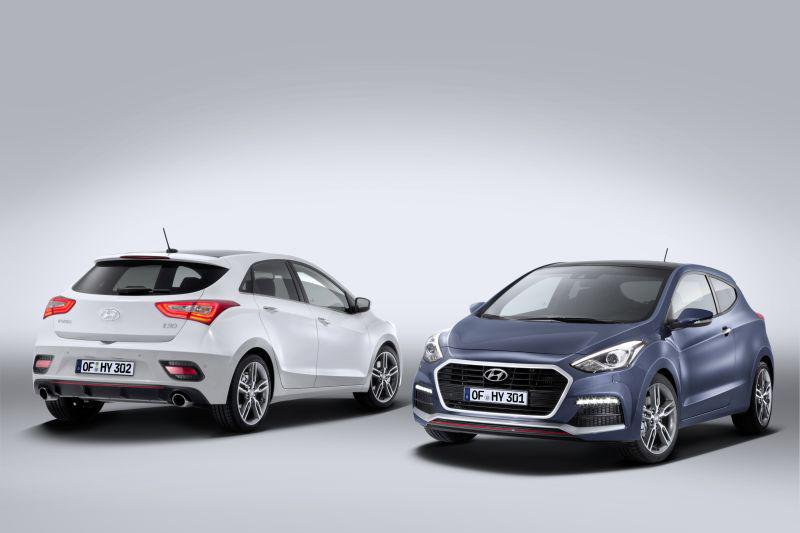
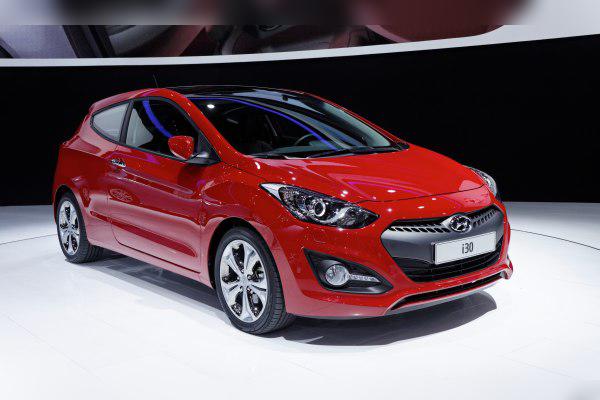
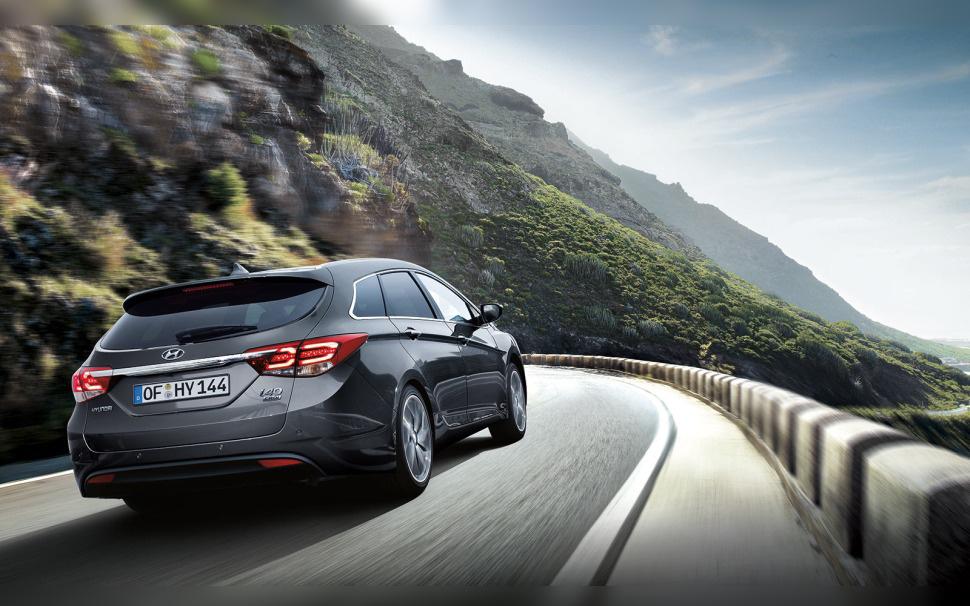
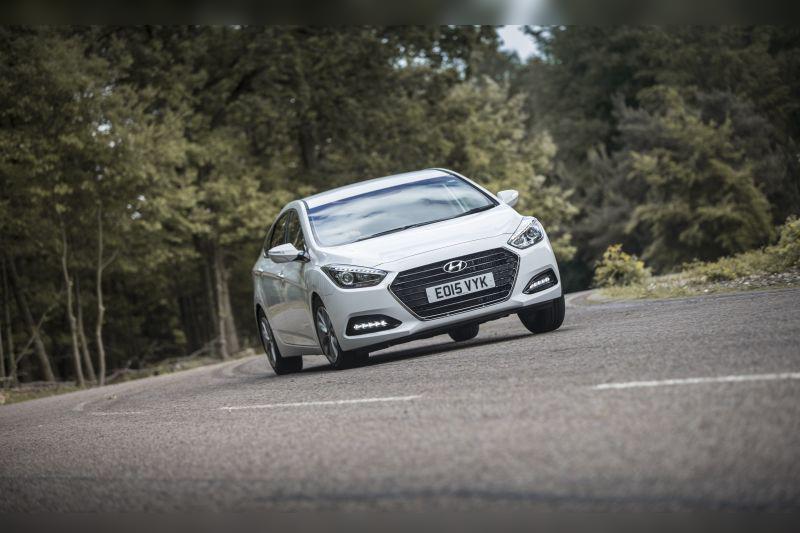
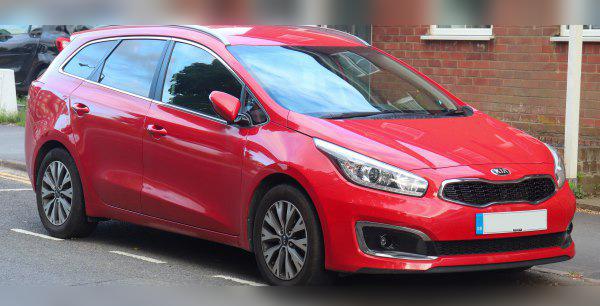
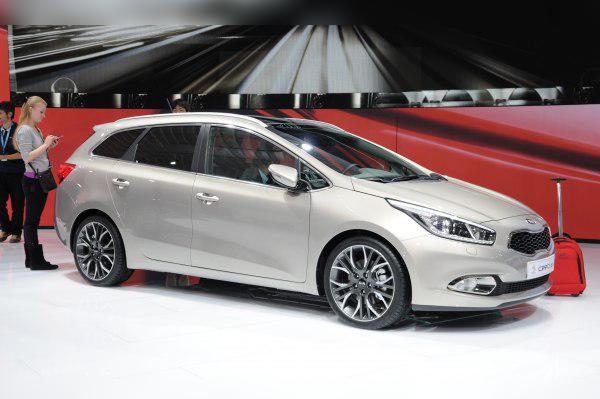
The engine designated as G4FD (also known as the 1.6 GDI from the Gamma II family) is one of the most common petrol units from the Hyundai‑Kia group on the European market over the past decade. It was designed as a response to the need for a more economical yet sufficiently powerful engine that would meet strict emission standards without resorting to “downsizing” and turbochargers. Because of this, it ended up in an incredibly wide range of models – from compact hatchbacks like the Hyundai i30 and Kia Cee'd, through family estates and MPVs (Kia Carens, Hyundai i40), all the way to the hugely popular SUV Kia Sportage III.
The combination of a naturally aspirated design and direct fuel injection makes this engine a kind of hybrid between old and new technologies. It doesn’t have a turbo that might leave you stranded, but it does have a complex injection system that requires some attention. Is this the right engine for you? The answer depends entirely on which body style you’re buying it in and what kind of driving style you prefer.
Technical specifications
| Engine displacement | 1591 cc |
| Power | 99 kW (135 HP) at 6300 rpm |
| Torque | 165 Nm at 4850 rpm |
| Engine code | G4FD (Gamma II) |
| Injection type | Direct injection (GDI - Gasoline Direct Injection) |
| Turbo/Naturally aspirated | Naturally aspirated engine |
Reliability and maintenance
Timing system (chain or belt)
This engine uses a timing chain, which means there is no classic, regular “major service” that involves replacing a timing belt every few years. The chain is generally very reliable and often outlasts other engine components. However, at mileages over 150,000 to 200,000 km, it is necessary to listen carefully to the engine during a cold start. If you hear metallic rattling or clattering in the first few seconds of operation, it’s a sign that the chain has stretched or that the chain tensioner is losing pressure and needs to be replaced.
Most common failures and symptoms
The main weakness of this engine stems from its injection design. In GDI engines, fuel is injected directly into the cylinder, not into the intake manifold. Because of this, petrol does not wash over the intake valves, which leads to carbon buildup on the intake valves.
Symptoms: Rough and unstable idle, slight hesitation under acceleration, loss of performance and increased fuel consumption. It is recommended to decarbonize the engine (e.g. walnut shell blasting) every 80,000 to 100,000 km. Occasionally, the crankshaft position sensor can also fail (the engine won’t start or stalls while driving).
Oil and regular servicing
The sump capacity is exactly 3.6 liters of oil. The manufacturer and experts recommend fully synthetic oil of grade 5W‑30 (or 5W‑40 depending on climate conditions). Change the oil at a maximum of every 15,000 km, and if the car is driven mostly in the city, shorten the interval to 10,000 km. Clean oil is crucial for proper operation of the chain tensioner and the variable valve timing system (CVVT).
Oil consumption
The G4FD is not known as a notorious “oil burner” in the first 150,000 km. However, as mileage increases, due to a clogged PCV valve (crankcase ventilation system) or worn piston rings, the engine may start consuming oil. Loss of up to 0.3 – 0.5 liters per 1000 km under more aggressive driving or at high motorway revs is considered the upper limit of tolerance. If it consumes more than that, mechanical intervention is required.
Spark plugs
Iridium spark plugs are responsible for flawless ignition of the mixture. The factory replacement interval is usually every 60,000 km. Postponing this replacement is not recommended, as worn plugs overload the ignition coils (each cylinder has its own), and replacing coils is significantly more expensive.
Specific parts (costs)
Injection system and injectors
Since this is a direct injection engine, it has a high‑pressure fuel pump (HPFP) mounted on the engine itself. The injectors are subjected to extremely high pressures and temperatures. Although generally robust, they are very sensitive to poor‑quality petrol. If an injector starts leaking, it can wash away the oil film from the cylinder wall and cause severe engine damage. Replacing GDI injectors is expensive (depends on market), significantly more expensive than injectors on older MPI petrol engines.
Does it have a turbo and dual‑mass flywheel?
The engine does not have a turbocharger, which is fantastic news for used‑car buyers – one major potential expense less.
As for the flywheel, models with a manual gearbox have a regular solid flywheel (not expensive, depends on market). However, versions equipped with the 7‑speed DCT automatic gearbox have a specific dual‑clutch assembly with a so‑called “damping” flywheel, where repairs are very expensive (depends on market).
DPF, EGR and AdBlue
Since this is a petrol engine, it does not use AdBlue fluid and does not have a classic DPF filter (although some very late production models may have received a GPF filter due to Euro 6 standards, the standard G4FD in these models does not have one). It also does not have the typical problematic EGR valve known from diesels, instead relying on the aforementioned PCV system, which is cheap to replace.
Fuel consumption and performance
City driving
Urban fuel consumption depends directly on the body style. In lighter models (i30, Cee'd) you can expect around 8.0 to 8.5 l/100 km. In heavier bodies such as the Kia Sportage or Hyundai i40, stop‑and‑go traffic easily pushes average consumption to 9.5 to 10 l/100 km.
Performance and driving feel
This is an old‑school engine in terms of power delivery. With 165 Nm of torque available only high up at 4850 rpm, it behaves drastically differently from modern turbo petrols. Is it “sluggish”? In the Kia Sportage, Carens and Hyundai i40 – definitely yes. When overtaking you have to drop down two gears and “force” it into high revs, which results in more noise in the cabin. For lighter models like the i30, the 135 HP output is quite adequate and provides decent performance.
Motorway and cruising
On the motorway, at 130 km/h in 6th gear, the engine spins at a relatively high 3200 to 3500 rpm (depending on the gearbox ratios in the specific model). Because of this, cabin insulation becomes important – in the Cee'd and i30 it can be a bit noisier, while in the i40 it’s quieter. On the motorway, fuel consumption is around 7.0 to 7.5 l/100 km.
Additional options and modifications
LPG installation
Should you convert the G4FD to run on LPG? Short answer: It’s not recommended.
Due to direct injection, standard sequential LPG systems do not work well because the petrol injectors would overheat and melt without fuel flow. Dedicated systems are required, which either inject liquid LPG directly through the petrol injectors or work on a “blending” principle (the engine constantly uses about 80% LPG and 20% petrol to cool the injectors). Both solutions are very expensive (depends on market), and cost‑effectiveness is questionable unless you cover very high annual mileages.
Chip tuning (Stage 1)
On naturally aspirated engines, chip tuning is basically a waste of money. By remapping the engine (Stage 1) you can gain at best +5 to +8 HP and a negligible increase in torque. You won’t feel any real difference in driving, while unnecessarily risking the reliability of the engine.
Gearbox
Gearbox options and failures
Three types of gearboxes were fitted to the G4FD engine:
- 6‑speed manual: By far the most common and most reliable choice. Failures are extremely rare. The release bearing can eventually fail due to aggressive driving, but a complete clutch kit is not expensive (depends on market).
- 6‑speed automatic (torque converter): Installed mainly in earlier models (e.g. Carens). A classic and reliable automatic, it shifts a bit slower and increases fuel consumption by about 1 l/100 km, but is mechanically long‑lasting.
- 7‑speed DCT automatic (Dual Clutch Transmission): Found mainly in facelifted models from 2015 onwards (often combined with “blue” or “ISG” systems). It offers faster gear changes and lower fuel consumption. Most common failures: Jerking when setting off or loss of odd gears. These are symptoms of a worn dual‑clutch pack or a fault in the mechatronic actuators. Repairs are very expensive (depends on market).
Gearbox service intervals
Although manufacturers often claim that the oil in manual gearboxes is “lifetime fill”, this is not true in practice. It is recommended to change the oil in a manual gearbox every 60,000 to 80,000 km. The same interval (or even shorter, around 60,000 km) strictly applies to conventional automatics and DCT gearboxes as well, in order to preserve the sensitive hydraulics and clutches.
Buying used and conclusion
What exactly to check before buying?
- Cold start: The engine must be completely cold. Listen for any metallic “rattling” from the front of the engine (around the pulleys) – this reveals chain wear.
- Hot idle: If you feel vibrations on the steering wheel and seat, and the rev counter fluctuates slightly, there is a high chance that the intake valves are clogged with carbon deposits, or that the spark plugs/coils are faulty.
- Blue smoke from the exhaust: Have someone help you – rev the engine at a standstill up to 4000 rpm. If bluish smoke appears, the engine is burning too much oil (worn rings).
- DCT gearbox test: If you’re buying the 7‑speed DCT version, try stop‑and‑go driving uphill. If the car noticeably jerks or “hops”, the clutches are due for replacement.
Who is this engine for?
The Hyundai/Kia 1.6 GDI (G4FD) engine is a perfect choice for drivers who want long‑term simplicity of maintenance, drive moderately and are wary of the expensive repairs that come with modern turbo diesels (turbos, dual‑mass flywheels, DPF filters). If you buy it in a Cee'd or i30, you’ll get a perfectly decent car. On the other hand, if you’re planning to buy a heavy SUV like the Kia Sportage or an i40 estate for frequent trips with a fully loaded car, keep in mind that you’ll have to keep this engine in high revs most of the time, which will increase both noise and fuel consumption, while you’ll have the impression that the car “doesn’t go” as well as its power figure suggests.