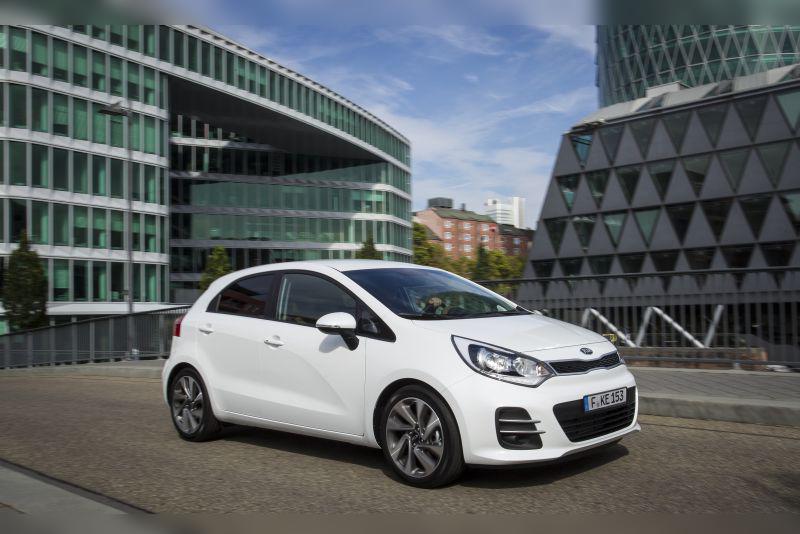
G4LA Engine (1.2 MPI): Experiences, Problems, Fuel Consumption and Used Car Buying Tips
Key points (TL;DR)
- Timing: Uses a timing chain, not a timing belt, which reduces regular maintenance costs.
- Reliability: Extremely reliable naturally aspirated engine without a turbo, sensitive injectors or complicated emissions systems.
- Costs: No dual-mass flywheel, no DPF filter and no AdBlue system – maintenance is among the very cheapest.
- Fuel consumption: Ideal for city driving (around 7–8 l/100 km), but uses more on the open road due to high revs.
- Performance: The engine is rather “lazy” in heavier cars like the Hyundai i20 or Kia Stonic and needs higher revs for smooth driving.
- LPG: Handles LPG conversion very well thanks to indirect injection (MPI).
Contents
- Introduction: Old-school engineering in a modern package
- Technical specifications
- Reliability and maintenance
- Specific parts and costs
- Fuel consumption and performance
- Extras: LPG and remapping
- Gearboxes and clutch
- Buying used and conclusion
Introduction: Old-school engineering in a modern package
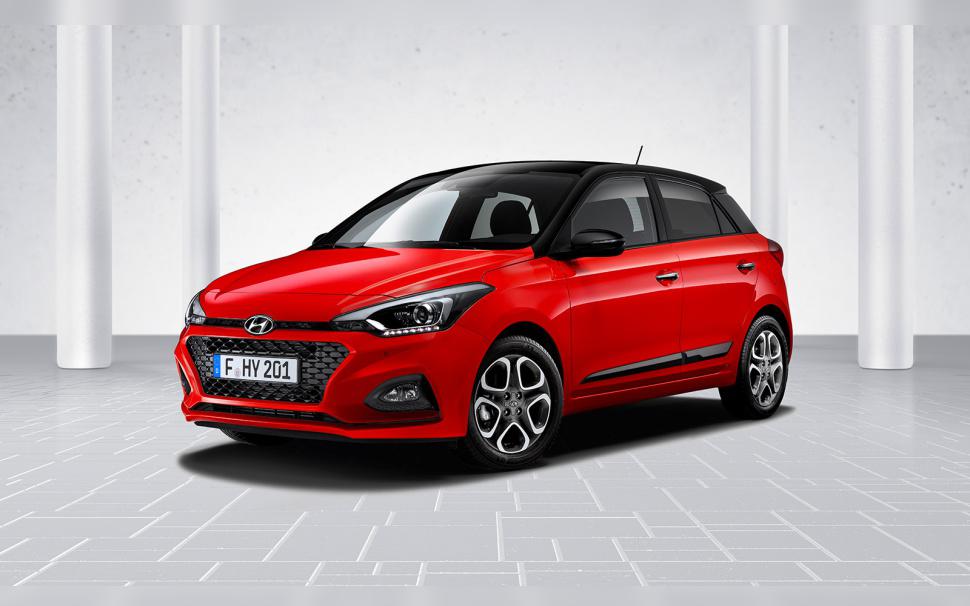
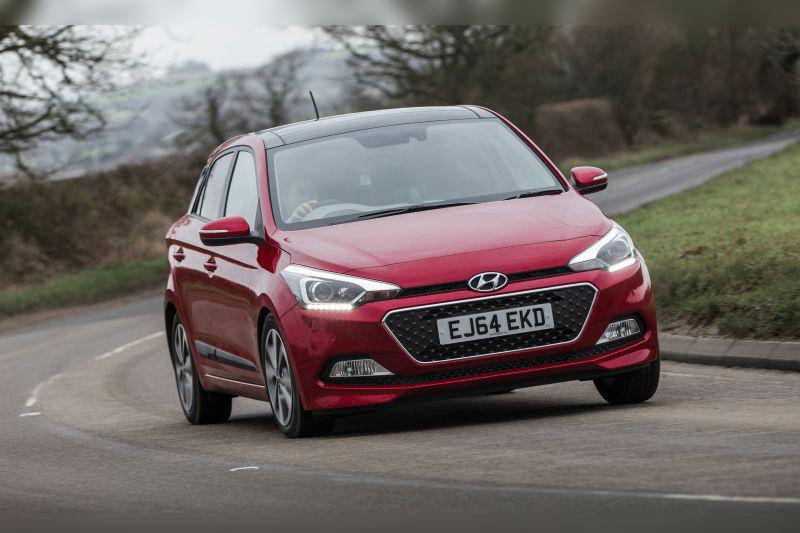
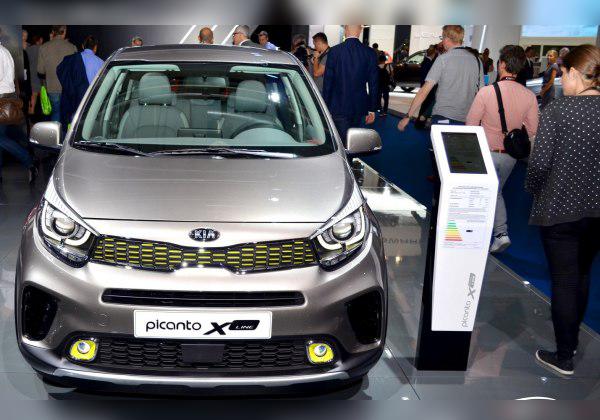
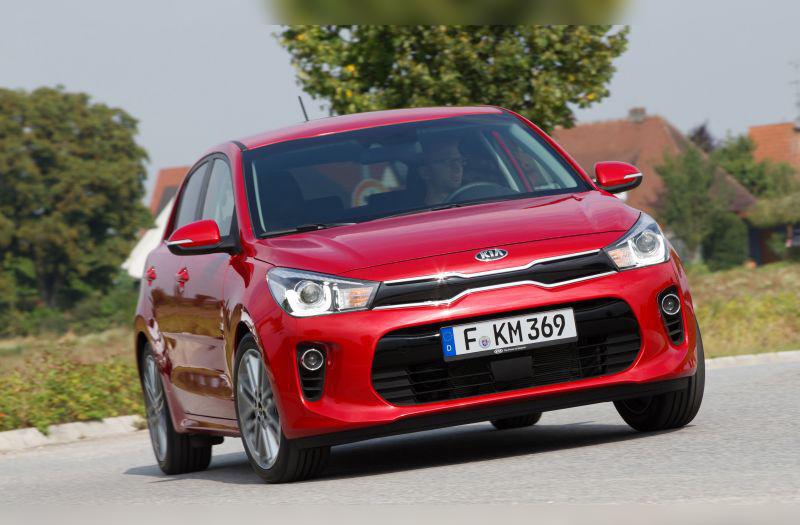
When you open the bonnet of a modern B‑segment car today, you’re usually greeted by a small three‑cylinder turbo engine packed with hoses and sensors. However, the Korean Hyundai–Kia group decided to keep a tried‑and‑tested recipe for models such as the Hyundai i20, Kia Rio, Picanto and Stonic – the engine designated G4LA. It is a 1.2‑litre (often also badged as 1.25 MPI) naturally aspirated four‑cylinder from the “Kappa II” engine family.
This unit delivers 84 hp and is aimed at drivers who care more about maximum reliability and low running costs than about sporty performance. Precisely because of its simplicity, this engine is one of the most sought‑after on the used‑car market for urban driving.
Technical specifications
| Specification | Data |
|---|---|
| Displacement | 1248 cc |
| Power | 62 kW (84 hp) at 6000 rpm |
| Torque | 122 Nm at 4000 rpm |
| Engine code | G4LA (Kappa II) |
| Injection type | MPI (Multi‑Point Injection – indirect) |
| Aspiration | Naturally aspirated (no turbo) |
| Fuel | Petrol |
Reliability and maintenance
Korean engineers designed this engine with longevity in mind. The G4LA uses a timing chain, not a belt. In practice this means that the classic “major service” (scheduled replacement of the timing kit at a given mileage) is not strictly prescribed. Still, the chain is not eternal. It is recommended to have it checked after around 150,000 km. Symptoms of a stretched chain include metallic rattling on a cold start (before the oil has built up pressure in the tensioners). If you hear this, the chain kit needs replacing, and the cost is around 150 to 300 euros (depending on the market).
Besides the timing system, at around 90,000 to 120,000 km it is recommended to replace the auxiliary belt, tensioner, idler pulleys and water pump, which in practice takes the role of a major service and is not expensive.
Oil and spark plugs
The sump of this engine holds about 3.5 litres of engine oil. The manufacturer recommends a 5W‑30 grade (or 0W‑20 for newer versions with stricter Euro standards – check by VIN). Regular oil changes should be done every 10,000 to 15,000 km, depending on driving conditions. Does it burn oil? The G4LA is not known as an “oil burner”. Consumption of 0.1 to 0.3 litres per 10,000 km is completely normal, but if the engine has over 200,000 km and you notice bluish smoke, the piston rings or valve stem seals may be due for replacement.
As for ignition, since this is a conventional petrol engine, spark plugs are replaced every 40,000 to 60,000 km. If you fit more expensive iridium plugs, the interval can be up to 100,000 km. A key symptom of bad plugs or failing ignition coils (one of the few more common issues on this engine) is jerking under acceleration and rough idle.
Specific parts and costs
This is actually the best news for any potential buyer. The G4LA engine is designed in a very conservative way:
- Dual‑mass flywheel: This engine does not have a dual‑mass flywheel. It uses a conventional solid flywheel, which makes clutch replacement significantly cheaper.
- Injection system: It uses good old MPI injection (fuel is injected into the intake manifold, before the valves). The injectors are very robust and rarely fail, and since the fuel washes the valves, there is no carbon build‑up on the intake valves as with modern GDI (direct injection) engines.
- Turbocharger: The engine does not have a turbo. That means no worries about turbo cooling, lubrication, whistling and expensive overhauls that cost 200 to 500 euros (depending on the market).
- Emissions (DPF, EGR, AdBlue): Since this is a petrol engine, it has no DPF filter and no AdBlue system, which regularly cause headaches for diesel owners. It does have an exhaust gas recirculation system (EGR valve), but this rarely causes problems on MPI petrol engines. The only thing that may occasionally need cleaning is the throttle body – if the engine idles roughly and the revs fluctuate, cleaning the throttle (a very cheap job) usually solves the problem.
Fuel consumption and performance
When talking about performance, you have to be realistic: with 84 hp and a modest 122 Nm of torque (available only at a fairly high 4000 rpm), this is not a race engine. Is it “lazy”? Yes, especially in heavier bodies such as the Kia Stonic or Hyundai i20. In the lighter Kia Picanto it performs quite decently. To get power out of it when overtaking, you have to rev it high (above 3500 rpm), which can feel tiring to modern drivers used to torquey turbo‑diesels.
Real‑world fuel consumption: In pure city driving (stop‑and‑go traffic), expect between 7.0 and 8.5 l/100 km. On country roads (80–90 km/h), consumption drops to an excellent 4.5 to 5.5 l/100 km.
On the motorway: This is where the naturally aspirated engine with a five‑speed gearbox shows its weaknesses. At 130 km/h, the crankshaft spins at a fairly high 3500 to 3800 rpm (depending on the exact gear ratios in the specific model). As a result, cabin noise increases and fuel consumption rises to about 7.0 to 7.5 l/100 km. This car simply isn’t a born long‑distance cruiser, even though it will reliably take you wherever you want to go.
Extras: LPG and remapping
LPG conversion
Is the G4LA suitable for LPG? Absolutely yes. Thanks to MPI injection and the fact that the Kappa engine family has hydraulic tappets (meaning there is no manual valve clearance adjustment), this unit handles LPG brilliantly. Installing a sequential LPG system is straightforward, and running costs can be cut in half. More frequent spark plug changes are recommended if you run on LPG (around every 30,000 km).
Remapping (Stage 1)
Can the engine be “chipped”? In software terms – yes, but in practice it’s a waste of money. Since there is no turbo to push more air into the cylinders, remapping the ECU (Stage 1) will give at most 3 to 6 hp and a minimal torque increase. You will not feel any real difference in everyday driving. Keep the factory settings.
Gearboxes and clutch
This engine is most commonly paired with a five‑speed manual gearbox, while some models (especially the Kia Picanto) can also be found with an older but very durable four‑speed automatic gearbox (with a torque converter).
Manual gearbox
The manual gearbox is precise, but drivers sometimes complain that reverse can occasionally be harder to engage. This is not a major fault, just a design quirk. Much more important is to listen to the gearbox noise at idle. If you hear a slight whine that disappears when you press the clutch pedal, it’s the release bearing (throw‑out bearing). Since the engine does not have a dual‑mass flywheel, a complete clutch kit (disc, pressure plate, release bearing) is not expensive and costs around 80 to 150 euros (depending on the market).
Automatic gearbox
The four‑speed automatic is robust, old‑school technology. Its biggest downside is that it’s slow and further stifles the already modest performance of the engine, while increasing fuel consumption by about 1 litre in the city. As for failures, they are extremely rare if regular maintenance is observed.
Gearbox servicing
Manufacturers often state that the oil in the manual gearbox is “lifetime”, but from a mechanical point of view this is not true. It is recommended to change the oil in the manual gearbox every 80,000 km or every 5 years. If you have a model with an automatic gearbox, changing the oil and filter in the transmission is mandatory every 60,000 km to avoid expensive failures of the valve body (mechatronics) and clutches inside the gearbox.
Buying used and conclusion
What to check before buying?
- Chain noise on cold start: Ask the seller to keep the car completely cold before you arrive. At the first start‑up, listen for a sharp metallic rattle on the left side of the engine in the first few seconds. If you hear it, the chain is due for replacement.
- Idle quality: The engine should idle perfectly smoothly. If the rev counter fluctuates or the car slightly vibrates, the problem may be a dirty throttle body, worn spark plugs or coils. None of this is expensive, but it’s a good basis for negotiating the price down.
- Clutch condition: On cars driven exclusively in heavy city traffic, the clutch can wear out as early as 100,000 km. Check whether the clutch bites very high and whether you can hear the release bearing.
- Diagnostics: Reading fault codes is a must, just to check the condition of the lambda sensors and catalytic converter, which can suffer due to poor‑quality fuel.
Final verdict
The Hyundai/Kia 1.2 MPI (G4LA) engine is an excellent choice for a specific target group. Who is it for? It is intended for beginner drivers, people who spend 80% of their time in city traffic, taxi drivers and anyone for whom reliability and low maintenance costs are an absolute priority over performance. If you’re looking for a car for rapid overtakes on country roads and frequent motorway trips to the seaside, this engine will frustrate you with its noise and “sluggishness”. Still, mechanically speaking, in an era of fragile three‑cylinder turbo engines, this naturally aspirated four‑cylinder is a real relief for your wallet and fully deserves a recommendation.