Hyundai and Kia 1.2 MPI (G4LF) engine: Real-world experience, issues, fuel consumption and used-car buying tips
- Extremely reliable naturally aspirated engine: Thanks to the absence of a turbocharger and direct injection, failures are kept to a minimum.
- Timing chain drive: Reduces regular maintenance costs, and the major service is basically reduced to checking the condition of the chain at higher mileage.
- Cheap maintenance: No dual-mass flywheel, no sensitive injectors, and suspension and brake parts for the models it’s fitted to are affordable.
- Ideal for LPG: The MPI intake-manifold injection system makes it a perfect candidate for LPG installation.
- Sluggish on the open road: With only 118 Nm of torque, overtaking requires high revs and patience.
- City fuel consumption: In real life it ranges between 6.5 and 7.5 l/100 km, which is reasonable for this type of engine.
Contents
- Introduction: About the G4LF engine
- Technical specifications
- Reliability and regular maintenance
- Specific components and potential costs
- Fuel consumption and driving performance
- Extras: LPG conversion and chip tuning
- Gearbox and drivetrain
- Buying used and conclusion
Introduction: About the G4LF engine
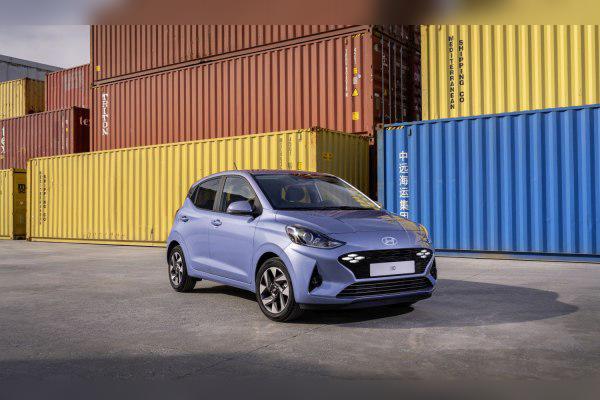
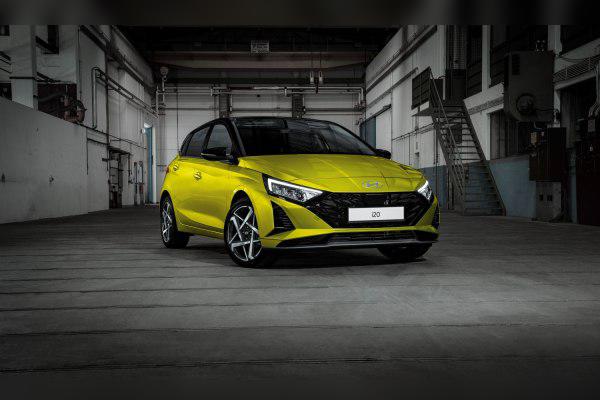
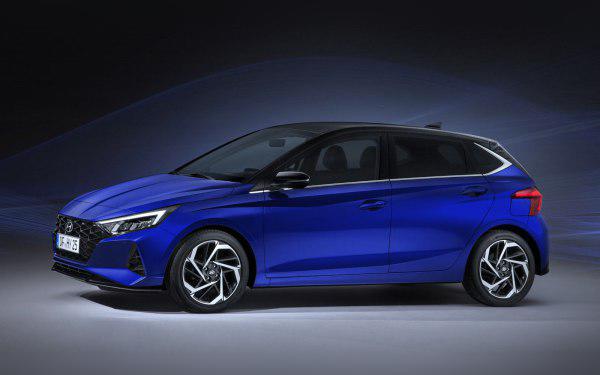
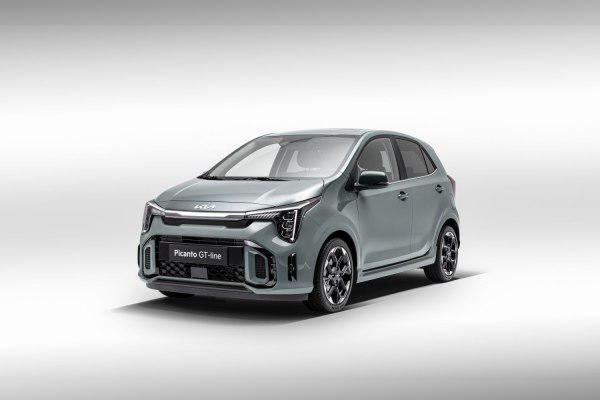
The engine designated as G4LF belongs to the more modern generation of Hyundai and Kia four-cylinder naturally aspirated petrol engines, often classified as part of the “Smartstream” family (an evolution of the earlier Kappa architecture). It is installed in city cars such as the Hyundai i10, i20, and Kia Picanto and Rio (especially in facelift versions from 2020 to 2023). Its philosophy is clear: offer maximum reliability and low running costs through simple technology, without complicated power-boosting systems. Because of this, it is highly appreciated as an engine for delivery vehicles, beginners, and drivers who mostly cover city mileage.
Technical specifications
| Specification | Data |
|---|---|
| Displacement | 1197 cc |
| Engine power | 62 kW (84 hp) |
| Torque | 118 Nm |
| Engine code | G4LF |
| Injection type | MPI (Multi-Point Injection – into the intake manifold) |
| Aspiration | Naturally aspirated |
Reliability and regular maintenance
This unit is rightly considered one of the most reliable small petrol engines on the market. Its mechanicals are not heavily stressed, which means the materials are not exposed to high pressures or extreme temperatures like in modern turbo petrol engines.
Timing belt or chain? Major service
The G4LF engine uses a timing chain, not a belt. This is great news for owners because it means that the classic “major service” (which would involve replacing the timing belt every 80,000 to 100,000 km) simply doesn’t exist here. The chain is designed to last as long as the engine itself, but in practice I recommend checking the tensioner and chain at around 150,000 to 200,000 km. If you hear a metallic rattling noise for a few seconds during a cold start, it’s time to replace the timing set. The auxiliary (serpentine) belt, water pump and rollers are replaced as needed, most often at around 90,000 km.
Oil: Capacity, grade and consumption
This engine takes about 3.6 litres of engine oil. Due to strict Euro 6 standards and narrow oil passages, the manufacturer strictly recommends fully synthetic oil of grade 0W-20 (most commonly for newer versions from 2020 onwards) or 5W-30 (if specified for a particular market). As for oil consumption, these engines are not known as “oil burners”. Between two services (every 15,000 km or one year), consumption of around 0.2 to 0.5 litres is considered completely normal and depends on driving style. If the engine uses more than 1 litre per 10,000 km, this points to neglected service intervals and possible issues with piston rings or valve stem seals.
Spark plugs and common faults
Since this is a classic petrol engine with indirect injection, a good spark is crucial. The manufacturer usually fits iridium or platinum spark plugs with a replacement interval of 60,000 kilometres. Do not skip this interval, because worn spark plugs can overload and destroy the ignition coils. As for engine failures, they are truly rare. Occasionally there may be minor oil leaks from the valve cover gasket, or failure of one of the coils, which you will notice as rough idling, jerking under acceleration and the “Check Engine” light coming on.
Specific components and potential costs
The biggest advantage of this engine is precisely what it doesn’t have. Thanks to its simple design, maintenance costs are predictable and low.
Injection, turbo and emissions systems
The injection system is MPI (Multi-Point Injection). Fuel is injected before the intake valves, constantly washing and cleaning them. Because of this, this engine does not suffer from carbon build-up on the valves, which plagues GDI engines (with direct injection). The injectors are extremely simple, rarely cause problems and are not particularly sensitive to slightly poorer fuel quality. If they do get clogged, ultrasonic cleaning is usually sufficient.
The engine does not have a turbocharger, which saves you from worrying about turbo cooling, overhauls and oil leaks. It also has no AdBlue system because it’s not a diesel, and it doesn’t have a conventional EGR valve that would constantly clog with soot. Newer versions of this engine (compliant with the strictest Euro 6d standards) are equipped with a GPF (Gasoline Particulate Filter). However, unlike a diesel DPF, petrol exhaust gases are much hotter, so the GPF is passively regenerated during driving and almost never clogs, not even in city use.
This model does not have a dual-mass flywheel. The clutch is paired with a solid flywheel, so when the time comes for replacement, the cost of a clutch kit (pressure plate, disc, release bearing) is not high (depends on the market).
Fuel consumption and driving performance
If you are switching from a more powerful car to a model with the 1.2 MPI engine, you need to adjust your expectations. This engine is not a racer, but a reliable workhorse.
Performance and acceleration
With its 84 hp and very modest 118 Nm of torque, this engine is quite “lazy” if you are driving a heavier body such as the Hyundai i20 or Kia Rio, especially with three or four people on board and the air conditioning on. In lighter models such as the Hyundai i10 and Kia Picanto, the situation is better and the car feels fairly lively in the first three gears. For any kind of safe overtaking on country roads, you have to rev the engine high (over 4,000 rpm), at which point it becomes quite noisy.
Fuel consumption and motorway behaviour
In heavy stop‑and‑go city traffic, you can expect real-world consumption of around 6.5 to 7.5 l/100 km. On open roads at about 80 km/h, consumption can drop to around 4.5 l/100 km. However, the motorway is not this engine’s natural habitat. Due to relatively short gearbox ratios, at a cruising speed of 130 km/h the engine spins at a fairly high 3,500 to 3,800 rpm (depending on the model and tyre size). As a result, cabin noise increases and fuel consumption easily reaches 7 to 8 l/100 km.
Extras: LPG conversion and chip tuning
LPG – Is it worth it?
Absolutely yes! Given that this is a classic naturally aspirated MPI engine, installing a sequential LPG system is highly recommended and safe. There is no need for expensive systems that inject petrol together with gas (as with direct injection). The only thing an experienced installer must pay attention to is mapping, so that the mixture is not too lean (which can damage the valves). Engines from this series handle LPG well and can significantly reduce running costs.
Chip tuning (Stage 1)
Unlike turbo engines, “chipping” (ECU remapping) on a small-displacement naturally aspirated petrol engine makes no real sense. With software changes you can gain at most 4 to 6 hp and maybe 5 Nm of torque. You will not notice this difference in everyday driving, so our recommendation is to save that money for regular maintenance instead of wasting it on Stage 1 modifications.
Gearbox and drivetrain
This engine comes paired with several gearbox options, and it’s important to distinguish between them because of costs and driving quality.
- 5-speed manual gearbox: By far the most common choice. Reliable, precise and easy to use. No known factory defects. As mentioned, the clutch kit does not include a dual-mass flywheel, so replacement is very affordable and falls into the “not expensive” category (depends on the market). Changing the oil in the manual gearbox is recommended every 80,000 to 100,000 km for better lubrication and to preserve the synchros.
- Automatic gearbox (conventional 4-speed): In some older versions or certain trim levels, a proper automatic (torque converter) with 4 gears was fitted. It is very reliable and durable, but significantly stifles engine performance and increases city fuel consumption by about 1 to 1.5 l/100 km. It requires ATF oil changes every 60,000 km.
- Automatic gearbox (AMT – 5-speed): In the latest facelift models (such as the i10 and Picanto), the traditional automatic is often replaced by an AMT (Automated Manual Transmission). This is basically a manual gearbox in which robots/actuators change gears and operate the clutch instead of you. In real driving it can be jerky and indecisive. The most common AMT issues are related to clutch actuator failure or accelerated clutch wear due to stop‑and‑go city driving. Repairs to the AMT actuator can be classified as: expensive (depends on the market).
Buying used and conclusion
Before buying a used car with the 1.2 MPI G4LF engine, the most important thing is to check the service history. Since these models (especially the i20 and Rio) are extremely popular as rental cars or delivery vehicles, they often have far higher mileage in harsh city conditions than the odometer suggests.
What you must check on the lot:
- Cold start: Ask the seller not to start the car before you arrive. Listen to the engine during the very first crank. If you hear loud metallic rattling or scraping, the chain is stretched and due for replacement.
- Clutch pedal: If the clutch “bites” very high up or you feel that the pedal is stiff and notchy, be prepared to replace the clutch kit in the near future.
- Interior condition: Worn pedals, steering wheel and driver’s seat reveal a hard‑worked city delivery car rather than the true mileage shown.
Who is this car for?
If you are looking for a car for long family trips or more aggressive driving on main roads, skip this engine – it is simply too weak. However, if you need a reliable car for commuting, taking kids to school, running everyday errands in the city, or you are a novice driver, the Hyundai/Kia 1.2 MPI (G4LF) is one of the smartest and most rational used‑car purchases on the market. It is cheap to maintain, forgiving of mistakes, easily accepts LPG installation and, with basic regular servicing, will easily cover hundreds of thousands of kilometres without a serious failure.