Hyundai and Kia 1.6 T-GDI Gamma II (G4FJ) 201 hp: Experiences, issues, fuel consumption and used car buying guide
- Timing system: The engine uses a timing chain which is durable, but requires regular oil changes.
- Biggest drawback: Carbon buildup on intake valves due to direct injection.
- Oil sensitivity: Risk of LSPI phenomenon – mandatory use of oil that meets API SN Plus or SP standard.
- Performance: Very lively unit (twin-scroll turbo), excellent power-to-weight ratio, not "lazy" at all.
- Gearbox: The 7DCT (dual dry-clutch automatic) can be tricky in stop-and-go city driving and is prone to clutch wear.
- LPG: Not worth installing due to the complexity of the GDI injection system.
Contents
- Introduction: About the engine and models
- Technical specifications
- Reliability and maintenance
- Specific parts and costs
- Fuel consumption and performance
- Additional options and modifications
- Gearbox and drivetrain
- Buying used and conclusion
Introduction: About the engine and models
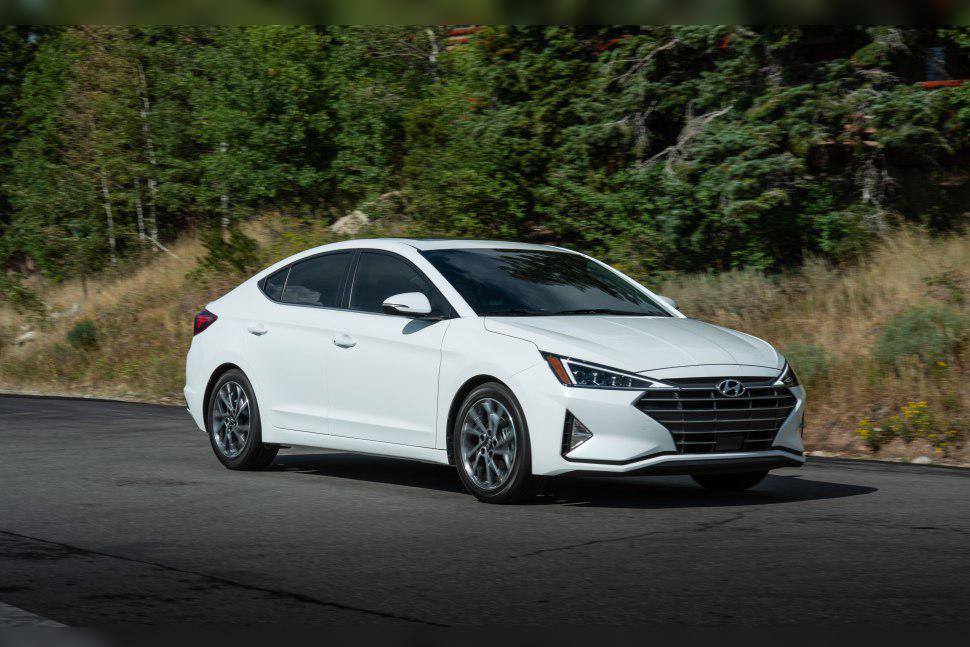
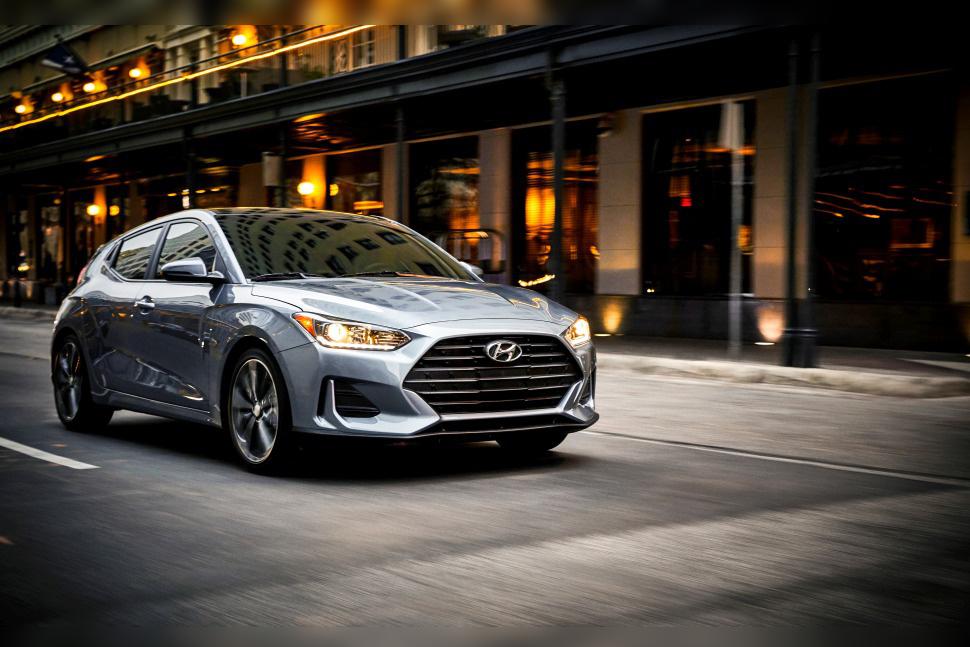
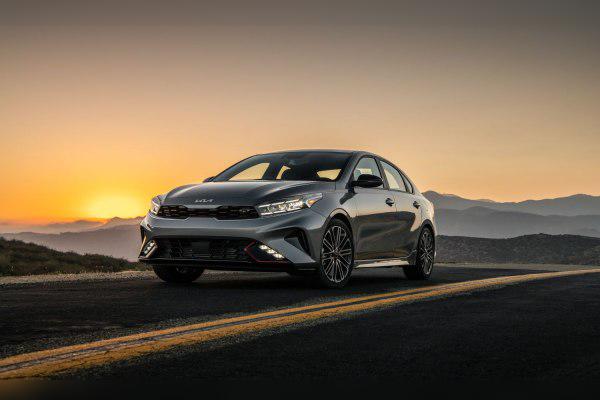
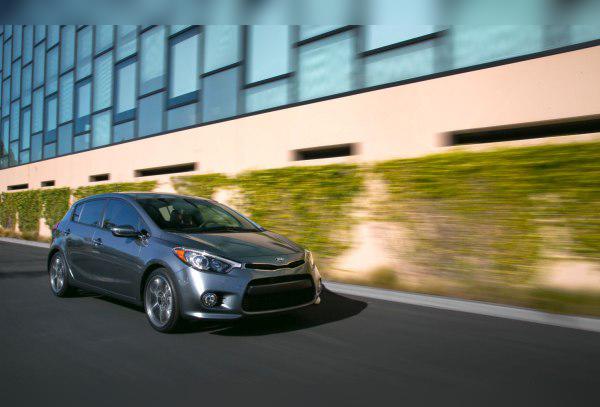
The Gamma II / G4FJ 1.6-liter engine is one of the most important modern petrol engines of the South Korean Hyundai-Kia group. In the 201 hp (148 kW) version, this engine brings serious dynamics to everyday cars, turning them into so-called warm hatches or sporty sedans. It was installed in attractive models such as the Hyundai Veloster II, the sporty versions of the Hyundai Elantra VI, as well as various iterations of the Kia Forte and Koup. Thanks to direct injection and twin-scroll turbocharger technology, engineers managed to extract excellent torque, but such an architecture also comes with certain specifics when it comes to real-world maintenance.
Technical specifications
| Parameter | Specification |
|---|---|
| Displacement | 1591 cc |
| Power | 148 kW (201 hp) |
| Torque | 264 Nm |
| Engine code | G4FJ (Gamma II) |
| Injection type | GDI (Gasoline Direct Injection) |
| Charging | Twin-scroll turbo with intercooler |
Reliability and maintenance
Instead of a timing belt, this engine uses a timing chain. In theory that means less worry, but in practice there is no fixed interval for a major service. The chain is inspected at every minor service after 150,000 km, and is replaced only when it starts to stretch, which you will notice as a metallic rattling noise during cold start. On well-maintained examples, the chain can last well over 200,000 km.
As for the most common failures, the engine suffers from the same issue as all GDI units – carbon buildup on intake valves. Since the fuel does not wash the valves (it is injected directly into the cylinder), the valves get dirty from oil vapors. Symptoms include rough idle, loss of performance and hesitation under acceleration. Therefore, mechanical cleaning (decarbonization) of the intake valves is recommended every 60,000 to 80,000 km. In addition, the ignition coils tend to fail prematurely due to the high temperatures under the hood.
The engine holds exactly 4.5 liters of oil. The manufacturer recommends 5W-30 or 5W-40, but it is absolutely crucial that the oil meets the API SN Plus or API SP standard. These engines are prone to LSPI (Low Speed Pre-Ignition), i.e. premature ignition of the mixture at low rpm under load, which can literally destroy the pistons. Special oils with the above standards prevent this phenomenon. As for oil consumption, the G4FJ tends to "drink" a bit of oil when driven aggressively at higher revs. Consumption of 0.2 to 0.4 liters per 1000 km is considered acceptable on older units, but any sudden loss requires checking the piston rings and turbo.
Given the high temperatures in the combustion chamber and the twin-scroll turbo, the spark plugs are under heavy load and must be replaced every 45,000 to 60,000 km. It is mandatory to use only iridium spark plugs with precisely set gap, because a weak spark quickly leads to misfires.
Specific parts and costs
The GDI injection system includes a high-pressure fuel pump (HPFP) and robust injectors. The injectors themselves are not overly problematic, but they are very sensitive to poor fuel quality. If they fail, the prices of original replacement parts are high (depends on the market). In addition, manual versions of this engine are equipped with a dual-mass flywheel, which means that replacing the clutch kit is a noticeably more expensive job.
The unit uses a single twin-scroll turbocharger integrated with the exhaust manifold, whose function is to reduce turbo lag. Its service life is generally good and it can easily exceed 150,000 to 200,000 km, provided that the oil is changed at a maximum of every 10,000 km and that the driver follows the rule of letting the turbo cool down at idle for at least a minute after spirited driving.
Since this is a petrol engine, there is no AdBlue system and you don’t have to worry about fluid tanks and heaters that cause chaos on modern diesels. There is no classic EGR valve either; instead, the engine uses variable valve timing (CVVT) for internal exhaust gas recirculation. However, models for the European market produced after 2018/2019, due to newer Euro standards, are equipped with a GPF (Gasoline Particulate Filter). Unlike DPFs on diesels, GPFs on petrol engines rarely cause problems and do not clog easily because exhaust gas temperatures on petrol engines are much higher, so the filter passively regenerates during normal driving.
Fuel consumption and performance
Although Hyundai/Kia quote optimistic figures, reality is somewhat different. In pure city driving with frequent stop-and-go conditions, fuel consumption ranges from 9.5 to 11 liters per 100 km. Driving style has an enormous impact on consumption, because as soon as the turbo comes into play, the tank empties much faster.
Is the engine "lazy"? Not at all. With 201 hp and 264 Nm of torque available from as low as 1500 rpm, this engine offers great traction and performance. In bodies such as the Veloster and Elantra (which are not extremely heavy), throttle response is instant, the car pulls easily in all gears and provides a very fun driving experience.
On the highway it behaves like a proper sedan. At 130 km/h in top gear (sixth for the manual or seventh for the DCT automatic), the crankshaft spins at around 2600 to 2800 rpm. In this mode the cabin is quiet, fuel consumption drops to a reasonable 6.5 to 7.5 liters, and you always have enough power in reserve for safe overtaking without downshifting.
Additional options and modifications
When it comes to LPG installation, the G4FJ engine is a very tricky candidate. The direct injection system means that the petrol injectors pass through the combustion chamber itself. If a standard LPG system is installed, the petrol injectors will not be cooled by petrol and will quickly burn out. It is possible to install special systems that inject LPG in liquid phase or systems that use both petrol and LPG at the same time, but such installations are very expensive and the payback period is extremely long. For this reason, installing LPG on this engine is generally not recommended.
As for tuning, the Gamma II platform has decent potential. With a standard software Stage 1 remap, the engine can be safely raised to about 230–240 hp and just over 320 Nm of torque. The engine block can handle this easily, but the real limitation lies in the automatic gearbox, which is factory-rated for durability just slightly above the stock torque. If you have a manual gearbox, Stage 1 is a much more carefree option.
Gearbox and drivetrain
Buyers of these cars could choose between a 6-speed manual gearbox and a 7-speed DCT dual-clutch automatic (7DCT).
The manual gearbox is robust, precise and generally very reliable. Its biggest downside is that it uses the aforementioned dual-mass flywheel. When the time comes to replace the clutch kit and flywheel, this job can be very expensive (depends on the market).
The automatic 7DCT gearbox uses a dry-clutch architecture, similar to VW’s DSG DQ200. This is also the most sensitive point of the whole car. In stop-and-go city driving, the dry clutches are constantly heating up and slipping, which leads to accelerated wear. The most common symptoms are jerking when moving off from a standstill and hesitation when shifting from first to second gear. The clutch life on the DCT gearbox often does not exceed 100,000 km in heavy urban use. Replacing the clutches, bearings and performing calibration on a DCT is a very expensive job (depends on the market). The mechatronics unit (gearbox actuators) can also fail.
Gearbox maintenance must not be neglected. Although many mechanics say that the oil in a manual gearbox is "lifetime", it is recommended to change it every 60,000 km (it takes about 2 liters). With the 7DCT automatic, the situation is more complex – it is necessary to change the gearbox oil in the gear section itself, as well as the working fluid in the mechatronics (actuators), ideally at 60,000 km intervals or every 4 years.
Buying used and conclusion
What to check before buying?
- Cold start: Ask the seller not to start the car before you arrive. Listen carefully during the first 5 seconds of operation – any metallic rattling indicates a stretched timing chain.
- Test in traffic (for DCT models): Don’t test-drive the car only on open roads. Find an incline and start moving gently, then shift from first to second with light throttle. Any jerking, knocking or unpleasant smell indicates worn dry clutches whose replacement is very expensive.
- Exhaust smell and smoke: Bluish smoke after you blip the throttle following idling clearly points to worn valve stem seals or a turbo problem.
- Diagnostics (mandatory): Ask for a misfire counter readout. A high number of misfires on any cylinder indicates a problem with the ignition coil, spark plug or even a burnt valve due to carbon buildup (a known GDI weakness).
Conclusion
The Hyundai and Kia 1.6 T-GDI G4FJ (201 hp) engine is an excellently engineered petrol unit that puts a big smile on the driver’s face while keeping registration and tax costs reasonable compared to 2.0-liter competitors. Who is it for? For drivers who want everyday practicality with a power reserve they can enjoy on weekends on open roads.
However, if most of your driving is in heavy city traffic and you want a DCT automatic, think twice – city driving chokes GDI engines due to carbon buildup on valves and literally "eats" the dry clutches of the automatic gearbox. In that case, the better and longer-lasting choice will be the version with the manual gearbox.